Why Insurance Actuaries Favor New Construction Towers Over Historic Oceanfront Homes
In South Florida, the insurance conversation has become a quiet but decisive force in luxury real estate. For actuaries, the preference for new construction towers is less about style and more about controllable risk: modern wind standards, updated life-safety systems, centralized maintenance, and clearer replacement-cost modeling. Historic oceanfront homes can be irreplaceable from an architectural standpoint, but they often introduce variables that are difficult to price with confidence, especially when proximity to salt air, legacy building practices, and bespoke materials collide with today’s underwriting discipline. This editorial explains the practical reasons actuaries often view new high-rise construction as a more predictable risk than older coastal single-family assets, and how sophisticated buyers can use that lens to shop smarter.

The Financial Viability of Purchasing Entire Condominium Floors to Create Custom Mega Residences
Buying an entire condominium floor can deliver townhouse-level privacy, bespoke planning, and trophy-scale volume, but it only pencils when the premium paid is disciplined and the path to resale is realistic. In South Florida, floor-through assemblies live at the intersection of HOA governance, structural constraints, elevator strategy, and long-term operating costs. This editorial breaks down the underwriting logic: acquisition and carry, combination and build-out, and the two exits that matter most, resale and legacy ownership.

The Impact of Rising Reinsurance Costs on Homeowner Association Dues in Coastal Miami
Rising reinsurance costs are reshaping the economics of coastal Miami ownership, flowing directly into condo and HOA operating budgets, reserves, and ultimately monthly dues. For luxury buyers, the question is less whether dues rise and more how a building’s governance, insurance posture, and capital plan translate that volatility into predictable ownership costs. This editorial outlines why reinsurance matters, where the pressure shows up inside association budgets, and how to diligence a building like a portfolio asset before you wire.

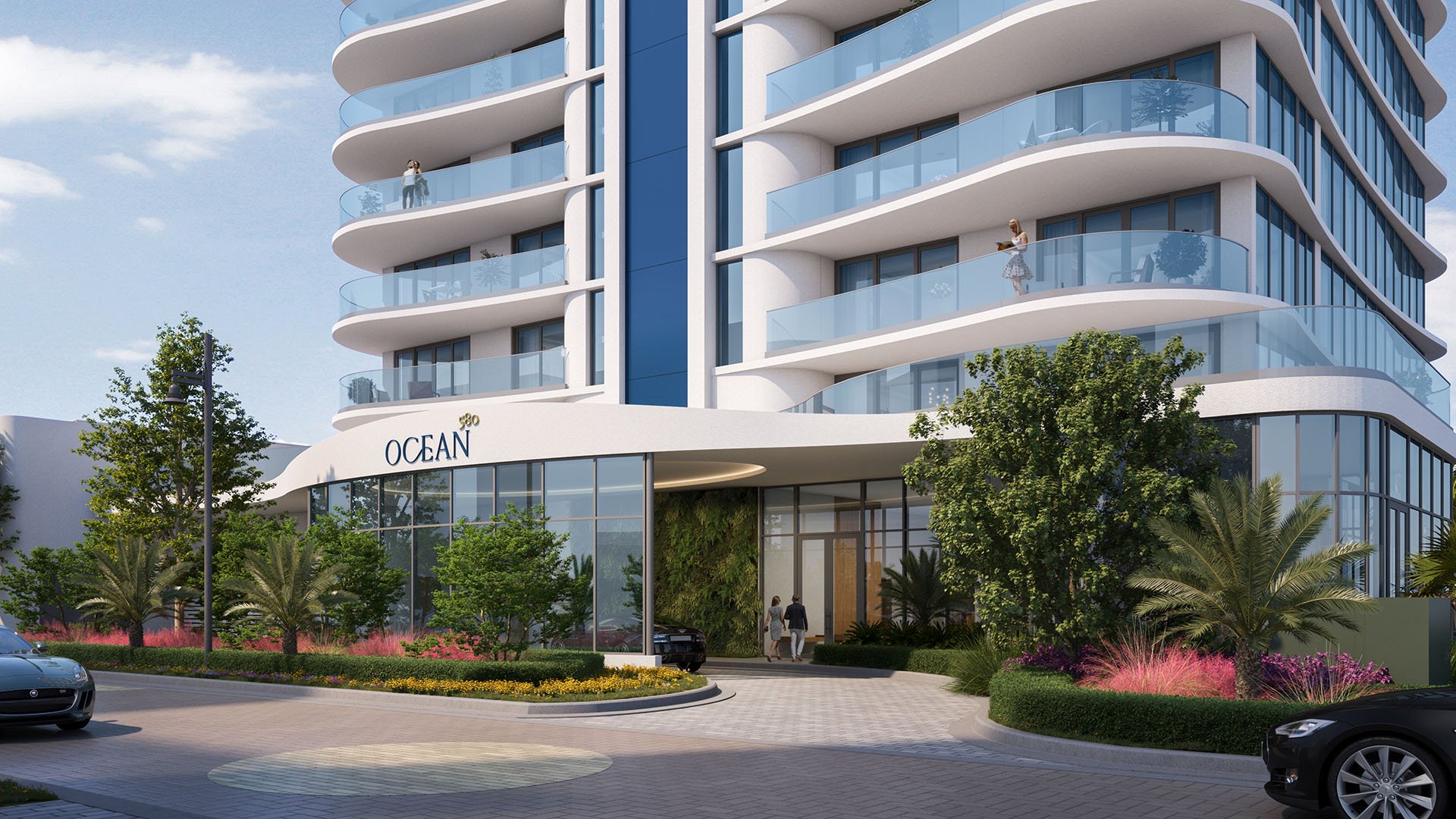
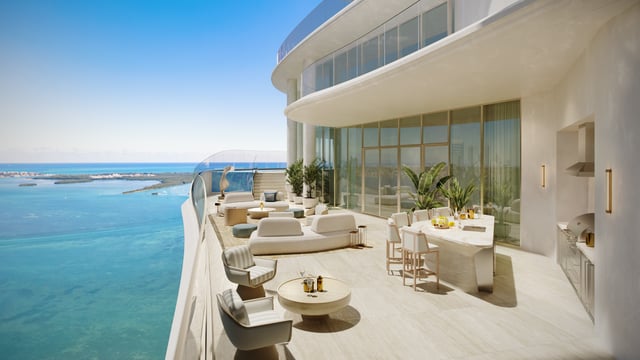
Evaluating the Functionality of Outdoor Summer Kitchens at Ocean 580 Pompano Beach Against Armani Casa Residences Pompano Beach
A buyer-oriented, design-literate comparison of what makes an outdoor summer kitchen truly functional in Pompano Beach, using Ocean 580 and Armani/Casa as the reference points.

Assessing the Viability of Private Beach Access at The Berkeley Palm Beach Against The Ritz Carlton Residences West Palm Beach
For Palm Beach and West Palm Beach buyers, “private beach access” is less a checkbox than a layered set of logistics: deeded frontage versus a managed beach experience, the time cost of crossing bridges, and the durability of privileges over decades. This MILLION Luxury editorial frames the viability of beach access at The Berkeley Palm Beach against The Ritz-Carlton Residences® West Palm Beach, offering a buyer-oriented way to vet what is real, what is operational, and what is simply assumed.

Comparing the Intimacy of Low Rise Living at Ocean House Surfside Against Fendi Chateau Residences Surfside
In Surfside, two names define a very specific kind of oceanfront luxury: the low-rise, privacy-forward residential experience. Ocean House Surfside and Fendi Château Residences Surfside both appeal to buyers who want beachfront proximity without the emotional temperature of a mega-tower. Yet their intimacy is expressed differently: one leans toward a quiet, residential cadence; the other pairs boutique scale with branded design identity. With no two households using “privacy” to mean the same thing, this comparison focuses on what you actually feel day to day: arrival, shared spaces, neighbor density, service posture, and how the building’s scale shapes the rhythm of living. The result is less about which is “better” and more about which version of intimacy matches your lifestyle, household size, and expectations of discretion.