Four Seasons Surf Club vs. St. Regis Bal Harbour: Beachfront Legends of Miami’s Northern Coast
A discreet, buyer-oriented comparison of two landmark beachfront addresses on Miami’s northern coastline, framed through lifestyle, ownership experience, and long-term positioning.

Comparing The Dedicated Beach Service At Fendi Château Residences Surfside Versus Eighty Seven Park Surfside
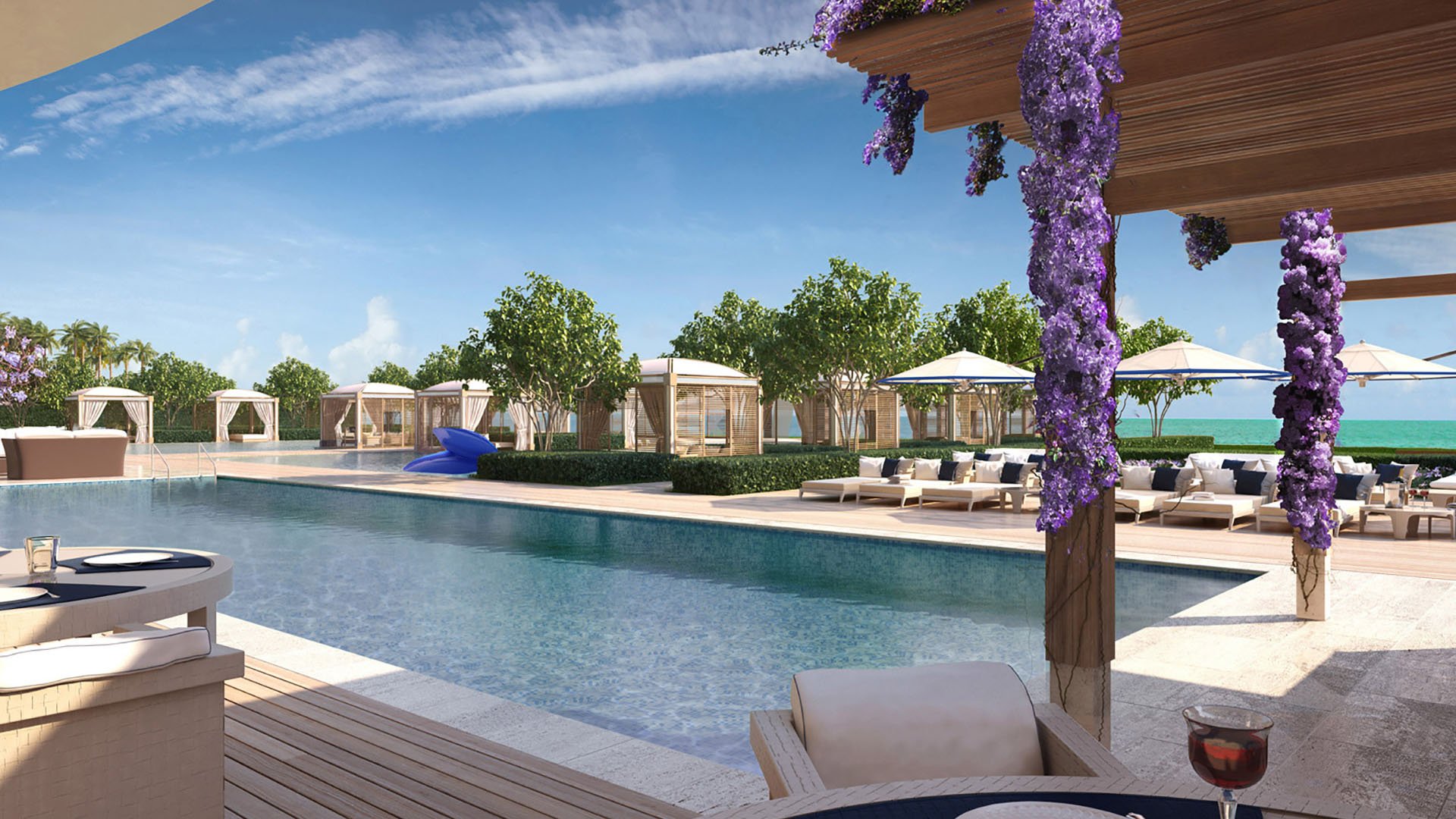
A buyer’s view of dedicated beach service in Surfside often comes down to a preference for choreography versus simplicity. At Fendi Château Residences Surfside, the expectation is a highly curated, brand-coded arrival to the shoreline: staff anticipating needs, set-ups executed with polish, and the day structured around comfort and discretion. At Eighty Seven Park Surfside, the appeal tends to be a more design-forward, park-adjacent lifestyle where beach time feels like an extension of an outdoor routine rather than a formal production. Both can deliver a seamless day on the sand. The difference is what “seamless” means to you: a resort-like sequence with more touchpoints, or a lighter framework that prioritizes freedom of movement. Below is how to compare the two through the lens of what actually impacts day-to-day living, guests, and resale narrative in Surfside.

Comparing the Intimacy of Low Rise Living at Ocean House Surfside Against Fendi Chateau Residences Surfside
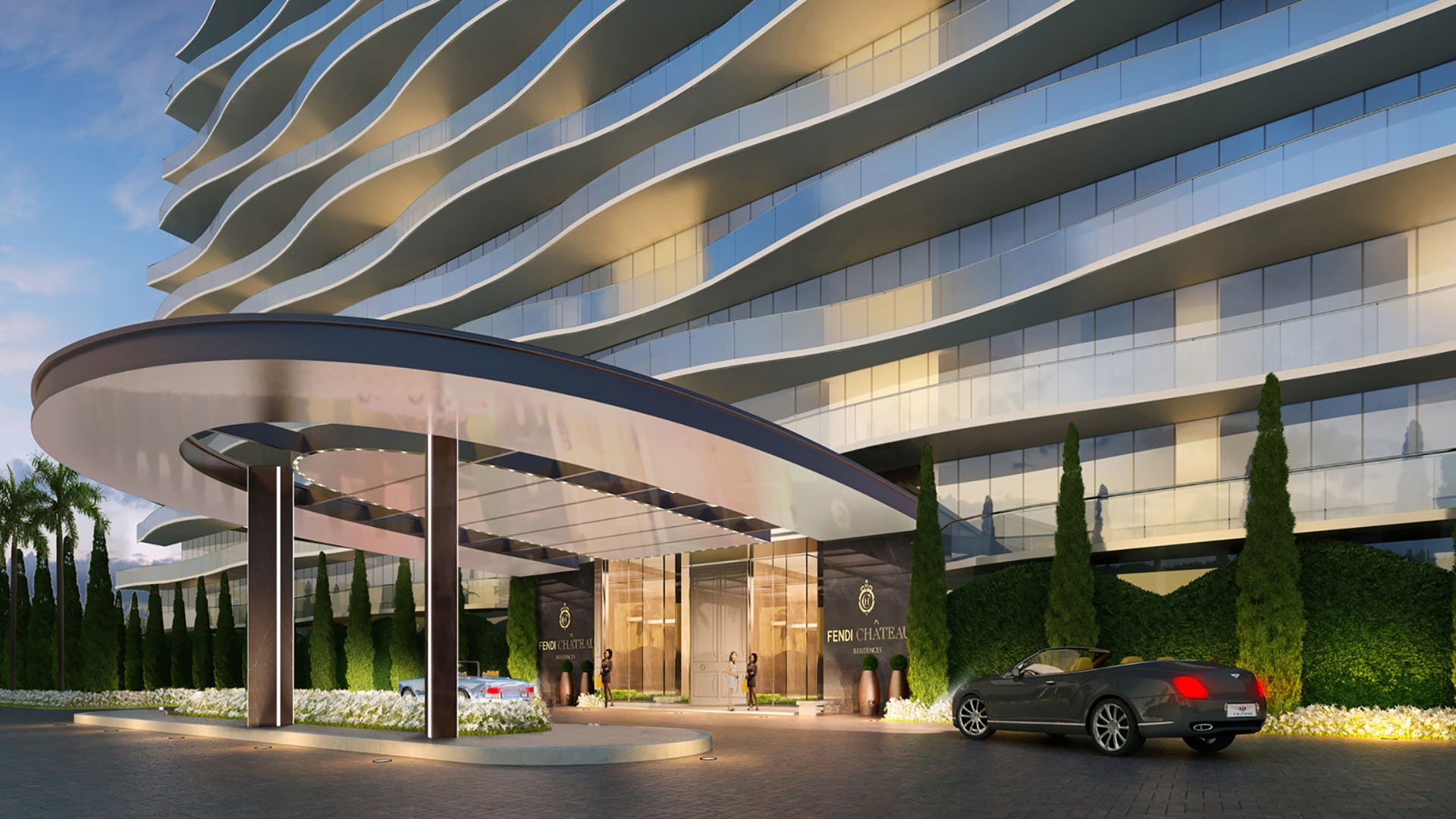
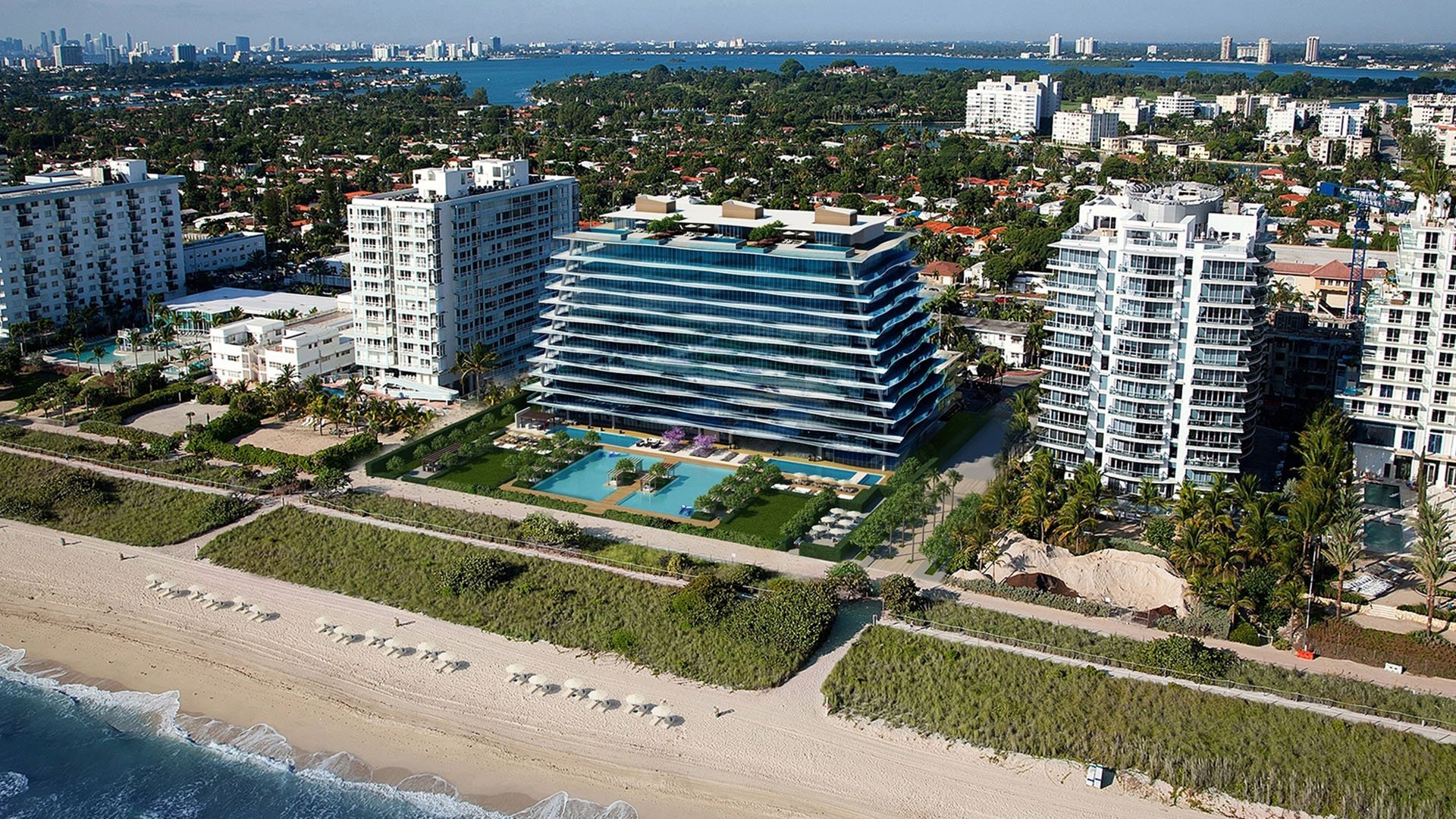
In Surfside, two names define a very specific kind of oceanfront luxury: the low-rise, privacy-forward residential experience. Ocean House Surfside and Fendi Château Residences Surfside both appeal to buyers who want beachfront proximity without the emotional temperature of a mega-tower. Yet their intimacy is expressed differently: one leans toward a quiet, residential cadence; the other pairs boutique scale with branded design identity. With no two households using “privacy” to mean the same thing, this comparison focuses on what you actually feel day to day: arrival, shared spaces, neighbor density, service posture, and how the building’s scale shapes the rhythm of living. The result is less about which is “better” and more about which version of intimacy matches your lifestyle, household size, and expectations of discretion.

Evaluating Sub Zero Appliance Packages at Ocean House Surfside Against Fendi Chateau Residences Surfside
A buyer-oriented comparison of how Sub-Zero and broader luxury appliance packages influence daily living, resale positioning, and design intent at two Surfside addresses: Ocean House and Fendi Château.

Evaluating the Efficiency of Hurricane-Impact Sliding Glass Doors at The Delmore Surfside
In Surfside, the sliding glass door is not a decorative afterthought. It is a primary building-envelope decision that determines comfort, durability, insurance posture, and day-to-day livability. This editorial examines what “efficiency” really means for hurricane-impact sliding glass doors in a luxury coastal residence and how a buyer can evaluate performance without relying on marketing shorthand. Rather than assume a single metric, we break efficiency into four buyer-relevant categories: storm resilience, air and water management, acoustic calm, and operational longevity. We also outline practical questions to ask during a purchase process and what to look for in drawings, specifications, and mockups when available.

Assessing the Footprint of Secondary Scullery Kitchens at The Surf Club Four Seasons Surfside
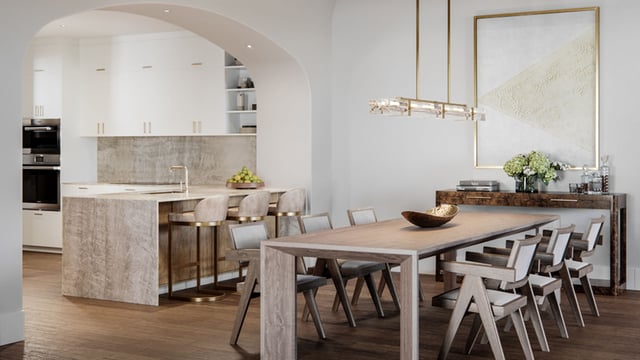
In Surfside, the secondary scullery kitchen has evolved from a discreet luxury to a practical piece of residential infrastructure, especially in service-driven, oceanfront living. This editorial examines what that “second kitchen” really does for day-to-day function and resale positioning at The Surf Club Four Seasons Surfside, and how to evaluate its footprint without overbuilding or underutilizing square footage.