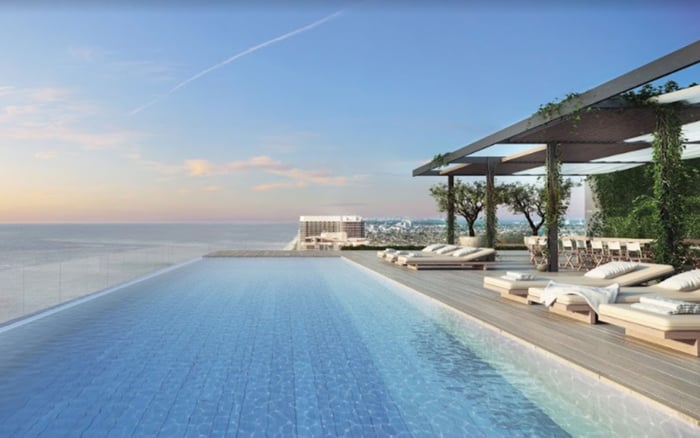
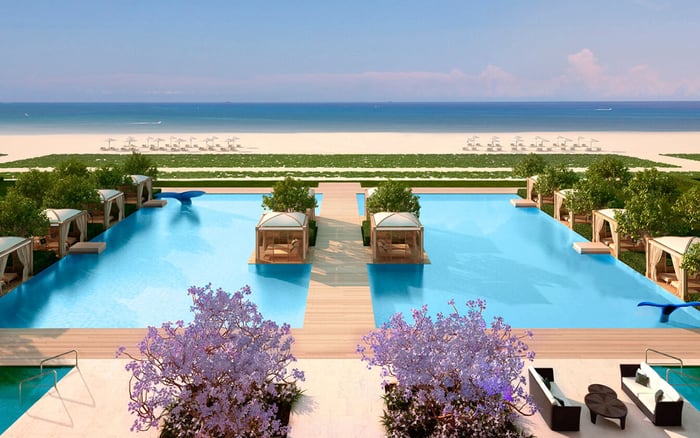
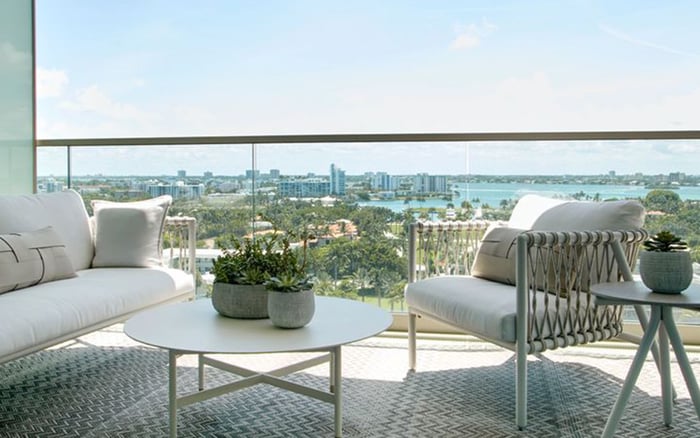
A discreet, buyer-oriented comparison of two landmark beachfront addresses on Miami’s northern coastline, framed through lifestyle, ownership experience, and long-term positioning.
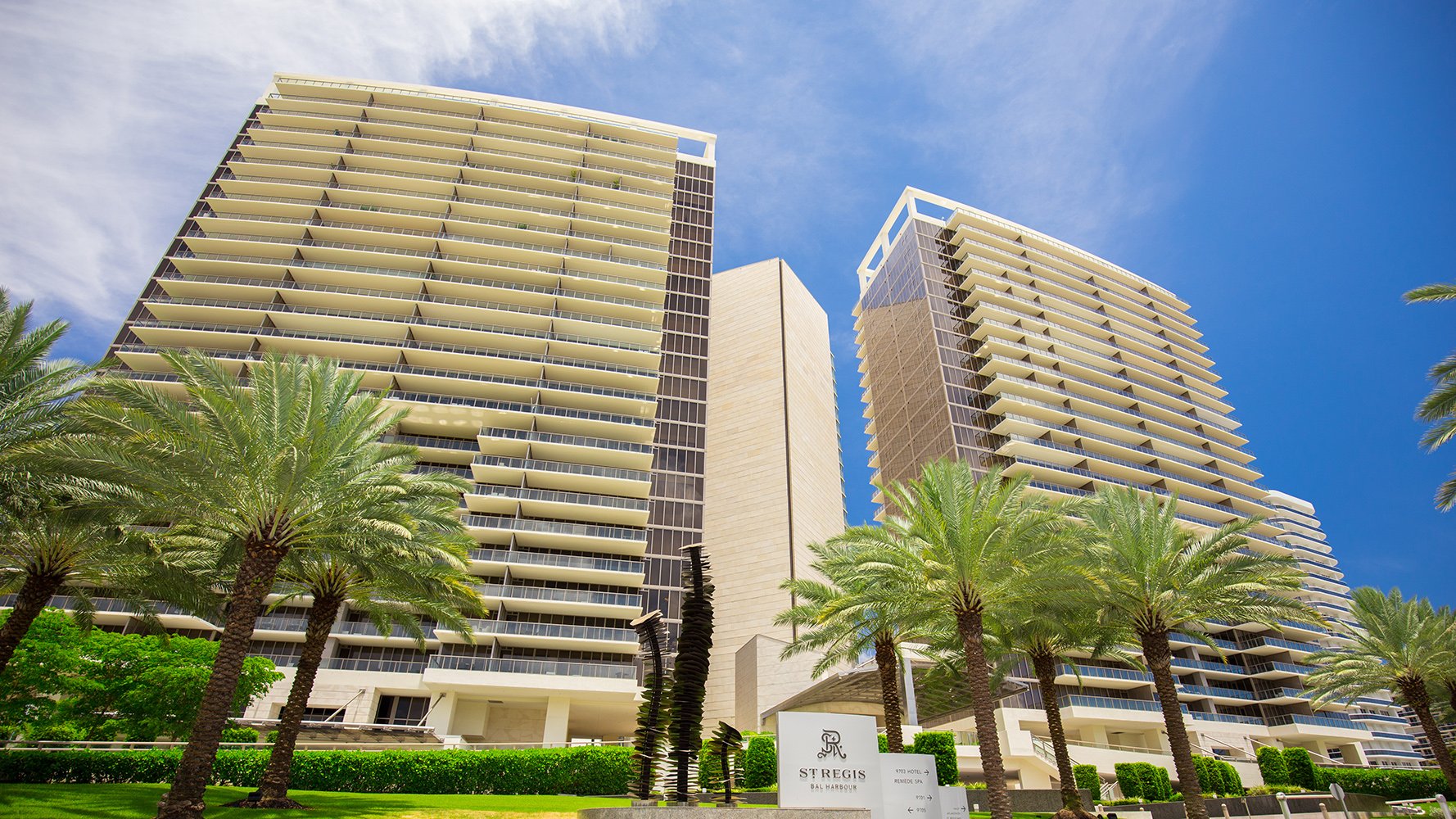
On Miami’s northern coastline, a few addresses have outgrown the usual cycle of “new.” They read less like buildings and more like institutions-places where the arrival sequence, the cadence of service, and the hush between beach and lobby carry as much weight as square footage.
That is why the comparison between Four Seasons Surf Club and St. Regis Bal Harbour lands with sophisticated buyers. Both are shorthand for beachfront privilege and brand-led hospitality. Yet they speak in distinctly different dialects.
Surfside typically appeals to those who want luxury to feel private and residential-an authentic sense of retreat that is difficult to replicate. Bal Harbour, by contrast, often attracts owners who prefer a more polished, cosmopolitan posture: close to high-luxury retail, a touch more “seen,” and naturally social.
For buyers who already understand Miami Beach, the nuance lives here: not whether either address is “good,” but which one aligns with how you actually live, arrive, host, and disappear.
At this level, finishes can start to converge. The ownership experience does not-especially in branded environments where service is part of the value proposition.
Consider three daily touchpoints that shape real life.
First is arrival. The strongest coastal properties choreograph it like a private club: discreet drop-off, controlled access, and a lobby that never feels like a hotel check-in line. The more seamless the transition from car to residence, the more the building reads as sanctuary rather than destination.
Second is beach behavior. Owners should distinguish between “beach access” and beach stewardship-how privacy is managed on the sand, how staff anticipates rather than reacts, and whether the experience feels curated without becoming performative.
Third is staff continuity. In true legacy properties, relationships build over time. For second-home owners, this can matter more than any appliance package. Continuity becomes comfort-especially when you want the home to feel ready even if you arrive unpredictably.
If you are triangulating the broader Surfside market, the next tier of beachfront refinement nearby is often discussed in the same breath, including Fendi Château Residences Surfside and Arte Surfside. They are not substitutes for a true hospitality-driven legend, but they help define the local ceiling for design-forward, boutique coastal living.
Four Seasons Surf Club tends to be associated with quiet glamour-the kind that never announces itself, but is felt in proportion, landscaping, and restraint. The atmosphere is often described as residential-first, even when hospitality is integral.
St. Regis Bal Harbour, in contrast, is typically understood as more ceremonious. The brand identity is tied to formal service rituals and a sense of occasion. For certain buyers, that “hotel energy” is a feature, not a compromise: it signals that entertaining, social rhythms, and a curated, public-facing experience are part of the lifestyle.
Here is the buyer takeaway: if you want your home to feel like an extension of an exceptionally well-run private residence, Surfside’s tone may align. If you like the idea that your building can function as a polished stage for arrivals, guests, and weekends that feel hosted, Bal Harbour can be more compelling.
Micro-location matters because the coastline here is not uniform. The “feel” changes block by block depending on traffic patterns, neighboring properties, and what your daily errands require.
Bal Harbour’s identity is shaped by proximity to high-end retail and a compact, polished village rhythm. That attracts owners who want luxury to be efficient: step out, shop, dine, return. It also supports a social calendar that is less beach-only and more beach-plus.
Surfside often reads quieter and more residential. Many buyers value moving through the neighborhood without feeling like they are walking through someone else’s scene. In a market where attention is currency, the absence of it can be the greatest amenity.
For context around how Bal Harbour continues to evolve at the highest end, Rivage Bal Harbour is a useful reference point when thinking about modern product entering an area already known for legacy beachfront residences.
Even when you are buying primarily for lifestyle, underwriting still matters. With ultra-premium beachfront, think in terms of durability of desire. The question is not simply whether the view is beautiful, but whether the building’s identity remains defensible as new inventory arrives.
Key underwriting lenses include:
Scarcity of true beachfront and the irreplaceability of the parcel’s orientation and privacy.
The strength of the brand promise over time, especially how it translates into management standards.
The quality of the amenity stack as it relates to everyday life, not brochure impact.
The buyer pool: whether the address appeals broadly to global second-home owners, or primarily to a narrower local profile.
Newer, design-forward coastal towers can reshape expectations and, in doing so, reinforce the value of established icons by clarifying what is timeless versus what is trend. If you want a contemporary comparison set to calibrate “new luxury” along the shoreline, The Perigon Miami Beach and 57 Ocean Miami Beach help illustrate how modern architecture and amenity programming are being positioned for today’s buyer.
Because factual specifics in any individual building can vary by unit, line, and era, the most reliable way to evaluate the choice is through fit.
Four Seasons Surf Club often fits buyers who:
Prioritize discretion over spectacle.
Prefer a beach day that feels private and unhurried.
Want a residential cadence, with hospitality as an invisible layer.
Value a neighborhood that feels quiet even during peak season.
St. Regis Bal Harbour often fits buyers who:
Appreciate a more formal service posture and social energy.
Want high-end shopping and dining close at hand.
Like a sense of occasion when hosting or arriving.
Prefer a polished, internationally legible luxury address.
If you are truly split, do a simple exercise: picture a spontaneous Sunday. If your ideal day ends with a long, quiet lunch and a low-profile return home, Surfside’s sensibility may match you. If your ideal day ends with a last-minute shopping stop and a dinner that feels part of the scene, Bal Harbour’s gravity can be hard to resist.
When you tour, resist being over-led by staging and focus on the components that do not change.
Start with the building’s soundtrack. Listen in the corridor, near the elevators, and at the pool. The best beachfront living includes silence where you expect it, and liveliness only where it is intentional.
Then test the service interface. The difference between excellent and exceptional is rarely in the greeting. It is in how quickly the environment anticipates needs without becoming intrusive.
Finally, evaluate the outdoor-to-indoor transitions. Coastal living is defined by how elegantly your home holds up to sand, humidity, and sun. Look for practical durability that still feels elevated.
In Surfside and Bal Harbour, legends are made by small, repeatable moments. If those moments feel effortless, you are in the right class of property.
Is Four Seasons Surf Club more residential than St. Regis Bal Harbour? Many buyers perceive Surf Club as quieter and more residential in tone, while St. Regis often feels more ceremonious and hotel-forward.
Which location feels more walkable day to day? Bal Harbour typically offers more immediate access to luxury retail and a compact village rhythm, while Surfside often feels calmer and more residential.
Do branded residences guarantee better resale? Brand can support demand, but resale strength still depends on layout, view corridors, privacy, and how well the building is maintained.
What matters most when comparing two beachfront legends? Underwrite the ownership experience: arrival privacy, beach stewardship, staff continuity, and how the building feels on a normal weekday.
Is Surfside generally quieter than Bal Harbour? Surfside is commonly associated with a more discreet, low-key atmosphere compared with Bal Harbour’s polished, social energy.
Should I compare newer projects too? Yes, newer towers like The Perigon Miami Beach can help you gauge how the market is redefining “new luxury,” even if you prefer a legacy address.
How do I evaluate service quality during a tour? Pay attention to response time, discretion, and consistency of interactions rather than overt friendliness or scripted greetings.
What is the biggest mistake buyers make with beachfront condos? Over-indexing on the view and underestimating daily realities like noise, elevator experience, and indoor-outdoor durability.
Does proximity to high-end retail change the lifestyle meaningfully? For many owners it does, because it shifts convenience, social plans, and how often you leave the property during peak season.
What is the next step if I want to explore options in Surfside and Bal Harbour? Align your shortlist with your preferred cadence of privacy versus social visibility, then tour at different times of day to confirm the fit.
If you'd like a private walkthrough and a curated shortlist, connect with MILLION Luxury.
If branded residences are on your mind — as a home or as an allocation — we would be glad to share what we are seeing, privately.
Begin a quiet conversation