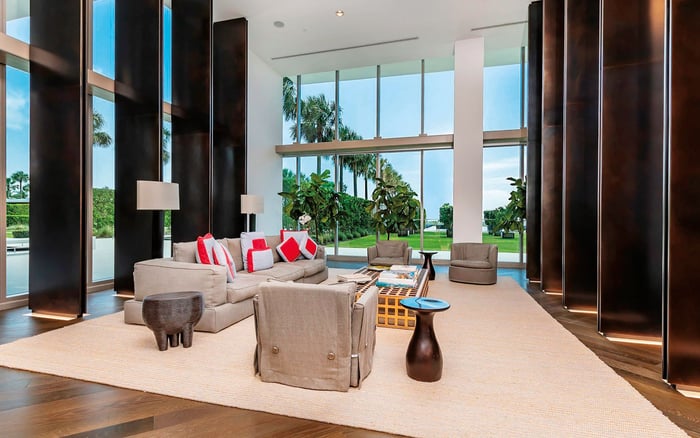
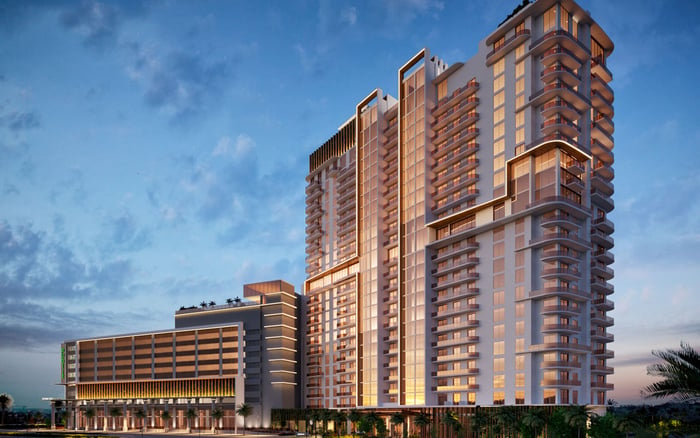
A discreet, buyer-oriented framework for evaluating residential security at Oceana Key Biscayne and Continuum Club & Residences North Bay Village, focusing on access control, staffing, privacy, and day-to-day resident experience.
Security in the ultra-premium condo market is less a single feature than a choreography of small frictions-designed to protect privacy without compromising ease. The difference between “feels secure” and “is secure” often lives in the unglamorous details: how visitors are verified, where deliveries are staged, which doors are truly resident-only, and how reliably policies hold when the building is at peak activity.
Through that lens, comparing Oceana Key Biscayne with Continuum Club & Residences North Bay Village is valuable because each setting naturally supports a different security posture. Key Biscayne’s atmosphere is shaped by an island mentality and a more contained residential rhythm; North Bay Village offers a waterfront, in-between locale that can feel more connected to the city’s daily pulse. Neither is “more secure” in the abstract. The real question is which protocol design aligns with your lifestyle, household patterns, and privacy expectations.
When operational details aren’t disclosed publicly in fine grain, buyers can still evaluate security using a repeatable framework. Focus on these four layers-and insist on walking them at the time of day you actually live.
1) Perimeter and arrival control
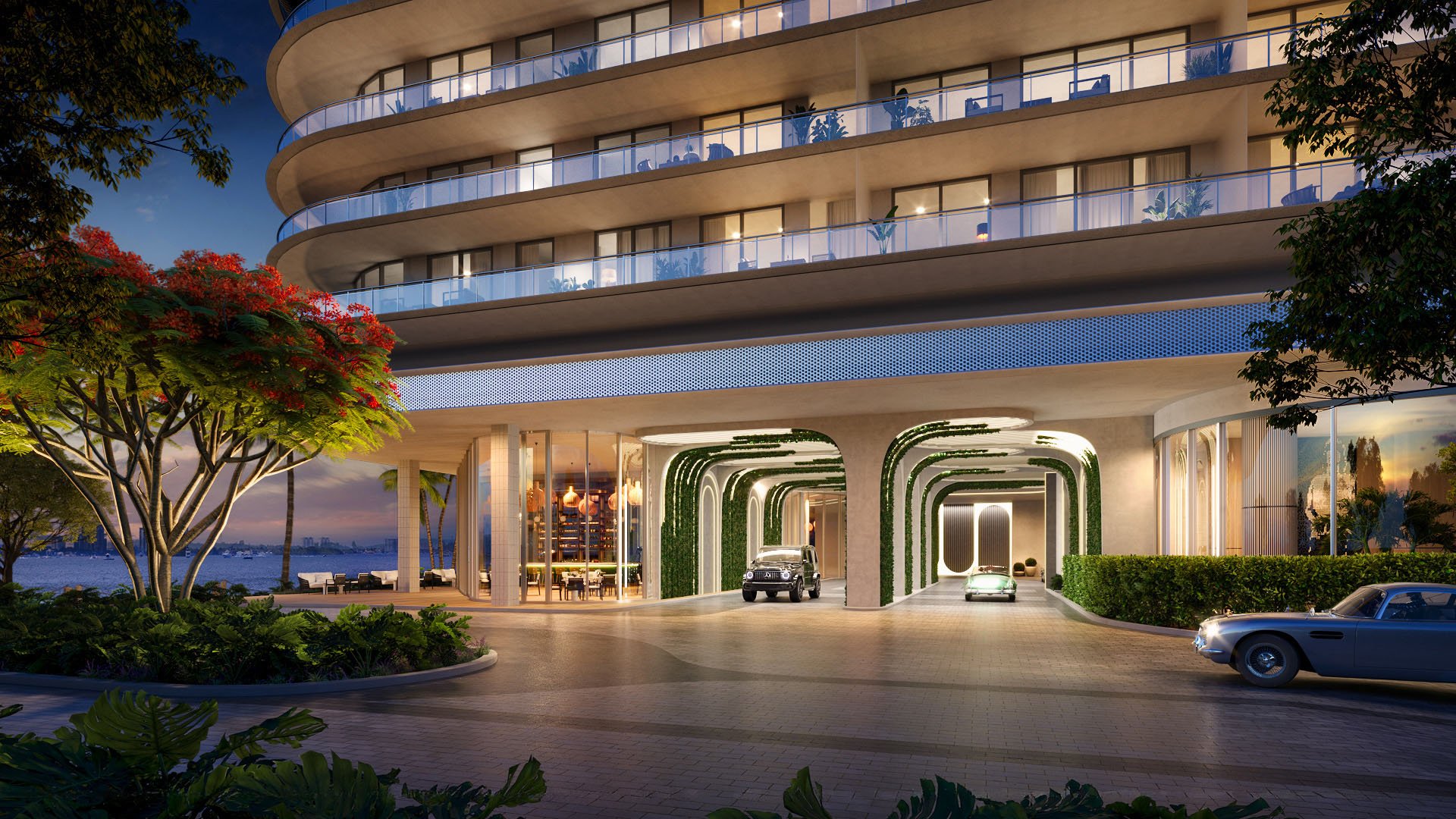
This includes vehicle entry, pedestrian approach, ride-share management, and how the property handles boats, service vehicles, and contractors. The objective is straightforward: reduce anonymous access points. The best-arranged arrivals feel calm because movement is clearly channeled.
2) Lobby and guest authentication
A true security lobby functions like a discreet checkpoint, not a hotel reception. Look for clear sightlines to entrances, defined responsibility boundaries between concierge and security, and a consistent method for verifying guests, resident staff, and vendors.
3) Vertical access and residential corridors
Elevator programming, key control, and corridor privacy determine whether your home reads as a private residence or a public venue. Ask how access is restricted to residential floors, how lost credentials are handled, and whether staff can override elevator calls.
4) Amenity, beach, and back-of-house boundaries
Amenities can be the soft underbelly of privacy. Evaluate pool decks, gyms, spa areas, resident storage, and package rooms. Ask where deliveries are staged, how food deliveries are screened, and whether certain amenities allow guest access without a resident present.
Key Biscayne buyers often value a specific kind of protection: an environment where daily life is naturally quieter and more predictable. The island setting can encourage a culture of recognition, where repeated patterns stand out and outliers are easier to notice.
For a building like Oceana, sophisticated security is often experienced as low-visibility control. Arrival should feel orderly, with a clear separation between resident traffic and third-party traffic. In practice, your questions should concentrate on policy enforcement and the day-to-day resident experience:
Visitor workflow: Is guest entry pre-registered, validated on arrival, or both? Does the property support time-bound access for house staff and contractors?
Residential discretion: Can guests or vendors ever reach a residential corridor without a resident-mediated checkpoint?
Beach and waterfront edges: If you use outdoor amenities regularly, ask how staff monitor access points that do not pass through the lobby.
The real litmus test is whether the building’s systems reflect how you live. If you entertain often, you want guest handling that is structured and elegant. If you travel frequently, you want protocols that keep your home and routine private while still allowing trusted staff to operate seamlessly.
North Bay Village living can appeal to buyers who want water views and proximity without the intensity of Miami Beach’s most public corridors. Even so, any more connected setting benefits from an explicit, well-run access philosophy.
With Continuum Club & Residences North Bay Village, the buyer conversation often centers on how the property intends to preserve resident privacy amid everyday movement-deliveries, vendors, and guest traffic included. Strong security here tends to be procedural: consistent credentialing, clear zoning of resident-only areas, and a back-of-house plan that keeps operational flow away from residential quiet.
Ask questions that reveal whether security is designed as a system, not a collection of devices:
Credentialing strategy: What credentials exist for residents, guests, and vendors, and how is access revoked?
Elevator and floor control: Is vertical access restricted by default, and is it difficult to “tailgate” into residential levels?
Amenity governance: Are there amenity zones that can become social hubs, and if so, how is resident access protected without feeling policed?
If you are evaluating North Bay Village more broadly, it can be helpful to contrast the security philosophy at neighboring luxury offerings, such as The Ritz-Carlton Residences® North Bay Village, to understand the area’s expected standard of staffing, arrival experience, and privacy boundaries.
Luxury security is as much about information as it is about entry. The most valuable questions don’t sound dramatic; they sound operational.
Guest and vendor management
Ask whether the property maintains a formal process for contractors, interior designers, movers, and recurring service providers. The most secure buildings treat vendors as a class of access-not an exception.
Delivery and package handling
Packages, food deliveries, and courier services can create frequent micro-breaches. You want a designated receiving route and staging space that keeps unknown couriers away from residential corridors.
Resident data privacy
Inquire how resident information is handled: guest logs, vehicle information, and any access credential data. A well-run operation limits who can see what-and for how long.
Incident response and escalation
You’re not asking for a dramatic “plan” so much as clarity: Who makes decisions after hours? How are emergencies coordinated? How quickly can a resident reach an empowered decision-maker?
Two buildings can offer comparable “security features” yet feel entirely different. The difference is friction.
Frictionless security feels like a private club: you move through arrivals because verification happens naturally and quietly.
Visible security feels like a checkpoint: you see the process, which can be reassuring, but can also become intrusive.
Oceana Key Biscayne’s buyer often prioritizes a calm, residential cadence that supports privacy by design. North Bay Village buyers may prioritize a well-managed operational flow that can accommodate a wider variety of daily movement while preserving a residential core.
If you are cross-shopping other South Florida enclaves, note how security and privacy shift with neighborhood dynamics. A building like Continuum on South Beach sits within a highly active destination environment, which can make disciplined arrival control and amenity zoning even more central to everyday privacy.
When you tour, avoid abstract questions like “Is it secure?” Instead, run a scenario.
Scenario A: You arrive with family and a driver.
Where does the car wait? Can a stranger enter behind you? Do staff acknowledge arrivals consistently?
Scenario B: Your housekeeper arrives twice a week.
Is there a time-window credential or a one-off guest pass? Is access limited to specific areas?
Scenario C: You host guests for dinner.
How do guests enter, and how is the elevator experience controlled so they do not wander?
Scenario D: Deliveries come while you are traveling.
Where do packages go, who can access them, and how are you notified?
The goal is not to catch a building out. The goal is to determine whether the operating model fits your life-without forcing you to compromise on privacy.
Choose Oceana Key Biscayne if your ideal security is defined by a contained residential rhythm, quiet arrivals, and an environment that naturally discourages casual pass-through traffic.
Choose Continuum Club & Residences North Bay Village if you prefer a waterfront address with a more connected feel, and you want security that is explicit, procedural, and designed to manage daily movement without blurring resident-only boundaries.
In both cases, the right choice is the one whose security culture matches your expectations. Systems can be upgraded. Culture is harder to change.
Is one of these buildings definitively “more secure”? Not categorically. Security outcomes depend on layered design, staffing consistency, and how policies match your routine.
What is the single most important layer to evaluate first? Arrival and guest authentication. If the perimeter and lobby are porous, everything else becomes compensatory.
Should I prioritize cameras or staffing? Staffing and enforcement typically matter more day to day; cameras help document, but people prevent.
How can I evaluate elevator privacy during a tour? Ask how floors are restricted by default and whether a guest can access residential corridors without you.
What delivery practice best protects resident privacy? A dedicated receiving workflow that keeps couriers out of residential corridors and limits package-room access.
How do I handle frequent guests without weakening security? Look for structured guest registration and time-bound access, rather than informal “let them up” habits.
Do amenities create meaningful security risk? They can. Amenities draw guests and vendors, so zoning and access control are essential to preserve privacy.
What should I ask about resident information and logs? Ask who can view guest logs and resident data, how long it is retained, and how access is audited.
Is visible security better for peace of mind? Sometimes. The best outcome is controlled, consistent protocols that feel discreet, not performative.
What is a good next step before making an offer? Request a written summary of guest, vendor, delivery, and emergency procedures, then compare against your needs.
For a tailored shortlist and next-step guidance, connect with MILLION Luxury.
If branded residences are on your mind — as a home or as an allocation — we would be glad to share what we are seeing, privately.
Begin a quiet conversation