Miami Tropic Residences: How to Evaluate Family-Office Reporting for Privacy, Service, and Resale
A practical family-office framework for evaluating Miami Tropic Residences through the lens of reporting, privacy governance, service documentation, and resale readiness.

How to Evaluate Cybersecure Package Rooms for Security, Convenience, and Resale
A buyer-focused guide to evaluating cybersecure package rooms in luxury South Florida residences, from access control and privacy to convenience, operations, and resale relevance.
The Bal Harbour Ownership Test for Buyers Who Want a Primary Miami Base without Resort Traffic
A discreet ownership guide for buyers evaluating Bal Harbour as a primary Miami base, with emphasis on privacy, livability, access, building culture, and long-term discipline.

When to Treat Private Club Overlap as a Resale Advantage in South Florida
Private club overlap can strengthen resale positioning when it expands a buyer’s social, recreational, and lifestyle optionality without making a home feel dependent on one institution.
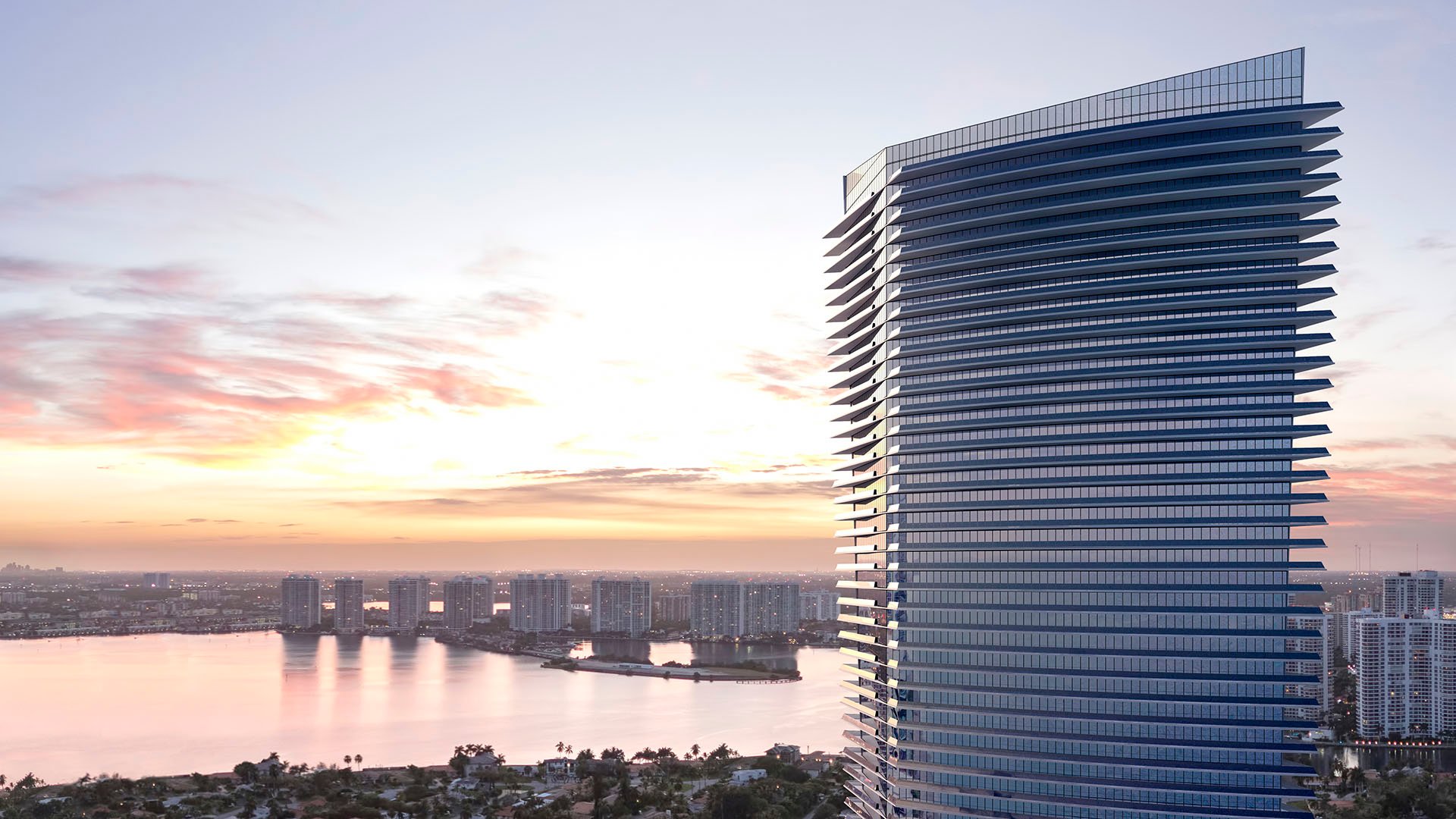
Armani Casa Sunny Isles Beach and Faena House Miami Beach: What Full-Time Owners Should Know About Neighborhood Momentum, Resale Liquidity, and Daily Calm
A discreet buyer’s comparison of Armani Casa in Sunny Isles Beach and Faena House in Miami Beach, focused on how each building’s neighborhood rhythm, resale profile, and day-to-day calm may influence full-time ownership.
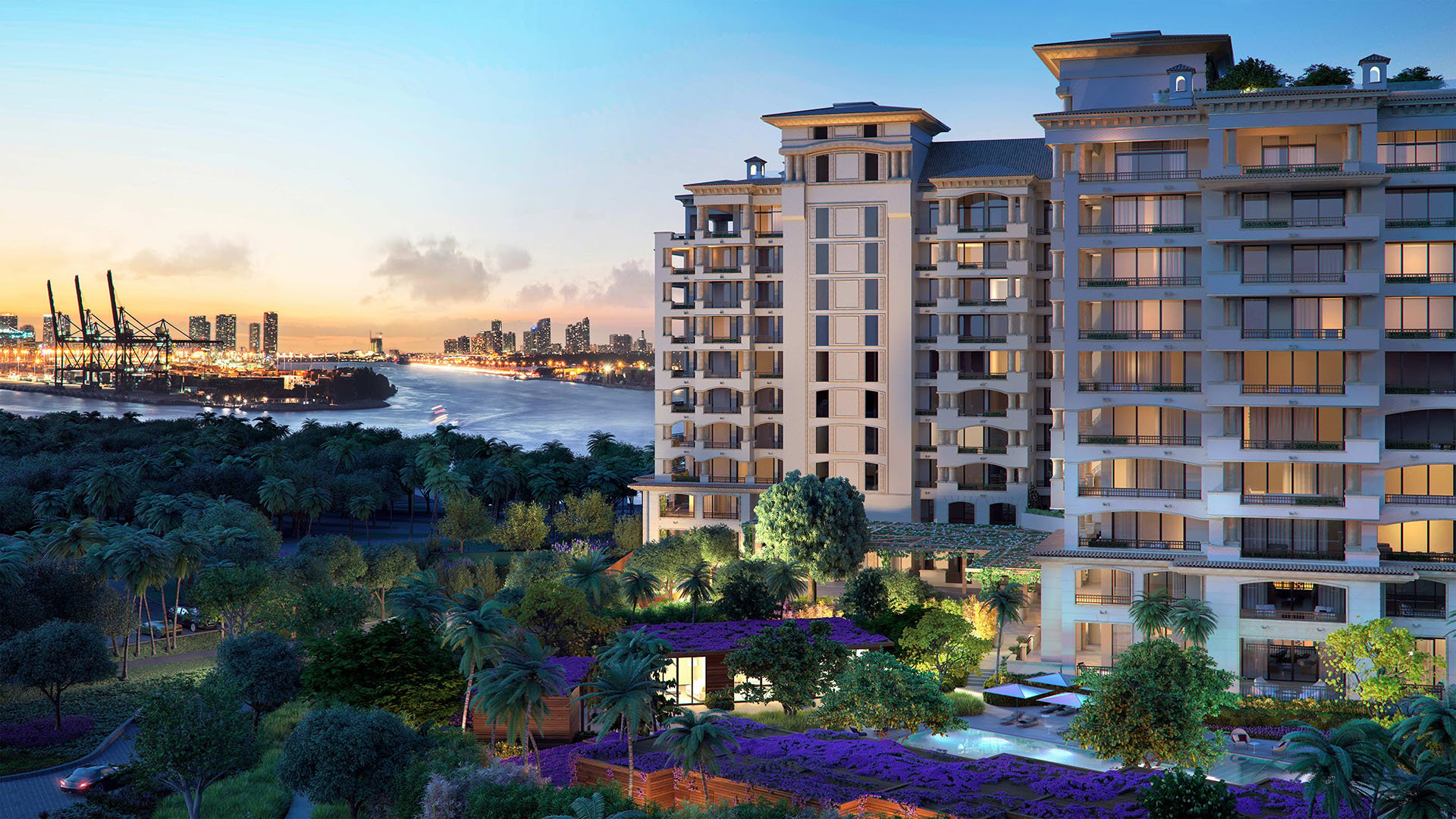
Palazzo della Luna: The Quiet Luxury Case for Resale Liquidity
A buyer-focused analysis of Palazzo della Luna on Fisher Island, exploring how privacy, scarcity, restrained design, and discreet amenities may support resale liquidity in South Florida’s ultra-prime condominium market.