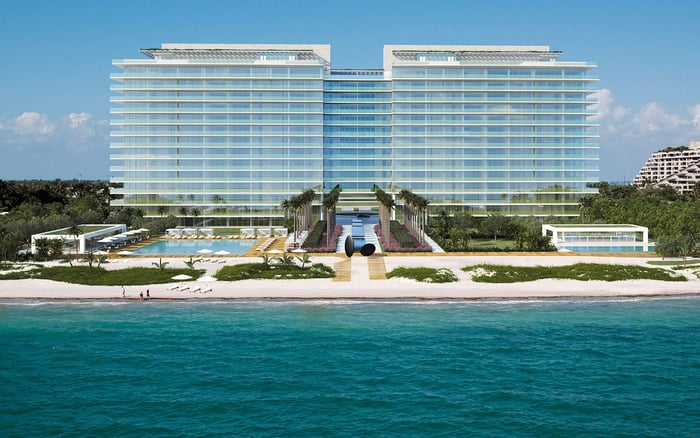
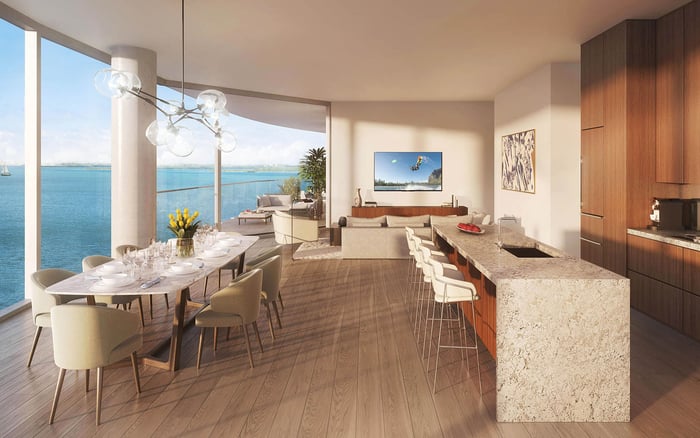
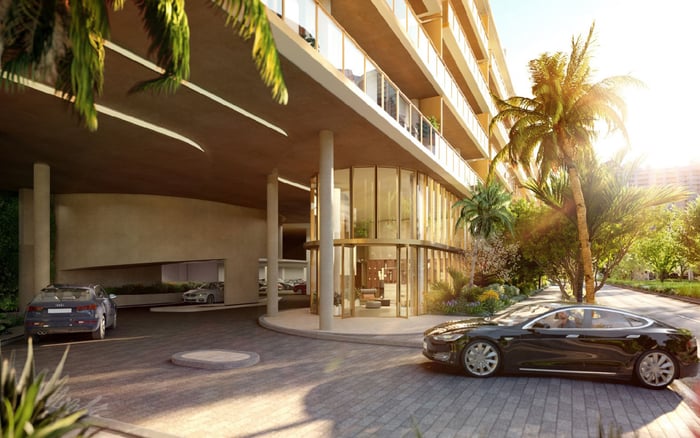
A branded residence can age beautifully when its value rests on architecture, service, material quality, and regional fit rather than logo-driven spectacle. For South Florida buyers, the clearest test is to separate permanent fundamentals like floor plan, light, privacy, and climate response from changeable theater such as trend-heavy décor, celebrity programming, and branded accessories.
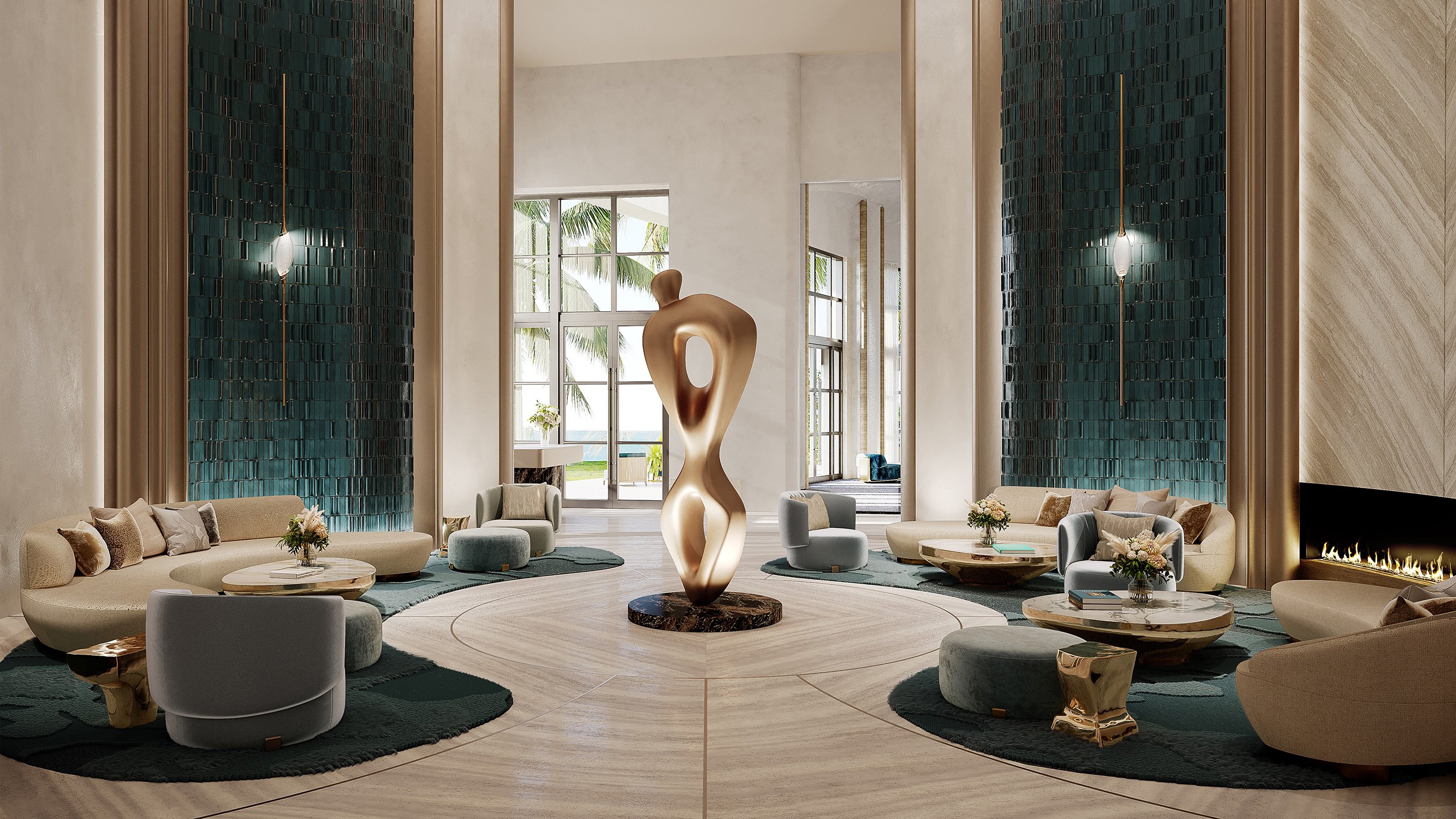
Branded residences occupy a rarefied corner of the market, combining private ownership with hotel-style service, amenities, and a recognizable identity. That mix can be genuinely compelling, but it can also blur the line between lasting value and expensive theater. Because a premium is often built into the purchase price, the discerning buyer has to determine whether that premium is tied to enduring quality or simply the emotional pull of a name.
The most useful first test is elegantly simple: if the signage disappeared tomorrow, would the building still feel exceptional? If the answer rests on architecture, setting, floor plans, views, and service, the residence has a strong chance of aging well. If the answer depends mostly on a celebrity association, a branded scent in the lobby, or a highly styled sales gallery, the next ten years may be less forgiving.
In South Florida, that distinction matters even more because the region rewards projects that handle light, humidity, privacy, and indoor-outdoor living intelligently. A building that responds gracefully to its setting is more likely to remain relevant long after the launch campaign has faded.
The test of timelessness begins with understanding what cannot easily be changed. Ceiling height, structural bay spacing, room proportions, window placement, water or skyline views, circulation, and privacy are durable assets. They shape daily life, and they retain value even as design fashions move on.
By contrast, many of the most theatrical elements in a branded residence are surprisingly temporary. Lobby styling can be redone. Restaurant concepts come and go. A wellness program may be refreshed, renamed, or replaced. Even the visual language of a brand can evolve faster than the building itself. Buyers should be cautious when the sales pitch leans more on immediate visual drama than on the lasting comfort of living there.
This is why understated projects often age better than louder ones. A residence such as The Residences at Mandarin Oriental, Miami is compelling not because it carries a prestigious name alone, but because this category is strongest when hospitality is expressed through service discipline and livability. The same logic applies in Brickell at St. Regis® Residences Brickell, where the long-term question is not whether the branding is recognizable, but whether the planning and operational standard will still feel elevated years from now.
Some brands are better positioned for longevity because their value is operational as much as aesthetic. Buyers often assume the logo itself is the guarantee. In reality, the more durable proposition is management expertise: staffing standards, service culture, maintenance discipline, and the ability to keep common areas and resident experiences consistent over time.
A residence tied to a brand with deep experience in hospitality and residential management is less vulnerable to what many buyers quietly fear: brand drift. That is the gradual gap that can open between launch imagery and lived reality. When the operator is credible, residents are more likely to receive the level of service they were promised after the first burst of excitement has passed.
This is also where ownership costs deserve close attention. A building cannot feel premium in year ten if reserves are strained, assessments become disruptive, or maintenance standards slip. True luxury is sustained through operations, not merely unveiled through marketing.
If you want to know how a branded residence will look in ten years, study the materials with almost obsessive calm. Natural stone, well-finished wood, refined metal detailing, and durable millwork usually mature with dignity. They develop character. They can also support subtle updates without requiring a full identity reset.
Highly specific trend colors, novelty finishes, logo-heavy motifs, and aggressively themed interiors are riskier. They create immediate impact, but often at the expense of flexibility. The more a residence is locked into a single design statement, the harder it becomes for an owner or future buyer to refresh it gracefully.
That is one reason quieter design tends to enjoy broader resale appeal. Buyers at the top of the market often want spaces that feel move-in ready but not overly personalized. In Miami Beach and Surfside, projects such as The Perigon Miami Beach and The Surf Club Four Seasons Surfside fit naturally into this conversation because the enduring standard is not decorative excess. It is whether the residence delivers proportion, light, privacy, and a material palette that can remain elegant through changing tastes.
A branded residence can look polished in a brochure yet still feel out of place in this market. South Florida has its own architectural demands and emotional logic. Buyers here respond to flow, terraces, shade, water views, breezes, and a sense that indoors and outdoors are in active dialogue.
Projects that embrace climate and local lifestyle are more likely to remain desirable than those that import an aesthetic with little connection to place. Overly theatrical branding can feel especially fragile when it seems disconnected from the way people actually live here.
In Coconut Grove, for example, Four Seasons Residences Coconut Grove belongs in a broader discussion of long-term relevance because neighborhood context matters. In a mature, leafy, waterfront-adjacent setting, timelessness is usually reinforced by scale, discretion, and an indoor-outdoor sensibility rather than visual bravado.
Amenities are often where the difference between timeless and theatrical becomes most visible. A well-run concierge platform, excellent wellness facilities, thoughtful resident services, and strong maintenance protocols can remain valuable for years. They improve daily life in practical, repeatable ways.
Other amenities are more vulnerable to trend fatigue. A celebrity-chef concept may be replaced. A heavily marketed social club may lose its initial cachet. A branded experience can feel thrilling at launch and generic later if it is not supported by genuine operational substance.
Buyers should ask a quietly hard question: which amenities would still matter if the marketing language disappeared? The answer usually reveals whether the project is built around enduring habits or launch-season excitement.
When evaluating a branded residence, use a disciplined hierarchy.
First, assess location, privacy, and planning. These are the deepest sources of resilience.
Second, evaluate the operator. Service credibility is often more important than decorative identity.
Third, inspect the material palette and level of finish. Quality usually announces itself softly.
Fourth, consider adaptability. Can the residence be refreshed gracefully, or is it trapped inside one era’s visual language?
Fifth, study the finances and stewardship. Buildings that remain well funded and well maintained preserve their aura far better than buildings that overpromised at launch.
Finally, observe the tone of the marketing itself. If the narrative leans more on celebrity, theatrics, or fashionable excess than on architecture, management, and livability, that is often a warning. The most enduring branded residences do not need to shout. They still feel luxurious when the room is quiet.
What is the clearest sign a branded residence will age well? It should remain desirable even without the logo, relying on architecture, layout, views, privacy, and service quality.
Why do some branded residences feel dated faster than others? Projects centered on spectacle, theme, or trend-heavy interiors often lose force once tastes and cultural references change.
Are hospitality brands usually a safer long-term bet? Often yes, because their strength can come from operational consistency and service standards, not only visual identity.
Do luxury buyers still prioritize fundamentals over branding? Yes. Location, privacy, livability, maintenance, and resale appeal remain the foundation of lasting value.
What interior choices tend to feel timeless? Strong proportion, natural materials, restrained detailing, and adaptable palettes usually hold up best.
Can a dramatic design still be timeless? Yes, if the drama comes from architecture, scale, and setting rather than superficial branded décor.
Why does regional fit matter in South Florida? Buildings that respond to light, climate, terraces, and indoor-outdoor living tend to age more gracefully in this market.
Should amenities influence my decision heavily? Yes, but only if they are durable and operationally credible rather than dependent on short-lived concepts.
How important are HOA reserves and building finances? Extremely important. A residence cannot sustain a premium feel if maintenance or capital planning weakens over time.
What is the best final test before buying? Imagine the residence ten years from now with the branding muted, the launch excitement gone, and only the lived experience remaining.
When you're ready to tour or underwrite the options, connect with MILLION.
If branded residences are on your mind — as a home or as an allocation — we would be glad to share what we are seeing, privately.
Begin a quiet conversation