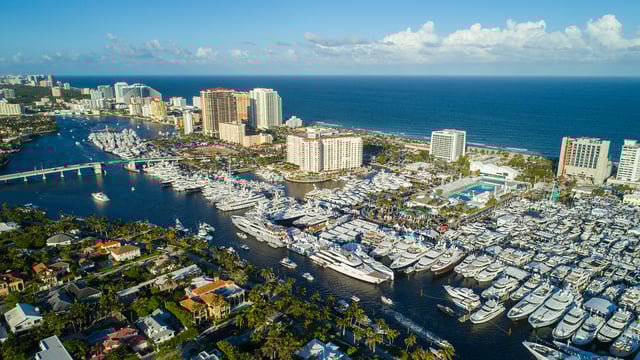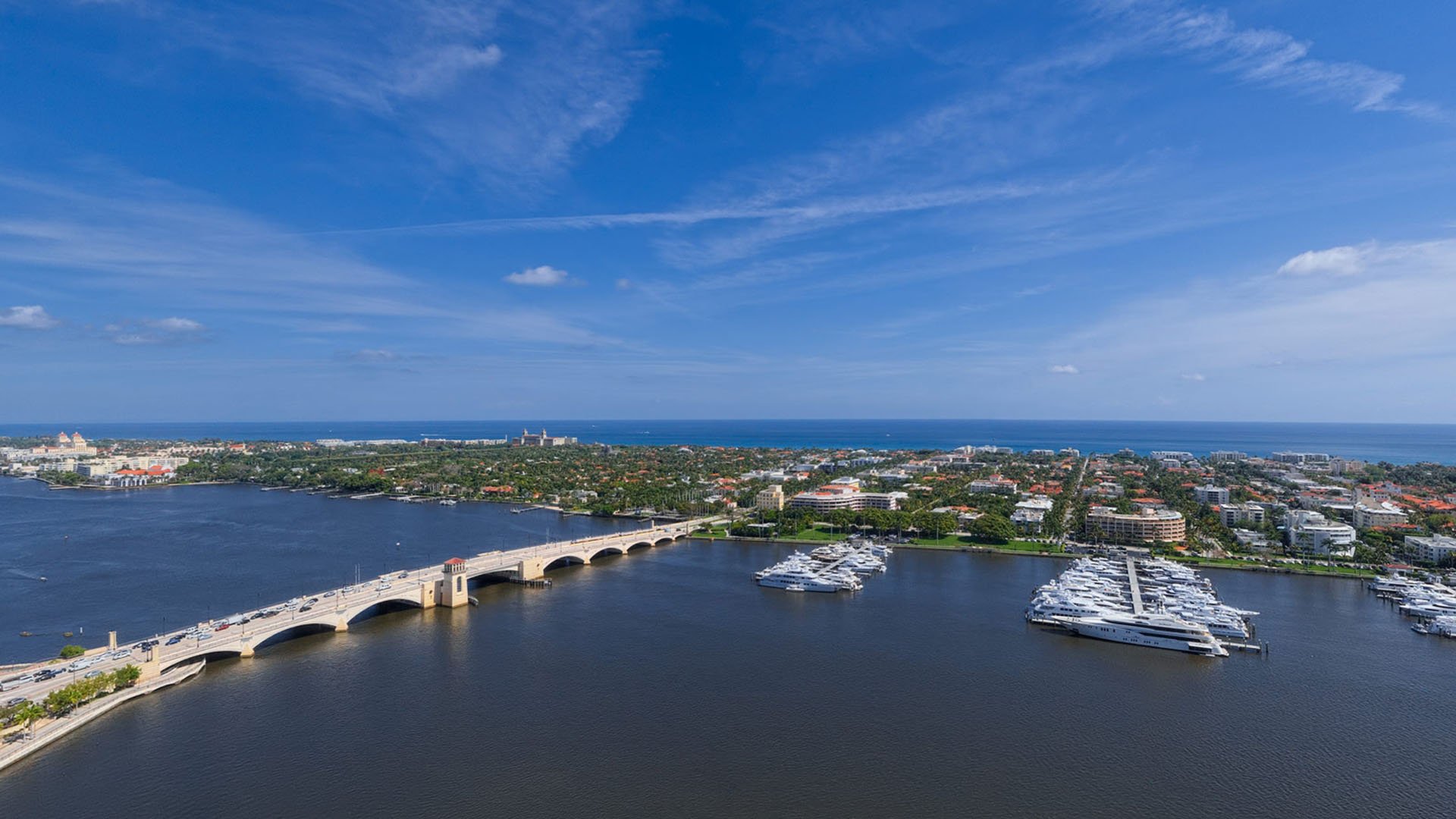
Tax-Smart Condo Selection: Exploring HOA Reserve Structures at The Bristol Hallandale Beach and 321 Ocean Drive
A buyer-focused guide to evaluating HOA reserve structures, monthly dues, assessment exposure, and tax-adjacent considerations when comparing The Bristol Hallandale Beach and 321 Ocean Drive.

The Ritz-Carlton Residences® Miami Beach and The Perigon Miami Beach: Branded Service, Fees, and Buyer Value
A discreet buyer’s framework for comparing The Ritz-Carlton Residences® Miami Beach and The Perigon Miami Beach through service expectations, fee discipline, and long-term value.
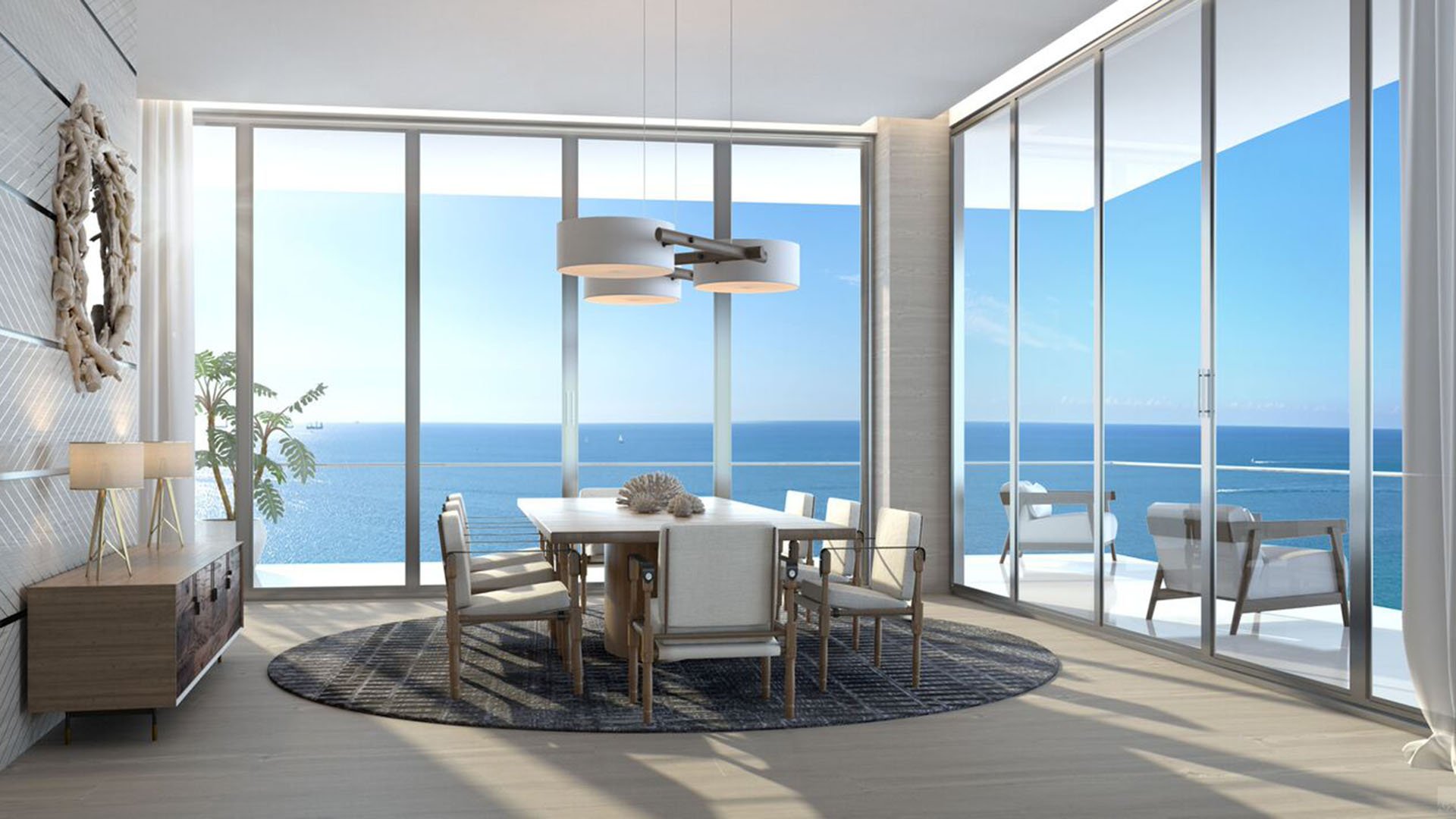
Family Room Sound Absorption: 321 Ocean Drive and 1 Waterplace Fort Lauderdale Materials
A buyer-focused editorial guide to evaluating family-room sound absorption through materials, layout, furnishings, and finish selections when comparing 321 Ocean Drive and 1 Waterplace Fort Lauderdale.

Family Room Acoustics: 321 Ocean Drive vs 1 Waterplace Fort Lauderdale Soundproofing
A buyer-focused guide to evaluating family-room acoustics, privacy, and soundproofing due diligence when comparing 321 Ocean Drive with 1 Waterplace Fort Lauderdale.
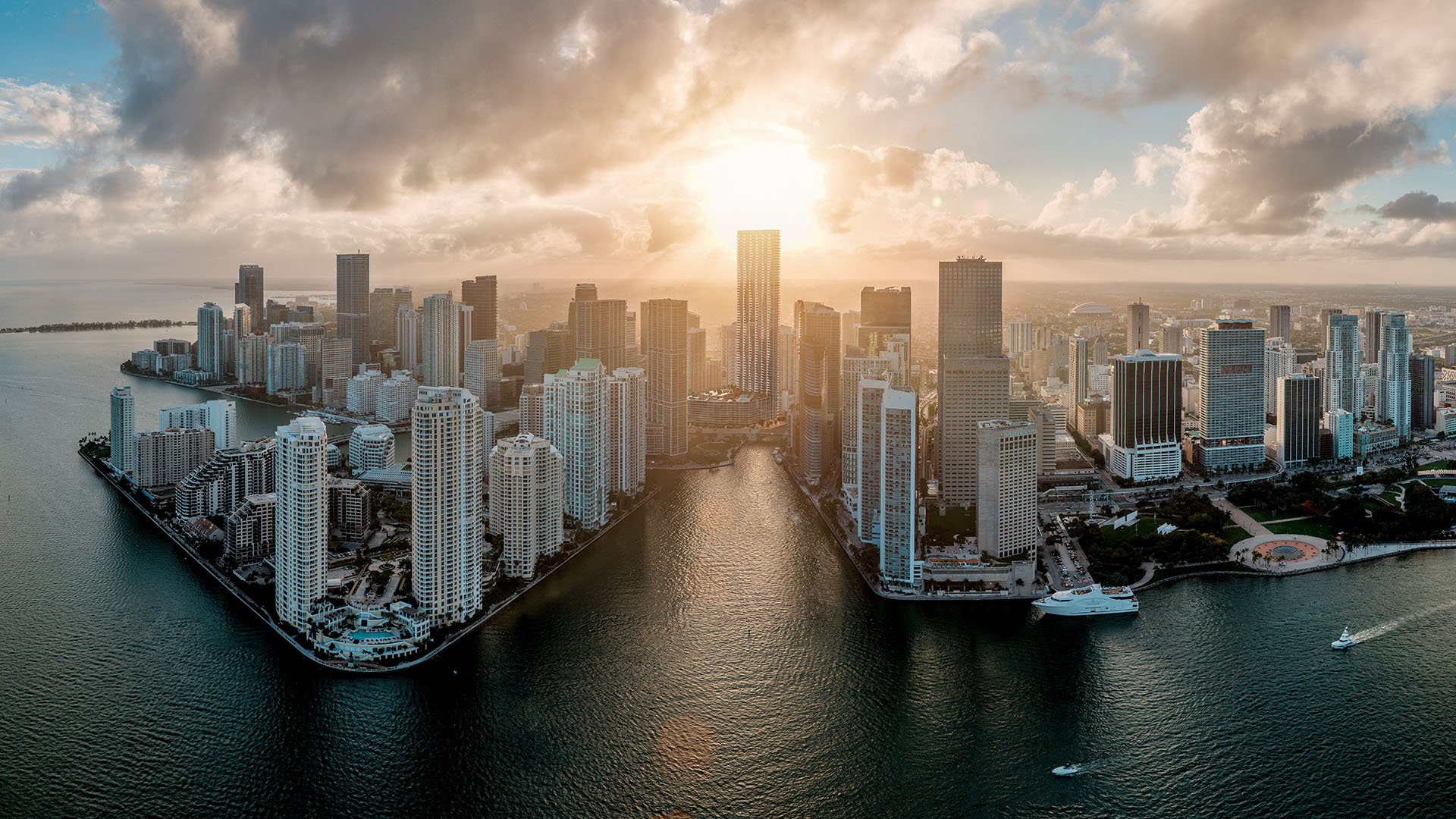
How to Compare District Construction Across New Construction and Resale Condos
A buyer-focused guide to reading district construction, building age, amenity depth, resale dynamics, and long-term value across South Florida luxury condo markets.
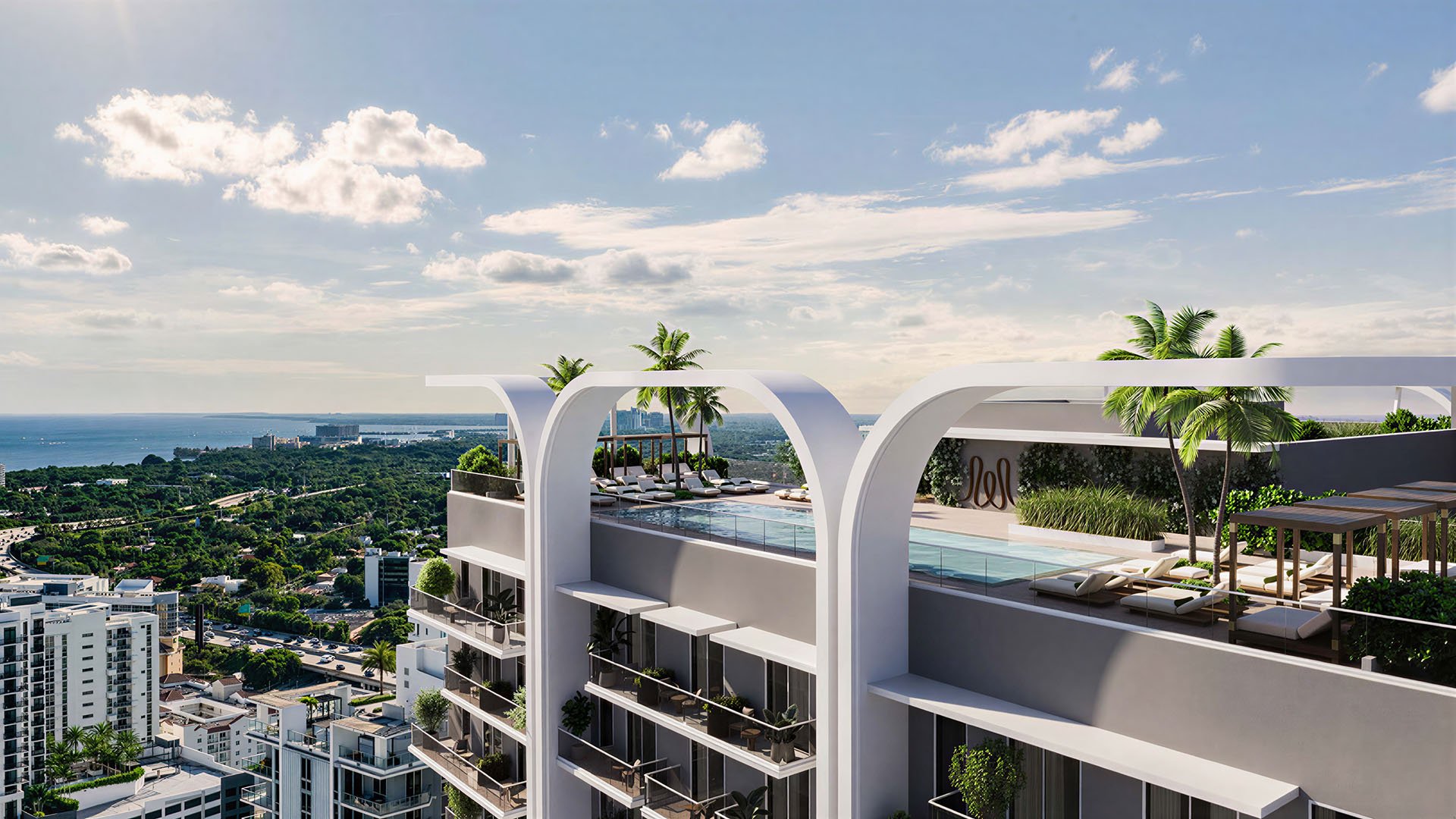
What Association Documents Reveal About Balcony Shade
A discreet buyer’s guide to reading condominium association documents for balcony shade rights, restrictions, aesthetics, approvals, maintenance, and resale implications in South Florida.