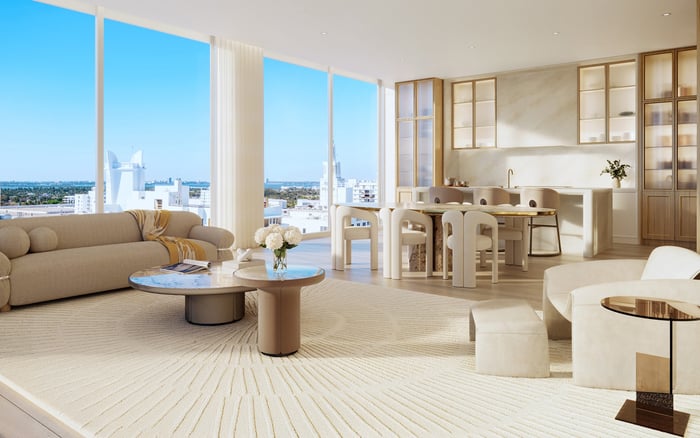
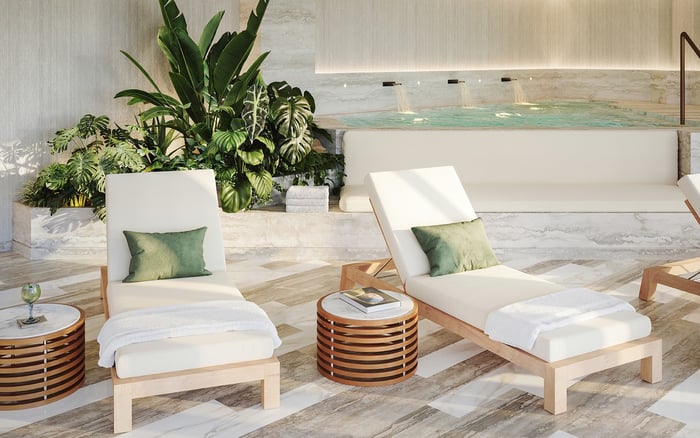
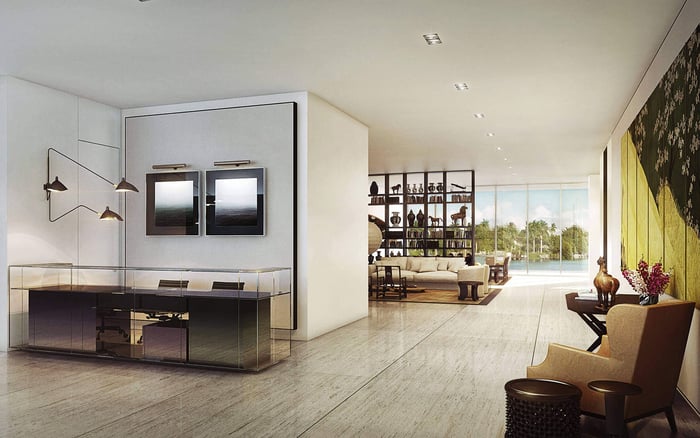
A discreet guide to the privacy-first priorities shaping Miami Beach luxury real estate decisions, from secure arrival sequences to guest protocols and residence design.
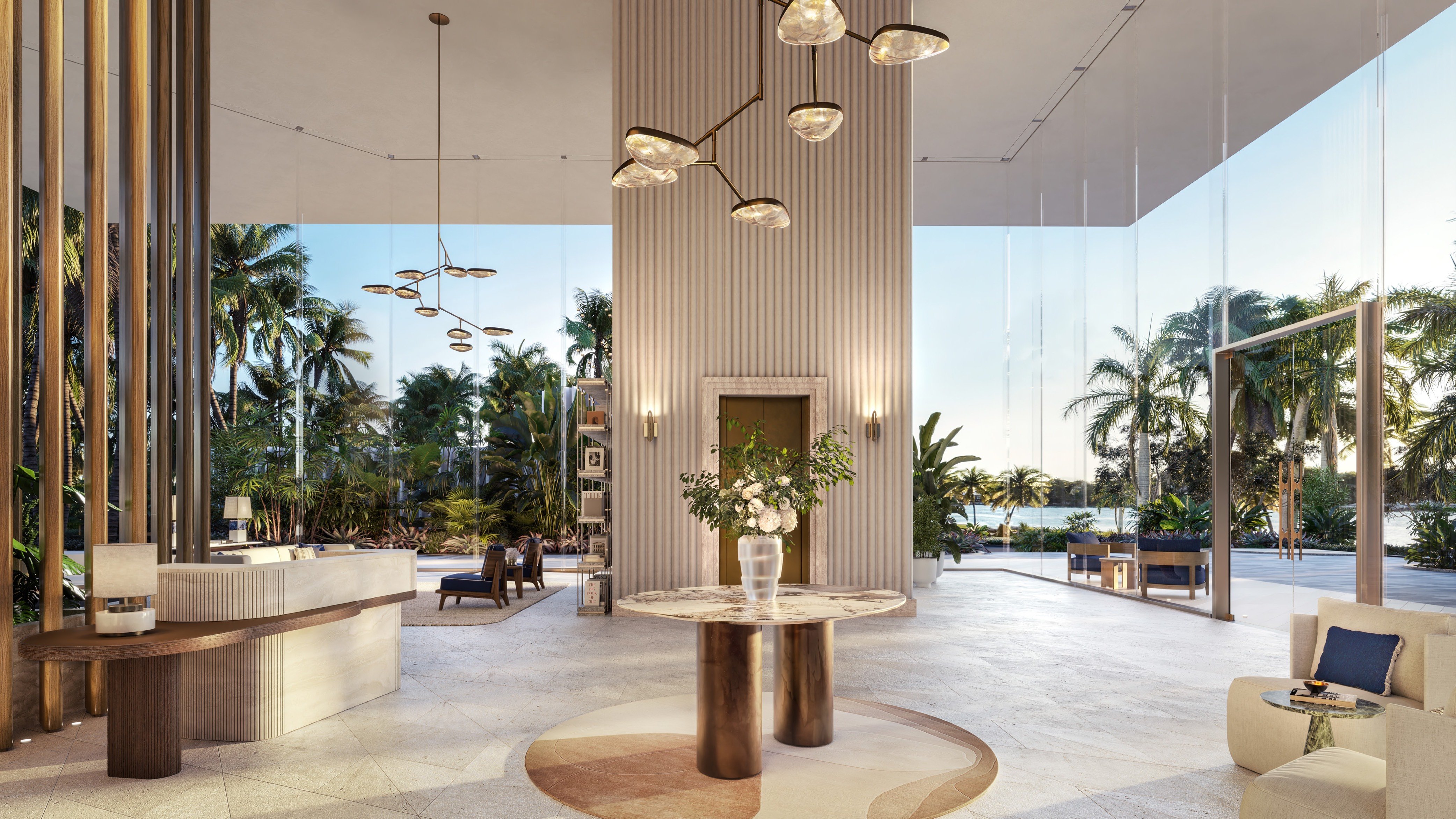
In Miami Beach, the most serious buyers are no longer judging luxury by square footage, finishes, views, or brand cachet alone. Those elements still matter, but they now sit behind a more personal hierarchy: security, discretion, and the choreography of private arrival. For a certain buyer, the question is not simply where the residence is located. It is how one enters, who notices, who has access, and how seamlessly daily life can remain private.
This is not a retreat from glamour. It is a refinement of it. The new Miami Beach ideal is not necessarily louder, taller, or more visible. It is composed. It allows owners to host, travel, work, and return home without making every movement feel public. Within a Miami Beach search, the most discerning briefs often narrow to a few questions that can define the entire purchase: Can I arrive quietly? Can my family and guests move securely? Can the building protect privacy without feeling institutional?
Private arrival begins before the elevator, before the lobby, and before the front door. It starts with curb management, garage access, valet discretion, service circulation, and the transition from public street to controlled interior environment. For buyers who value anonymity, this sequence is as meaningful as the primary suite.
A beautiful lobby can impress guests, but a thoughtful arrival can protect an owner’s rhythm. The difference is subtle. A building may feel elegant, yet still expose residents to unnecessary visibility. Another may be quieter, with arrival patterns that separate residents, visitors, vendors, and service teams. The best version does not feel defensive. It feels fluid.
This is why buyers touring projects such as Shore Club Private Collections Miami Beach often frame their questions around experience rather than spectacle. They want to understand the path from car to residence, the staffing culture, the guest process, and the degree of control available when privacy matters most.
High-end security in Miami Beach is most effective when it is present without becoming theatrical. The objective is not to create a fortress mood. It is to reduce friction while maintaining a clear hierarchy of access. Buyers are looking for buildings where staff know how to be attentive without being intrusive, where residents are recognized without being announced, and where guests are managed with tact.
The strongest privacy plans tend to work in layers. There is the visible layer, including staffed entry points and controlled building access. There is the operational layer, including guest registration, package handling, vendor coordination, and residence-level permissions. Then there is the cultural layer, which is harder to evaluate but often decisive. Does the building understand discretion as a service standard, or merely as a feature?
For buyers comparing luxury addresses, this distinction can matter as much as design. A residence can be architecturally compelling, yet still fall short if its day-to-day operations do not match the owner’s expectations. In the upper tier, privacy is not a line item. It is a discipline.
Discretion is not only about who can enter a building. It is also about how information moves. Owners with public lives, complex family offices, executive roles, or international routines often prefer properties where communication is measured and documentation is handled carefully. They want a team that understands when to speak, when to verify, and when to remain silent.
That expectation may influence everything from showing appointments to closing coordination. Buyers may prefer private tours, limited entourage, and carefully timed visits. They may want advisors to evaluate governance, staffing, service entrances, guest policies, and how the building manages deliveries or household teams. A polished amenity deck is appealing, but an unpolished privacy protocol can be a dealbreaker.
In South of Fifth and nearby enclaves, the discreet buyer often weighs visibility against convenience. Sofi remains a word associated with prestige and access, but the deeper question is how exposed a residence feels once the owner is living there. The right address should make privacy feel natural, not negotiated.
Some buyers are drawn to smaller residential environments because they may feel more personal and controlled. Boutique scale can allow for a different relationship between residents and staff, as well as a quieter rhythm in common areas. That does not automatically make a building more private, but it can support a lifestyle where recognition, routine, and discretion are easier to maintain.
A buyer considering The Perigon Miami Beach, for example, may be less interested in a generic amenity checklist than in how the residence fits a private coastal life. The conversation becomes less about display and more about cadence: arrival, elevator experience, residence orientation, service flow, and how the building feels on an ordinary weekday.
This is where private real estate counsel becomes valuable. The most important questions are not always visible in renderings or marketing language. They emerge during a careful walk-through, a review of building procedures, and an honest discussion of how the owner actually lives.
For the most discerning Miami Beach buyer, control is not about complication. It is about reducing unwanted exposure. A strong residence gives owners options: a graceful way to receive guests, a separate way to manage service, a quiet way to return from travel, and a secure way for family members to move through the property.
At The Ritz-Carlton Residences® Miami Beach, as with any ultra-premium branded residential consideration, buyers will naturally look beyond the name and into the lived experience. How does the building feel at arrival? How are residents recognized? How does hospitality translate into privacy? In this segment, service is only truly luxurious when it protects calm.
Private arrival also affects resale logic, even when buyers are purchasing primarily for lifestyle. Residences that solve privacy elegantly can stand apart because they address a need that is emotional, practical, and enduring. Ocean views are coveted. Design is persuasive. But the feeling of being able to come and go without unnecessary attention can be irreplaceable.
A serious tour should be paced differently. Buyers should arrive as they would in real life, not only through the most photogenic entrance. They should observe whether staff movement is calm, whether the garage or valet sequence feels exposed, whether guests would feel guided, and whether service access is intuitive. The small moments often reveal the most.
The same lens applies when considering Five Park Miami Beach or other high-profile coastal residences. A buyer may admire architecture, views, and amenities, but the decisive question remains personal: would this building make life easier to live privately?
For many ultra-premium buyers, the answer depends on alignment. The building, staff, ownership structure, residence layout, and neighborhood context all need to support the same promise. Security should not interrupt elegance. Discretion should not feel cold. Private arrival should feel less like a feature and more like the natural beginning of home.
Why is private arrival so important for Miami Beach buyers? It helps residents move between public and private life with less exposure, especially when family, guests, drivers, or staff are part of daily routines.
Does stronger security mean a building will feel less luxurious? Not when it is handled well. The best security is layered, calm, and integrated into hospitality rather than presented as a visible barrier.
What should buyers ask during a private showing? Ask how residents arrive, how guests are verified, how vendors are managed, and how service access is separated from residential circulation.
Is a boutique building always more discreet? Not always. Boutique scale can help, but true discretion depends on staffing standards, access control, resident culture, and operational discipline.
How does South of Fifth fit into a privacy-focused search? South of Fifth can appeal to buyers who want prestige and convenience, but each building still needs to be evaluated for exposure and access.
Should privacy be reviewed before or after selecting a residence? It should be reviewed early. If arrival, access, or service protocols do not fit the owner’s life, finishes and views may not compensate.
Can a residence be both social and discreet? Yes. The ideal property allows an owner to host beautifully while still controlling guest movement, staff coordination, and personal visibility.
What role does staff culture play in privacy? Staff culture is central. Discretion depends on judgment, consistency, and the ability to deliver service without unnecessary conversation or exposure.
Are branded residences better for privacy? A brand can signal service expectations, but buyers still need to examine the actual arrival sequence, access points, and daily operations.
What is the simplest test of a privacy-first property? Imagine returning home on an ordinary evening and ask whether the building would make that moment feel calm, controlled, and unobserved.
When you're ready to tour or underwrite the options, connect with MILLION.
If branded residences are on your mind — as a home or as an allocation — we would be glad to share what we are seeing, privately.
Begin a quiet conversation