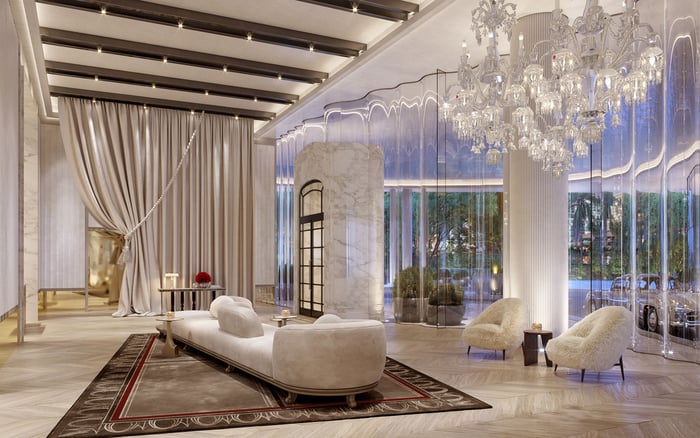
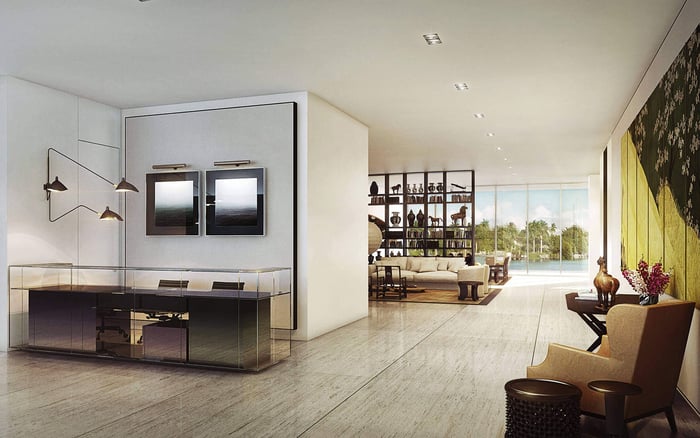
A rooftop amenity deck can be a genuine extension of daily living or a beautifully photographed space residents rarely visit. In South Florida, the difference usually comes down to climate comfort, access, programming, maintenance, and whether the roof offers something the rest of the building cannot.
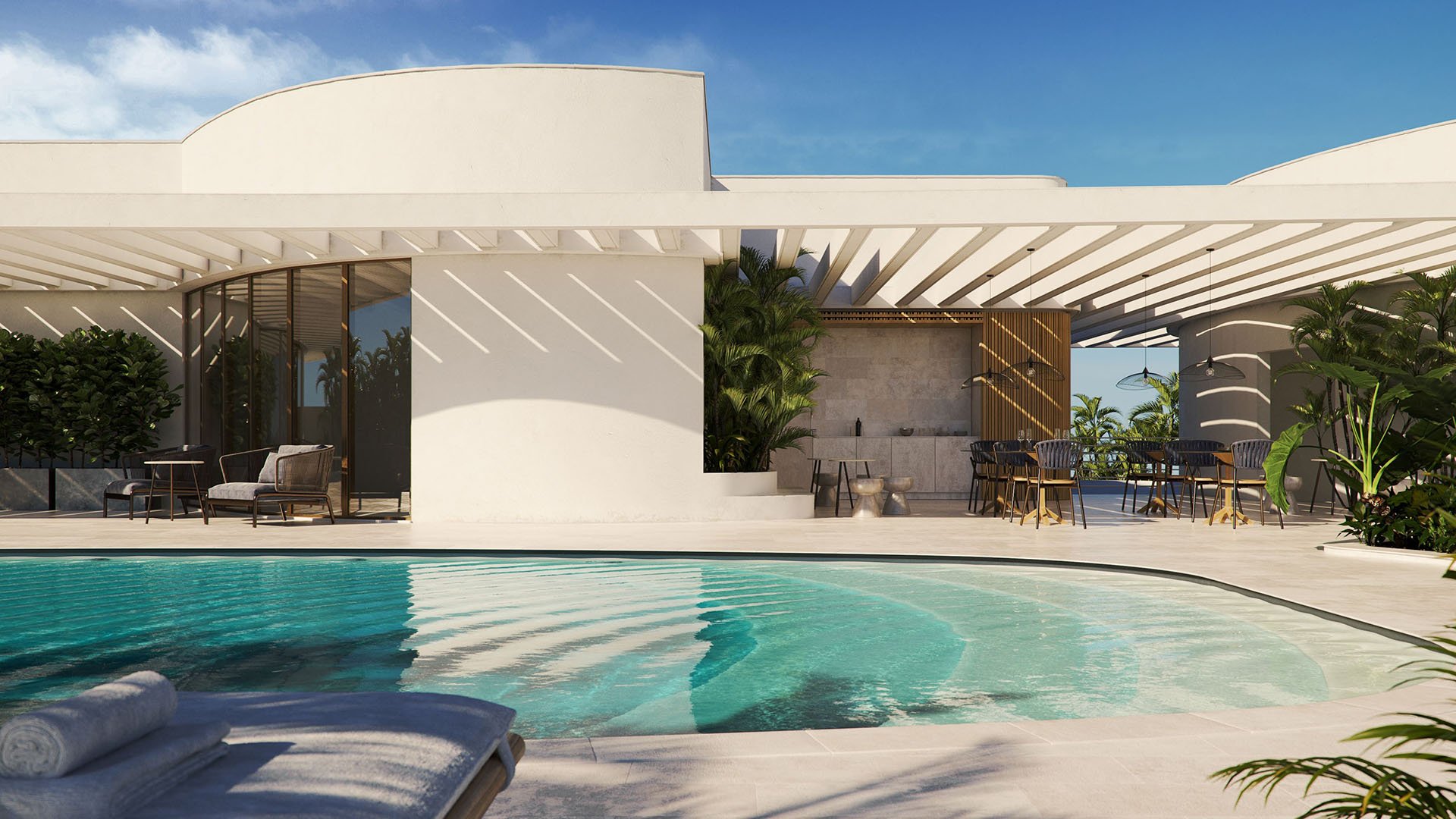
In South Florida, a rooftop deck is judged less by aerial glamour than by comfort at 2 p.m. in August. Heat, humidity, glare, and sudden rain quickly separate a true lifestyle amenity from a decorative one. If the roof lacks meaningful shade, cooling strategies, and protection from changing weather, residents may admire it on a tour yet use it only during narrow seasonal windows.
That is why the first test is practical: where can you actually sit without overheating, squinting, or being driven indoors after twenty minutes? A strong deck offers covered seating, trees or layered planting where possible, breezier edges balanced by protected zones, and surfaces that do not feel punishing under full sun. Water features can shift perception as well. A pool, plunge element, or even a modest splash-oriented feature makes a rooftop feel intentional rather than like spare square footage exposed to the sky.
For buyers considering projects such as The Residences at 1428 Brickell or Villa Miami, the right question is not whether the amenity deck looks impressive in twilight photography. It is whether the space remains inviting across the hotter, wetter parts of the year, when routine use is either proven or quietly abandoned.
A rooftop becomes part of daily life when it is easy to reach without planning around it. If residents must take one elevator, cross a controlled vestibule, change levels, and then find a hidden entrance, the roof becomes an occasion rather than a habit. Spaces used regularly tend to sit naturally within circulation patterns, with intuitive wayfinding and a sense that dropping in is effortless.
This matters more than many buyers expect. A beautifully appointed deck can still sit mostly empty if it feels psychologically distant from the lobby, fitness center, or residential floors. By contrast, a roof that connects seamlessly to the building’s normal flow often attracts short, frequent visits: morning coffee, a quick reset between calls, an evening drink, ten quiet minutes at sunset.
When touring, notice whether staff or sales teams must carefully explain the route. If they do, future residents may forget it too. In areas where daily convenience is prized, including Brickell and Edgewater, this distinction can shape actual usage more than furniture style or pool size.
Large open terraces sound luxurious, but the decks that earn repeat use usually offer distinct zones with distinct reasons to visit. Dining, lounging, fitness, work-friendly seating, play, pet-oriented corners, and water elements broaden the user base and create varied rhythms throughout the week. One resident may use the roof for sunrise stretching, another for remote work at midday, another for family time at dusk.
A single oversized terrace with scattered chairs can feel elegant on opening day and ambiguous by month six. People are more likely to return to spaces that clearly support specific behaviors. Flexible layouts are especially valuable because they allow the roof to shift between everyday life and larger gatherings. Movable furniture, adaptable seating clusters, and multiuse zones make the deck resilient rather than overdesigned for one narrow social scenario.
This is especially relevant in mixed-profile buildings where full-time owners, seasonal residents, remote workers, families, and pet owners all share the same amenity ecosystem. A roof that serves only occasional adult entertaining is less likely to become indispensable than one that accommodates multiple routines. In Coconut Grove and Miami Beach, buyers looking at developments such as The Well Coconut Grove or The Perigon Miami Beach should ask whether the programming reflects the building’s likely resident mix, not simply its branding.
Every rooftop competes with other shared spaces in the building. If the lower pool deck is quieter, more shaded, and easier to reach, the roof may become the secondary choice no matter how refined its finishes. The most successful rooftops offer something unmistakably unique: panoramic water views, sunset exposure, skyline drama, a more private social setting, or a distinctive after-dark atmosphere.
This is where many buyers misread value. A rooftop is not inherently premium simply because it sits at the top of the building. It becomes premium when it delivers an experience unavailable elsewhere on the property. That experience might be visual, social, or atmospheric, but it has to be singular.
Night use is often the clearest differentiator in South Florida. When daytime heat limits comfort, an elegantly lit rooftop with strong evening seating can become one of the building’s most desirable spaces. If the lighting is harsh, sparse, or purely decorative, the usable window narrows considerably.
Projects in waterfront markets, from Aria Reserve Miami to Rivage Bal Harbour, illustrate why setting matters. Views may draw residents up once, but comfort, atmosphere, and a sense of occasion determine whether they return several times a week.
A rooftop can feel generous in marketing materials and surprisingly tight in real life. The issue is not only size, but usable size. Planters, mechanical areas, circulation paths, and furniture layouts can leave less livable space than expected. In a dense building, too many units sharing too little practical seating can turn a desirable deck into a place residents avoid during peak hours.
Privacy also deserves a closer look. Seating packed too close to private residences, cabanas facing directly into units, or acoustics that allow conversation and music to travel can create friction. The most refined buildings understand that hospitality and privacy must coexist. If they do not, owners often self-select out of using the amenity to avoid conflict.
For buyers in Miami Beach, Brickell, or Bal Harbour, this is one of the most important on-site observations: does the deck feel calm and intuitive, or potentially contentious once the building is fully occupied?
The clearest sign of future usefulness is not the opening presentation. It is how the rooftop will age. In coastal conditions, salt air, intense sun, and moisture accelerate wear on furniture, finishes, fabrics, and plantings. A roof that appears polished at launch can quickly feel tired if maintenance planning is thin or reserve funding is inadequate.
Look closely at upholstery, decking, stone, metal, and irrigation details in any completed building. In a new development, ask how the association plans to maintain high-exposure outdoor materials over time. Even discreet neglect changes behavior. Residents stop lingering where furniture feels worn, surfaces appear dirty, or landscaping looks stressed.
This is particularly relevant for new-construction and resale decisions alike. A buyer paying for lifestyle should verify that the building is structured to preserve that lifestyle, not just unveil it.
Before assigning value to a rooftop amenity deck, test six questions. First, is there enough shade and cooling to support real daytime use? Second, is access simple enough to become routine? Third, are there distinct zones that invite different kinds of use rather than one vague terrace? Fourth, does the roof offer something lower amenities do not? Fifth, will the space feel comfortable when the building is busy? Sixth, is there evidence the amenity can be maintained beautifully in a coastal environment?
If most answers are yes, the rooftop is likely to enhance daily life. If several answers are uncertain, the deck may remain visually persuasive but functionally secondary.
What makes a rooftop deck genuinely useful in South Florida? Comfort is the first filter. Shade, cooling, weather protection, and evening usability usually matter more than dramatic styling alone.
Why do some beautiful rooftops stay empty? Many are too hot, too exposed, or too inconvenient to reach. If access and comfort are weak, residents rarely build the space into routine life.
Is a rooftop pool enough to guarantee regular use? No. Water features help, but the surrounding seating, shade, service, and layout determine whether the pool area feels like a destination.
Should buyers compare the rooftop with other building amenities? Yes. If a lower terrace or lounge is easier and more comfortable, the rooftop may become more symbolic than practical.
How important is access from the residential floors? Very important. Straightforward circulation and clear wayfinding often decide whether residents use the deck spontaneously or only occasionally.
Do programmed zones matter more than one large terrace? Usually, yes. Separate areas for dining, lounging, fitness, and family use tend to support more consistent daily activity.
Can crowding ruin a premium rooftop experience? Absolutely. Too many units sharing limited usable space can make the deck feel congested and reduce privacy.
What should I look for regarding maintenance? Pay attention to material durability, furniture condition, landscaping quality, and whether the building appears prepared for coastal wear over time.
Does night lighting affect value? Yes. In warm climates, evening comfort can extend the deck’s useful hours and make the amenity far more relevant.
Who benefits most from a well-designed rooftop? Buildings whose rooftops match resident routines tend to benefit most, whether that means remote workers, families, pet owners, or seasonal residents.
For a discreet conversation and a curated building-by-building shortlist, connect with MILLION.
If branded residences are on your mind — as a home or as an allocation — we would be glad to share what we are seeing, privately.
Begin a quiet conversation