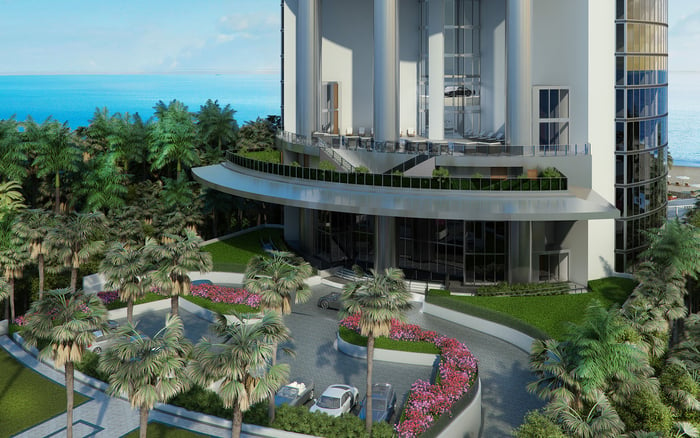
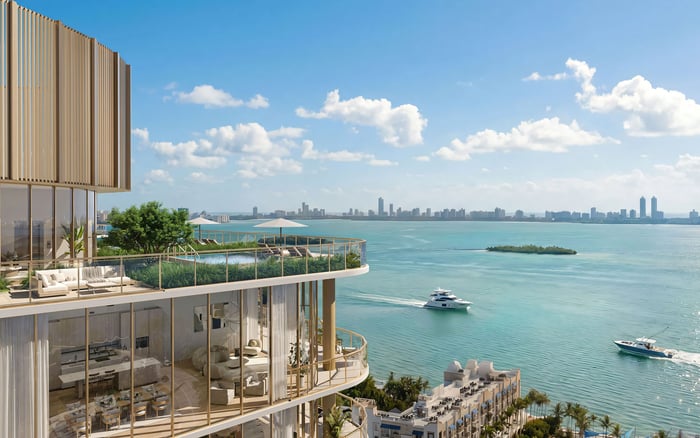
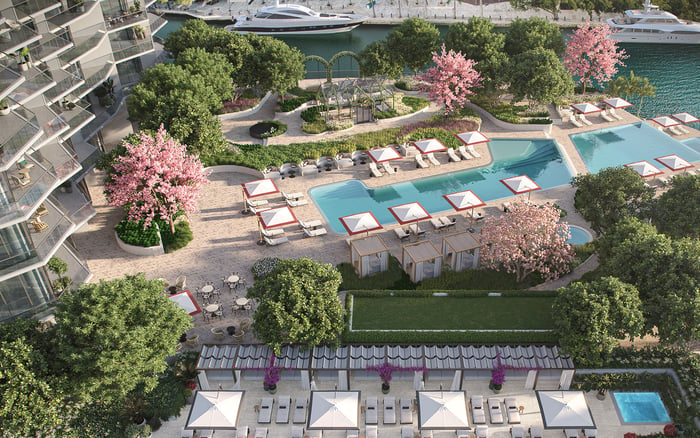
A smaller building can feel exclusive, but true boutique luxury is defined by design pedigree, curated services, bespoke interiors, neighborhood credibility, and resale strength. For South Florida buyers, the distinction matters because scarcity alone rarely supports lasting premium positioning.
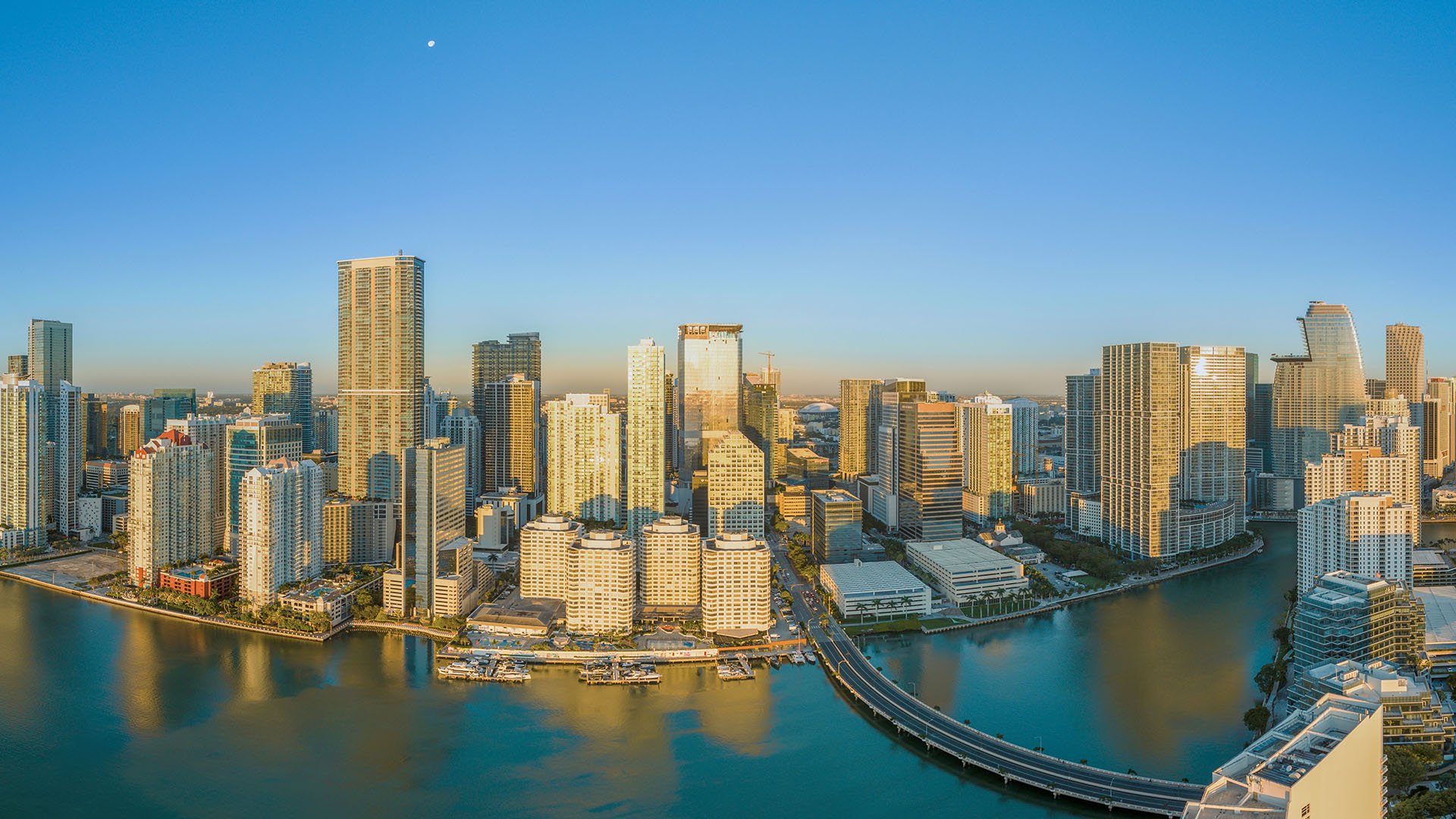
In South Florida, the word boutique is used generously. Sometimes it signals a residence of unusual refinement. Just as often, it serves as shorthand for a project with fewer homes and little else to set it apart. For a luxury buyer, that distinction is consequential.
True boutique luxury is not simply a matter of a smaller inventory count. It is a deliberately composed residential experience shaped by privacy, design, service, and an identity that feels difficult to replicate at scale. A compact building can certainly be premium, but if the product, operations, and setting are interchangeable with ordinary multifamily stock, smaller does not automatically mean rarer.
The more useful test is this: if the building had twice the inventory, would it still feel special? If the answer is no, it may be trading on scarcity rather than delivering true boutique substance.
The most credible boutique residences tend to declare themselves through design before they say a word about exclusivity. Architectural authorship matters because it suggests a building was conceived as a statement, not merely marketed as one. In South Florida, buyers place greater confidence in projects shaped by recognized design talent and in developments that command meaningful architectural attention.
That does not mean every boutique address must be flamboyant. It means the building should express a clear point of view in its massing, materials, arrival sequence, and relationship to the street or waterfront. A signature lobby, well-resolved common spaces, and curated art often reveal more than a brochure’s promise of intimacy.
You can see how this design-led thinking appears across premium submarkets, whether in the oceanfront composure of 57 Ocean Miami Beach or the more neighborhood-scaled expression of Ponce Park Coral Gables. The styles differ, but the underlying signal is the same: the project has a distinct architectural identity.
One of the most common misconceptions in luxury marketing is that more amenities equal more prestige. Boutique luxury often works in the opposite direction. Instead of offering an encyclopedic list of standard features, the strongest projects choose fewer elements and execute them at a much higher level.
That might mean a truly serene wellness environment rather than a generic gym, a hospitality-caliber dining component instead of a token lounge, or a thoughtfully programmed social space in place of several underused rooms. Curation matters because it reveals intent. When every line item feels familiar, the building may be smaller, but it is not necessarily more refined.
This distinction is especially relevant in markets such as Brickell and Miami Beach, where buyers can compare intimate-scale projects against larger towers with substantial service infrastructure. A residence like 2200 Brickell invites scrutiny not for how many amenities it can name, but for how cohesively the lifestyle proposition is assembled.
In practice, true boutique luxury is often an operational story. Personalized service, visible concierge presence, and meaningful on-site staffing are harder to fake than elegant renderings. If management is thin, reactive, or generically outsourced, the building may simply be a small condominium dressed in luxury language.
Hospitality-style management is a particularly strong marker. So are branded service partnerships and a resident experience designed around recognition rather than volume. Owners in genuinely boutique buildings tend to feel known. Their arrivals, requests, guest handling, and day-to-day interactions reflect a service model built on discretion and consistency.
That is why buyers should pay close attention to who is operating the experience, not just who is selling the homes. A compact building without service depth can quickly feel under-resourced. By contrast, a project such as The Ritz-Carlton Residences® Miami Beach illustrates how hospitality alignment can reinforce luxury substance beyond simple scale.
Another reliable dividing line is the residence itself. Boutique luxury usually allows for a greater degree of individuality, whether through more customizable layouts, elevated material selections, or a finish philosophy that avoids a one-package-fits-all approach. Standardized interiors repeated across a modest number of units may be perfectly attractive, but they do not automatically qualify as bespoke.
Sophisticated buyers should ask whether homes feel authored or templated. Are kitchens, baths, millwork, and transitions resolved with unusual care? Do the residences support personalization, or do they rely on an upscale but uniform finish package that happens to be spread across fewer floors?
This is where scarcity can become misleading. Twenty units with ordinary specifications are still ordinary. A larger residence with stronger detailing, better plan logic, and greater customization may hold more luxury value than a tiny building whose only rarity is limited supply.
Boutique credibility is rarely location-agnostic. In South Florida, certain submarkets naturally strengthen the case because they already possess the residential character, urban discipline, and buyer expectations that support premium positioning. Miami Beach and Coral Gables remain among the clearest examples.
In these settings, the surrounding environment helps validate the product. Buyers are not simply purchasing square footage. They are buying into a social and architectural context where discretion, aesthetics, and long-term desirability are already established. That gives a small-scale luxury project more legitimacy than a generic low-density development in a less proven location.
The point is not that emerging neighborhoods cannot produce compelling residences. It is that boutique status becomes more credible when the address itself carries enduring prestige. That is one reason residences such as The Village at Coral Gables tend to resonate differently than a random small building with polished marketing but little contextual support.
A disciplined luxury buyer should resist evaluating a boutique building in isolation. The sharper method is comparative. Place it beside larger nearby luxury properties and examine three things: price per square foot, service model, and resale depth.
If the smaller building does not command or justify a meaningful premium on those measures, the boutique label may not be doing much real work. The same holds true if the project’s amenity and staffing profile feels notably thinner than larger competitors without offering superior design or privacy in return.
In practical terms, a buyer considering a boutique-feeling residence in Bay Harbor, Coconut Grove, or Miami Beach should ask whether the project truly offers a differentiated lifestyle, or whether it simply benefits from having fewer neighbors. A design-forward address such as Vita at Grove Isle can support this conversation because it invites comparison on quality, not merely on count.
The market eventually strips away launch language. Once initial inventory is absorbed, secondary-market performance becomes one of the clearest indicators of whether a residence was genuinely boutique or merely presented that way.
True boutique luxury tends to retain attention because its differentiators remain legible over time. Design quality, service consistency, neighborhood prestige, and a distinct identity continue to matter in resale. Ordinary small buildings often lose their aura once buyers can compare them more soberly with surrounding stock.
That is why seasoned purchasers look beyond first impressions. The question is not whether a project feels rare on opening day. The question is whether it will still feel singular when the next cycle of inventory arrives.
Before accepting any boutique claim, ask six direct questions. Who designed it, and does the architecture feel genuinely authored? Does the developer have a credible record in luxury residential product? Are the amenities curated or merely numerous? Is service personal and well staffed? Does the interior package permit individuality? And does the location already support long-term prestige?
If several of those answers are weak, the building may still be attractive, but it is probably better understood as smaller inventory rather than true boutique luxury. In an increasingly polished South Florida landscape, that distinction protects both lifestyle quality and long-term value.
What defines true boutique luxury in residential real estate? It is a smaller-scale project distinguished by intentional design, elevated service, curated amenities, and a more intimate resident experience.
Is a low unit count enough to call a building boutique? No. Limited inventory alone does not create luxury if the architecture, interiors, and operations are otherwise standard.
Why does architecture matter so much in boutique projects? Strong architectural pedigree usually signals that the building was conceived as a differentiated product rather than marketed as one after the fact.
Are fewer amenities a negative in boutique luxury? Not necessarily. A shorter list can be a strength if the amenities are more thoughtful, better executed, and more relevant to daily living.
What services should buyers look for first? Concierge presence, personalized attention, and meaningful on-site staffing are among the clearest indicators of authentic luxury operations.
Do branded hospitality affiliations make a difference? Often yes. They can reinforce service standards and help support a more polished resident experience.
How important are customizable interiors? Very important. Bespoke or flexible interior expression is a stronger luxury signal than a uniform finish package spread across a small building.
Does location affect whether a project feels truly boutique? Yes. Established luxury areas such as Miami Beach and Coral Gables give small-scale projects more credibility and staying power.
How can buyers test a boutique claim objectively? Compare price per square foot, service depth, and resale performance against larger nearby luxury buildings.
What is the simplest way to avoid being misled by boutique marketing? Focus on substance over scarcity and ask whether the building would still feel exceptional if it were not small.
To compare the best-fit options with clarity, connect with MILLION Luxury.
If branded residences are on your mind — as a home or as an allocation — we would be glad to share what we are seeing, privately.
Begin a quiet conversation