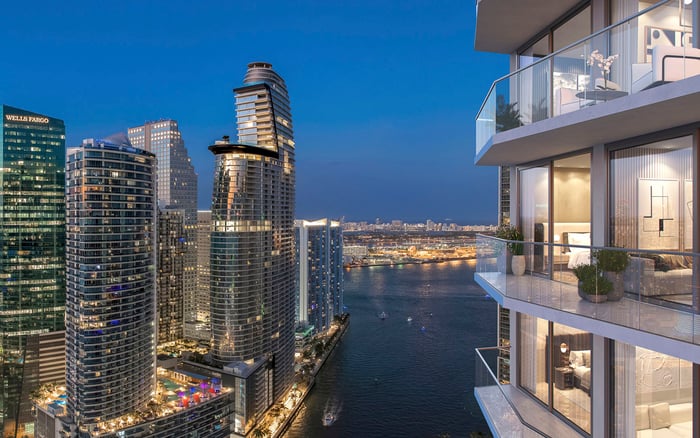
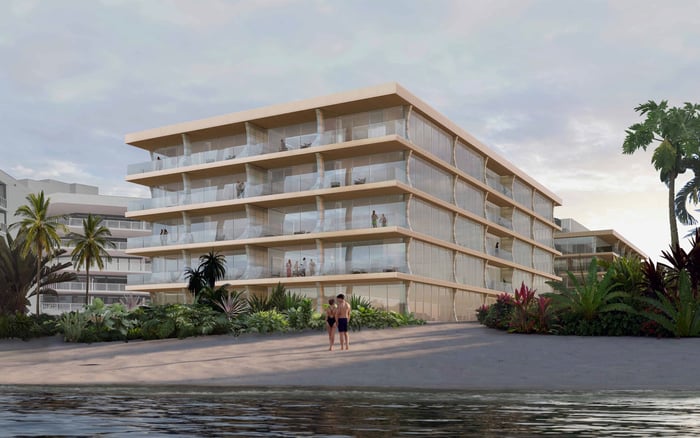
In South Florida luxury real estate, storm readiness is not a brochure amenity. Buyers should verify whether hurricane glass is properly approved and installed, whether standby power truly covers critical systems, and whether the residence remains livable during outages and surge events. The most sophisticated due diligence connects the building envelope, electrical resilience, flood exposure, and day-to-day comfort into one practical review before closing.
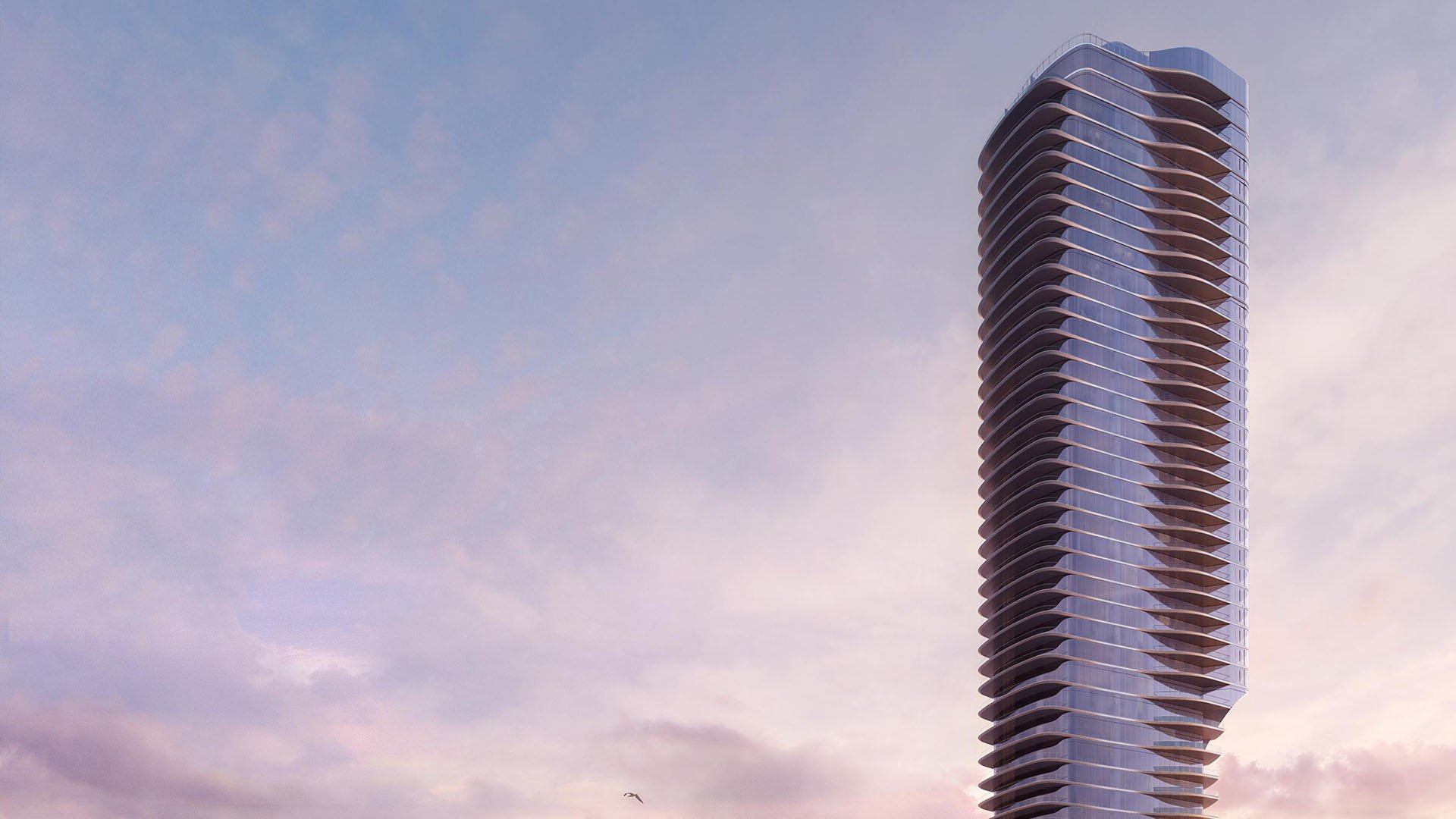
In South Florida, sophisticated buyers have learned to distinguish aesthetic resilience from actual resilience. A residence may present beautifully in fair weather and still leave critical questions unanswered about glazing approvals, backup power coverage, and practical livability during a storm event. For MILLION Luxury clients, the more useful question is not whether a property has hurricane glass or a generator, but whether those systems were specified, approved, installed, and maintained in a way that supports life inside the home when conditions deteriorate.
This matters across every product type, from waterfront condominiums in Miami Beach and Brickell to estate-oriented enclaves in Broward and West Palm Beach. Buyers touring residences at The Perigon Miami Beach or St. Regis® Residences Brickell may admire dramatic glass lines and uninterrupted views, but storm-day due diligence begins after the showing, with paperwork, approvals, and systems verification.
Impact glazing should not be treated as a vague luxury feature. For a buyer, that means requesting product approvals, permit history, and installation records tied to the exact openings in the residence.
In Miami-Dade, buyers can verify whether products used for code compliance carry the appropriate local approval documentation. In Broward and Palm Beach County, buyers should likewise confirm whether windows and doors were approved through the applicable pathway for the property’s location. The governing question is whether the openings meet the code requirements relevant to the residence and its exposure.
The nuance matters. A residence can have impact glass installed, yet the buyer still needs confirmation that the exact product is approved, that it was installed under permit where required, and that the installed unit can be visually tied back to its manufacturer and approval information. That visual check is essential because buyers should not rely solely on seller representations, especially in a resale transaction where glazing may have been replaced or upgraded over time.
For buyers considering newer inventory such as 2200 Brickell or Andare Residences Fort Lauderdale, this review is often more straightforward because documentation may be more readily assembled. In older luxury buildings, the same verification can be more revealing, particularly when unit renovations have altered doors, sliders, or other exterior openings.
A whole-home standby generator can be a meaningful resilience asset, but luxury buyers should be careful with the phrase whole home. Backup systems are often designed around major systems, yet actual coverage depends on electrical load, prioritization, and transfer equipment.
The first request should be the sizing basis or load calculation used for the installed generator. Without that, it is difficult to determine whether the unit was intended to support core living functions only or a broader suite of luxury systems. Buyers should specifically ask whether the generator backs up HVAC, refrigeration, lighting, security, and pumps. They should also ask which nonessential loads are excluded unless specifically designed for backup, including pool equipment, gates, irrigation, elevators, and water pumps.
Fuel source is equally material. Permanent standby units typically run on natural gas or liquid propane, so storm-day readiness depends on understanding what feeds the generator and what runtime assumptions were used when the system was designed. A sleek equipment pad reveals only a small part of the story.
In towers and branded developments such as Baccarat Residences Brickell or Riva Residenze Fort Lauderdale, buyers should clarify the distinction between building backup systems for common elements and any power available within the residence itself. The presence of generator infrastructure at the property level does not automatically mean a specific unit enjoys comprehensive in-residence backup.
A standby generator is only as credible as its installation and upkeep. Safe connection requires transfer equipment that isolates the home from the utility grid during operation. For buyers, that makes the automatic transfer switch a central part of the review, not an afterthought. The installation should reflect licensed, code-compliant hookup.
Then comes maintenance. Standby reliability depends on routine exercise, testing, and service, which is why buyers should request service records and evidence that the equipment has been maintained over time. A generator that has not been exercised consistently may be a comfort feature on paper and a question mark in practice.
In single-family homes, this review can include the generator itself, the transfer switch, service tags, and any maintenance contract history. In condominium settings, buyers should ask both about unit-specific equipment, if any, and the building’s broader emergency power program. Either way, a generator should be evaluated as infrastructure, not décor.
Impact glass addresses windborne debris, but livability during a storm is shaped by more than the glazing package. Roof condition and opening protection work together, which means a buyer should not assume windows alone can compensate for a compromised roof or an aging exterior envelope.
Flood and surge exposure are equally important. For waterfront and near-water residences, water risk can become the governing issue for actual occupancy and recovery. Buyers should review flood exposure, mapping context, and any mitigation measures relevant to the property before closing. This is especially true for residences with lower-level access points, garages, mechanical spaces, or service entries that may influence post-storm usability.
The most elegant homes are often the ones that make resilience feel invisible. At projects such as Alba West Palm Beach or The Ritz-Carlton Residences® Sunny Isles, buyers should still ask practical questions: what stays operational, what shuts down, what requires building-wide power, and what conditions must be met before residents can comfortably remain in place or return.
For sophisticated due diligence, the clearest approach is to organize the review into four categories.
First, verify the envelope. Request product approvals for windows and doors, permit history, installation records, and visual confirmation that installed units match approved products.
Second, verify standby power. Ask for the generator model information, the sizing or load basis, fuel source, transfer switch details, and a clear schedule of which circuits or systems are actually backed up.
Third, verify maintenance and readiness. Obtain service records, exercise logs if available, and confirmation that the system has been tested and remains operational.
Fourth, verify livability. Review flood and surge exposure, roof and exterior condition, and the practical habitability of the residence during a prolonged utility disruption.
Luxury buyers are not simply purchasing finishes. They are underwriting continuity of living. In a market where weather resilience is part of value, the most discerning purchasers treat these verifications as essential to acquisition strategy.
What is the most important document to request for hurricane glass? Ask for the product approval documentation and permit history tied to the installed windows and doors, not just a general statement that the home has impact glass.
Does impact glass alone make a home storm ready? No. Buyers should also review roof condition, the broader building envelope, flood exposure, and backup power readiness.
How can a buyer verify installed impact products visually? Approved products should have identifiable manufacturer and approval information that can be matched to the installed unit.
What should buyers ask about a standby generator first? Start with what the generator actually powers, then request the load calculation or sizing basis used for the system.
Does whole-home generator mean every luxury feature stays on? Not necessarily. Pool equipment, gates, irrigation, elevators, and some pumps may be excluded unless specifically designed for backup.
Why does the transfer switch matter so much? It safely isolates the residence from the utility grid during generator operation and is central to code-compliant installation.
What fuel questions should buyers ask? Confirm whether the generator runs on natural gas or propane and how that affects expected storm-time operation.
Should condo buyers ask different questions than house buyers? Yes. Condominium buyers should distinguish between backup power for common areas and power that actually reaches the residence.
Why review flood exposure if the property has impact glass? Wind protection and water risk are separate issues, and surge or flooding may govern storm-day livability more than glazing.
When should these checks happen in the purchase process? Ideally during due diligence, before closing, when documentation, inspections, and system questions can still influence negotiations and decision-making.
When you're ready to tour or underwrite the options, connect with MILLION Luxury.
If branded residences are on your mind — as a home or as an allocation — we would be glad to share what we are seeing, privately.
Begin a quiet conversation