A discreet buyer guide to evaluating pet ownership in Palm Beach Gardens luxury buildings, with attention to services, usable green space, and association restrictions.
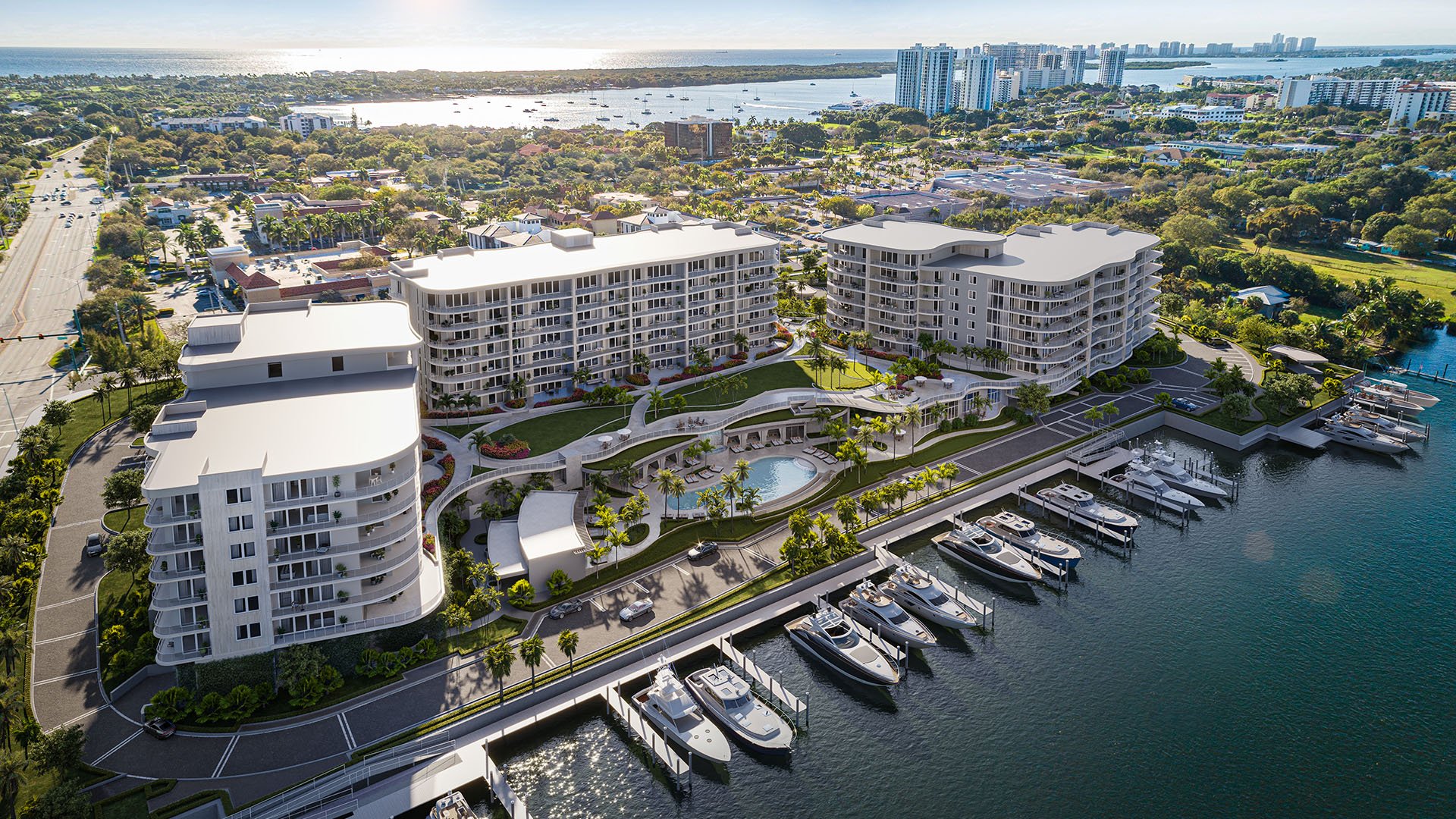
For many Palm Beach buyers, pet ownership is no longer a secondary lifestyle question. It is part of the residence brief, considered alongside privacy, arrival sequence, terrace depth, service culture, parking, and access to open air. In Palm Beach Gardens, where residential life often blends polished condominium living with a quieter, greener sensibility, the best pet decision is made before a contract is signed, not after move-in.
The most elegant building for a pet owner is not simply the one that says it welcomes pets. It is the one whose rules, circulation, landscaping, staff protocols, and resident culture make daily ownership feel graceful. A large dog, a pair of small dogs, an elderly pet, or a frequent visiting grand-dog can each create a different set of needs. In luxury buildings, those details matter because the public and private realms meet every time an elevator opens.
For buyers focused specifically on Palm Beach Gardens, The Ritz-Carlton Residences® Palm Beach Gardens is a natural reference point because it sits within the exact market named by the search. Yet even at the most elevated address, the essential question remains practical: what is permitted, what is convenient, and what will still feel effortless five years from now?
Pet ownership in a luxury building begins with documents. Buyers should review the association rules, purchase documents, and any pet addenda with the same seriousness they bring to financial statements and reserve questions. Marketing language can set a tone, but governing documents set the boundaries.
The most consequential restrictions often concern the number of pets allowed, size or weight limits, breed language, registration requirements, vaccination records, nuisance provisions, leash rules, and areas where animals are not permitted. Some buildings also regulate pet movement through lobbies, elevators, service corridors, pool decks, club spaces, garages, and landscaped areas. A rule that seems minor during a tour can become meaningful twice a day, every day.
The luxury buyer should also ask how rules are enforced. A written policy is only part of the picture. Is there a formal registration process? Are pets identified with the management office? Are incidents handled by staff, management, or the board? Is there a distinction between owners, tenants, guests, and visiting pets? These are not adversarial questions. They are quiet diligence that protects both lifestyle and resale.
Palm Beach Gardens appeals to many pet owners because the broader setting suggests breathing room. Still, the building-level experience is what governs daily ease. A view over trees is not the same as a convenient relief area. A manicured lawn is not automatically available for pet use. A beautiful arrival court may define the visual identity, but it may not belong to the pet routine.
The most functional buildings create a clear path from residence to approved outdoor space. The ideal route is intuitive, clean, and respectful of non-pet owners. Consider the distance from elevator to exit, shade at peak heat, lighting after dark, hose or cleanup access where permitted, and whether the route requires passing through formal resident areas. If a dog-park feature is advertised or discussed, buyers should confirm whether it is private, shared, fenced, timed, landscaped for durability, and governed by separate rules.
Green space should also be evaluated by season and schedule. A morning walk may feel effortless, while an evening route may reveal different lighting, traffic, or staff coverage. Buyers with older dogs should pay particular attention to elevator wait times, corridor length, flooring surfaces, and proximity to the most convenient exit.
In the luxury tier, service is often described broadly. For pet owners, it becomes tangible in small moments: the valet who understands a crate, the concierge who can coordinate a walker, the staff member who knows which entrance is appropriate after a rainy walk, and the management team that communicates rules clearly.
Buyers should separate true service from decorative amenity language. A grooming room, wash station, or pet relief area may be useful, but only if it is well located, well maintained, and compatible with the owner’s routine. Staff assistance with vendor access can also be valuable, but the building may have strict procedures for dog walkers, trainers, groomers, and pet sitters. Ask whether third-party providers must be registered, insured, escorted, or limited to certain hours.
This is where comparison across the wider South Florida luxury market can be helpful. A buyer studying Palm Beach Gardens may also review nearby or adjacent lifestyle models, including Alba West Palm Beach and The Ritz-Carlton Residences® West Palm Beach, not because policies should be assumed to match, but because contrasting service cultures can sharpen the right questions.
Pet restrictions are sometimes treated as a compromise between pet owners and non-pet owners. In a luxury building, they are also part of governance quality. Clear rules reduce ambiguity. Ambiguous rules create friction. For buyers, the goal is not to find the least restrictive building at any cost. The goal is to find the building whose restrictions match the household’s actual life.
A small-dog owner may prioritize easy elevator access and interior quiet. A large-dog owner may care more about route, surface, and outdoor proximity. A frequent traveler may need a building that accommodates approved pet-care providers smoothly. A buyer with multiple pets should confirm whether the policy addresses number, combined weight, species, and visiting animals separately.
Restrictions may also affect leasing strategy and future resale. If a future purchaser pool includes many pet owners, overly narrow rules can matter. If the building is designed for a quieter, more formal lifestyle, tighter restrictions may be part of its appeal. The key is to understand the audience a building serves and whether that audience aligns with the buyer’s long-term plans.
A standard showing rarely reveals the full pet experience. Buyers should tour with a practical lens. Begin at the garage or arrival point, walk the path to the elevator, observe flooring, note lobby formality, and identify the approved exit. Then continue to the nearest permissible outdoor area. That route is the daily reality.
Inside the residence, consider where bowls, beds, crates, litter systems, grooming supplies, and cleaning storage will live. Terraces can be beautiful, but they should be evaluated with safety, shade, supervision, and association rules in mind. The most livable pet residences are not improvised. They are planned.
For buyers comparing the northern Palm Beach County lifestyle with Boca Raton alternatives, Alina Residences Boca Raton can serve as a useful point of comparison for how a refined residential environment frames daily convenience. Again, the lesson is not to assume identical pet rules, but to evaluate each building’s governance, design, and routine with precision.
Before submitting an offer, a pet-owning buyer should ask for the complete pet policy in writing and confirm whether any exceptions, grandfathered arrangements, or board approvals apply. Verbal reassurance is not enough. The questions should be direct: How many pets are allowed? Are there size, weight, or breed restrictions? Where may pets enter and exit? Which elevators may be used? Are walkers or sitters permitted? Are there fees, deposits, registrations, or required records? How are complaints handled?
It is also wise to ask whether any pending rule changes are under discussion. In condominium life, policies can evolve. A buyer who understands the governance culture will be better positioned than one who relies on a brochure phrase or a casual answer during a tour.
Are Palm Beach Gardens luxury buildings generally pet-friendly? Many buyers consider pets central to the home search, but each building must be evaluated by its own written rules and procedures.
What is the first pet document a buyer should request? Request the association’s current pet policy, including any rules, addenda, fees, registration requirements, and enforcement language.
Do pet weight limits matter in luxury buildings? Yes. Weight limits can determine whether a household’s current or future pet is allowed, so they should be confirmed before an offer.
Can a building restrict certain breeds? Some associations may use breed-related language, while others may focus on behavior, size, or nuisance provisions. Always review the actual documents.
Is visible landscaping enough for pet owners? No. Buyers should confirm which outdoor areas may be used by pets and how easily those areas can be reached from the residence.
Should dog walkers be discussed before purchase? Yes. Buildings may have procedures for third-party access, insurance, registration, keys, elevators, and permitted service hours.
Do terraces solve pet convenience issues? Not necessarily. Terrace use is governed by safety, supervision, building rules, and the practical needs of the animal.
Can pet rules affect resale? They can. Rules that are too restrictive for a broad buyer pool may influence demand, while clear governance can also support building quality.
What should buyers observe during a showing? Walk the actual route from residence to approved outdoor space, including elevators, corridors, lobby areas, and exterior exits.
Are nearby West Palm Beach or Boca Raton buildings useful comparisons? Yes. They can help frame expectations, but each building’s pet rules, services, and outdoor access must be verified individually.
If you'd like a private walkthrough and a curated shortlist, connect with MILLION.
If branded residences are on your mind — as a home or as an allocation — we would be glad to share what we are seeing, privately.
Begin a quiet conversation