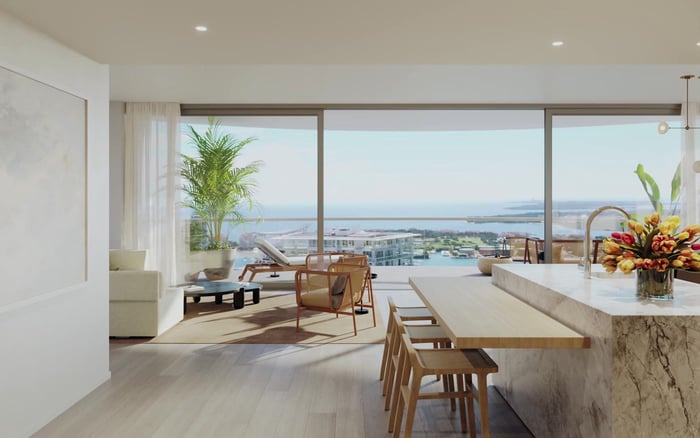
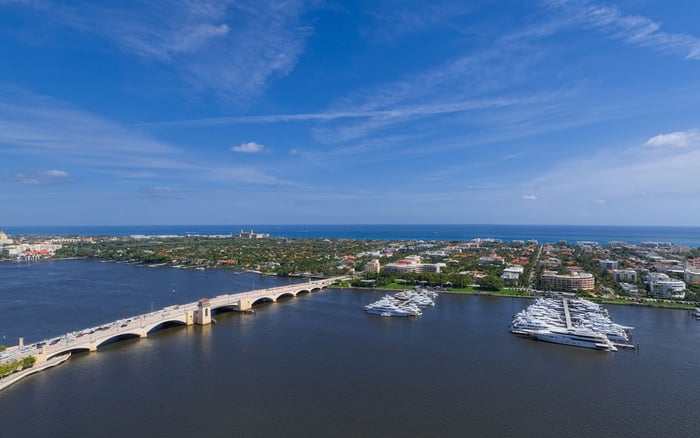
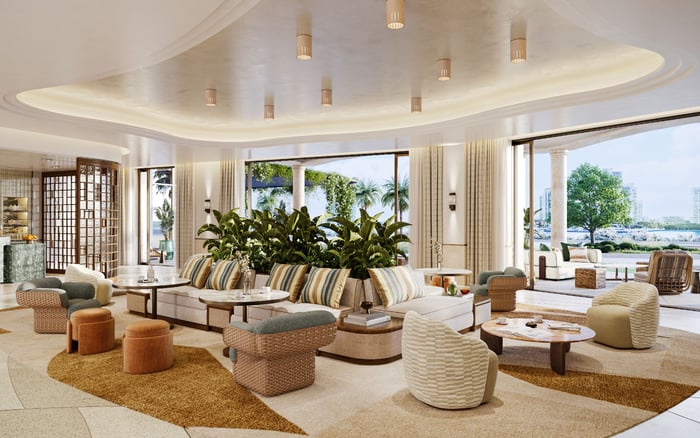
For South Florida waterfront buyers, east versus west exposure is not simply a sunrise-or-sunset decision. Orientation shapes daily comfort, glare, cooling demand, terrace usability, envelope wear, and even the long-term ownership profile of a residence. The most elegant choice is the one that aligns light, heat, lifestyle, and maintenance tolerance with how the home will actually be lived in.
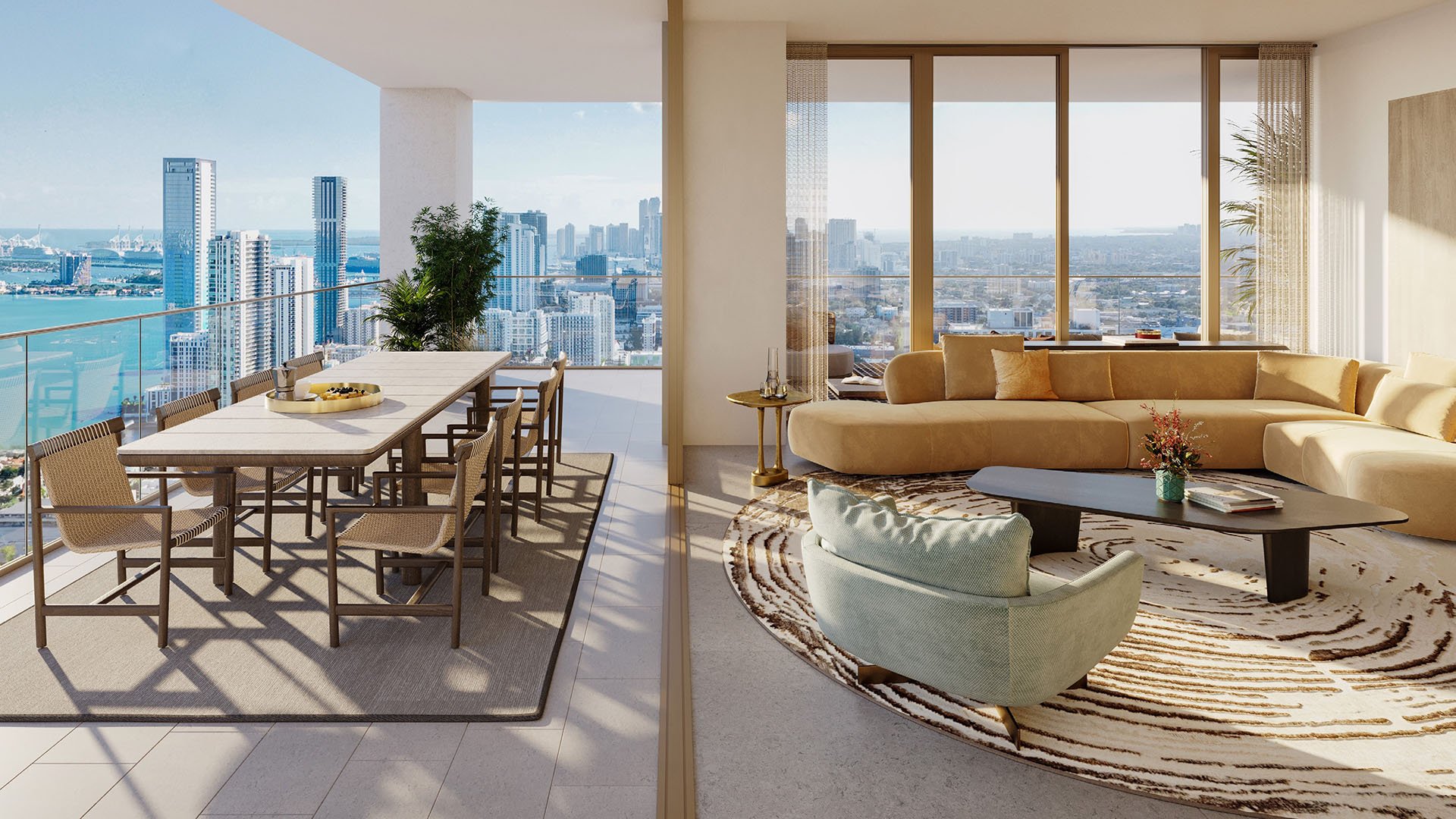
In South Florida, buyers are often tempted to reduce an east-facing versus west-facing waterfront residence to a simple lifestyle preference: sunrise or sunset. It is a seductive shortcut, but not a sophisticated one. In practice, orientation shapes how a home performs every day, from the way bedrooms brighten in the morning to how terraces feel at 5 p.m., how often shades remain drawn, and how hard the cooling system works during the hottest hours.
For a primary owner, these details can matter as much as the panorama. For a seasonal buyer or second-home purchaser, they help determine whether a residence feels effortlessly elegant or subtly demanding. For a resale decision, orientation can also influence which buyer pool responds most quickly and with the greatest confidence.
That is why MILLION Luxury views east versus west as a comfort-and-operations question first, and an aesthetic question second.
East-facing waterfront homes typically receive gentler morning sun, making them especially appealing to buyers who value bright breakfasts, luminous kitchens, and primary suites that feel awake early in the day without becoming punishingly hot later on. Morning light is often easier to live with, particularly in bedrooms and informal living spaces where daylight quality matters more than drama.
There is also a lifestyle advantage many buyers sense before they can articulate it. East-facing homes often support a calmer daily rhythm. Terraces are generally more comfortable for coffee, breakfast, reading, or early calls. Bedrooms can feel more naturally aligned with morning wakefulness, adding a subtle wellness dimension to orientation.
In projects where water, glass, and indoor-outdoor living are central to the architecture, this can be a meaningful distinction. A residence at 57 Ocean Miami Beach or Oceana Key Biscayne invites buyers to think not only about the horizon, but about when the home is most likely to be occupied and enjoyed.
There is a reason many west-facing residences command emotional attention. Sunset exposure can be extraordinary, particularly when unobstructed water views create a theatrical late-day sequence of changing color, reflected light, and a terrace that becomes a front-row lounge. For some buyers, that experience is the point.
But west exposure is also the most operationally demanding orientation. Late-day sun typically produces the harshest heat gain, and west-facing glass is especially vulnerable to glare. On a waterfront site, reflected light off the water can amplify that effect, creating brilliant but at times fatiguing interiors during the very hours many owners are arriving home.
That does not make west-facing homes less desirable. It simply means they must be judged more rigorously. In towers with broad expanses of glazing, such as The Perigon Miami Beach or Turnberry Ocean Club Sunny Isles, the quality of glass, shading strategy, solar control, and mechanical planning become central to comfort, not secondary details.
The smartest comparison is room by room. Ask where direct sun lands in the morning, in the afternoon, and just before dusk. A west-facing great room may be stunning at sunset yet difficult for everyday television viewing, reading, art placement, or even conversation without drawn shades. An east-facing bedroom may feel invigorating at 7 a.m. but less ideal for someone who keeps a very late schedule.
Terraces deserve equal attention. West-facing outdoor spaces are often at their best for evening entertaining, while east-facing terraces tend to be more usable earlier in the day. If a buyer imagines breakfast outdoors, morning exercise, or daytime lounging, east exposure can feel materially more accommodating. If the priority is cocktails at sunset and a dramatic close to the day, west may be worth the trade-offs.
This is particularly relevant in markets where balcony and terrace living are part of the sales proposition. A waterfront residence should be evaluated not only for what the outdoor space looks like, but for how many hours it remains genuinely comfortable.
Luxury ownership is not only about purchase price. It is also about how quietly and efficiently a residence performs over time. West-facing homes usually ask more of the cooling system because the heaviest solar load arrives late in the day, when outdoor conditions are already hot and interiors are expected to remain crisp and dry. That can increase cooling demand and place more sustained stress on HVAC equipment.
In practical terms, buyers should think about compressor wear, humidity control, and thermal swings near large expanses of glass. Heavy west exposure can require more assertive condensation management and stronger solar mitigation to maintain the polished, stable interior climate expected in premier residences.
For owner-occupants, this can translate into a more noticeable operating-cost difference over time. For an investment buyer or an occasional user who leaves the residence conditioned for long periods, it can become part of a broader carrying-cost conversation. East-facing homes are not immune to heat gain, but they generally avoid the most punishing afternoon burden.
On a South Florida waterfront, orientation also belongs in the resilience discussion. Heat, humidity, salt exposure, and coastal weather all act on façades continuously. Residences with stronger afternoon exposure may face more demanding conditions on glazing systems, seals, frames, and exterior finishes over time, especially when intense sun is layered onto moisture and storm exposure.
That does not mean a west-facing residence is inherently compromised. It means maintenance discipline matters more, and buyers should ask sharper questions about envelope materials, opening protection, sealant cycles, and inspection history. In a coastal setting, durability is part of luxury.
This is as true in oceanfront enclaves as it is along the bay. A buyer considering Rivage Bal Harbour should evaluate orientation as part of long-term stewardship, not just visual drama on day one.
Resale appeal often diverges by buyer type. Some purchasers will pay a premium for a spectacular western sunset, especially in a residence designed for entertaining, occasional use, or lifestyle-driven ownership. Others, especially full-time residents, may care more about lower glare, easier daytime comfort, and a home that feels naturally pleasant without constant intervention.
This distinction matters in South Florida because different submarkets attract different routines. A full-time family in Aventura or Coconut Grove may weigh daily livability more heavily than a buyer seeking a statement pied-à-terre on Miami Beach. Neither instinct is wrong. The advantage lies in understanding which profile your purchase will most naturally attract later.
For many buyers, the best answer is not an ideological preference for east or west, but an honest assessment of use case: primary home, weekend retreat, seasonal residence, or investment hold.
When comparing east-facing and west-facing waterfront residences, begin with your schedule rather than your imagination. Note when you wake, when you entertain, when you use the terrace, and how sensitive you are to glare and heat. Then examine the envelope: glazing quality, shading capability, humidity control, and façade maintenance expectations. Finally, consider the exit strategy. A breathtaking sunset may sell emotion instantly, but a calmer, easier-living east-facing plan may broaden day-to-day buyer appeal.
The most successful waterfront purchase is rarely the one with the most obvious view. It is the one whose orientation matches the owner’s rhythm, tolerance, and standards for comfort.
Is east-facing usually better for a primary residence? Often, yes. East-facing homes generally offer softer morning light and less punishing late-day heat, which can support easier all-day comfort.
Why do west-facing residences feel hotter? They receive the strongest late-afternoon sun, when exterior temperatures are already high and cooling systems are under the greatest pressure.
Do west-facing views still command premiums? They can, especially when sunsets are unobstructed and the residence is positioned as a lifestyle or entertaining property.
Are east-facing terraces more usable? Usually in the morning and early day. West-facing terraces tend to perform better for evening use.
Does waterfront reflection make glare worse? Yes. Reflected light from the water can intensify glare, particularly in west-facing interiors during late afternoon.
What should buyers inspect in a west-facing home? Focus on glazing performance, shading strategy, HVAC capacity, humidity control, and the condition of seals and frames.
Is orientation important in new-construction purchases? Absolutely. It helps determine whether the design and mechanical systems align with the way the residence will actually live.
Can west exposure affect maintenance over time? Yes. Strong sun, salt air, humidity, and weather can increase stress on façade materials and opening systems.
Which orientation is better for bedrooms? Many buyers prefer east-facing bedrooms because morning light can feel gentler and more natural for waking.
Should resale buyers care about orientation as much as new buyers? Yes. Orientation affects comfort, carrying costs, and market appeal regardless of whether the residence is newly delivered or established.
To compare the best-fit options with clarity, connect with MILLION Luxury.
If branded residences are on your mind — as a home or as an allocation — we would be glad to share what we are seeing, privately.
Begin a quiet conversation