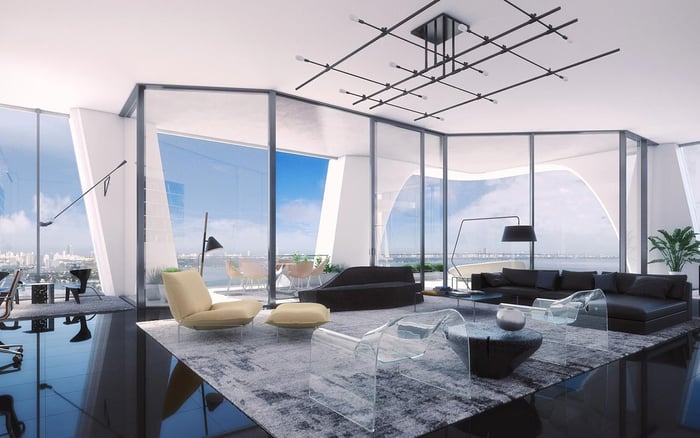
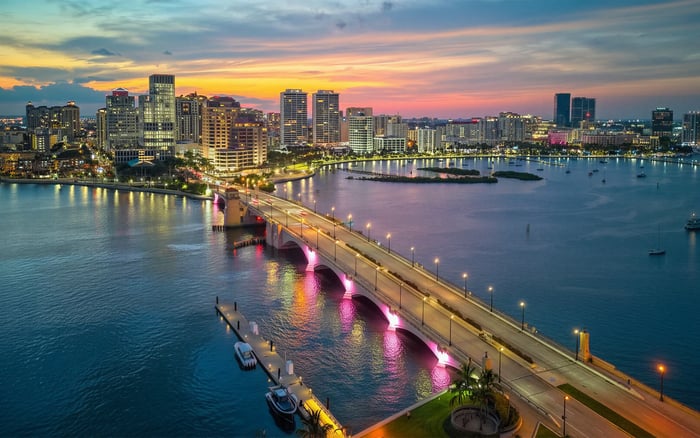
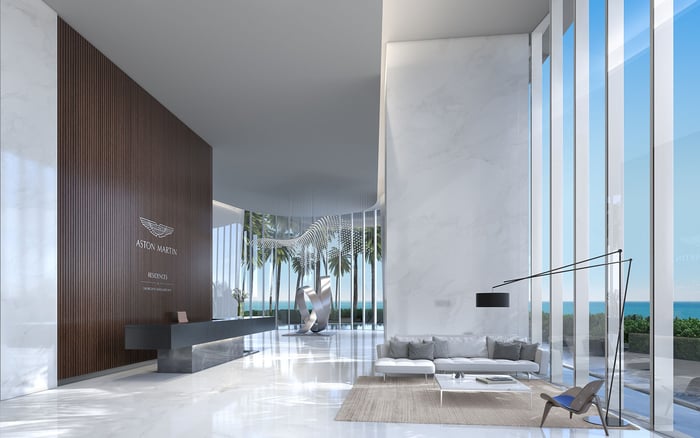
In South Florida’s ultra-luxury market, private club access can materially influence how a residence is perceived, priced, and traded. In West Palm Beach and Miami, the most coveted homes increasingly sell not only on architecture and location, but on whether ownership opens the door to an established social world, protected privacy, and a curated lifestyle that feels immediately complete.
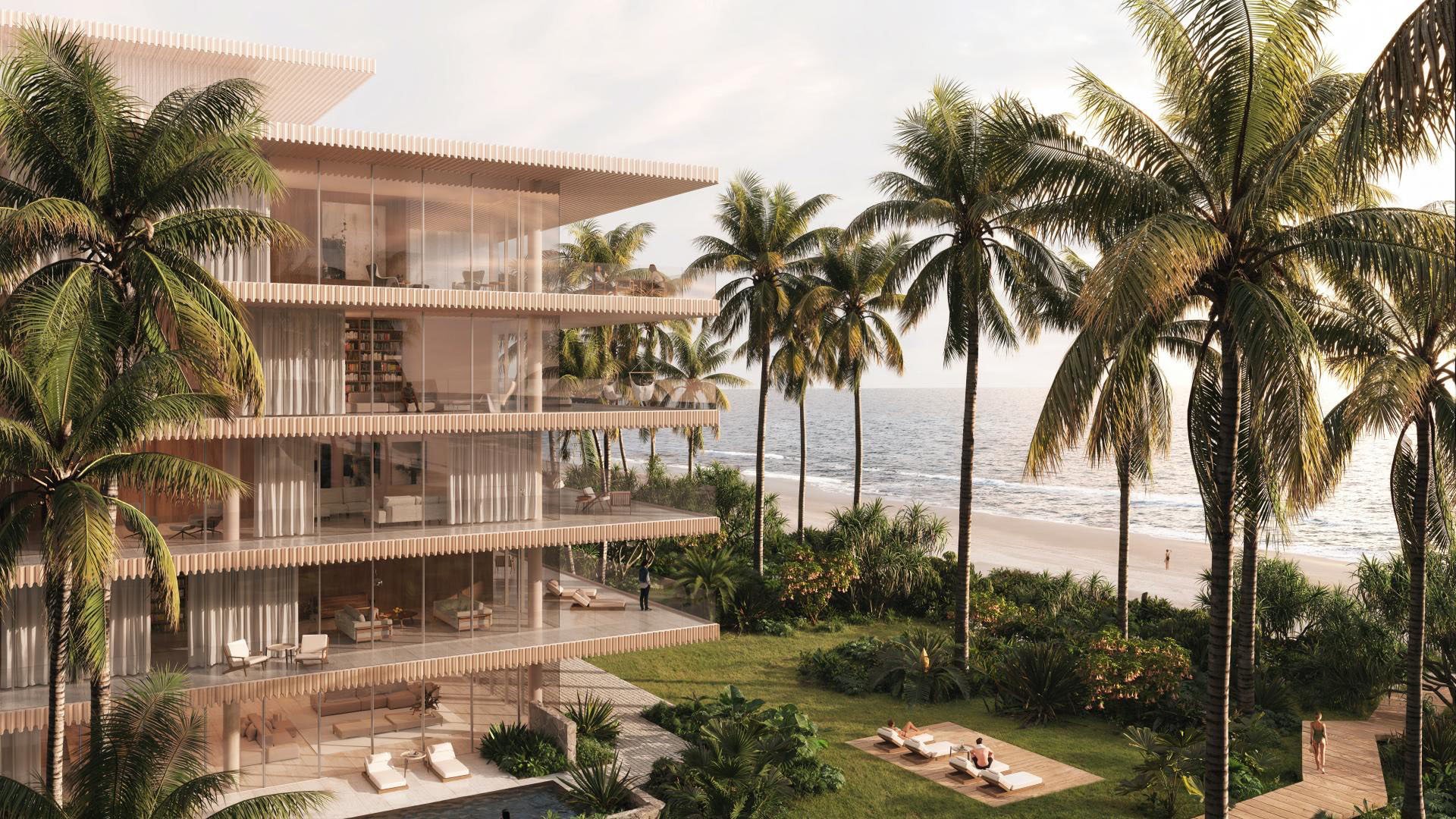
At the top of the market, value is rarely explained by square footage alone. In West Palm Beach and Miami, the most resilient residences often come with something less visible and more influential: entry into a private social ecosystem. A home linked to a respected members club offers more than amenities. It can package identity, access, privacy, and social capital into the ownership experience.
That matters because affluent purchasers are not simply buying shelter or even design. They are buying frictionless living. A residence with meaningful club affiliation can reduce the usual lag between purchase and belonging. Instead of spending a season building routines, the owner may arrive with dining, programming, service culture, and a circle already in place.
In practical terms, that can widen the buyer pool. Club-linked homes in both Palm Beach County and Miami-Dade tend to attract purchasers seeking immediate immersion into a neighborhood’s most protected social layer. For international buyers, public figures, and second-home owners, that shorthand is especially valuable. The residence is not just near the action. It is part of a vetted world.
In South Florida’s ultra-luxury tier, properties tied to premier private clubs are often discussed in premium terms versus comparable standalone homes. The exact spread varies by neighborhood, club reputation, and the directness of the affiliation.
The reasons are straightforward. First, club access creates scarcity within scarcity. A waterfront home is desirable. A waterfront home with a meaningful club relationship is a smaller, more defensible category. Second, club affiliation can generate more qualified inquiry. In this segment, buyers often screen for lifestyle fit as quickly as they screen for floor plan and view.
That dynamic is also showing up in vertical living. Miami’s branded and club-embedded towers have blurred the line between a residence and a private membership. In that context, premium pricing per square foot can be easier to defend because the owner is purchasing a daily operating experience, not merely private interiors. That helps explain why projects such as ORA by Casa Tua Brickell and Cipriani Residences Brickell resonate so strongly in Brickell, where dining identity and social access are increasingly built into the residential proposition.
In West Palm Beach and Palm Beach, club value often begins with heritage. Legacy institutions shape the aura of surrounding streets even when no formal transfer of membership exists. Buyers understand the difference between a prestigious address and an address embedded in a long-established social geography. That distinction can quietly influence pricing, lot desirability, and the speed at which trophy properties trade.
The local appeal is partly tied to history. Clubs with long continuity carry a kind of inherited branding that newer luxury products cannot replicate overnight. In Palm Beach, nearby residences can benefit from association with that old-guard prestige, while in West Palm Beach, newer inventory is increasingly designed to capture the same sense of discretion and completeness.
This is why the next generation of West Palm Beach residential development leans into hospitality and private-service language. A project like Alba West Palm Beach speaks to buyers seeking a boutique waterfront setting, while The Ritz-Carlton Residences® West Palm Beach and Mr. C Residences West Palm Beach align with the expectation that service, privacy, and social ease should feel as curated as the architecture.
For Palm Beach and West Palm Beach buyers, the appeal is not theatrical. It is strategic. A residence that signals access to a refined circle often holds attention longer in uncertain markets because it competes on belonging as well as beauty.
Miami has taken the private club concept and translated it into a more contemporary residential format. In neighborhoods such as Brickell, Miami Beach, and Edgewater, developers increasingly package members-club sensibilities directly into ownership. Instead of waiting years for legacy entry, buyers can acquire a home with reciprocal privileges, club-style amenities, or a branded social environment already built in.
That shift helps explain why some towers command higher values per square foot than conventional condominium inventory nearby. The buyer is paying for a sealed ecosystem: concierge culture, controlled access, hospitality-grade dining, wellness, and a schedule of events that creates immediate social traction.
The formula is especially effective for globally mobile owners. A residence at The Residences at Mandarin Oriental, Miami can appeal to purchasers who prioritize service continuity and discretion, while The Ritz-Carlton Residences® South Beach expresses a similar logic through hospitality-backed private living. In each case, the value proposition extends beyond finishes. It promises a life that is already staffed, programmed, and socially legible.
For Brickell and Miami Beach in particular, club-style residential ecosystems have become a way to compress time. Buyers arrive and immediately know where to dine, where to entertain, and how to move privately. In an elite market, that kind of certainty carries real value.
The most powerful club premium usually comes from four intangible assets.
First is privacy. Gated arrival, controlled access, and established discretion protocols can be exceptionally important for executives, entertainers, and internationally visible families. In trophy neighborhoods, that privacy factor can add substantial perceived value to the right home.
Second is programming. Affluent buyers often want an instant social calendar, not just a handsome residents lounge. Well-run clubs create recurring touchpoints through dining, events, and curated gatherings, making ownership feel active from day one.
Third is community filtration. A club can function as a social shortcut, helping new owners enter a network of peers with similar expectations around service, design, and discretion.
Fourth is resale positioning. Listings marketed with club access or guaranteed privileges tend to stand apart from visually similar inventory. That distinction can shorten time on market and create a more durable premium tier on resale. For buyers focused on investment and resale, this is where lifestyle becomes quantifiable.
Not all club-driven value comes from urban hospitality. In South Florida, golf-oriented private clubs continue to support premiums because they combine recreation, open views, and controlled supply. Homes near elite courses or within golf-linked communities often benefit from a longer-term scarcity profile that standard luxury inventory cannot easily match.
The same principle applies to prestige adjacency. In Palm Beach, residences near globally recognized clubs can absorb a halo effect even when the marketing centers on proximity rather than direct membership. The club becomes part of the neighborhood narrative, and the neighborhood narrative becomes part of the home’s value.
That is why a buyer comparing two equally polished properties will often choose the one connected to a stronger ecosystem. When access itself is expensive, selective, or difficult to obtain, the residence that simplifies entry can become the more compelling asset.
Demand for exclusive amenities has increased as sought-after memberships have become harder to secure, and existing club-linked residences have gained another layer of scarcity. The effect has been especially noticeable in South Florida, where migration, wealth inflows, and international demand continue to focus attention on the best-positioned properties.
For developers, club tie-ins can help a project feel easier to understand. For resale owners, the phrase “access included” can do the same. It tells the market that the buyer is not starting from zero. They are buying a finished lifestyle.
This does not mean every club affiliation guarantees a premium. The quality of the club, the certainty of access, the neighborhood, and the credibility of the service platform still matter. But at the top end of West Palm Beach and Miami, the pattern is clear: a private members club can reshape value by turning a home into an immediate social asset, a privacy instrument, and a scarcer product than its physical dimensions alone would suggest.
Do private clubs really change home values in West Palm Beach and Miami? They can. In the ultra-luxury segment, club-linked residences are often perceived as more valuable than comparable standalone homes because the lifestyle component is part of the appeal.
Why do buyers pay more for a club-affiliated residence? Because the purchase may include privacy, programming, dining access, and immediate social integration in addition to the home itself.
Is the premium stronger in condos or single-family homes? It can apply to both. The effect is often especially visible in branded or club-embedded towers where services are closely integrated into ownership.
Does club access help a property stand out on resale? Often, yes. Listings with clear lifestyle access can separate themselves from similar inventory and may attract more targeted interest.
Why is West Palm Beach so sensitive to club prestige? Heritage and social pedigree matter in that market. Legacy clubs can shape neighborhood desirability even beyond formal membership structures.
How does Miami use the club model differently? Miami often folds club-style living directly into new towers through branded hospitality, resident-only amenities, and curated service.
Do international buyers care about private club access? Very much. For many, it signals discretion, convenience, and a ready-made community in a new market.
What role does dining play in the value equation? A meaningful one. Strong dining and clubhouse-style programming can make a residence feel socially complete from the start.
Can golf club proximity support long-term value? Yes. Golf-adjacent homes can benefit from limited supply, open views, and an amenity profile that is difficult to replicate.
What should a buyer verify before paying a club premium? Buyers should confirm whether access is deeded, bundled, reciprocal, transferable, or subject to separate approval, because that distinction can materially affect the value proposition.
For a confidential assessment and a building-by-building shortlist, connect with MILLION.
If branded residences are on your mind — as a home or as an allocation — we would be glad to share what we are seeing, privately.
Begin a quiet conversation