Palm and Hibiscus Islands: Miami Beach’s Discreet, Gated Waterfront Enclaves
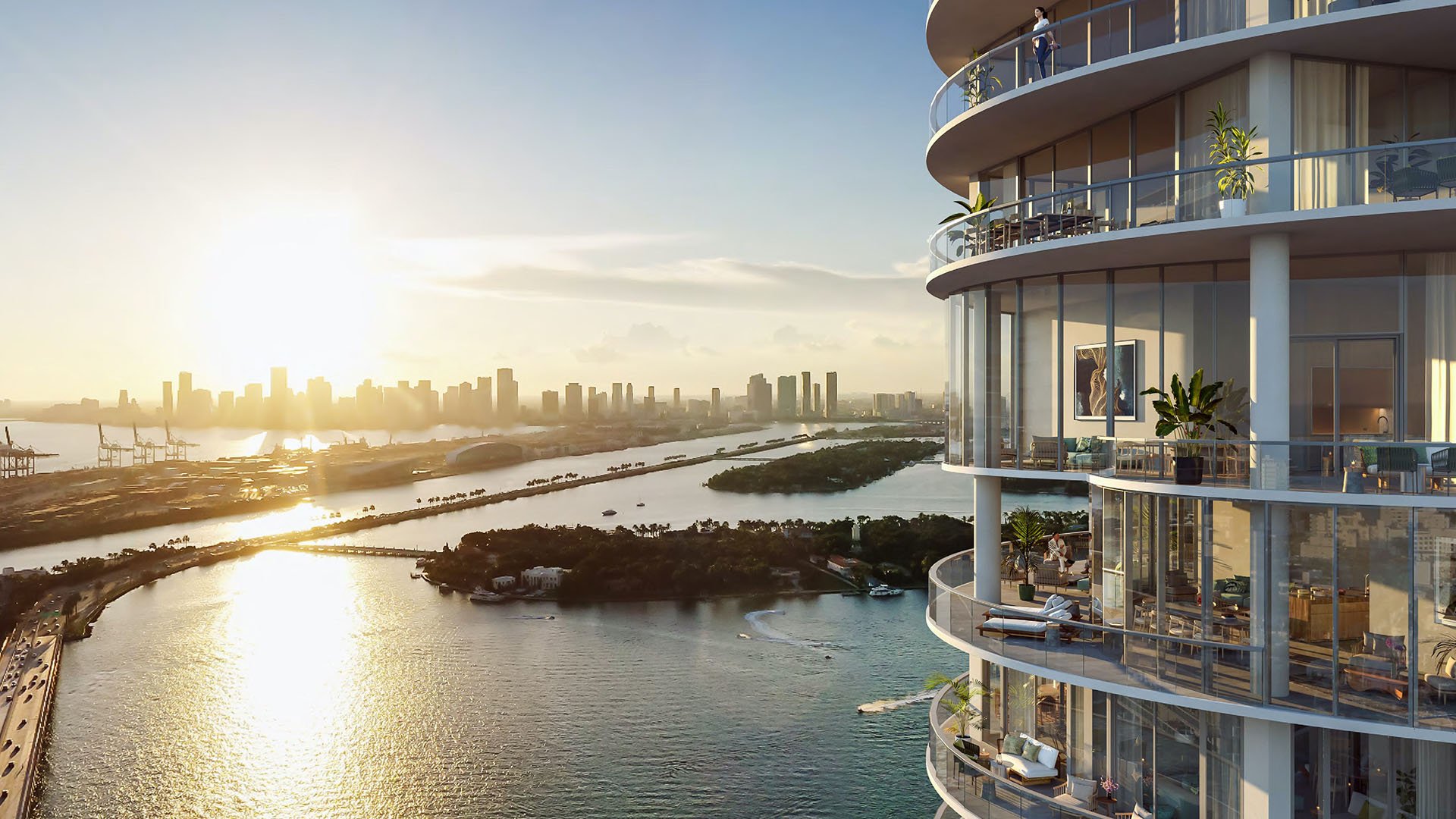
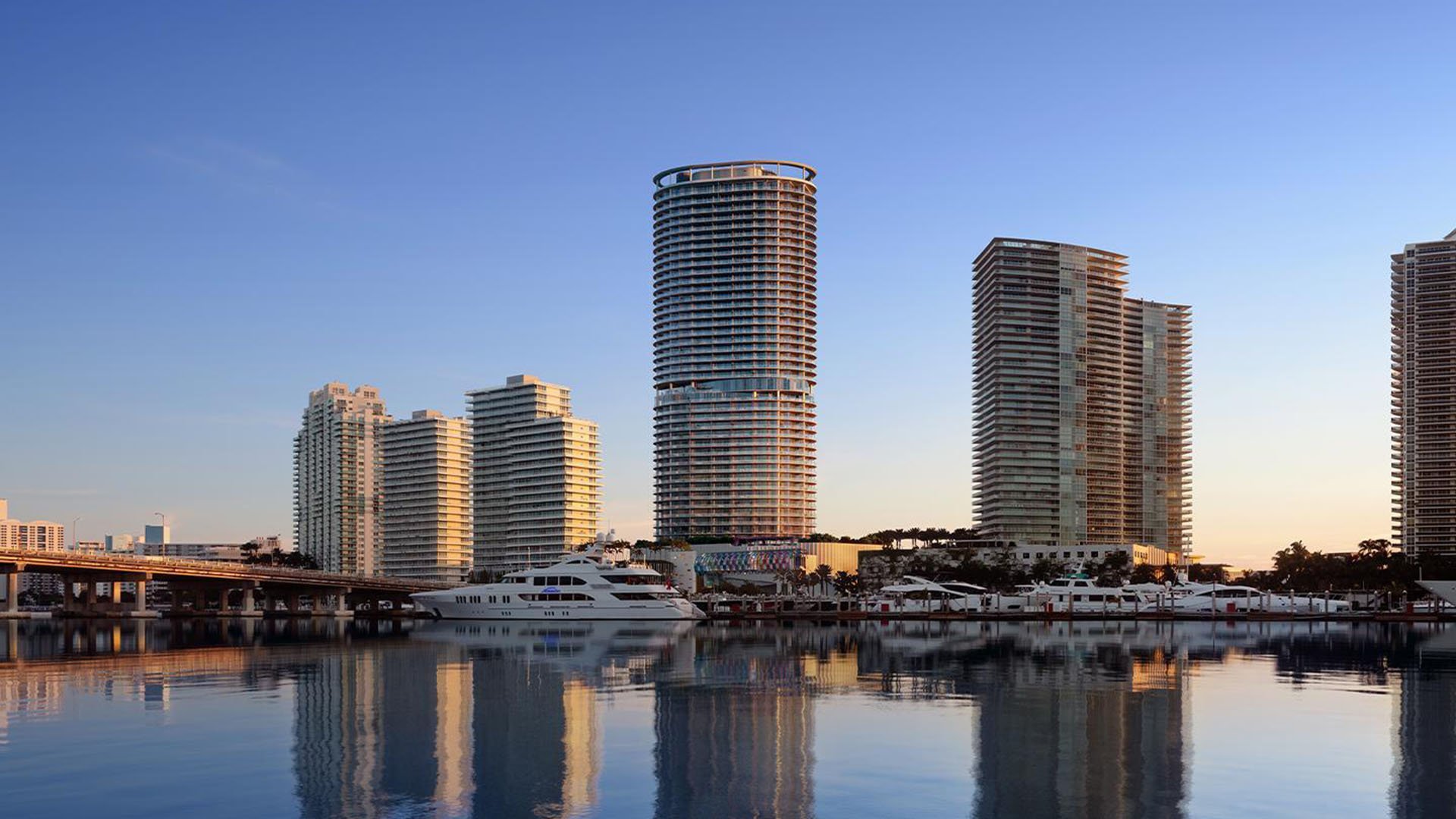
Palm and Hibiscus Islands sit like two quiet commas in Biscayne Bay, minutes from both Downtown Miami and the energy of South Beach. Created in the early 1920s through dredging and fill, these man-made islands have evolved into among Miami Beach’s most private addresses: low inventory, high discretion, and a waterfront lifestyle that remains difficult to replicate. For buyers, the appeal is less about flash and more about geography and scarcity. The islands are gated and guarded, their streets largely residential, and their market is often defined by trophy-level listings that can set national headlines. What follows is a buyer-oriented look at why Palm and Hibiscus Islands endure as long-term luxury holds, and what to watch when you decide to compete for a water-edge parcel in the heart of Miami Beach.

The New Kids’ Club: How Luxury Condos Are Redefining Family Amenities in South Florida
From Manhattan to Miami, the most competitive luxury towers are treating children’s spaces as design-forward, daylight-filled destinations, not afterthought playrooms. What began in New York as an amenity “arms race” has matured into a buyer expectation: flexible rooms that can host play, quiet homework, tutoring, and supervised programming, all within a hospitality-grade residential experience. For South Florida, where many owners balance full-time life with seasonal stays and multigenerational visiting patterns, these spaces are increasingly a proxy for how thoughtfully a building has been planned overall.

Does a Starchitect Name Hold Value in South Florida Luxury Condos?
A discreet, buyer-oriented look at when signature architecture translates into real, durable value in South Florida, and when the premium is really about the full lifestyle product.

Resort-Style Living in South Florida: From Bayfront Estates to Branded Condo Sanctuaries
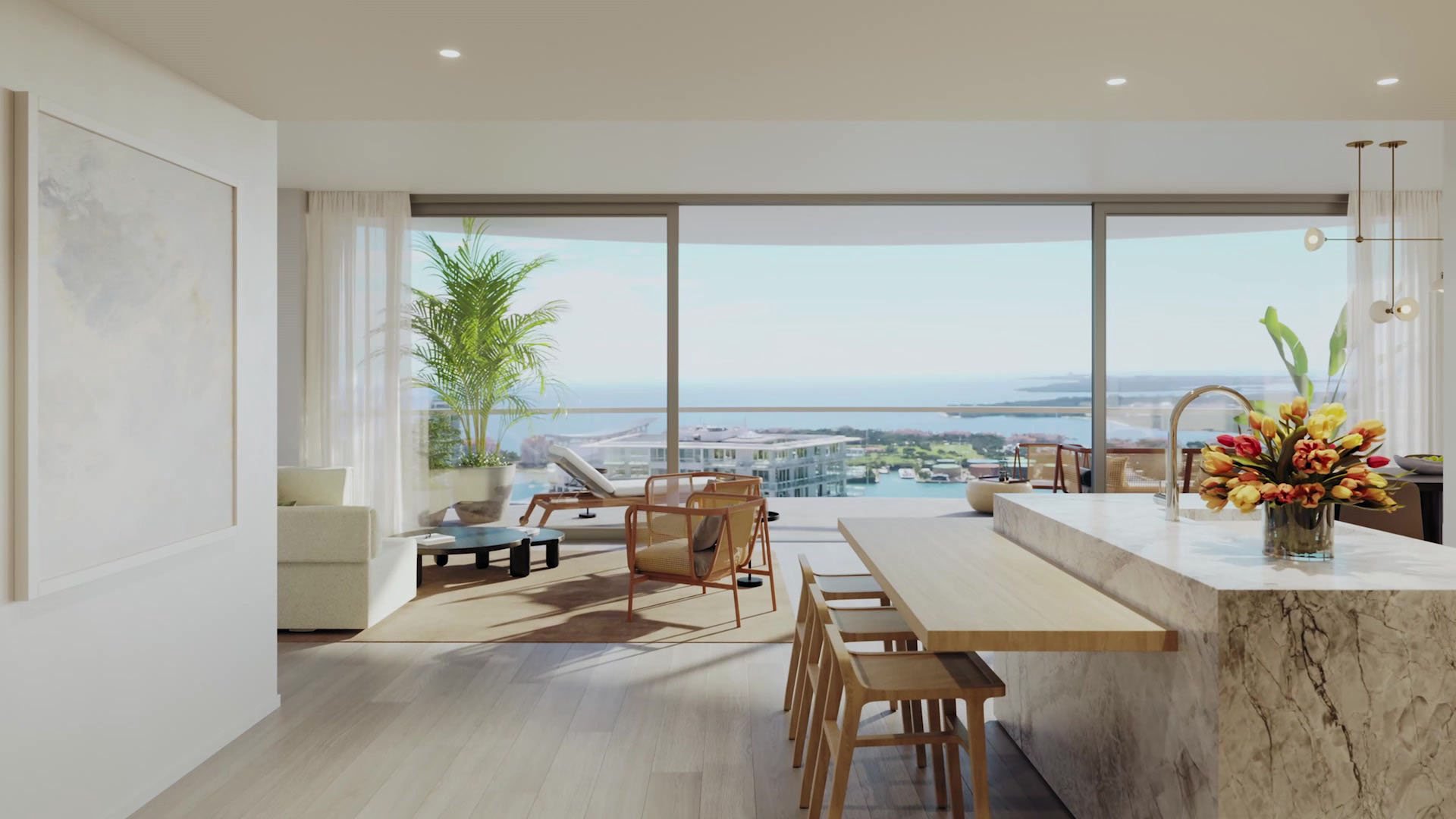
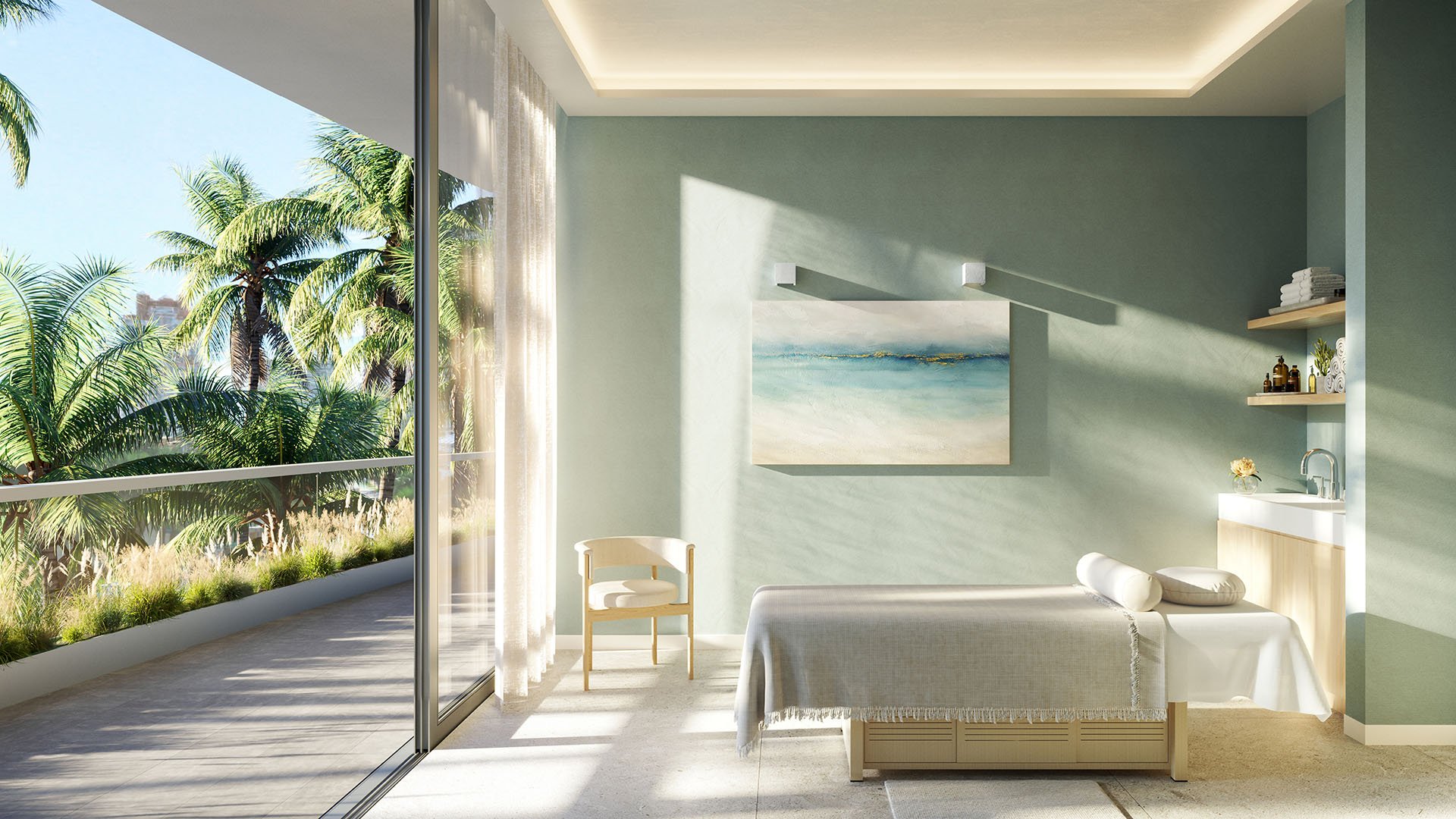
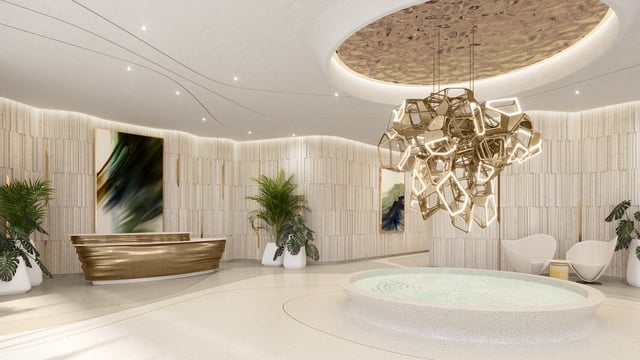
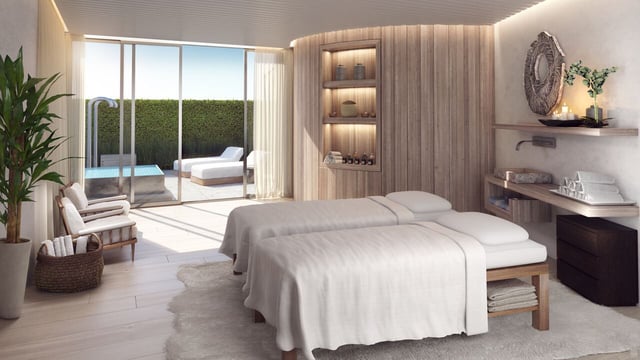
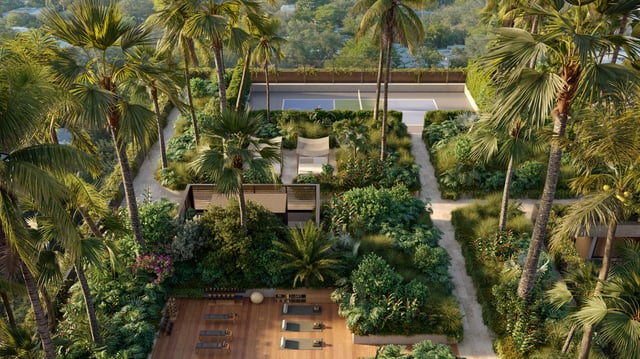
South Florida’s luxury market is increasingly defined by one clear priority: living like you are on holiday, without ever leaving home. From guard-gated bayfront enclaves in Coral Gables to headline-making Miami Beach compounds, the private-residence playbook now borrows directly from five-star hospitality: layered outdoor programming, wellness-first interiors, staff-ready service zones, and amenities that replace the need for a club membership. At the same time, the region’s newest ultra-luxury towers are translating that resort logic into “estate-in-the-sky” ownership, where residents trade acreage for altitude, ocean views, and curated service. For buyers and sellers navigating this moment, the opportunity is not simply to own waterfront, but to own a lifestyle ecosystem that performs year-round.

South Florida’s Whisper Market: How Ultra-Luxury Homes Trade Off-Market
Discretion has become a feature, not a footnote, in South Florida’s $10M-plus real estate tier. From Miami Beach waterfront trophies that reportedly secure contracts within days to Palm Beach estates that quietly reset expectations after ambitious public pricing, the region’s most meaningful deals increasingly happen through curated access. This editorial lays out what “off-market” actually means, why it can tighten timelines and sharpen pricing dynamics, and how sophisticated buyers position themselves to see the right property at the right moment without compromising privacy.

What $20 Million Buys in South Florida: A Miami Beach Penthouse vs. a Palm Beach Oceanfront Estate
At $20 million, South Florida’s ultra-luxury market splits into two distinct propositions: Miami Beach’s turnkey, service-forward penthouse lifestyle and Palm Beach’s land-first, privacy-driven estate ownership. Using publicly reported benchmarks, this guide maps what the same budget can look like in the sky versus on the sand, and the hidden ownership considerations sophisticated buyers weigh before choosing their coastline.