Two of Miami-Dade’s most coveted enclaves are moving at a slower, more negotiable pace entering 2026. Coral Gables offers architectural character and a cultural core; Pinecrest delivers school-driven demand and an outdoor, estate-scale lifestyle. Here is how MILLION Luxury is framing value, leverage, and long-term fit for high-net-worth buyers this year.
In a luxury cycle, “value” rarely means cheap. For South Florida’s ultra-premium buyer, value is the intersection of quality, timing, and negotiating leverage - so you can buy the right home on the right terms. Entering 2026, Coral Gables and Pinecrest share a defining dynamic: both are characterized as not very competitive, with longer timelines to pending and meaningful room between list and sale.
That matters because these are not fringe neighborhoods. They are legacy addresses with durable demand drivers: history and culture in Coral Gables; schools and estate-scale living in Pinecrest. When markets like these slow, the headline number is often less decisive than the terms attached to it - inspection windows, contingencies, repair credits, and the freedom to be selective about layout, lot, and long-term functionality.
For context, Coral Gables shows an average home value estimate around $1.45M with a modest year-over-year decline, while Redfin reports a median sale price around $1.4M and a median price per square foot in the high $600s, down year over year. Pinecrest trends higher on Zillow’s typical value estimate at roughly $2.07M, while Redfin reports a median sale price around $1.9M with a sharper year-over-year drop and median $/sq ft around the mid $600s. These are different measures, but together they reinforce the same takeaway: buyers have time, and they have options.
Coral Gables is a place where beauty is part of the municipal identity. Its 1920s-era planning legacy is visible in themed enclaves documented through the city’s Historic Villages program - an architectural patchwork that can feel uniquely “European” by South Florida standards. For buyers, that aesthetic is more than romance; it can translate into enduring curb appeal and a more consistent streetscape.
The tradeoff is governance. If you are drawn to a historically designated property or an area with preservation oversight, expect process. The city’s preservation guidance notes that exterior work on listed historic properties generally requires a Certificate of Appropriateness before permits are issued. For a luxury buyer planning to reimagine a façade, add openings, or modify prominent exterior elements, that requirement can materially affect both timeline and design flexibility.
Lifestyle in Coral Gables is also unusually complete. It reads like a destination: Miracle Mile, the Biltmore Hotel, and civic landmarks such as the Venetian Pool. The appeal is the ability to live in a refined residential setting while staying close to the city’s cultural rhythm.
From a market posture standpoint, Redfin characterizes Coral Gables as not very competitive, with homes selling about 7% below list and going pending in roughly 101 days. In practical terms, that is an environment where discerning buyers can negotiate based on true condition and replacement cost - rather than rushing simply to secure a contract.
Pinecrest has a different kind of gravity. It is quieter, more residential, and for many families it is purpose-built around school and space. Niche places Pinecrest at #1 in Miami-Dade County for “Places with the Best Public Schools,” with an overall grade shown as A+. As always with rankings, treat them as directional - but the conclusion aligns with how the market behaves: families prioritize the neighborhood for education and stability.
The lifestyle proposition is equally clear. The Village of Pinecrest highlights a deep park network, from tennis and pickleball at Coral Pine Park to the 2.5-mile path at Red Road Linear Park and athletic fields at Suniland Park. Pinecrest Gardens, the community’s signature botanical garden, anchors the neighborhood’s social calendar and provides a rare, verdant amenity in an urban county.
Marketwise, Redfin also describes Pinecrest as not very competitive, with homes selling around 6% below list and going pending in about 111 days. That slightly longer cadence can be a gift for buyers who are methodical about land value, flood and drainage considerations, and the hidden costs of bringing an older estate up to current expectations.
Luxury buyers typically experience value in three ways: the home you can secure, the terms you can negotiate, and the friction you can avoid.
In Coral Gables, value often shows up as architectural integrity and proximity. If you want a neighborhood that feels curated and walkable, the premium can be justified - even when you are buying a smaller lot or accepting more design constraints. It is especially compelling for buyers who prioritize a legacy aesthetic and prefer renovations that refine rather than reinvent.
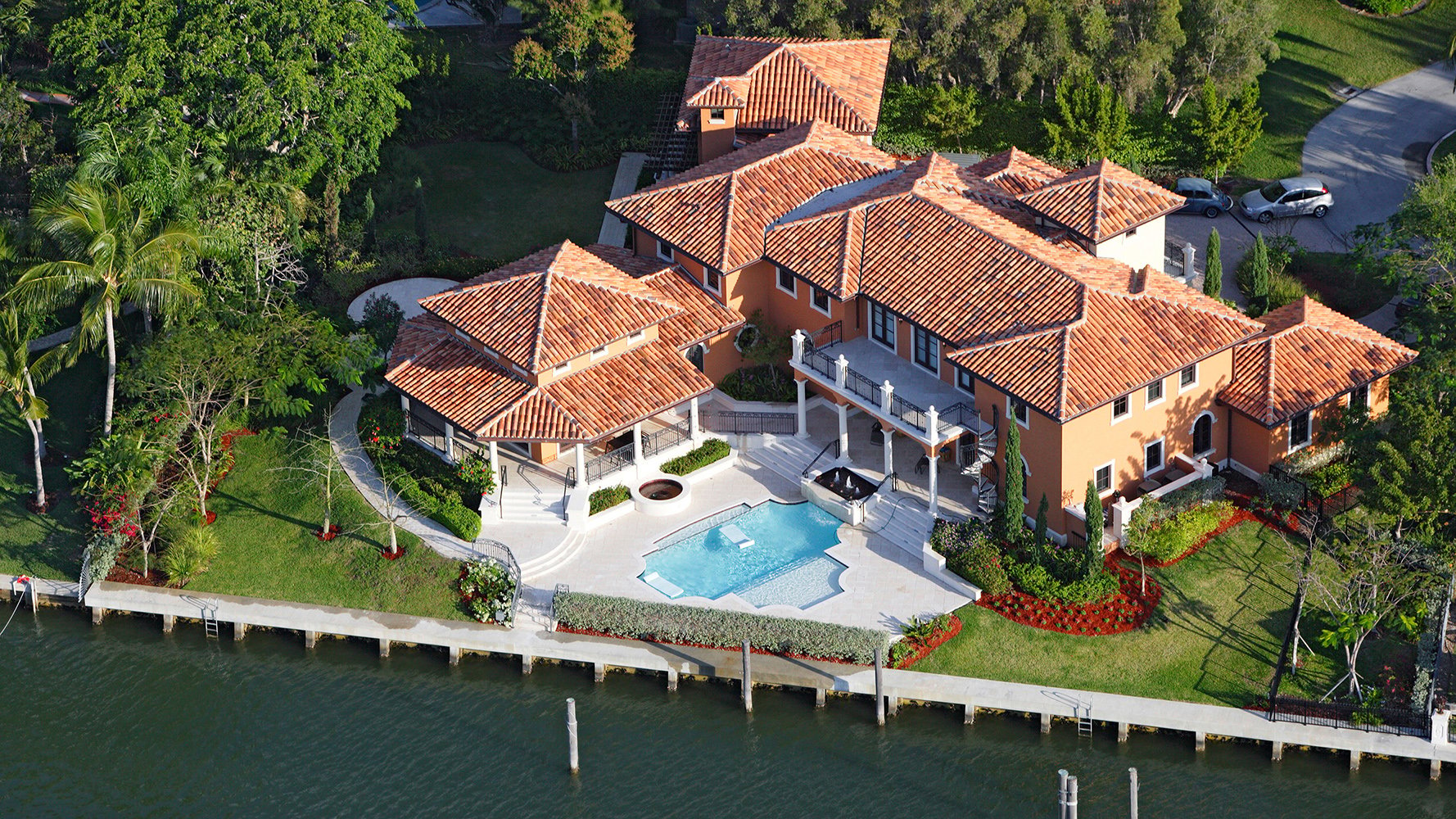
In Pinecrest, value tends to show up as land and flexibility. The neighborhood’s identity supports estate-scale living and a more private, garden-forward lifestyle. For buyers focused on family functionality, outdoor space, and long-term school alignment, “value” is frequently measured in day-to-day ease rather than a single headline metric.
Both areas share another 2026 advantage: time to diligence. Longer days-to-pending create room for a deeper inspection posture and for underwriting the total cost of ownership. In ultra-premium purchases, the best deals are often the ones that give you the ability to say no to compromises.
A market that is “not very competitive” is not automatically a bargain market. It is a leverage market. When sale-to-list ratios sit meaningfully below 100% and marketing periods stretch into triple digits, buyers can pursue precision.
In Coral Gables, that can mean negotiating around renovation scope - especially when preservation controls are likely to affect timeline and approvals. In Pinecrest, it can mean insisting on clarity around property condition and the true cost to modernize systems and outdoor features.
Across both, the strategic move is to negotiate for certainty. Favor contracts that reward diligence: clear inspection rights, thoughtful contingency planning, and closing terms that align with your design and move-in timeline.
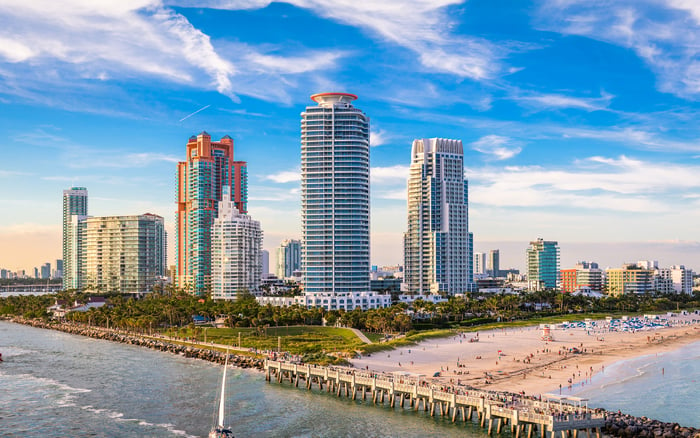
Some buyers weighing Coral Gables or Pinecrest keep a third option in view: a Miami Beach condominium that converts lifestyle into services. In that lane, value shifts from land and architecture to predictability and access.
For example, Five Park Miami Beach appeals to buyers who want a newer, design-forward tower lifestyle, often as a primary home with minimal maintenance complexity. Others look for the gravitas of hospitality-led living, where daily operations feel calibrated to a global standard, a sensibility associated with Setai Residences Miami Beach.
For buyers who prize brand consistency and a more discreet service model, The Ritz-Carlton Residences® Miami Beach is often considered in the same conversation - especially when the goal is to reduce the operational burden that comes with a large single-family home.
These Miami Beach options are not substitutes for Coral Gables or Pinecrest; they are complements in a portfolio mindset. In 2026, many luxury households are optimizing: an estate or historic residence inland for week-to-week life, plus a lock-and-leave coastal base that delivers a different kind of value.
If you are deciding between these two addresses, the market statistics are only the first pass. The enduring drivers tend to be more personal.
Coral Gables is compelling if you want a neighborhood with an established civic identity and recognizable landmarks. It is also attractive if you value the discipline of design standards - even when they constrain you - because you are buying into a maintained visual language.
Pinecrest tends to win when the buyer’s lifestyle is oriented around family logistics, outdoor space, and a quieter rhythm. Niche also ranks Coral Gables highly for public schools in Miami-Dade, placing it #3 with an overall grade shown as A+. The nuance is that Pinecrest’s reputation is more singularly centered on that school-led identity.
In both Coral Gables and Pinecrest, the current tempo suggests an unusually favorable moment for disciplined buyers. You can be choosy. You can negotiate. You can demand quality.
Choose Coral Gables if you want architectural romance, a cultural core, and a more urban elegance - with the understanding that historic oversight can influence renovation freedom. Choose Pinecrest if your definition of luxury is space, privacy, and school-aligned stability, with parks and gardens as everyday amenities.
In 2026, value is not a single number. It is the confidence that your purchase fits your life - and the leverage to secure it on terms that respect your time and your standards.
Is Coral Gables or Pinecrest more negotiable in 2026? Both show signs of reduced competitiveness, which can support stronger buyer leverage on price and terms.
Are Coral Gables homes selling quickly right now? Market data indicates longer timelines to pending, suggesting a slower pace than in peak years.
What is the main lifestyle difference between Coral Gables and Pinecrest? Coral Gables emphasizes historic character and a cultural core, while Pinecrest is more estate-like and school-driven.
Do historic rules in Coral Gables affect renovations? For listed historic properties, exterior work generally requires a Certificate of Appropriateness before permits.
Is Pinecrest known for public schools? Pinecrest is ranked highly for public schools in Miami-Dade by Niche and is widely perceived as school-centric.
How should I compare Zillow values vs Redfin median prices? They measure different things, so use them as complementary signals rather than interchangeable numbers.
Which area tends to feel more walkable and destination-like? Coral Gables is commonly associated with a destination feel tied to areas like Miracle Mile.
What amenities define Pinecrest’s day-to-day living? The village highlights multiple parks and Pinecrest Gardens as a signature botanical attraction and venue.
Does a slower market mean there are bargains everywhere? Not necessarily; it often means more room for diligence and better terms on the right properties.
Can Miami Beach condos be a smart complement to an inland home? Yes, many buyers pair an inland residence with a service-rich, lock-and-leave condo lifestyle on the beach.
For a confidential assessment and a building-by-building shortlist, connect with MILLION Luxury.
If branded residences are on your mind — as a home or as an allocation — we would be glad to share what we are seeing, privately.
Begin a quiet conversation