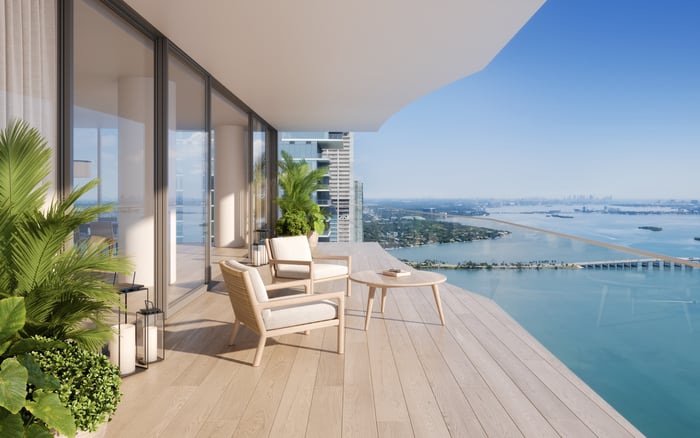
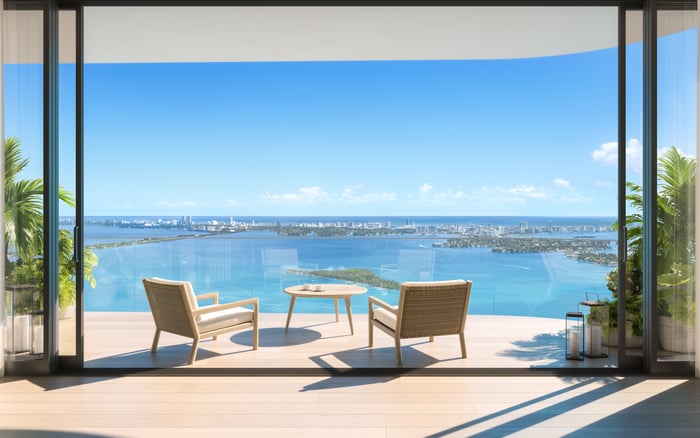
A buyer-oriented comparison of two distinct waterfront lifestyles: Edgewater’s bayfront tower living on the mainland versus Miami Beach’s oceanfront, neighborhood-driven island experience. We look at pricing signals, daily logistics, and the types of residences that match how you actually live.
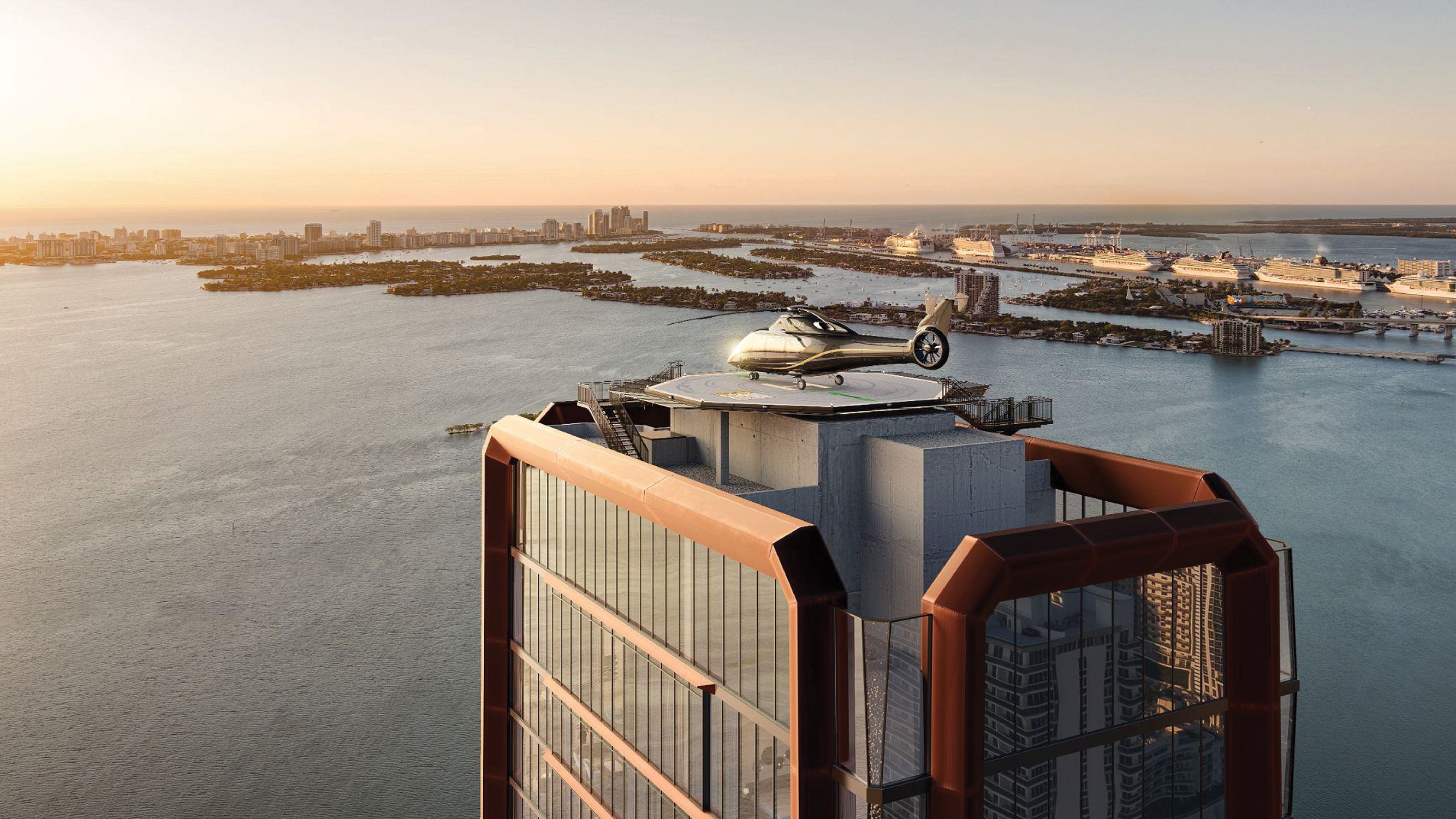
Edgewater and Miami Beach both read as “waterfront Miami,” but for luxury buyers the decision is less about a pin on a map and more about the day-to-day you’re actually buying. Edgewater is a mainland neighborhood along Biscayne Bay, generally described as stretching roughly from NE 17th Street to NE 37th Street, with the bay to the east. Miami Beach is a barrier island between Biscayne Bay and the Atlantic Ocean, often discussed in the familiar trio of South Beach, Mid-Beach, and North Beach.
That geography becomes lifestyle. Edgewater’s water is bayfront: wide views, boat activity, and glittering sunsets - typically without immediate beach access. Miami Beach is inherently beach-centric, with an oceanfront identity that shapes everything from morning routines to social calendars.
In 2026, high-net-worth buyers aren’t asking which is “better.” They’re asking which is more precise: Which neighborhood matches my calendar, my privacy threshold, and my definition of convenience?
Edgewater’s modern personality is immediate. The neighborhood is widely characterized as a new-development-forward waterfront district defined by high-rise living. For the right buyer profile, the appeal is clean and compelling: newer inventory, a contemporary skyline, and proximity to Downtown Miami, Midtown, and the Design District - without living on the barrier island.
For many primary residents, that mainland adjacency is the luxury. You can build a week around multiple hubs while keeping home life more residential than resort. Edgewater’s pace also leans outdoors in a quieter, local way. Margaret Pace Park anchors the bayfront with courts, fields, and family-friendly features - turning “waterfront” into something you use, not just admire.
On the product side, Edgewater is often defined by scaled amenity programs and branded expectations. EDITION Edgewater captures the hotel-caliber service mindset many buyers now want in a primary residence. Mega-developments reinforce the neighborhood’s confidence in modern tower living. Aria Reserve Miami is described as a two-tower, 62-story project with an expansive amenity concept and a large residence count - an illustration of the ambition that has become typical for the area.
A third lane is the future-forward trophy tower. Villa Miami reflects the ongoing appetite for a headline-grade Edgewater address, especially for buyers who want Biscayne Bay views with the mainland’s practical ease.
Miami Beach isn’t one neighborhood - it’s a layered island experience. South Beach in particular is positioned as a defining oceanfront district where residents and visitors mingle, creating constant motion: restaurants, culture, and nightlife that aren’t merely nearby, but embedded in the island’s identity.
This is also where Miami’s iconic architectural vocabulary is most legible. The Art Deco Historic District is a major heritage anchor, with a concentration of 1920s- and 1930s-era buildings and an instantly recognizable design language. Pair that with a retail and dining spine like Lincoln Road, and the island becomes a lifestyle engine. Even for residents who don’t “do nightlife,” the area’s status as one of the region’s primary nightlife hubs still matters - it influences traffic patterns, guest behavior, and the overall tone of evenings.
The tradeoff is the bridge. Causeway access is part of the Miami Beach calculus, and it can be traffic-sensitive. Many buyers embrace that friction as a feature: an island threshold that separates home from the mainland’s pace. Others experience it as a recurring cost and prioritize a residence that offsets it with comfort, security, and services.
That’s where ultra-premium product becomes decisive. If your checklist begins with ocean proximity and a hospitality-oriented residence, The Ritz-Carlton Residences® Miami Beach aligns with the “arrive and exhale” buyer who wants Miami Beach without improvising lifestyle logistics. For those seeking a similarly rarefied tone associated with top-tier resort culture, Setai Residences Miami Beach belongs naturally in the conversation.
For buyers who want Miami Beach with a more contemporary, forward-facing skyline narrative, Five Park Miami Beach reflects the island’s continued evolution beyond heritage and hospitality into new residential statements.
Luxury buyers understand price as a summary of scarcity - not just finishes. In South Florida, the most durable scarcity remains the true oceanfront condition. That scarcity often shows up as $/sf premiums and median pricing that can meaningfully diverge from mainland bayfront neighborhoods.
In Edgewater, tracked condo metrics have recently shown a median asking price around $699,000 and an average near $640 per square foot (as of January 2026 on a neighborhood market trends page). In Miami Beach, condo pricing has been described as reaching a record median of $750,000 in Q4 2025, and beachfront condo pricing has been characterized as rising year-over-year to roughly $1,048 per square foot.
At the luxury end, Miami Beach $/sf has been framed even higher in some analyses, with luxury condo medians cited around $1,292 per square foot in Q3 2025 and South Beach luxury around $1,538 per square foot. Definitions vary by dataset and segment, so treat these figures as directional rather than interchangeable. The practical takeaway remains steady: when you buy the ocean, you’re buying a premium that has shown durability.
For buyers weighing a second home versus a primary residence, this is the core question: Are you paying for the address, or the access pattern? If you’ll use the sand weekly, host family frequently, and want the island atmosphere every morning, the premium can feel rational. If the water is a view rather than a ritual, Edgewater can deliver a high-design, high-amenity lifestyle with a different value equation.
Luxury is often control over time. Here, the mainland-versus-island distinction is decisive.
Edgewater tends to suit buyers who want to move fluidly between Downtown and the city’s creative and retail nodes while keeping home life on a waterfront edge. For full-time residents, it can also feel more “plugged in” without being as visitor-oriented as Miami Beach.
Miami Beach, by contrast, is an intentional choice to live in a destination. If you host frequently, love walkable dinner plans, and want ocean-centric mornings, the island delivers. But it also requires comfort with the realities of a globally recognized neighborhood: seasonal traffic, a livelier street scene, and a broader range of short-stay activity in surrounding areas.
A useful lens is to decide what you want to be effortless.
Most decisions become clear when you match the neighborhood to the buyer profile.
Edgewater tends to resonate with:
Miami Beach tends to resonate with:
Neither is inherently more discreet. Discretion is property-specific. Branded and service-oriented residences can create privacy through logistics, while certain streets and buildings create privacy through scale and separation.
If you want a framework that still feels correct after the first year of ownership, use three questions:
First, what is your true waterfront need: view, access, or ritual? Edgewater delivers the view. Miami Beach delivers the access and ritual.
Second, what is your weekly map? Count how many trips you’ll take to mainland hubs. If that number is high, causeway dependency becomes a real quality-of-life factor.
Third, what is your preferred social setting? Miami Beach offers an always-on backdrop with strong retail and nightlife gravity. Edgewater offers a more residential cadence with quick proximity to the city’s cultural circuit.
In an era where luxury buyers increasingly prize flexibility, many households keep both: a mainland base and an island escape. For everyone else, the right neighborhood is the one that makes your default day feel designed, not managed.
Is Edgewater considered oceanfront? No. Edgewater is bayfront along Biscayne Bay, so views are common but beach access is not immediate.
Is Miami Beach a single neighborhood? No. It is a barrier island commonly grouped into South Beach, Mid-Beach, and North Beach.
Which area tends to have higher $/sf in luxury condos? Miami Beach, especially beachfront and South Beach luxury segments, typically commands higher $/sf.
Does Edgewater feel more modern than Miami Beach? Often, yes. Edgewater is widely associated with newer high-rise development and contemporary towers.
What park is central to Edgewater’s waterfront lifestyle? Margaret Pace Park is a major bayfront focal point with recreation amenities and open space.
Is Miami Beach more walkable for dining and shopping? Many buyers find it is, particularly around South Beach and areas anchored by major promenades.
Does Miami Beach have a strong historic character? Yes. The Art Deco Historic District is a defining part of Miami Beach’s identity.
Which is typically easier for mainland commuting? Edgewater generally offers easier access to mainland hubs, while Miami Beach depends on causeways.
Can I get a luxury, service-forward residence in both areas? Yes. Both markets include branded and amenity-rich buildings, though the lifestyle context differs.
Which is better for a second home: Edgewater or Miami Beach? Miami Beach often suits second-home buyers prioritizing ocean proximity, while Edgewater suits flexibility.
For a confidential assessment and a building-by-building shortlist, connect with MILLION Luxury.
If branded residences are on your mind — as a home or as an allocation — we would be glad to share what we are seeing, privately.
Begin a quiet conversation