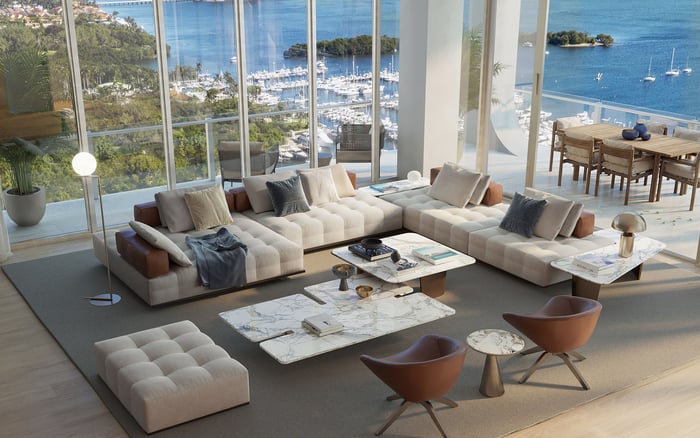
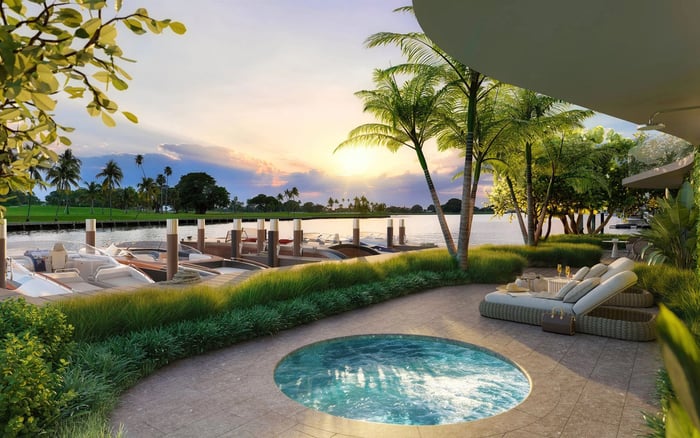
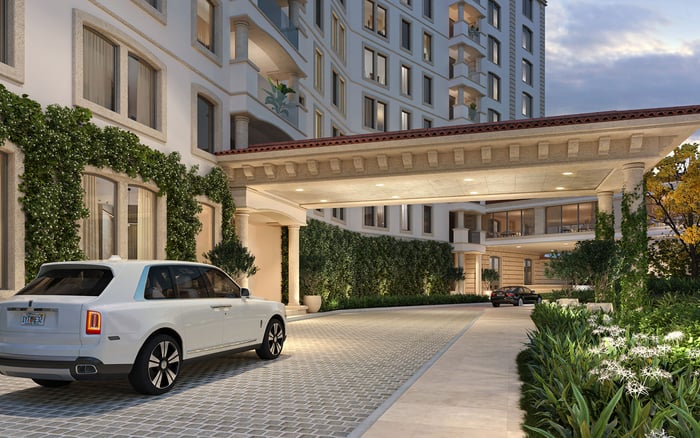
South Florida luxury buyers are increasingly valuing homes that reduce daily friction by placing wellness, dining, services, and refined retail within an intuitive neighborhood rhythm.
Luxury in South Florida has long been defined by views, privacy, architecture, and address. Those signals still matter, but the most discerning buyers are adding a quieter requirement to the checklist: the ability to live well without turning ordinary tasks into a production. Wellness-retail proximity is not about living above a busy shopping corridor or adopting a lifestyle slogan. It is about being close to the routines that protect time, health, and composure.
For many buyers, the practical test is simple. Can a morning workout, a coffee meeting, a healthy lunch, a grooming appointment, a school pickup, and an evening dinner all fit into the day without excessive driving or logistical fatigue? If the answer is yes, the home becomes more valuable in daily use. That is why proximity to fitness, spa, dining, boutique services, quality grocers, and shaded pedestrian corridors is becoming a luxury standard rather than an optional amenity.
South Florida is not a single urban condition. It is a sequence of waterfront villages, financial districts, garden neighborhoods, barrier islands, and resort corridors. The most successful luxury addresses do more than provide amenities within a building. They connect residents to a larger ecosystem that feels natural, controlled, and efficient.
In Brickell, the appeal is metropolitan compression. A buyer considering 2200 Brickell may be weighing more than architecture or finish level. The broader lifestyle question is whether the surrounding district can support a weekday rhythm with minimal friction. Wellness-retail proximity becomes a way to preserve energy in a neighborhood where professional, social, and personal schedules often overlap.
In Coconut Grove, the same idea takes on a softer texture. Walkability, greenery, village retail, and relaxed dining can make wellness feel less programmed and more embedded in the day. The residential appeal of The Well Coconut Grove sits within that larger buyer preference for a neighborhood where health, leisure, and domestic privacy can coexist without feeling overdesigned.
The last era of luxury development often emphasized amenity scale. Buyers compared pools, lounges, gyms, spas, terraces, and hospitality services. Those elements remain important, but the conversation has become more practical. Sophisticated buyers now ask whether amenities and nearby retail actually improve the week.
This is where wellness-retail proximity becomes a design advantage. A fitness studio is useful. A wellness-oriented neighborhood is more useful. A building lounge is pleasant. A surrounding fabric of cafés, restaurants, services, and calm public spaces can make the entire address function better. The emphasis shifts from spectacle to routine design.
Projects such as ORA by Casa Tua Brickell speak to this broader appetite for residences that participate in the social and culinary identity of their district. The value is not simply being near retail. It is having the right kind of access: refined, frequent, and compatible with how high-net-worth residents actually use their time.
Ultra-premium buyers are rarely purchasing square footage alone. They are purchasing a version of life that feels more composed than the one they are leaving behind. In South Florida, that often means replacing fragmented routines with a more fluid daily sequence. The fewer steps required to move from health to work to family to dining, the stronger the emotional case for the residence.
This does not mean every buyer wants density. Quite the opposite. The most valuable proximity is curated. It allows access without chaos, choice without clutter, and energy without loss of privacy. A residence may be minutes from dining and wellness services, but the experience must still feel residential, discreet, and controlled.
That is why buyers are paying closer attention to the quality of the neighborhood threshold. The walk from lobby to café matters. The route to a grocer matters. The ability to maintain a fitness routine without a long commute matters. In an environment where time is the scarcest luxury, convenience becomes a form of elegance.
Brickell expresses wellness-retail proximity through concentration. Its appeal is strongest for buyers who want access to work, dining, fitness, and social life in a compact urban setting. The best residential choices in Brickell are judged not only by their interiors, but by how gracefully they filter the city’s intensity.
Bay Harbor Islands offers a different interpretation. It is quieter, more residential, and more intimate, while still appealing to buyers who want proximity to wellness, dining, and boutique retail in the broader surrounding area. The Well Bay Harbor Islands fits neatly into the conversation because the name itself reflects the growing desire to make health and home feel connected rather than separate.
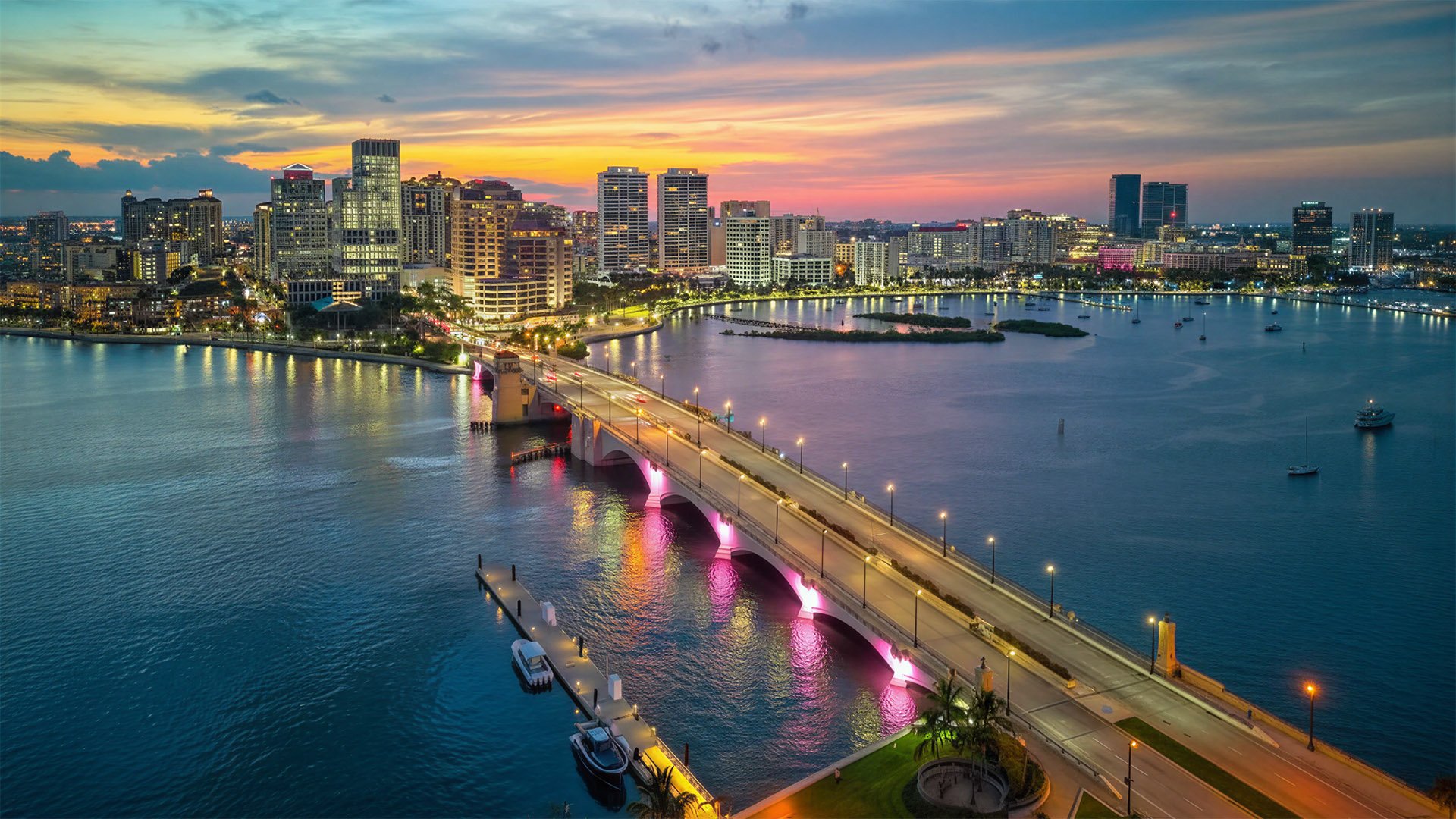
West Palm Beach brings another layer. Its luxury appeal has increasingly centered on the relationship between residential calm, cultural life, dining, and walkable urban refinement. A project such as Mr. C Residences West Palm Beach can be considered within that larger movement toward addresses where daily errands and social rituals feel polished rather than burdensome.
The most important question is not whether retail exists nearby. It is whether the surrounding retail supports the life the buyer intends to live. A neighborhood filled with activity may still be inconvenient if it lacks the services, dining, and wellness options that match a resident’s habits. Conversely, a quieter district may feel more luxurious if its nearby offerings are selective, useful, and easy to access.
Buyers should walk the neighborhood at different times of day. Morning rhythm reveals coffee, fitness, dog-walking, and school traffic. Midday reveals service convenience and dining patterns. Evening reveals noise, lighting, restaurant energy, and the transition from public activity to private retreat. A home that performs well across these moments has a stronger claim to practical luxury.
The building itself should also be evaluated as a bridge between private wellness and neighborhood wellness. Does the arrival feel calm? Is there a natural transition from the residence to the street? Does the surrounding district encourage walking when the weather allows? Are daily rituals supported without making residents feel exposed? These questions often reveal more than a brochure.
Wellness-retail proximity is not a passing preference because it is tied to fundamental needs: time, health, mobility, and ease. In a market where many residences already offer beautiful interiors and strong amenity packages, the neighborhood experience becomes a sharper differentiator. Buyers want to know how life will feel on a Tuesday morning, not only during a holiday weekend.
The most compelling South Florida addresses will continue to balance privacy with access. They will allow residents to retreat fully, then re-enter a polished network of wellness, dining, services, and retail without losing time to unnecessary complexity. That balance is the essence of practical luxury.
Why is wellness-retail proximity important for luxury buyers? It helps daily life feel more efficient, healthier, and less dependent on driving. For many buyers, that convenience now carries real lifestyle value.
Does proximity to retail reduce privacy? Not necessarily. The best luxury locations provide access to services and dining while preserving a calm residential threshold.
Is this trend mainly about walkability? Walkability is part of it, but the broader issue is routine efficiency. Buyers want wellness, dining, and services to fit naturally into the day.
Why is Brickell relevant to this conversation? Brickell offers an urban model where work, dining, fitness, and residential living can sit close together. The challenge is choosing a building that filters that energy well.
How does Coconut Grove differ from Brickell? Coconut Grove tends to express practical luxury through village rhythm, greenery, and relaxed access. Brickell is more vertical and metropolitan.
What should buyers look for near a wellness-oriented residence? They should look for useful daily services, quality dining, fitness options, calm streetscapes, and a neighborhood rhythm that matches their lifestyle.
Is an in-building gym enough? An in-building gym helps, but many buyers also value the surrounding wellness ecosystem. Nearby options can make routines more flexible.
Can a quieter neighborhood still offer strong retail proximity? Yes. The key is not volume of retail, but the usefulness and quality of what is nearby.
Does wellness-retail proximity matter for second-home buyers? It can matter even more because time in residence is limited. Easy access helps owners settle into a refined routine quickly.
How should buyers compare projects with similar amenities? They should compare the lived experience outside the lobby, including access, noise, service quality, and daily convenience.
For a discreet conversation and a curated building-by-building shortlist, connect with MILLION.
If branded residences are on your mind — as a home or as an allocation — we would be glad to share what we are seeing, privately.
Begin a quiet conversation