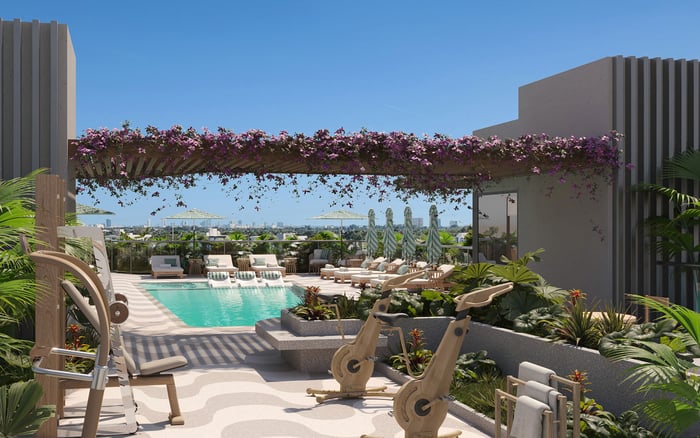
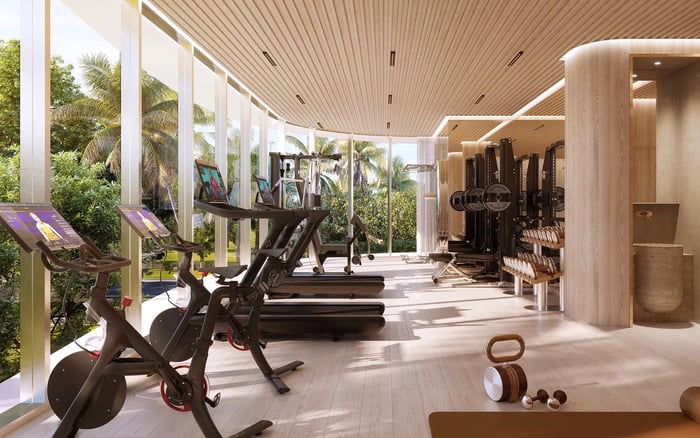
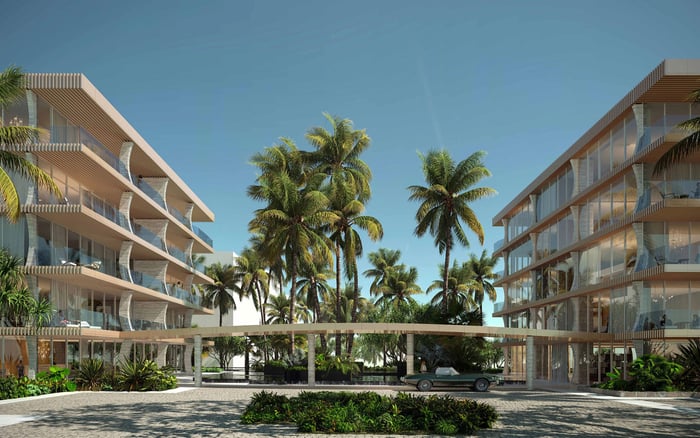
A buyer-focused look at why true wellness in South Florida luxury real estate is measured by concierge execution, privacy, continuity, and daily usefulness rather than by photogenic amenities alone.
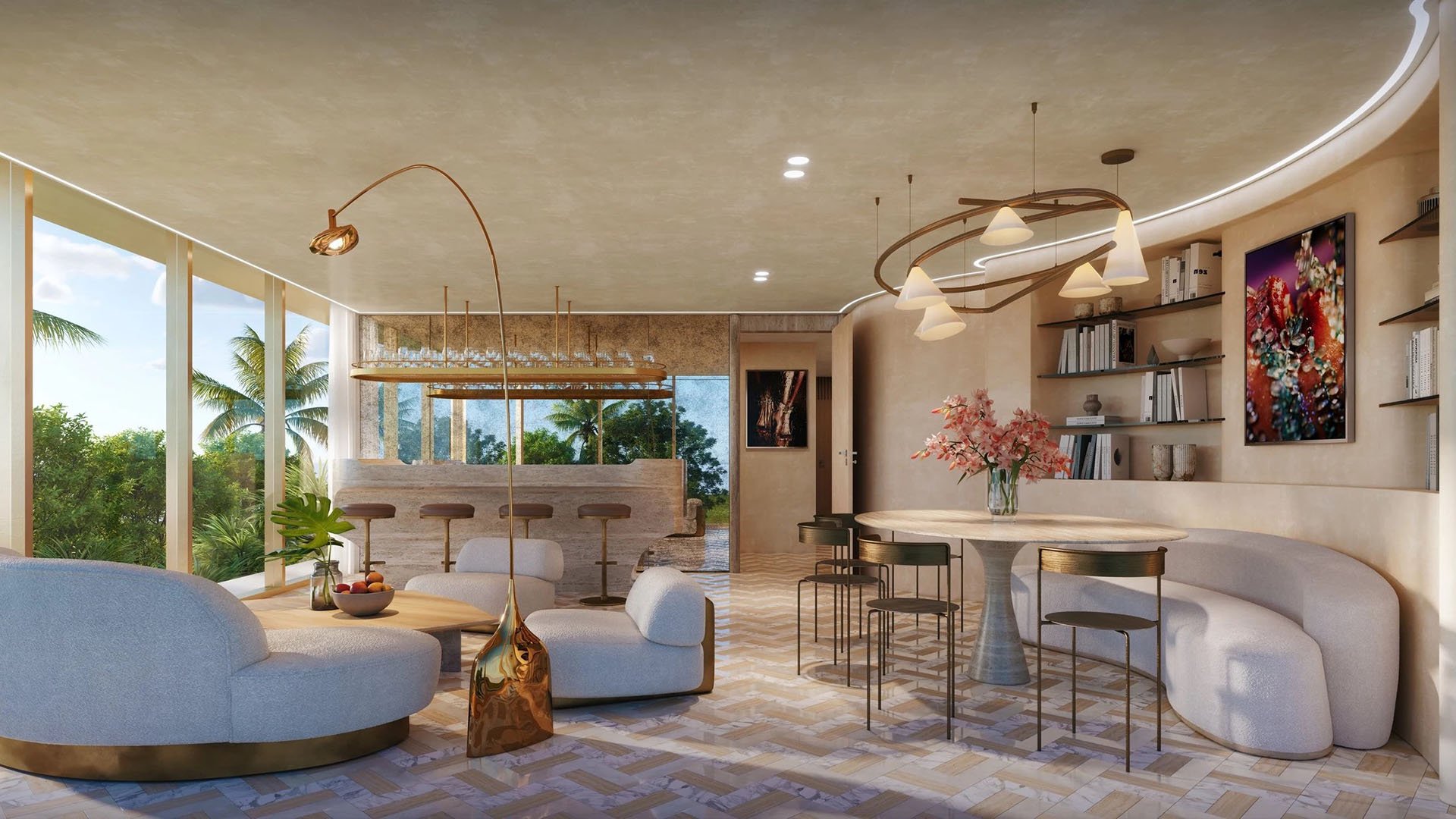
Wellness has become one of the most persuasive words in luxury residential marketing. It appears beside spa suites, treatment rooms, movement studios, meditation lawns, cold plunges, private gardens, and quiet lobbies designed to lower the pulse before the elevator doors open. Yet for sophisticated South Florida buyers, the question has shifted. The issue is no longer whether a building can photograph wellness beautifully. It is whether the residence can deliver wellness reliably, discreetly, and personally after move-in.
That is where wellness concierge services change the conversation. A room is an amenity. A program is an operating promise. A concierge with the right network, training, discretion, and follow-through can turn a polished wellness floor into a living system that supports sleep, recovery, nutrition, fitness, family routines, and privacy. Without that operational layer, many wellness features risk becoming elegant backdrops.
For a buyer comparing Brickell, Miami Beach, Bay Harbor Islands, Coconut Grove, Boca Raton, and Palm Beach, the distinction matters. The most compelling residences are not simply adding more spaces. They are asking how a resident actually lives on a Tuesday morning, after travel, before a board meeting, during a humid summer week, or while hosting family for the season.
A well-designed wellness amenity can set the stage, but concierge service determines whether it becomes part of daily life. The distinction is simple: amenity marketing sells access; wellness concierge service manages outcomes.
Consider the difference between a fitness room and a coordinated training routine. A gym may be beautifully equipped, but a wellness concierge can help align private sessions, recovery windows, preferred instructors, and household calendars. A spa suite can be serene, but the real value appears when booking, privacy, timing, preparation, and follow-up are seamless. A nutrition concept may sound appealing, but service matters when dietary preferences, travel schedules, family needs, and entertaining are handled without repetition.
This is why buyers evaluating projects such as The Well Bay Harbor Islands should look beyond the presence of wellness language and ask how the experience is coordinated. Who responds? What can be arranged in-residence? How are preferences remembered? Is the offering reactive, or does it anticipate needs?
True wellness concierge is not noisy. It does not require residents to manage a patchwork of apps, vendors, and front-desk explanations. It should feel almost invisible, with the resident experiencing calm because the friction has been absorbed elsewhere.
The first question is staffing. A building can have impressive wellness spaces, but if no one is accountable for curating the resident experience, usage becomes inconsistent. Buyers should ask who oversees wellness requests, how far the service extends, and whether the team can coordinate outside specialists without compromising privacy.
The second question is personalization. Real wellness is not one-size-fits-all. A seasonal owner, a young family, an athlete, a frequent traveler, and a retired couple may all want different forms of support. The concierge should be capable of remembering preferences, adjusting routines, and working quietly around the resident’s lifestyle rather than forcing residents into a fixed calendar.
The third question is privacy. In the ultra-premium market, wellness is intimate. Health goals, recovery routines, bodywork, nutrition, and stress management require discretion. Buyers should listen carefully for vague answers. If the service model cannot explain how privacy is protected, the amenity may be more cosmetic than substantial.
The fourth question is continuity. A single excellent appointment is not the same as a wellness ecosystem. The strongest service cultures reduce repetition. They know what the resident prefers, whom the resident trusts, when the resident likes to train, and how the household likes to move through the day.
At 2200 Brickell, in any Brickell tower, and across the wider urban core, this operational lens is especially important because residents often buy for both convenience and pace. Wellness must counterbalance the city, not simply decorate it.
South Florida makes wellness concierge especially relevant because the region’s luxury lifestyle is intensely seasonal, mobile, and service-driven. Owners move between primary residences, second homes, boats, clubs, offices, airports, and family commitments. They may spend part of the year in residence and still expect the home to function perfectly when they arrive.
That rhythm rewards buildings that can prepare, coordinate, and simplify. The resident returning from travel should not have to rebuild a routine from scratch. The owner hosting guests should not have to manage every detail. The family arriving for winter should not need several weeks to reestablish training, recovery, spa, and nutrition preferences.
In Coconut Grove, the appeal often includes privacy, greenery, and a more residential pace. A buyer touring The Well Coconut Grove may naturally focus on how a wellness concept integrates with that softer neighborhood character. In Miami Beach, where ocean air, design, dining, and resort sensibility shape expectations, a residence such as Shore Club Private Collections Miami Beach invites a different question: can the service standard feel both elevated and effortless without turning private life into hotel theater?
Boca Raton adds another layer. Buyers considering Alina Residences Boca Raton may prioritize calm, convenience, and a refined daily cadence. In that setting, wellness concierge should not feel performative. It should support a composed lifestyle, where health, privacy, and household ease are part of the same residential experience.
The best wellness concierge programs create continuity between architecture and life. They help residents use the building as intended. They reduce the gap between an amenity brochure and a lived routine. Most importantly, they recognize that wellness is not a single feature. It is the absence of unnecessary friction.
For luxury buyers, this changes due diligence. A steam room, treatment suite, or serene garden may influence first impressions, but the deeper value lies in management culture. Ask whether requests are tracked. Ask whether the team can coordinate trusted practitioners. Ask how residents book spaces. Ask what happens when demand is high. Ask whether the program is curated, staffed, and maintained, or simply branded.
There is nothing wrong with beautiful amenity marketing. Beauty matters. Design sets emotional tone, and South Florida’s best residences understand the power of arrival, light, water, texture, and proportion. But beauty becomes durable value only when service brings it to life.
Real wellness is not louder branding. It is the quiet confidence that the home supports the resident before the resident has to ask twice.
What is wellness concierge in a luxury residence? It is a service layer that helps coordinate wellness-related needs such as routines, appointments, privacy preferences, and access to trusted providers.
How is it different from a wellness amenity? An amenity is a physical space or feature, while concierge service manages how that feature is used, personalized, and integrated into daily life.
Why does this matter for South Florida buyers? Many owners have seasonal, mobile lifestyles, so coordinated service can make a residence feel ready, familiar, and efficient from the moment they arrive.
What should I ask during a private tour? Ask who manages wellness requests, how bookings work, how privacy is handled, and whether preferences are remembered over time.
Is a branded wellness concept always better? Not automatically. The strength of the operating team and service culture matters more than the label attached to the amenity.
Can wellness concierge support family living? Yes, when it is flexible enough to coordinate different schedules, preferences, and routines for multiple household members.
Does wellness concierge affect resale value? It can support perceived value when the service is credible, well-managed, and aligned with the expectations of luxury buyers.
Should privacy be a major concern? Yes. Wellness is personal, so discretion, controlled access, and careful handling of preferences should be central to the service model.
What is a warning sign of amenity marketing? Vague answers about staffing, scheduling, maintenance, or personalization may suggest the wellness concept is more visual than operational.
How should I compare wellness-focused buildings? Compare not only the spaces, but also the service standards, resident experience, privacy practices, and ability to deliver consistently.
To compare the best-fit options with clarity, connect with MILLION.
If branded residences are on your mind — as a home or as an allocation — we would be glad to share what we are seeing, privately.
Begin a quiet conversation