A buyer-focused look at why walkability can be more valuable than waterfront for certain South Florida luxury lifestyles, especially when daily access, culture and convenience shape the true experience of home.
For decades, South Florida luxury has spoken fluently in the language of water. Oceanfront, bayfront, Intracoastal and marina access remain among the region’s most emotionally resonant attributes. They deliver drama, privacy and a sense of arrival that cannot be replicated inland. Yet a more nuanced question is increasingly shaping high-end decisions: what if the most valuable view is not the water, but the ability to step outside and live well within minutes?
Walkability is not a rejection of waterfront living. It is a different expression of luxury, defined by time, ease and rhythm. For a buyer whose mornings begin at a fitness studio, whose lunches happen near the office, whose evenings unfold at a favorite dining room and whose weekends move between culture, retail and friends, proximity becomes a quiet privilege. The home is no longer only a retreat. It becomes the command center for a full South Florida life.
This is why Brickell continues to draw buyers who value density, service and immediate access. A residence such as 2200 Brickell speaks to that preference for urban convenience, where the value proposition is not simply the residence itself, but the ecosystem around it.
The walkable luxury buyer is often practical in a deeply sophisticated way. They may already access the water through a club, a second home, a boat or a preferred beach routine. What they need from a primary residence is frictionless living. Groceries, coffee, wellness, restaurants, offices, schools, salons and green space all enter the calculus.
That calculation can make an inland or urban address feel more luxurious than a more isolated waterfront home. The appeal is not measured only in scenery. It is measured in how few decisions a resident must make before enjoying the day. Can one step out for dinner without coordinating a driver? Can children or guests move comfortably through the neighborhood? Can errands be handled between calls? Can a weekday feel composed rather than logistical?
In Brickell, projects such as ORA by Casa Tua Brickell reflect the magnetism of a neighborhood where hospitality, dining and residential life converge. The attraction is not merely vertical living. It is the promise of a city lifestyle without surrendering refinement.
Walkability also carries an emotional dimension. Its most desirable form is not simply proximity to commerce, but proximity to a pleasing daily ritual. Tree canopy, scaled streets, cafes, parks, galleries and neighborhood restaurants matter because they make life feel personal. In this sense, walkability is less about counting blocks and more about the quality of the walk.
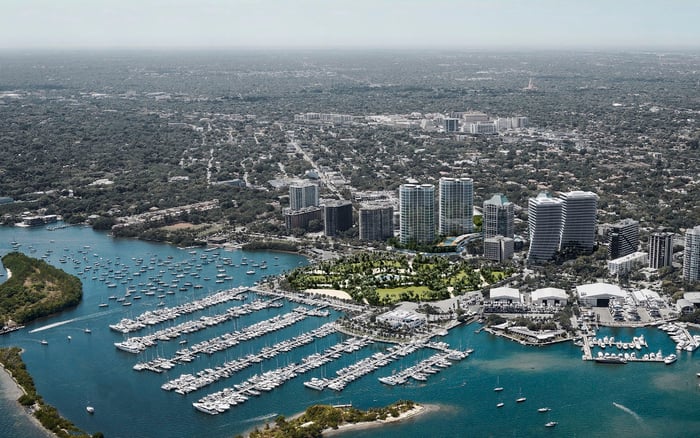
Coconut Grove is often understood through that lens, with its relaxed pace, mature landscaping and intimate neighborhood character. The Well Coconut Grove fits naturally into the conversation because wellness-led living is especially persuasive when the surrounding neighborhood supports an unhurried daily routine.
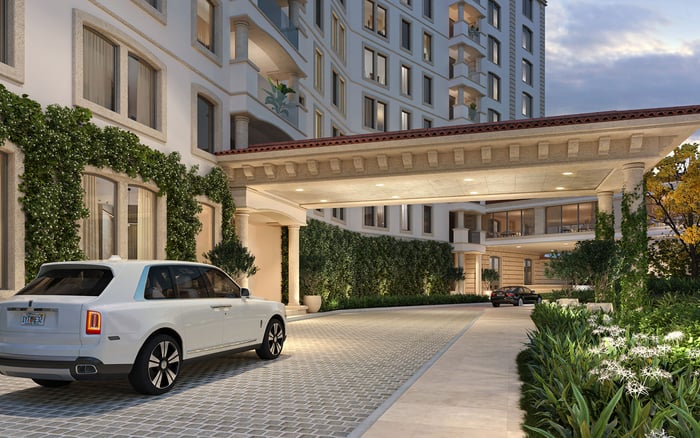
Coral Gables offers a different version of the same idea, rooted in civic grace, architectural continuity and neighborhood composure. At The Village at Coral Gables, the appeal is tied to a more traditional interpretation of luxury: scale, texture, walkable streets and a sense of permanence. For certain buyers, that may be more compelling than a balcony view over open water.
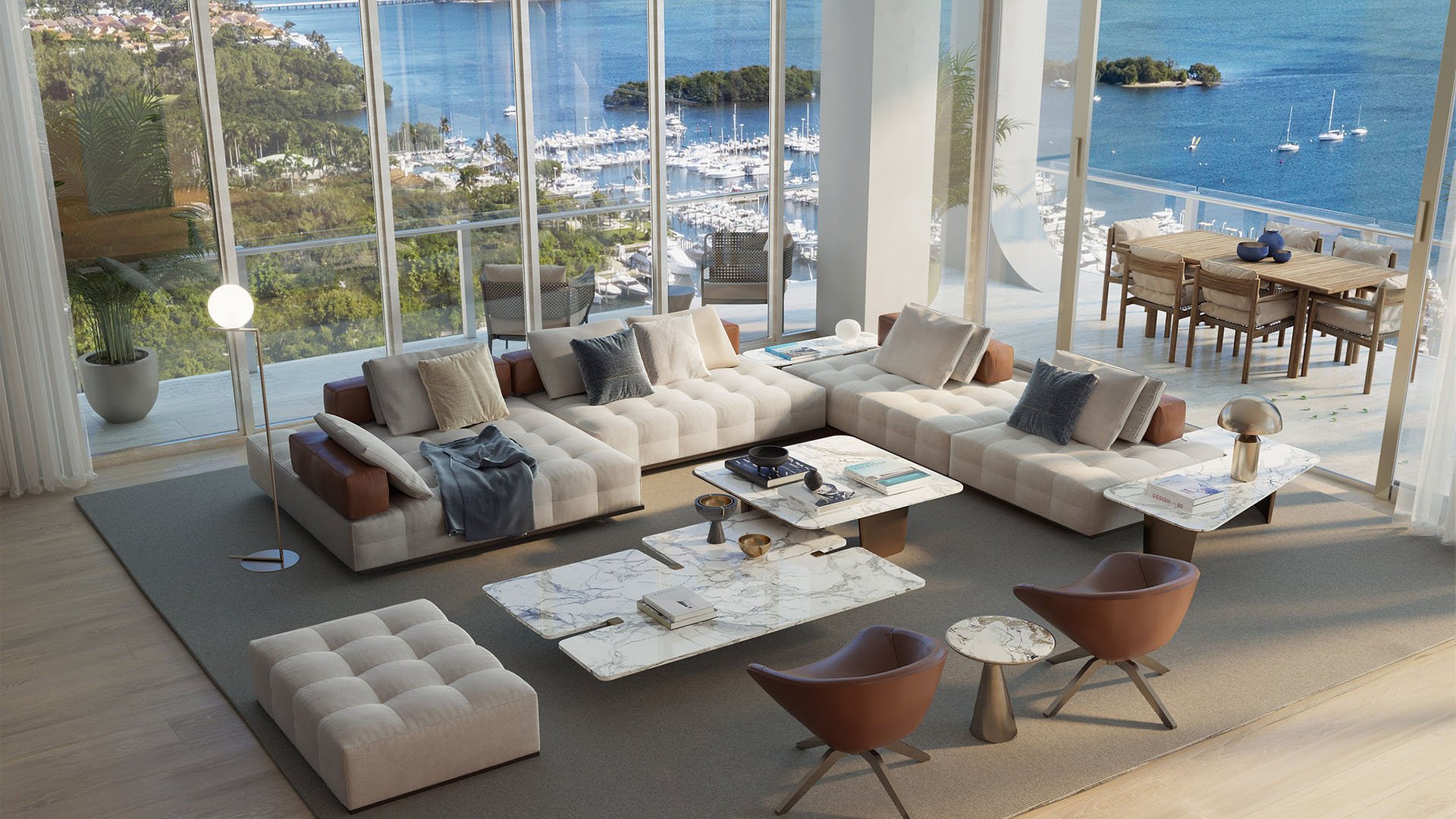
Waterfront remains powerful for buyers who prioritize privacy, sunrise or sunset rituals, boating, direct beach access or the emotional calm of open views. For them, the water is not a feature. It is the reason. A walkable address cannot replace the feeling of waking up to a horizon line, watching weather move across the bay or stepping directly into a coastal environment.
The distinction is not about one category defeating the other. It is about matching the residence to the life actually being lived. A buyer who entertains primarily at home, travels frequently by car and values visual serenity may still prefer waterfront. A buyer who wants to dine out often, move between appointments and avoid unnecessary driving may find greater day-to-day satisfaction in a walkable district.
The most sophisticated decisions begin with honesty. Is the home meant to frame the view, or to shorten the distance between everything one already does?
The most useful exercise is to map a typical week rather than an ideal weekend. Where are the dinners, workouts, schools, offices, appointments and errands? Which places are visited repeatedly? Which trips create friction? The answers often reveal whether walkability is a lifestyle luxury or merely a pleasant bonus.
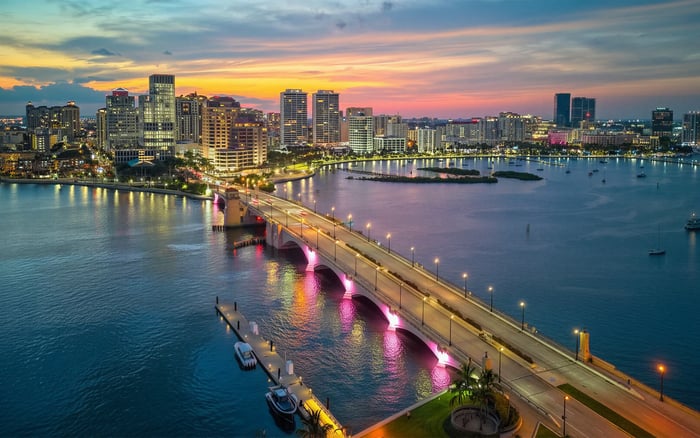
West Palm Beach offers a compelling example of this shift because buyers increasingly consider the relationship between residential calm and nearby dining, retail, cultural and business life. Mr. C Residences West Palm Beach belongs in that discussion for buyers who want a polished residential base close to the energy of an evolving urban center.
The same evaluation should include noise, traffic patterns, valet experience, parking, sidewalk quality, shade, security and the character of the surrounding blocks at different times of day. At the luxury level, walkability is not simply being near things. It is being near the right things, with the right degree of comfort and discretion.
Ultimately, South Florida’s most desirable homes are becoming more personal in their definition of value. For some, the water will always be irreplaceable. For others, the highest luxury is stepping outside and finding the day already arranged.
Is walkability really more important than waterfront for luxury buyers? For some buyers, yes. It depends on whether daily convenience, dining, wellness and neighborhood access matter more than views or direct coastal access.
Does choosing walkability mean giving up prestige? Not necessarily. Many of South Florida’s most desirable addresses combine architectural quality, service and strong neighborhood access.
Which buyers tend to prioritize walkability? Buyers with active daily routines, frequent dining habits, office needs, school considerations or a preference for low-friction urban living often prioritize it.
Can a walkable residence still feel private? Yes. Privacy depends on building design, arrival sequence, services, residence layout and how the property manages the transition from street to home.
Is Brickell mainly for buyers who work nearby? Not only. Brickell also appeals to buyers who want restaurants, services, wellness and city energy close to home.
How should I compare a waterfront condo with a walkable condo? Compare your actual weekly routine, not just the view. The better choice is the one that improves how you live most days.
Does walkability matter for second homes? It can matter greatly. Second-home owners often value the ability to arrive, settle in quickly and enjoy the neighborhood without constant driving.
What makes walkability feel luxurious rather than merely convenient? The quality of nearby restaurants, streets, landscaping, wellness options, services and overall atmosphere determines whether walkability feels elevated.
Should families consider walkability in luxury purchases? Yes. Access to schools, parks, dining and daily services can make a residence more practical for families without reducing sophistication.
Will waterfront always command attention in South Florida? Yes. Waterfront remains deeply desirable, but it is no longer the only way luxury buyers define an exceptional lifestyle.
For a tailored shortlist and next-step guidance, connect with MILLION.
If branded residences are on your mind — as a home or as an allocation — we would be glad to share what we are seeing, privately.
Begin a quiet conversation