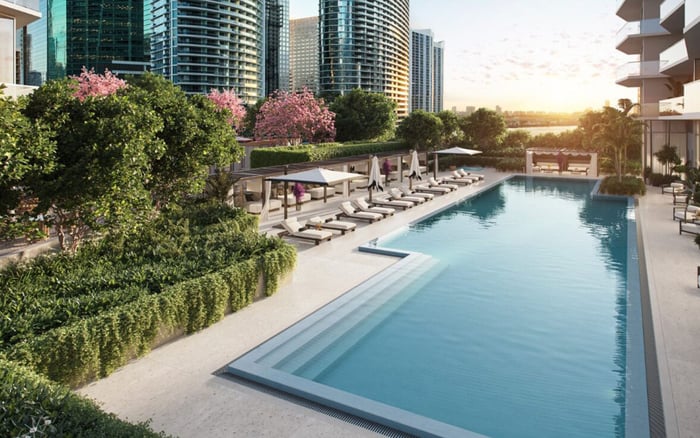
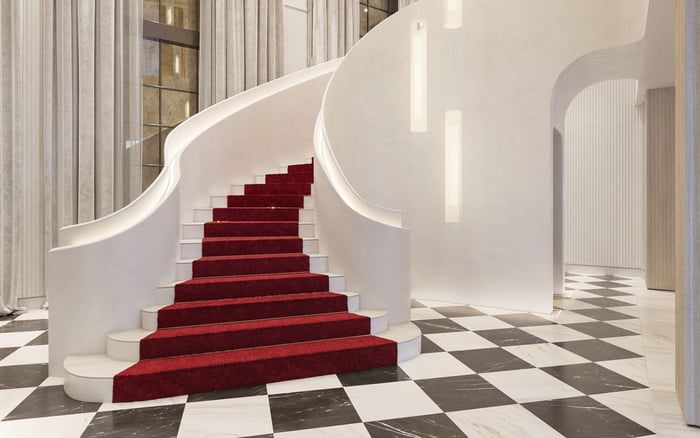
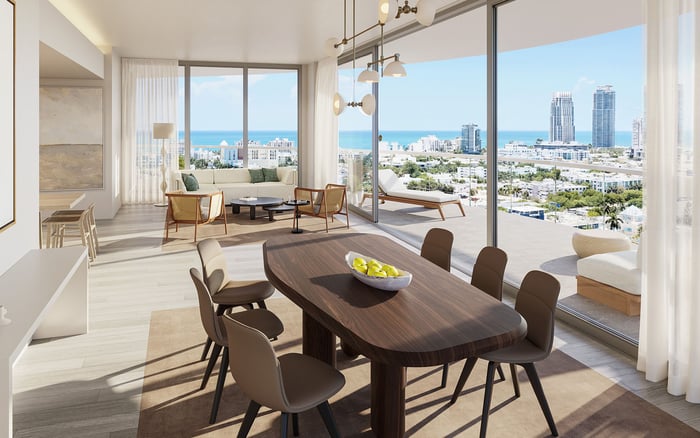
Outdoor recovery terraces are becoming a defining element of discreet South Florida luxury, shifting the focus from decorative balcony space to private, wellness-led outdoor rooms designed for restoration, privacy and daily ritual.
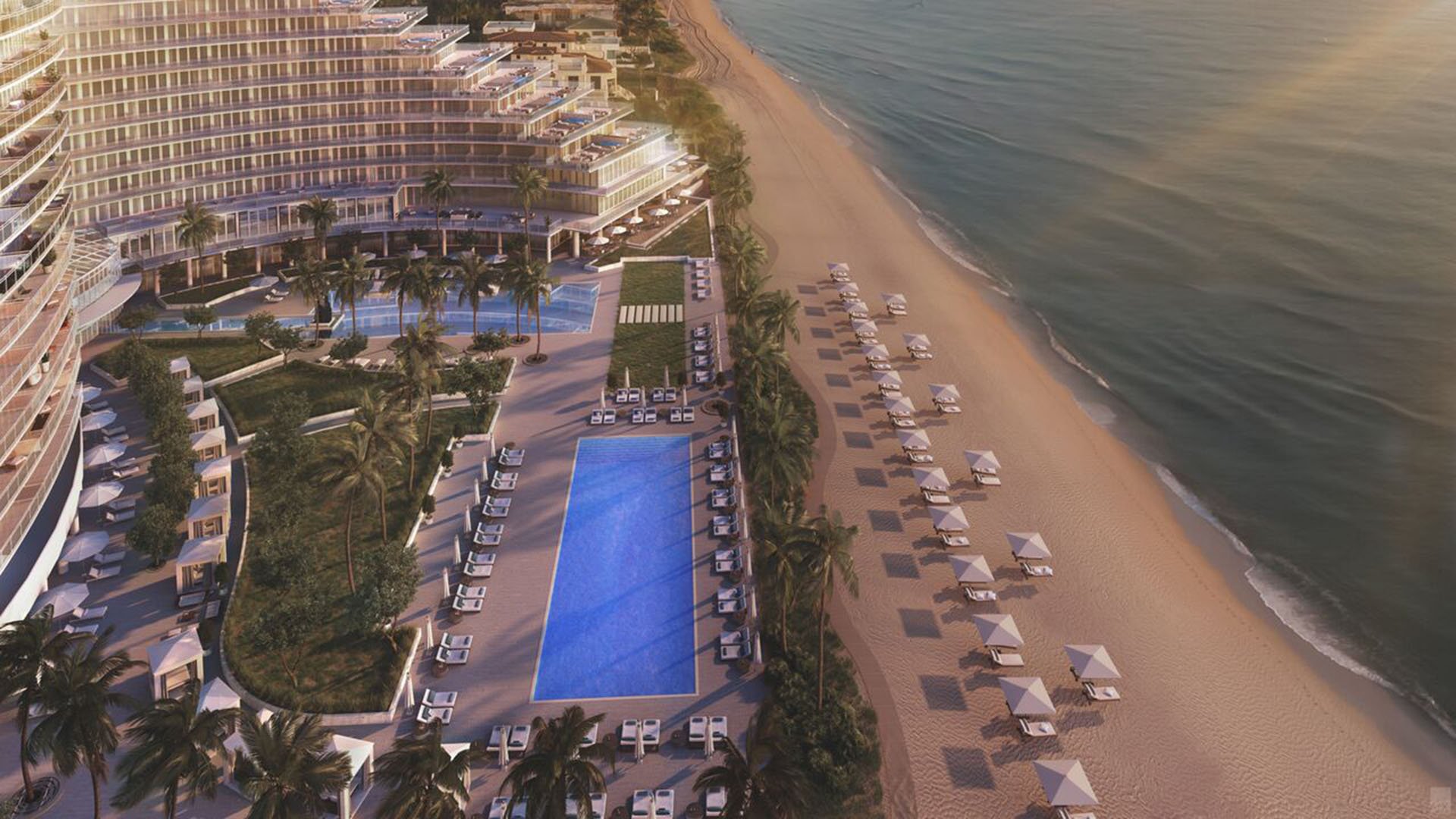
In South Florida, the most persuasive luxury increasingly does not announce itself. It is felt in the first hour of the morning, when the air is still soft, or after a long flight, when a resident steps outside and the nervous system begins to settle before anyone says a word. That is the promise of the outdoor recovery terrace in 2026: not a larger balcony for entertaining, but a private open-air room calibrated for restoration.
The distinction matters. A conventional terrace may offer a view, a dining table and a place for a cocktail. A recovery terrace is more deliberate. It considers shade, privacy, water, airflow, planting, sound, circulation and the distance between the primary suite, spa bath, plunge area and lounge. It is less about spectacle than sequence. Wake, breathe, hydrate, stretch, cool down, read, recover.
For ultra-premium buyers, this is not a passing wellness flourish. It reflects a broader reordering of residential priorities. The most coveted homes are not merely places to display taste. They are environments designed to protect time, health and attention. In a region where climate and light are central to daily life, the terrace has become one of the most revealing spaces in the floor plan.
Quiet luxury favors materials, proportion and restraint over overt branding. On an outdoor terrace, that means nothing feels improvised. The stone underfoot remains elegant when wet. The furnishings feel substantial without becoming theatrical. The planting softens sightlines without turning the space into a theme. Lighting is layered and low, preserving intimacy after sunset.
The best recovery terraces do not compete with the interior. They extend it. A bedroom opening to a shaded seating area, a bathroom connecting naturally to an outdoor shower, or a wellness room spilling onto a private cooling zone can create a sense of resort living without compromising the privacy of home. This is particularly important for buyers who already have access to clubs, spas and hotels. At the highest end, convenience is not the only luxury. Control is.
That is why privacy is the first filter. A terrace can be expansive and still fail if it feels observed. Buyers should study neighboring sightlines, tower orientation, railing transparency and the relationship between outdoor rooms above and below. A truly refined recovery space gives residents the feeling of being outside without being on display.
The South Florida setting is seductive, but it is not passive. Sun, humidity, wind, salt air and afternoon weather patterns all shape how a terrace performs. A beautiful plan rendering may show a serene outdoor room, yet daily use depends on practical details. Is there enough shade at the hours the resident will actually use the space? Does the furniture layout allow conversation without glare? Can planters tolerate exposure? Is there a logical path for service, towels and refreshments that does not interrupt the private zone?
For oceanfront homes, the recovery terrace has an additional responsibility. It must respect the drama of the view while creating refuge from it. Too much exposure can make a space feel ceremonial rather than usable. The most successful designs frame the water, provide sheltered corners and offer a progression from open view to protected retreat.
In Brickell, the question is often vertical privacy and acoustic calm. A high-floor outdoor room can feel cinematic, yet recovery depends on reducing friction. Buyers should consider whether the terrace supports morning quiet, post-work decompression and weekend leisure without requiring constant setup. In Miami Beach settings, the relationship between sunlight and shade can be the difference between a terrace admired by guests and one used every day. In Palm Beach, where discretion remains a cultural value, landscape, screening and proportion are especially important.
A recovery terrace begins with purpose. It is not simply furnished after the fact. It is planned around rituals. For some owners, that means a shaded lounge for reading after a swim. For others, it is a place for breathwork, stretching, cold plunge recovery, outdoor bathing or quiet conversation away from formal entertaining areas.
The strongest layouts usually include zones. One zone is active and flexible, allowing movement, yoga or light exercise. Another is still and restorative, with comfortable seating, a daybed or a pair of loungers positioned for privacy. A third may be social, but remains subdued, with dining or drinks handled without overtaking the entire terrace. When every square foot has a role, the space feels calm rather than crowded.
Water is another subtle marker. A pool, plunge feature, outdoor shower or even a carefully placed basin can change the emotional register of the terrace. The point is not excess. It is recovery through temperature, sound and ritual. A small, well-positioned water element can be more valuable than a larger feature that dominates circulation or compromises serenity.
Material restraint also matters. In new-construction residences, buyers often see outdoor spaces staged to feel instantly photogenic. The more relevant question is how the terrace will age. Finishes should be durable, tactile and quiet. Hardware, drains, thresholds, wind screens and lighting should appear resolved, not added. In quiet luxury, the absence of visual noise is a feature.
A buyer should experience the terrace as a daily room, not as an amenity caption. Visit at different times if possible. Morning light can flatter a space that becomes harsh in the afternoon. Evening may reveal whether lighting is intimate or overly bright. Wind can turn a dramatic perch into a space that is rarely occupied. Privacy can shift when neighboring residences are active.
The path from interior to exterior deserves equal attention. A recovery terrace should not feel like a detour. It should be close enough to the primary suite, wellness area or main living space to invite spontaneous use. If towels, water, robes or cushions require too much effort, the ritual will fade. Luxury lives in the reduction of small obstacles.
Storage is another underappreciated element. Outdoor cushions, fitness props, blankets, spa accessories and tableware need elegant concealment. Without it, even a remarkable terrace can become visually cluttered. The most compelling properties solve this quietly, with millwork, service access or integrated cabinetry that allows the space to reset easily.
Finally, consider flexibility. The owner who wants sunrise stretching today may want shaded recovery after tennis tomorrow. Guests may gather before dinner, while the resident still wants a private corner preserved. A well-designed terrace can adapt without losing its calm.
Outdoor recovery terraces resonate because they answer a specific need among sophisticated buyers: the desire for a home that restores rather than merely accommodates. This is not wellness as performance. It is wellness as architecture. The terrace becomes a buffer between the intensity of travel, work and social life and the privacy of the residence.
It also gives the home a more complete sense of place. South Florida luxury has always been connected to light, air and water. The difference in 2026 is the level of discernment. Buyers are no longer impressed by outdoor square footage alone. They are asking whether that square footage has intelligence. Can it be used in comfort? Does it feel private? Does it support the life the owner is actually building?
For sellers and developers, the lesson is equally clear. A terrace that reads as an afterthought will be judged quickly. A terrace that feels calm, purposeful and beautifully resolved can become the emotional center of a residence. It may not be the loudest feature in the home, but it can be the one a buyer remembers.
What is an outdoor recovery terrace? It is a private outdoor space designed for rest, wellness and decompression, not just entertaining or views.
How is it different from a standard balcony? A balcony may be primarily scenic, while a recovery terrace is planned around privacy, comfort, shade and daily ritual.
Why is this important in South Florida? The climate makes outdoor living central, but comfort depends on thoughtful control of sun, wind, humidity and privacy.
Should buyers prioritize size or design? Design usually matters more. A smaller, sheltered and well-zoned terrace can outperform a larger exposed space.
What should I look for during a showing? Study shade, sightlines, wind, noise, furniture placement, storage and the ease of moving between indoor and outdoor areas.
Is a water feature necessary? No. Water can enhance recovery, but only when it supports calm, circulation and usability rather than dominating the layout.
Do high-floor terraces work for recovery? They can, provided wind, glare, acoustics and privacy are carefully resolved within the design.
Can a terrace support both wellness and entertaining? Yes. The best terraces use separate zones so social use does not erase the private recovery function.
What makes a terrace feel quietly luxurious? Restraint, durable materials, layered lighting, privacy, comfortable proportions and a lack of visual clutter.
Is this trend relevant beyond new development? Yes. Existing residences can often be reimagined with better planting, furniture, shade, lighting and storage.
To compare the best-fit options with clarity, connect with MILLION.
If branded residences are on your mind — as a home or as an allocation — we would be glad to share what we are seeing, privately.
Begin a quiet conversation