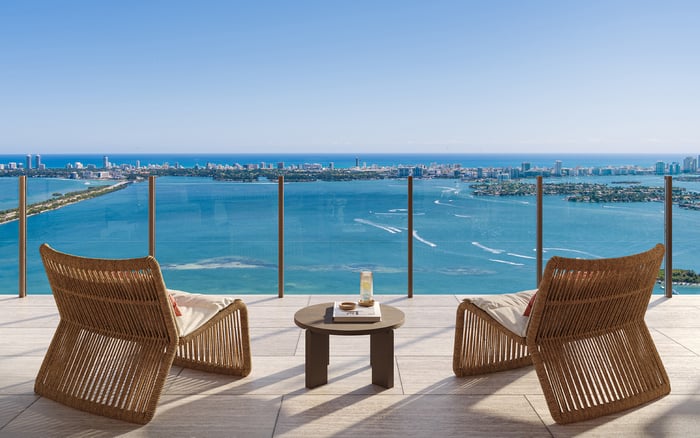
A buyer-focused comparison of Faena Residences Miami Downtown Miami and Villa Miami, examining wellness programming, amenity access, spa traffic, privacy, neighborhood fit, and long-stay ownership discipline.
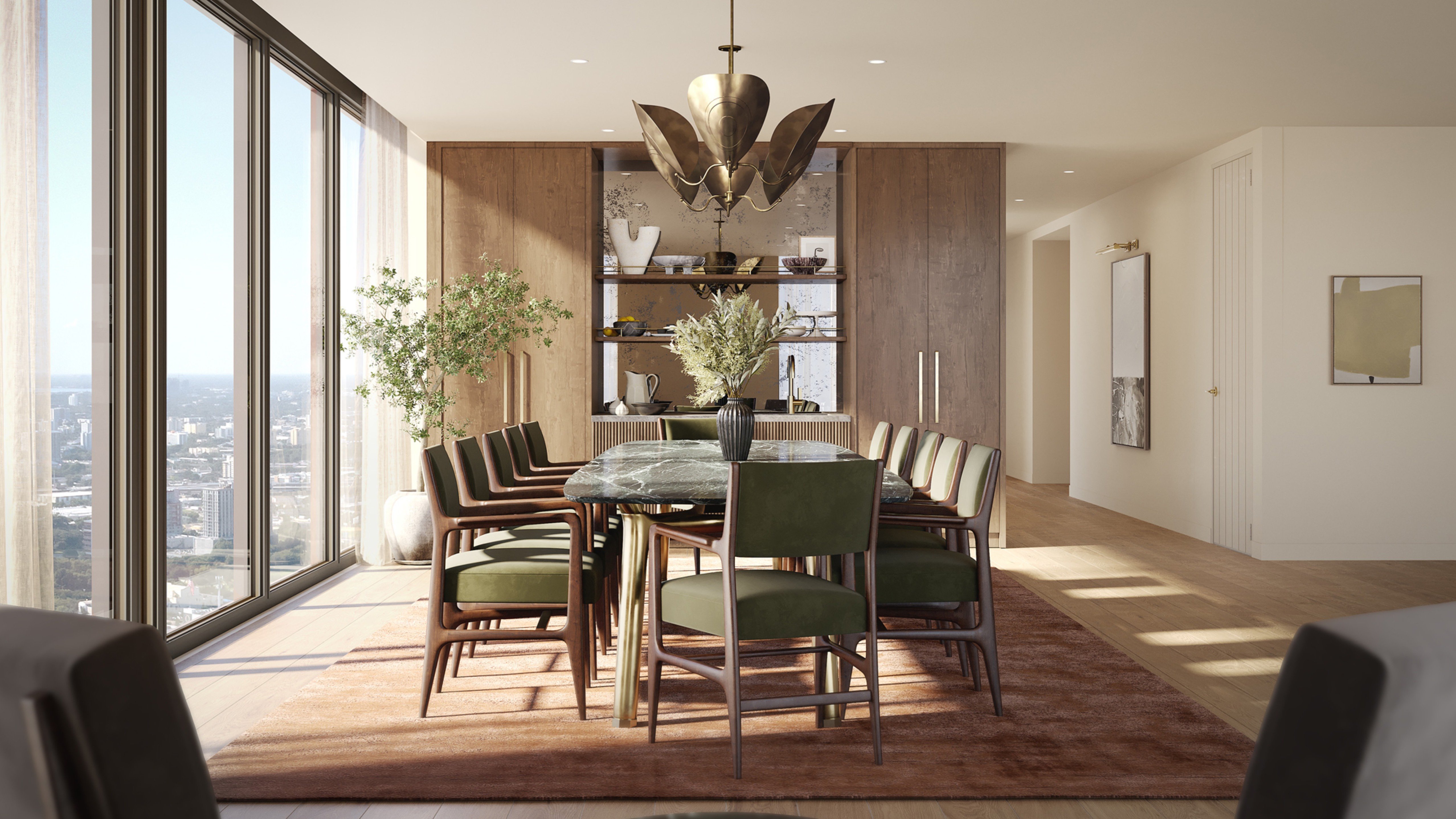
In Miami’s branded-residence market, wellness has evolved from a pleasant amenity into a defining element of value. Yet the word is now used so broadly that it can blur the more practical question: who controls the experience once residents move in?
That question sits at the center of Faena Residences Miami Downtown Miami and Villa Miami. Both are positioned for buyers who expect more than a gym, a treatment room, or a landscaped pool deck. Both speak to a lifestyle in which food, service, programming, privacy, and the rhythm of daily life matter. But the two propositions are not the same. One is best understood through the lens of a hospitality and cultural ecosystem. The other is framed as a more vertically integrated residential experience: a private villa in the sky rather than a hotel-adjacent resort.
For Downtown and Edgewater buyers, the distinction is material. A wellness program can add meaningful value when access is reliable, staffing is sufficient, and residents do not feel they are competing with outside demand. It can also become a source of friction if the most desirable spaces feel public, over-programmed, or difficult to use during peak periods.
Faena Residences Miami Downtown Miami is best approached as an ultra-luxury branded residence whose promise is tied to hospitality integration, wellness access, and long-stay livability. Its appeal is not simply the idea of private amenities, but the possibility of living within reach of a larger Faena-branded world of service, culture, dining, and wellness.
That broader ecosystem is also the diligence point. Buyers should separate the romance of the brand from the mechanics of access. Which wellness privileges are resident-only? Which are shared with hotel guests, members, visitors, or other users? Are prime spa times protected for residents, or will the most desirable appointments require planning around nonresident demand? The more a residence borrows energy from a hospitality environment, the more important it becomes to understand how that energy is managed.
Faena may suit a buyer who wants atmosphere, service density, cultural programming, and a sense of occasion. It may be less ideal for a buyer whose highest priorities are silence, controlled circulation, and a strictly residential mood. The issue is not whether resort energy is good or bad. The issue is whether it matches how the owner actually intends to live.
There is also a location diligence layer. The Faena name is closely associated with a Miami Beach hospitality and cultural context, while this comparison is focused on Faena Residences Miami Downtown Miami. Before signing, buyers should confirm precisely which rights, services, and privileges attach to the Downtown residence and which belong to the broader brand narrative.
Villa Miami in Edgewater presents a different form of branded living. Its wellness story is less about adjacency to a resort district and more about a curated residential lifestyle in which culinary programming, services, and wellness routines are intended to be integrated into the building experience.
That makes the diligence more operational than atmospheric. If the building is meant to feel like a private villa in the sky, the buyer should ask how that promise is funded, staffed, governed, and maintained. Who sets the service standards? What portion of the building’s operating budget supports wellness and lifestyle programming? Are amenities resident-only, guest-limited, or bookable in ways that could affect availability?
Edgewater also changes the daily calculus. Villa Miami is bayfront and urban-residential rather than beach-resort in feeling. For long-stay owners, this may be a strength. The neighborhood context can support a more regular Miami routine, with access to the city’s cultural, dining, and waterfront patterns without requiring a beach-resort identity. But it places more emphasis on neighborhood fit. A second-home buyer visiting for long weekends may judge the experience differently from a full-time resident who wants dependable morning routines, predictable arrivals, easy wellness access, and privacy at home.
For Villa Miami, the most important question is not whether the concept is compelling. It is whether the promised hospitality and wellness programming will operate with enough depth and consistency after delivery to justify the premium.
Spa traffic sounds like a hospitality concern, but in branded residences it is a real estate concern. It influences privacy, satisfaction, owner usage, and, over time, the way residents perceive value.
For a resort-enclave model such as Faena, the buyer should examine overlapping demand. Hotel guests, residents, and potentially external users can create a more dynamic environment, but also a more crowded one. During high season, the practical value of wellness may depend on appointment availability, elevator routing, check-in protocols, locker-room capacity, and whether residents have priority.
For Villa Miami, the risk is different. A more self-contained residence may not face the same outside-traffic question, but it must prove that the internal program has enough scale, staffing, and governance to remain active and polished. A beautiful wellness deck without consistent service can feel underpowered. A highly programmed building without careful reservation rules can feel busy in another way.
In both cases, buyers should request clarity on resident access rules, guest policies, operating costs, housekeeping options, food and beverage coordination, and service hours. New-construction luxury can look seamless in presentation. Long-stay ownership depends on the less glamorous details.
Renderings are designed for aspiration. Contracts and operating documents reveal habits. For a buyer comparing Faena Residences Miami Downtown Miami with Villa Miami, the due-diligence lens should begin with a simple week-in-the-life exercise.
Where does the owner have breakfast? How is a trainer booked? Can a massage be scheduled during peak season without friction? Is housekeeping handled like an occasional convenience or a true residential service? Do food, wellness, and cultural programs remain consistent outside marquee moments? How are guests managed when the owner is in residence for several months rather than a few nights?
Downtown buyers often value immediacy, energy, and access. Edgewater buyers often value bayfront urban calm with proximity to central Miami. Those are different forms of luxury. Downtown can feel more connected to the city’s pulse, while Edgewater can feel more residential without becoming suburban. Neither is universally superior.
The more sophisticated buyer will also study recurring ownership costs. Wellness and hospitality are not static amenities. They require payroll, management, maintenance, insurance, training, and continuous programming. A low-friction luxury experience is expensive to operate, and the best buyers want to know whether the budget supports the promise.
Faena is likely to resonate with a buyer who wants the emotional charge of a branded hospitality environment, a sense of cultural life, and a residence that feels connected to a larger lifestyle platform. Privacy-focused buyers should spend extra time understanding access rules and peak-season circulation.
Villa Miami is likely to appeal to a buyer who wants branded service in a more residential container, with wellness woven into daily life rather than expressed through resort adjacency. The essential diligence is governance: whether the building’s service model, budget, staffing, and resident-only policies can sustain the promised experience.
For both, the smartest evaluation is practical rather than promotional. Visit the neighborhood at different hours. Ask how wellness reservations work. Study guest permissions. Review association documents. Confirm which services are included and which are à la carte. In ultra-luxury Miami, the difference between memorable and merely marketable is often found in operating detail.
Is Faena Residences Miami Downtown Miami primarily a wellness purchase? It is better viewed as a hospitality-integrated branded residence where wellness is one part of a broader lifestyle proposition.
Why does spa traffic matter to buyers? Spa traffic affects privacy, appointment access, and whether residents feel amenities are genuinely residential or shared with outside demand.
How is Villa Miami different from a resort-adjacent model? Villa Miami is framed as more self-contained, with hospitality and wellness intended to operate within a residential setting.
Is Edgewater a good fit for long-stay living? Edgewater can suit buyers who want bayfront urban living, but daily routines and neighborhood preferences should be tested carefully.
What should buyers ask before signing at Faena? They should clarify resident-only access, spa priority, guest policies, service rights, and how the Downtown residence connects to the broader brand.
What should buyers ask before signing at Villa Miami? They should focus on governance, operating budgets, staffing plans, access rules, and the durability of wellness programming.
Are branded residences automatically better for second-home owners? Not automatically. They can simplify ownership, but only if services are consistent and aligned with how often the owner uses the home.
Does Downtown offer a different lifestyle from Edgewater? Yes. Downtown typically emphasizes urban energy and immediacy, while Edgewater leans toward bayfront residential living.
What is the main risk in new-construction wellness promises? The main risk is that the finished operating model may not match the level of service implied by early marketing.
Which is better, Faena or Villa Miami? The better choice depends on whether the buyer prefers resort-enclave energy or a more self-contained residential hospitality experience.
When you're ready to tour or underwrite the options, connect with MILLION.
If branded residences are on your mind — as a home or as an allocation — we would be glad to share what we are seeing, privately.
Begin a quiet conversation