A discreet buyer’s guide to evaluating motorized shades during a private showing, from quiet operation and alignment to smart controls, privacy, glare, and post-tour follow-up.
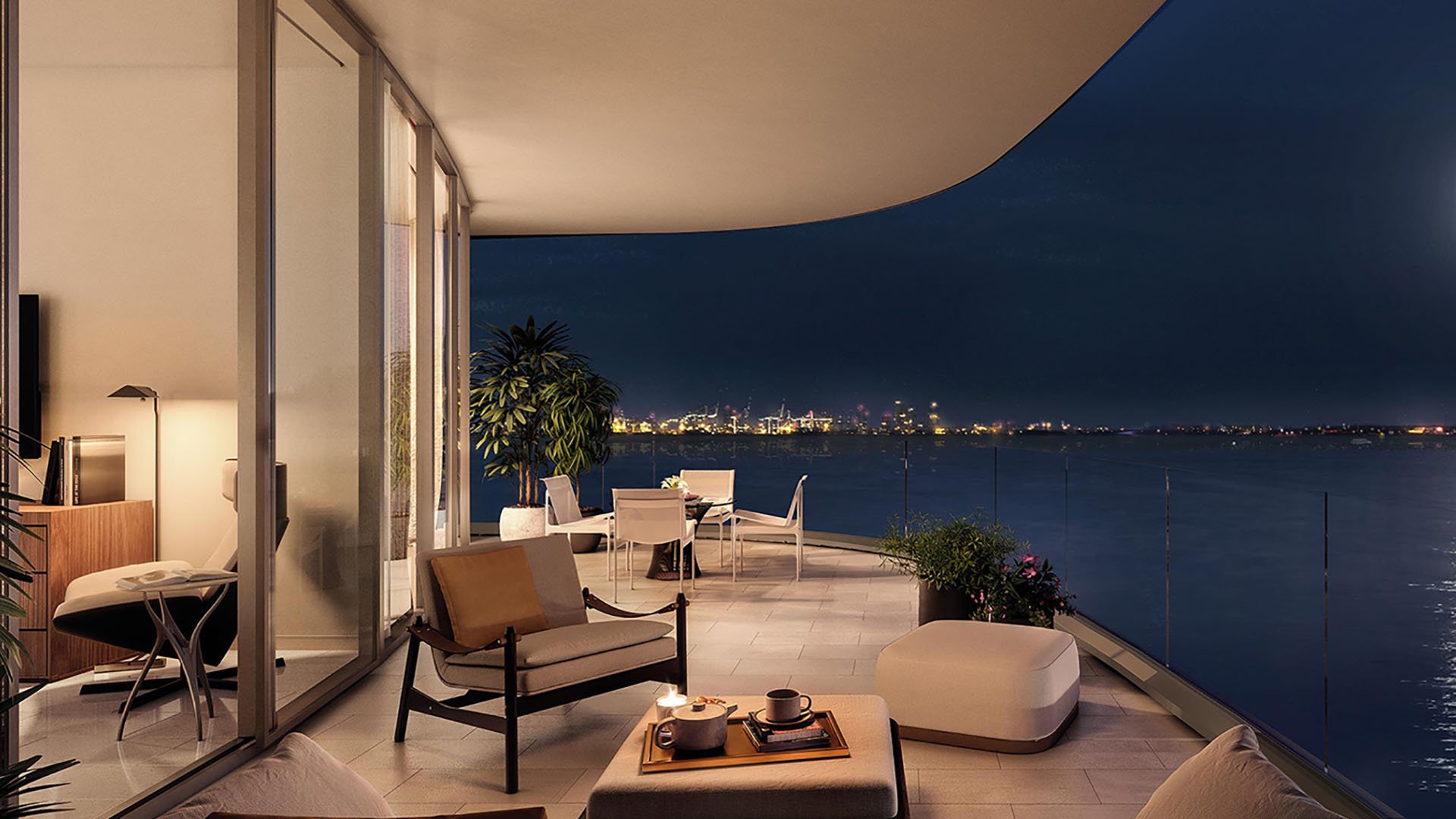
In a luxury residence, motorized shades are not a decorative afterthought. They shape privacy, regulate glare, frame water or skyline views, and reveal how thoughtfully the home has been engineered for daily living. During a private showing, buyers often focus on ceiling heights, stone, terraces, closets, and kitchen finishes, yet the shade system may influence the home every morning and evening.
The objective is not to conduct a technical inspection in the middle of a tour. It is to observe how the system performs under normal use. A quiet, synchronized, responsive shade package suggests care, planning, and a well-integrated living environment. A hesitant or uneven system may simply need programming, but it can also point to deferred maintenance, installation complexity, or coordination issues with the home’s broader automation.
This matters across South Florida’s premium inventory. A disciplined shade test applies in Brickell, Miami Beach, Sunny Isles, oceanfront, terrace, and penthouse settings, where light, exposure, privacy, and view corridors can change dramatically from room to room.
Ask which controls operate the shades before pressing anything. In many luxury homes, a single room may include wall keypads, handheld remotes, app-based controls, and pre-programmed scenes. The first test is simple: does the person presenting the residence know how the system is intended to work?
Start with individual controls rather than scene settings. Test one shade at a time in the primary living area, the primary suite, and one secondary bedroom or den. Watch for response delay, uneven travel, or shades that stop before reaching the programmed position. Then test grouped commands, such as all living room shades up or all bedroom blackout shades down.
A polished system should feel intuitive. Labels should be clear, responses should be consistent, and the controls should not require a complicated explanation. If the experience feels improvised, make a note to request documentation, programming details, and service history after the showing.
Sound is one of the most revealing parts of a shade test. A motorized shade does not need to be silent, but it should sound composed. Listen for grinding, clicking, scraping, vibration, or a motor that seems to strain as the fabric moves.
In large window walls, multiple shades may descend at once. Stand still and let the sequence finish. If one shade lags noticeably behind the others, moves in a jerky pattern, or requires a second command, record it. A single irregular shade may be an adjustment issue. A pattern across several rooms may suggest broader service needs.
Also notice how the sound changes in quieter spaces. In a primary bedroom, library, media room, or nursery suite, a loud motor can be more intrusive than it seemed in the living room. The most refined systems disappear into the routine of the home rather than announcing themselves.
Once the shades are moving, look at the bottom edge. Hem bars should appear level, especially when several shades sit side by side. Slight differences can become visually distracting in a minimalist interior with large glass openings.
Pause the shades at mid-height if the system allows it. This reveals whether the fabric tracks smoothly or begins to skew. Then lower the shades fully and observe whether each one reaches its intended endpoint. Gaps at the sides, uneven bottoms, or shades that sit too high can affect both privacy and light control.
For rooms with layered treatments, such as solar shades and blackout shades, test each layer separately. A beautiful daytime screen is not a substitute for a properly functioning blackout treatment in a bedroom. Conversely, a blackout layer should not be the only practical option for a bright entertaining space where filtered light is preferable.
Privacy is not tested from the center of the room alone. Stand near the glass, then step back toward the entry, the bed wall, and the seating area. Consider what a neighbor, passing boat, adjacent tower, or terrace sightline might reveal when the shades are open, partly lowered, or closed.
Daytime and nighttime privacy are different experiences. During a daytime showing, ask how the shades perform after dark, especially in residences with expansive glazing. If the residence has multiple exposures, test each side of the home rather than assuming one fabric performs equally across every orientation.
In a penthouse or high-floor residence, privacy may seem less urgent, but it should still be considered. Sightlines from neighboring towers, roof decks, and amenity levels can be surprisingly direct. In lower-floor homes, privacy may be essential from the moment the lights are on.
The best shade systems protect the experience of the view. In South Florida, glare can be as important as privacy, particularly in living rooms, offices, dining areas, and media spaces. During the showing, stand where daily life actually happens: at the sofa, the breakfast table, the desk, and the bed.
Lower the solar shades and observe whether the room becomes comfortable without feeling sealed off. A well-selected fabric softens the light while preserving a sense of openness. If the room still feels harsh, or if the shade must be fully closed to make the space usable, factor that into your evaluation.
For a terrace-facing room, test how the shades interact with sliding doors and traffic patterns. A shade that blocks access, catches air movement, or feels vulnerable near frequently used openings deserves closer review.
After individual testing, ask to see programmed scenes. Common scenes might support morning, evening, entertaining, privacy, or away settings. The exact labels matter less than whether the home’s automation feels logical and dependable.
Ask how the shades are powered and what happens if a control fails. Some systems may have hardwired infrastructure, while others may involve batteries or rechargeable components. Do not assume the answer based on the home’s price point. The practical question is maintenance: who services the system, how accessible are the motors, and what documentation transfers with the property?
Manual override is another important topic. In a luxury residence, convenience should not become fragility. If a shade stops responding, the owner should understand the next step without having to reconstruct the entire system from scratch.
During the tour, keep the process discreet. Do not turn the shade test into a negotiation in front of every party in the room. Instead, note the room, window location, control used, and what happened. A simple record will help your advisor distinguish cosmetic inconvenience from a meaningful operational concern.
After the showing, request relevant documentation if the home remains a serious contender. Useful follow-up may include system type, installer or service contact, warranty status, programming notes, and whether any recent repairs or replacements have occurred. For new-construction residences, confirm what is included, what is optional, and what is delivered after closing.
The most important point is proportion. A shade issue rarely defines an entire residence, but in a sophisticated home it deserves to be understood before contract terms are finalized. Motorized shades sit at the intersection of architecture, privacy, technology, and comfort. That is precisely why they should be tested with intention.
Should I test every motorized shade during a private showing? If time allows, test representative shades in the main living area, primary suite, and at least one secondary room. For a serious finalist, request a more complete operational review.
What is the first warning sign of a shade problem? Uneven movement, delayed response, grinding sounds, or a shade that stops short of its endpoint should be noted. One issue may be minor, but repeated issues deserve follow-up.
Are noisy motorized shades automatically defective? Not necessarily. The concern is whether the sound is harsh, strained, inconsistent, or disruptive for the way the room will be used.
Should I test preset scenes or individual controls first? Start with individual controls so you can isolate each shade. Then test scenes to see how well the system performs as a group.
How do I evaluate privacy during a daytime showing? Stand in different parts of the room and consider likely sightlines from nearby buildings, terraces, and outdoor areas. Ask how the room feels at night when interior lights are on.
Do blackout shades matter in every bedroom? They matter most where sleep quality, privacy, and light control are priorities. A beautiful bedroom can still feel incomplete if the shade strategy is inadequate.
What should I ask about maintenance? Ask who services the system, how the shades are powered, and whether documentation transfers with the residence. Clear answers can reduce future uncertainty.
Can shade issues become negotiation points? Yes, especially if repairs, programming, or replacement may be needed. Document observations calmly and review them after the showing.
Should shade controls be integrated with the home automation system? Integration can be convenient, but reliability and clarity matter more than complexity. The system should be easy to understand and repeat.
Is this test still useful in a brand-new residence? Yes. New systems should still be checked for alignment, response, programming, and what is included at delivery.
For a tailored shortlist and next-step guidance, connect with MILLION.
If branded residences are on your mind — as a home or as an allocation — we would be glad to share what we are seeing, privately.
Begin a quiet conversation