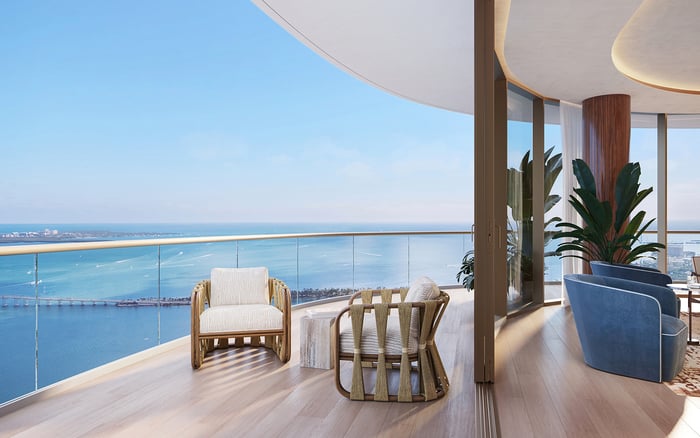
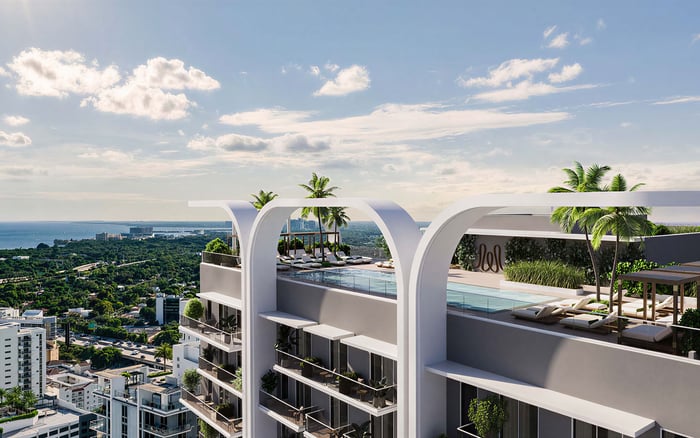
A buyer-focused editorial guide to South Florida residences where terraces must be assessed for heat comfort, wind exposure, salt-air durability, privacy, and usable daily living.
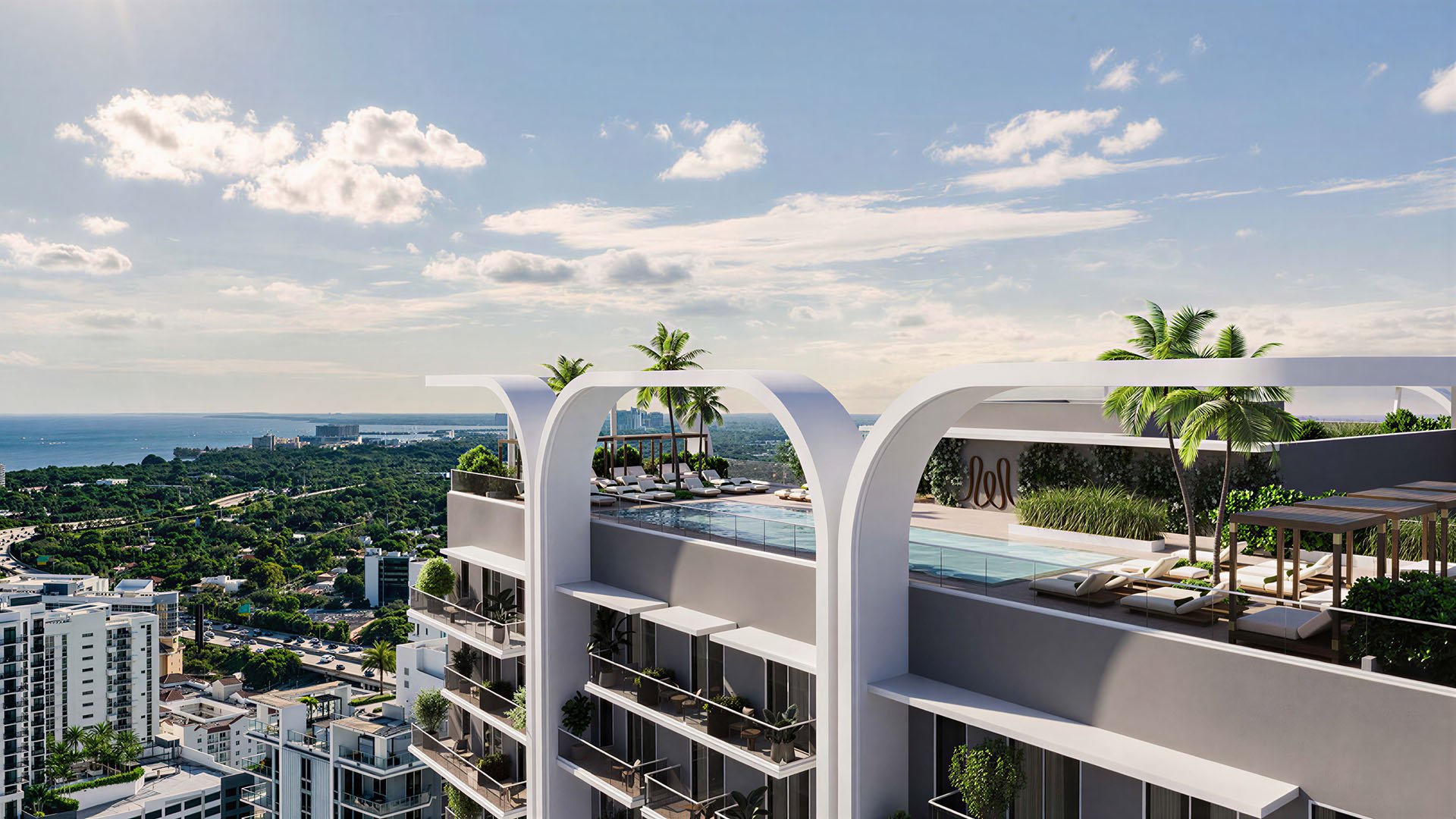
For South Florida buyers, the terrace has become a primary room. It is where breakfast moves after a sunrise swim, where the evening breeze matters more than the view, and where the difference between a beautiful apartment and a livable residence often becomes clear within minutes of stepping outside.
In this climate, however, a terrace has to work harder than almost anywhere else. Heat can make a west-facing outdoor room difficult to use by late afternoon. Wind can turn a high-floor balcony into a place one visits briefly rather than lives in. Salt air tests finishes, hardware, furniture, planters, lighting, and railings. The right residence is not simply the one with the largest outdoor area. It is the one where exposure, proportion, privacy, drainage, shade, and material resilience create a space that can be used frequently, comfortably, and with minimal friction.
In practical shorthand, that means weighing terrace, balcony, oceanfront, Brickell, Sunny Isles, and Miami Beach criteria with the same seriousness buyers apply to ceiling heights, primary suites, and parking.
The first question is orientation. East-facing terraces benefit from morning light and ocean breezes, while west-facing terraces can deliver dramatic sunsets but may require stronger shade strategies. South and north exposures can vary by building form, neighboring towers, and whether the terrace is recessed or wrapped.
The second question is wind. A terrace that looks generous on a floor plan may feel very different on a high floor, on a corner, or in a location exposed to open water. Buyers should ask how the terrace feels at different times of day, especially during the season when they expect to occupy the residence most often.
The third question is durability. Salt air is elegant from a distance and unforgiving up close. Outdoor kitchens, door tracks, metal details, fabrics, light fixtures, and planters should all be considered through a maintenance lens. A terrace that demands constant attention quickly loses its romance.
Finally, study the threshold between indoors and out. Wide openings, logical furniture zones, covered portions, and privacy from neighboring terraces determine whether the space becomes part of daily life or remains a view platform.
1. The Perigon Miami Beach - Miami Beach oceanfront
Miami Beach remains the archetype for buyers who want terraces shaped by direct coastal living. The advantage is emotional immediacy: light, air, and water define the experience. The risk is exposure, which makes shade, railing design, door systems, and finish durability essential parts of the conversation.
For buyers considering a Miami Beach residence, the terrace should be evaluated in person rather than only through renderings or square footage. Morning use, afternoon heat, and privacy from adjacent outdoor spaces all deserve close attention.
2. The Delmore Surfside - Surfside beachfront
Surfside appeals to buyers who want coastal air with a more residential rhythm. A terrace here is not only about spectacle; it is about quiet usability. The best outdoor spaces in this setting feel protected enough for routine dining and reading while still preserving the openness that makes beachfront living desirable.
Buyers should focus on how the terrace sits within the building envelope. Covered depth, neighboring sightlines, and ease of furniture placement can matter more than raw dimensions.
3. Bentley Residences Sunny Isles - Sunny Isles vertical ocean living
Sunny Isles has long attracted buyers who prize height, water views, and a skyline defined by luxury condominium living. In this context, wind behavior becomes especially important. A high-floor terrace may deliver extraordinary views, but usability depends on whether the space feels comfortable for more than a brief visit.
The strongest terraces in this category balance panorama with protection. Buyers should test how doors operate, where seating can be placed, and whether the terrace has a logical sheltered zone.
4. Una Residences Brickell - Brickell bayfront perspective
Brickell offers a different terrace proposition: water, skyline, and city energy. Rather than pure beachfront exposure, buyers are often weighing bay breezes, urban sound, neighboring towers, and evening use after work or dinner. The best Brickell terraces feel like outdoor rooms above the city rather than narrow overlooks.
Here, the practical questions include privacy, nighttime comfort, and whether the terrace connects naturally to the living and dining areas. A beautiful view is not enough if the proportions do not support real seating.
5. The Ritz-Carlton Residences® Pompano Beach - Pompano Beach coastal alternative
Pompano Beach gives terrace-focused buyers another coastal option north of Miami’s most established luxury corridors. The appeal is straightforward: ocean air, beach-oriented living, and a setting that can feel less compressed than more vertical urban districts.
For terrace due diligence, the same rules apply. Study salt-air exposure, maintenance expectations, shade, and furniture practicality. A residence that performs well outdoors can be more valuable to live in than one that merely photographs well.
A larger terrace is not automatically a better terrace. Depth matters more than length if the buyer intends to dine outdoors. Covered space matters more than total space if the home will be occupied through the hotter months. Rail height, transparency, and wind deflection can shape the experience as much as the view itself.
In Miami Beach, buyers comparing ocean-facing options may want to study The Perigon Miami Beach as part of a broader review of how new luxury residences handle the indoor-outdoor threshold. In Surfside, The Delmore Surfside belongs in the conversation for those who want a quieter coastal frame and a more residential beach setting.
Sunny Isles buyers often prioritize height and horizon, making Bentley Residences Sunny Isles a relevant point of comparison for terrace expectations in a vertical oceanfront market. In Brickell, Una Residences Brickell helps frame the bayfront version of outdoor living, where skyline, water, and city convenience intersect. Farther north, The Ritz-Carlton Residences® Pompano Beach gives buyers another coastal lens for evaluating terrace comfort, salt-air exposure, and day-to-day livability.
Visit at the hour you expect to use the space. A terrace that feels sublime at 10 a.m. may be punishing at 4 p.m., and an outdoor room that feels breezy in winter may behave differently in summer.
Ask where furniture can actually live. If a dining table blocks circulation or lounge chairs fight the door swing, the terrace will feel smaller than its dimensions suggest. Consider covered and uncovered zones separately, especially if the residence is intended for year-round use.
Inspect the practical elements: drainage, hose access, door tracks, exterior outlets, lighting, and storage. These details rarely carry the glamour of a water view, but they determine whether the terrace is easy to maintain.
Finally, think about privacy. In dense coastal markets, a terrace can be exposed both to the view and to neighbors. The most desirable residences solve both conditions gracefully.
What makes a South Florida terrace usable year-round? Shade, wind comfort, durable finishes, privacy, and a logical furniture plan matter more than square footage alone.
Is an oceanfront terrace always better than a bayfront terrace? Not necessarily. Oceanfront terraces offer immediacy, while bayfront terraces can provide skyline drama and different wind conditions.
Should buyers prioritize terrace depth or total size? Depth is often more important because it determines whether dining and lounging can happen comfortably.
Are high-floor balconies harder to use in windy conditions? They can be, depending on exposure, building form, and railing design. Buyers should experience the terrace in person when possible.
Why does salt air matter for luxury terraces? Salt air can affect metals, fabrics, fixtures, door tracks, and outdoor furnishings, so maintenance expectations should be clear.
What is the best time of day to tour a terrace? Tour during the hours you expect to use it most, especially late afternoon if heat and sun exposure are concerns.
Can a smaller terrace be better than a larger one? Yes. A smaller terrace with shade, privacy, and usable proportions can outperform a larger exposed platform.
What should second-home buyers consider? They should focus on low-maintenance materials, protected furniture zones, and how the terrace performs during their occupancy season.
Do Brickell terraces feel different from beachfront terraces? Yes. Brickell terraces typically combine water, skyline, and urban energy, while beachfront terraces emphasize coastal exposure.
What is the most overlooked terrace detail? The transition from indoors to outdoors is often overlooked, yet it determines whether the terrace becomes part of daily life.
When you're ready to tour or underwrite the options, connect with MILLION.
If branded residences are on your mind — as a home or as an allocation — we would be glad to share what we are seeing, privately.
Begin a quiet conversation