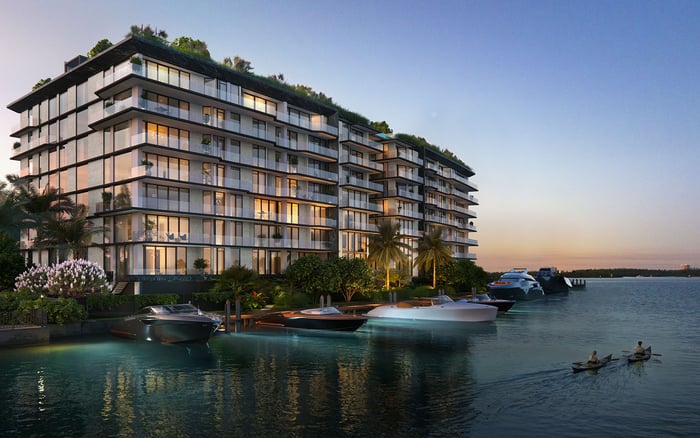
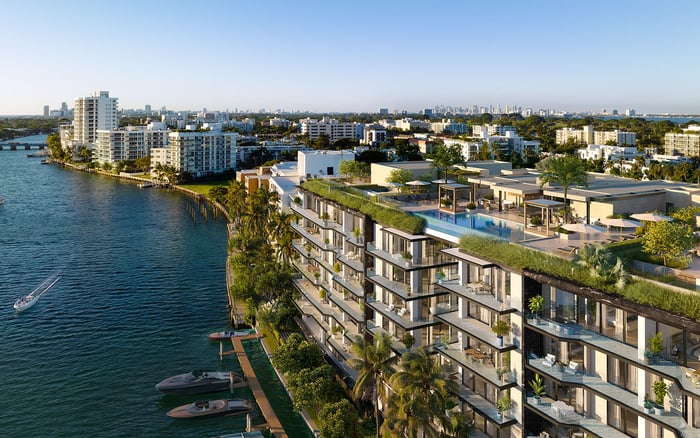
A practical buyer’s guide to evaluating spa appointment access at Bay Harbor Towers through household routines, booking rules, guest policies, and peak-time demand.
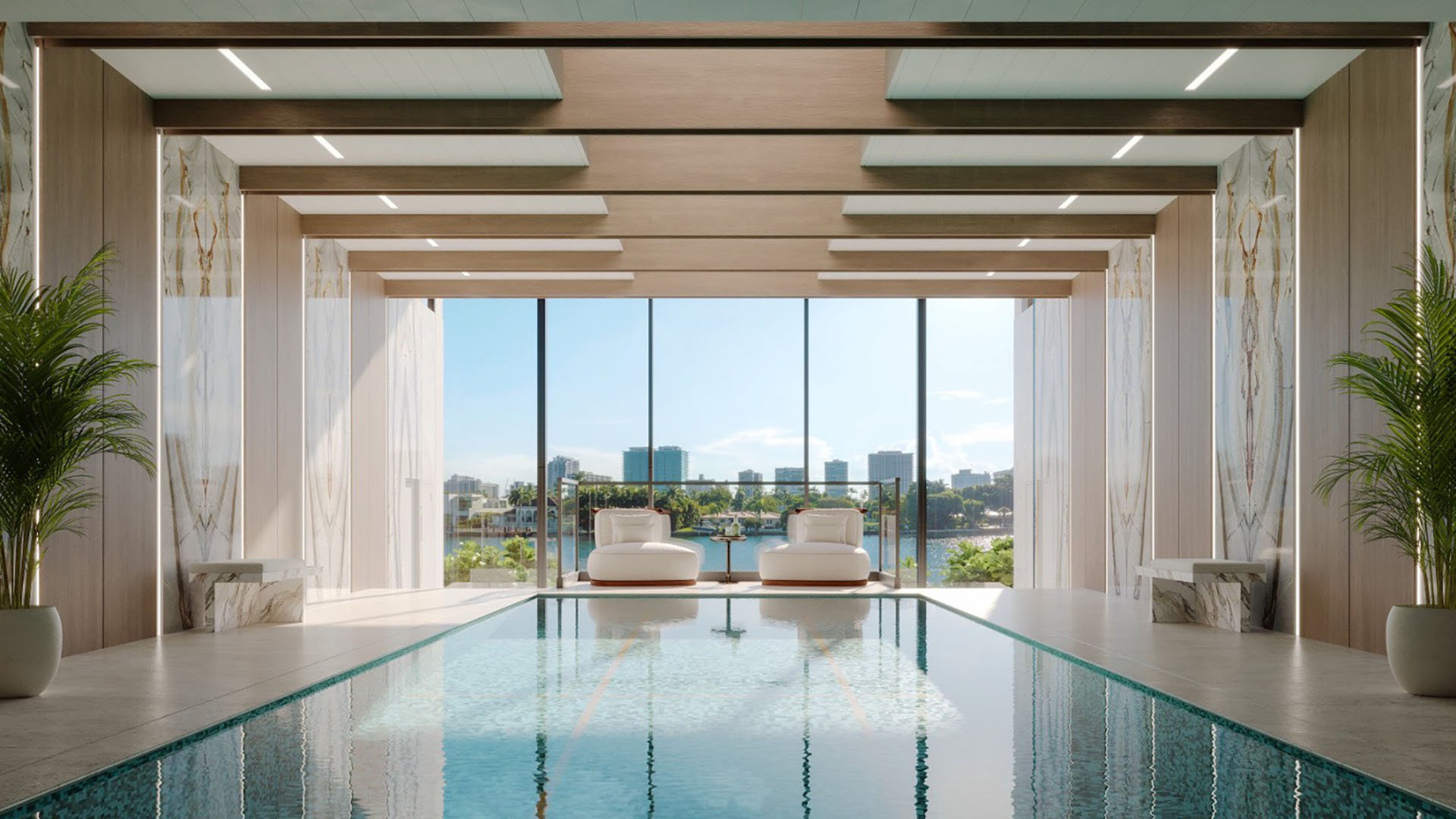
At the upper end of South Florida condominium life, wellness is no longer a decorative feature. For buyers considering Bay Harbor Towers, the more revealing question is not simply whether spa-oriented amenities exist, but whether the household can actually use them when it matters. A serene room, a refined service menu, or a polished wellness narrative can lose practical value if appointments are difficult to secure during the windows when residents are home, rested, and available.
This is especially important in Bay Harbor Islands, where buyers often measure a residence by how gracefully it supports daily living. Spa access belongs in that same conversation. It should be evaluated alongside parking, elevators, security, guest flow, and pool use, because the true standard is not lifestyle theater. It is predictable convenience.
For private search notes, a buyer may file this under Bay-harbor, Second-home, Boutique, Pool, or Waterview considerations. Yet those labels matter less than the operating details that determine whether a spouse, adult child, caregiver, visiting parent, or seasonal guest can obtain a useful appointment without friction.
Spa appointment access should be assessed at the household level. One owner may have a flexible schedule and little difficulty securing a weekday appointment, while another household member may only be available after school pickup, after business calls, or on a weekend morning. If a building’s access model favors one type of schedule, the amenity may feel far more generous to some residents than to others.
For Bay Harbor Towers buyers, the practical exercise is simple: map the household first. Who would use spa services? How often? At what times? Would visiting guests expect access? Would a caregiver or family member need to coordinate on behalf of an owner? A luxury condominium feels deeply personal when those answers are accommodated, and surprisingly rigid when they are not.
The most useful discussions are specific, not abstract. Ask whether booking privileges apply per unit, per named resident, or per approved household member. Those distinctions can materially change the lived experience. A policy that works beautifully for a single owner may be less fluid for a family, a multigenerational household, or an international owner hosting relatives during a short stay.
The most important pressure point is often peak-time access. Evenings, weekends, holidays, and high-season periods tend to matter most to residents with limited availability. A retired owner or flexible-schedule resident may value weekday morning appointments. A working household may need late-day availability. A seasonal owner may arrive for a brief window and want to book several services in advance.
This is where buyers should resist evaluating spa access as a simple yes-or-no amenity. Presence is not the same as usability. A smaller but well-managed appointment system may feel more valuable than a visually impressive amenity with constrained or unclear booking rules. For luxury buyers comparing residences, the reservation system can be as important as the physical wellness space.
Bay Harbor Towers should therefore be considered through the lens of real routines. A resident who travels frequently may need reliable short-notice availability after returning to Miami. A family may need weekend coordination around children, guests, and social commitments. A health-focused resident may value regularity, not occasional access. Each pattern tests the amenity differently.
The operating questions are the ones that reveal quality. Buyers should ask about the booking window, staffing hours, treatment-room capacity, resident priority, guest access, and seasonal demand management. These points may sound administrative, but they define the daily value of the amenity.
Cancellation windows deserve particular attention. A strict cancellation policy can be reasonable, but it may affect households with travel changes, family obligations, or unpredictable work demands. No-show fees can also influence how confidently residents book appointments. Repeat-booking limits may be designed to preserve fairness, yet they can also make it harder for health-focused residents to maintain consistent routines.
Guest policies are equally important. Some households will want visiting family or friends to enjoy the spa experience. Buyers should clarify whether guests can book directly, whether appointments must be arranged through a resident, and whether accompaniment is required. A policy that appears generous in conversation may feel more restrictive once applied to holiday visits or seasonal stays.
None of these details should be treated as minor fine print. They shape whether the spa feels like part of the residence or like an amenity that must be negotiated each time it is used.
Bay Harbor Islands attracts buyers who may not live in residence year-round. For seasonal and international owners, the issue is concentration. A resident who spends limited time in South Florida may place heavy demand on spa access during a condensed period. If many residents behave similarly, availability during prime seasonal windows can become the true test of the amenity.
Advance-booking rules therefore carry unusual weight. A long booking window can help seasonal owners plan, but it may also allow appointments to be absorbed quickly by the most organized residents. A shorter window may feel fairer, but it may frustrate those coordinating flights, guests, and family schedules. Neither system is inherently superior. The right question is whether the structure matches the buyer’s pattern of use.
For a Second-home owner, the best approach is to model a real stay. If arriving for ten days, how many appointments would the household want? Would they need mornings, weekends, or late afternoons? Would guests want access during the same period? These questions reveal whether the spa amenity supports the rhythm of the residence or merely enhances the sales presentation.
In luxury condominium evaluation, the instinct is often to compare visible finishes, views, services, and amenity spaces. With spa access, the better comparison is operational. How are appointments allocated? Who receives priority? What happens when demand is high? Are rules transparent enough for residents to plan confidently?
Bay Harbor Towers buyers should approach spa access as part of household infrastructure. Just as elevator performance affects daily movement and concierge protocols affect guest arrival, spa booking systems affect private time. The most successful buildings tend to make residents feel that wellness is available without constant negotiation.
This is also a useful way to compare Bay Harbor Towers with other South Florida luxury options. The strongest wellness experience is not always the one with the most dramatic language. It is the one whose rules align with how the household actually lives.
Before relying on spa access as a meaningful part of the purchase decision, buyers should gather precise answers. What is the standard booking window? Are there different rules for owners, renters, guests, and approved household members? Are appointments restricted during holidays or peak season? Are certain time slots prioritized for residents? How far in advance can repeat services be scheduled?
Also ask how changes are handled. If a resident cancels within the window, is there a fee? If a guest misses an appointment, is the unit responsible? If demand is high, does the building use waitlists, limits, or resident-priority rules? These operational answers are often more revealing than a tour of the space.
The goal is not to eliminate every inconvenience. No residential amenity can guarantee perfect availability at every desired moment. The goal is to understand whether the system is fair, transparent, and compatible with the household’s likely use.
For Bay Harbor Towers, spa appointment access should be viewed as a livability question. It touches household scheduling, guest hospitality, seasonal routines, and the subtle sense of ease that defines luxury residential life. The amenity’s value depends less on its promise and more on whether residents can book preferred services at usable times.
A disciplined buyer will look beyond the brochure-level idea of wellness and focus on how access works in practice. When the rules fit the household, spa services can become a meaningful part of daily rhythm. When they do not, even a beautiful amenity may feel distant from real life.
Why should Bay Harbor Towers buyers focus on spa appointment access? Because the value of a wellness amenity depends on whether household members can book usable times, not merely on the presence of the amenity.
Should spa access be evaluated by owner or by household? It should be evaluated by household, since spouses, children, caregivers, and guests may all have different schedules and access needs.
What is the most important spa-access question? The key question is whether appointments are reliably available during the times the household is most likely to use them.
Why do peak times matter so much? Evenings, weekends, holidays, and seasonal periods may create the greatest demand, especially for working residents and short-stay owners.
What should seasonal owners ask about? They should ask about advance booking rules, peak-season demand management, guest access, and whether multiple appointments can be scheduled during short stays.
Do guest rules affect spa usability? Yes. Buyers should clarify whether guests can book directly, must book through residents, or need to be accompanied.
Can cancellation policies change the experience? Yes. Cancellation windows, no-show fees, and repeat-booking limits can influence how confidently households use the spa.
Are staffing hours important? Yes. Staffing hours help determine whether appointments align with weekday mornings, late afternoons, weekends, or other preferred windows.
Is the reservation system as important as the spa space? For many luxury buyers, yes. A clear, fair, and reliable reservation system can be as important as the physical amenity.
How should buyers compare Bay Harbor Towers with other residences? They should compare operating rules, household access, and peak-time availability rather than relying only on amenity descriptions.
If you'd like a private walkthrough and a curated shortlist, connect with MILLION.
If branded residences are on your mind — as a home or as an allocation — we would be glad to share what we are seeing, privately.
Begin a quiet conversation