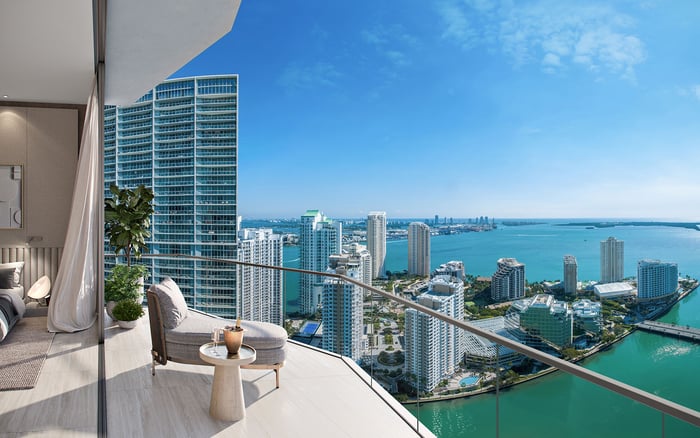
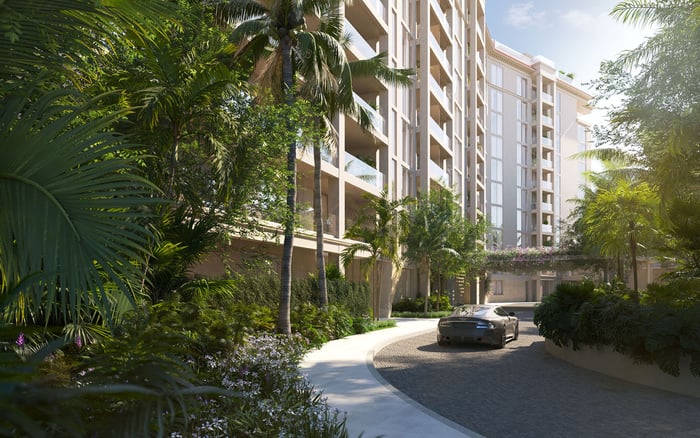
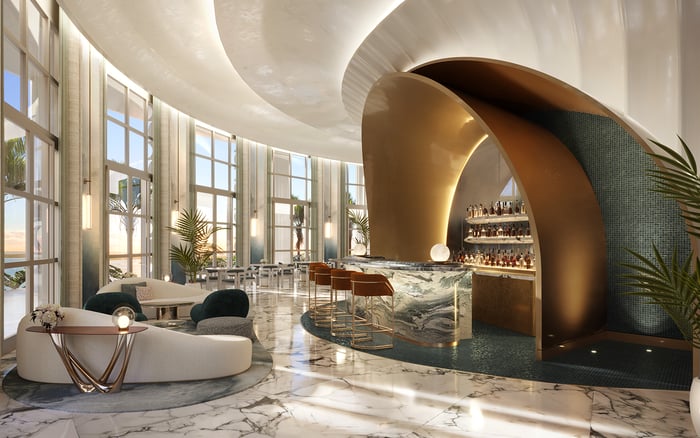
A shaded dining terrace can shift a South Florida penthouse from an occasional showpiece into a residence designed for daily use, gracious entertaining, and private year-round rituals.
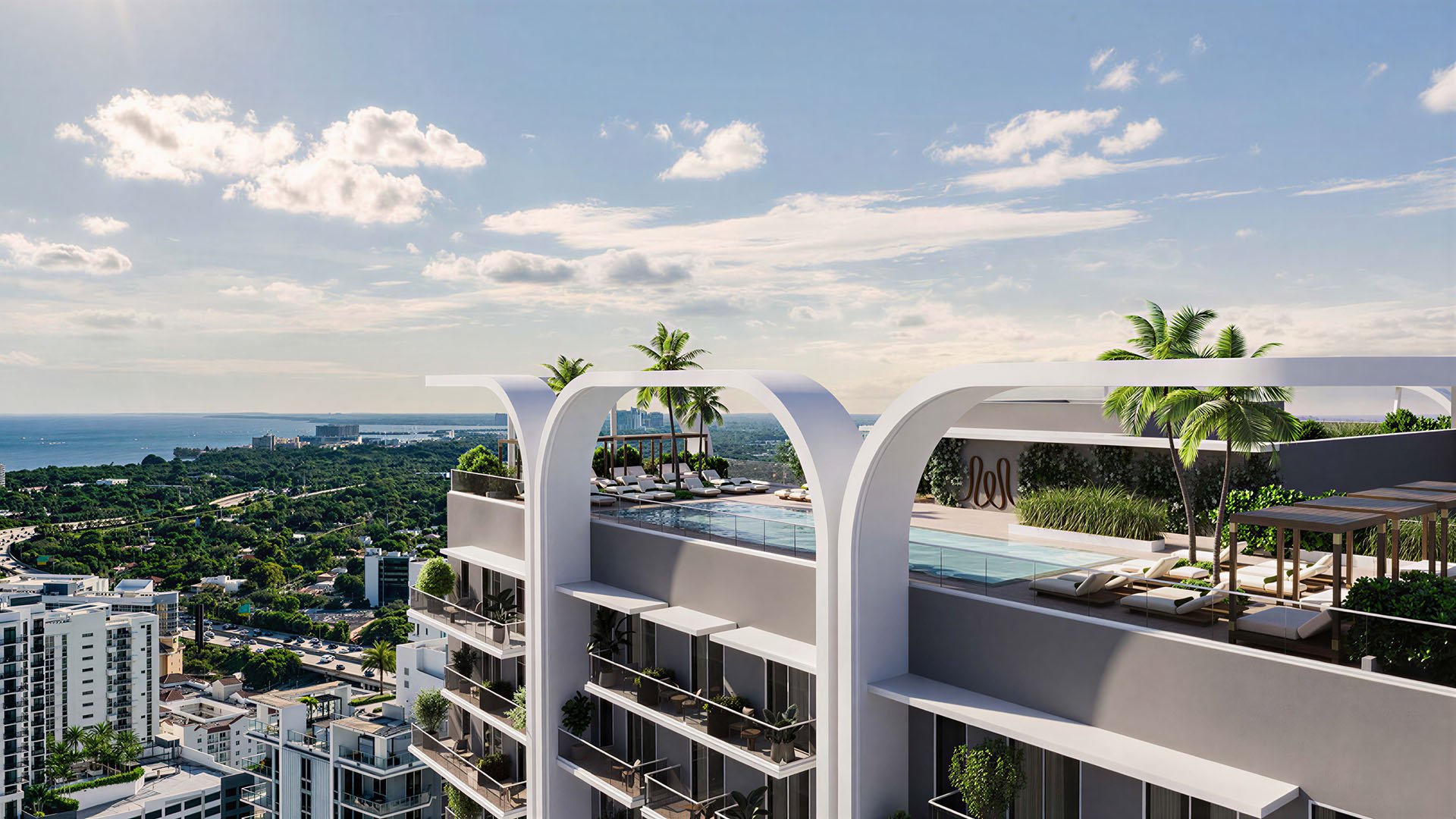
A penthouse can impress in a single visit, but a shaded dining terrace determines whether it can be lived in every day. In South Florida, the most successful top-floor residences are not measured only by ceiling height, water exposure, or the drama of arrival. They are measured by whether the owner can step outside for lunch, host dinner without rearranging the home, read after a swim, or linger over coffee without retreating indoors.
The vocabulary of this decision is direct: penthouse, terrace, balcony, oceanfront, Brickell, and Miami Beach. Each word carries a different expectation, but the core question is the same. Does the outdoor space behave like an actual room, or does it function mainly as a viewpoint?
A shaded dining terrace answers that question with discipline. It introduces comfort, rhythm, and purpose. It gives the penthouse a second center of gravity, one that can support quiet mornings, family meals, intimate entertaining, and the rituals that make a residence feel permanent rather than occasional.
Unshaded outdoor space often photographs beautifully, yet can be difficult to inhabit for long stretches. Shade is what turns exposure into usability. It softens glare, protects furniture, reduces the sensation of heat, and gives residents a reason to remain outside beyond a ceremonial glass of champagne at sunset.
For luxury buyers, this is not a minor preference. It changes how the floor plan lives. A dining terrace with meaningful cover can extend the interior salon, create a second entertaining zone, and allow meals to move outdoors without feeling improvised. The difference is especially clear in residences where the kitchen, great room, and terrace align cleanly. When circulation is intuitive, the host is not managing two disconnected environments. The home simply expands.
That is why buyers comparing projects such as The Perigon Miami Beach often look beyond the broad idea of coastal living and ask how outdoor space is protected, furnished, and served. The terrace is not just an amenity. It is part of the daily architecture.
Lounging outdoors is forgiving. Dining is not. A chaise can tolerate a patch of sun, a breeze, or a narrow circulation path. A dining table exposes every weakness in the terrace plan. Guests need shade, stable footing, adequate clearance, comfortable lighting, and a sense of privacy. Service should feel effortless, not theatrical in the wrong way.
For that reason, the dining terrace is a useful test of penthouse maturity. If it can support breakfast, lunch, cocktails, and a seated dinner, it is likely to support the broader demands of full-time living. If it works only at one hour of the day, it may be better understood as a beautiful accessory.
The strongest terraces also respect proportion. A large terrace without a clear dining zone can feel undefined. A smaller, shaded terrace with correct scale can feel deeply luxurious because every inch has purpose. The owner should know where the table goes, how guests arrive, where the view opens, and where service disappears.
A full-time residence requires more than spectacle. It needs repeatability. The shaded dining terrace supports the habits that repeat: morning coffee, weekday lunch, family dinner, a quiet call after dark, or a final conversation before guests leave.
This is where the penthouse shifts from object to home. A top-floor residence with a well-planned dining terrace gives owners a reason to use the premium elevation throughout the week, not only when entertaining. It also changes the interior mood. Rooms adjacent to a usable terrace tend to feel larger, calmer, and more connected to the setting.
In Brickell, for instance, the appeal may be less about resort fantasy and more about private air above the city. A buyer considering The Residences at 1428 Brickell may read a shaded outdoor dining zone as a counterbalance to urban intensity, a place where the skyline becomes atmosphere rather than noise.
Shade alone is not enough. A dining terrace must also account for privacy, wind, and evening light. Privacy matters because dining is intimate. Even in a tower environment, the best terraces create a sense of enclosure without sacrificing openness. Planters, architectural screens, deeper overhangs, and careful furniture placement can all contribute to that effect when integrated with restraint.
Wind is equally important at height. A terrace that feels heroic during a showing may be less comfortable if furniture, table settings, and conversation are constantly interrupted. The goal is not to eliminate the sensation of being outdoors. It is to moderate it enough that meals feel natural.
Lighting completes the transformation. A dining terrace should not rely only on the view after dark. Layered, warm, low-glare lighting can make the table the focal point while preserving the skyline, bay, or ocean as a backdrop. The most elegant terraces avoid over-lighting. They create atmosphere without turning dinner into display.
Not every buyer wants the same outdoor experience. Along the ocean, the dining terrace often serves as a private platform for the horizon. In Sunny Isles, a residence connected to The Ritz-Carlton Residences® Sunny Isles may be evaluated through the lens of resort-like continuity: indoor comfort, outdoor air, and a sense of retreat above the shoreline.
In Coconut Grove, the reading can be softer and more residential. Buyers may value shade for its relationship to greenery, slower meals, and a village-like rhythm. At Vita at Grove Isle, the conversation around outdoor living can naturally turn toward privacy, water, and the feeling of a home that does not need to announce itself.
Across all submarkets, the common thread is discretion. The most sophisticated buyers are not asking only how many people can be seated outside. They are asking whether the terrace can become part of ordinary life without constant adjustment.
A buyer should study a shaded dining terrace at different moments of the day when possible. The first impression matters, but the second and third impressions matter more. How does the space feel when the sun shifts? Where would breakfast happen? Could dinner be served without moving furniture? Is there room for circulation behind seated guests? Does the terrace connect naturally to the kitchen or entertaining area?
Material choices also matter. Outdoor surfaces, fabrics, fixtures, and dining pieces should look refined, but they must also suit regular use. A terrace meant for full-time living should not feel fragile. Luxury here is expressed through ease: furniture that remains composed, surfaces that feel appropriate underfoot, and details that do not demand constant maintenance.
The most compelling penthouse terraces do not compete with the interior. They complete it. Shade gives the outdoor room permission to be used, and dining gives it purpose. Together, they turn elevation into a lived experience.
The ultimate sign of a successful shaded dining terrace is simple. Guests remain outside longer than expected. Owners do the same. The terrace becomes the place where dinner stretches, where the view changes slowly, and where the residence feels most personal.
For South Florida penthouse buyers, that is the difference between owning a remarkable address and living in a remarkable home. A shaded dining terrace does not merely add square footage in spirit. It adds time, comfort, and continuity, the qualities that define a full-time residence at the highest level.
Why is a shaded dining terrace important in a penthouse? It makes the outdoor space usable for longer periods and gives the residence a true open-air room for daily meals and entertaining.
Is a large terrace always better than a smaller shaded one? Not necessarily. A smaller terrace with proper shade, proportion, and circulation can live better than a larger space without clear purpose.
What should buyers notice first on a dining terrace? Look at shade coverage, table placement, privacy, wind comfort, and the connection to the kitchen or main living area.
Does outdoor dining matter for resale appeal? It can strengthen the lifestyle narrative of a penthouse because it shows that the terrace is not merely decorative.
How does a terrace differ from a balcony in luxury evaluation? A terrace is typically judged as an outdoor living area, while a balcony is often evaluated more as an outlook or extension.
What makes a terrace feel private at height? Architectural cover, thoughtful screening, planting, and furniture orientation can create privacy without closing off views.
Should the terrace be furnished before a buyer evaluates it? Furnishing helps reveal scale, but buyers should still test whether circulation and dining placement make sense.
Why does lighting matter for outdoor dining? Evening lighting defines atmosphere, supports comfort at the table, and keeps the view from feeling disconnected after sunset.
Is an oceanfront terrace evaluated differently from an urban terrace? Yes. Oceanfront terraces often emphasize horizon and retreat, while urban terraces may prioritize privacy, calm, and skyline atmosphere.
Can a shaded dining terrace make a penthouse feel like a primary home? Yes. When it supports daily rituals, effortless meals, and comfortable entertaining, it helps the residence live beyond occasional use.
If you'd like a private walkthrough and a curated shortlist, connect with MILLION.
If branded residences are on your mind — as a home or as an allocation — we would be glad to share what we are seeing, privately.
Begin a quiet conversation