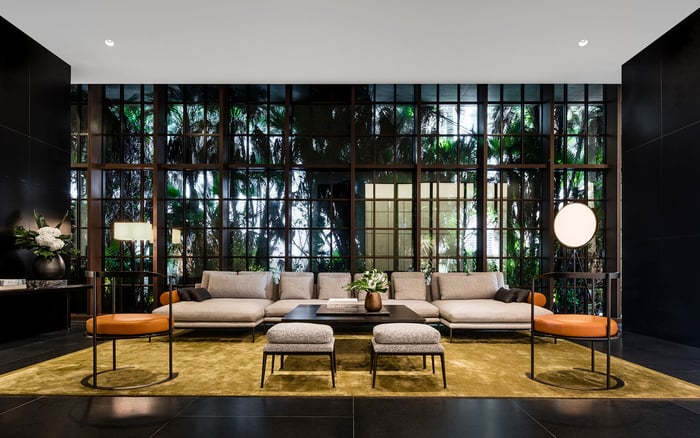
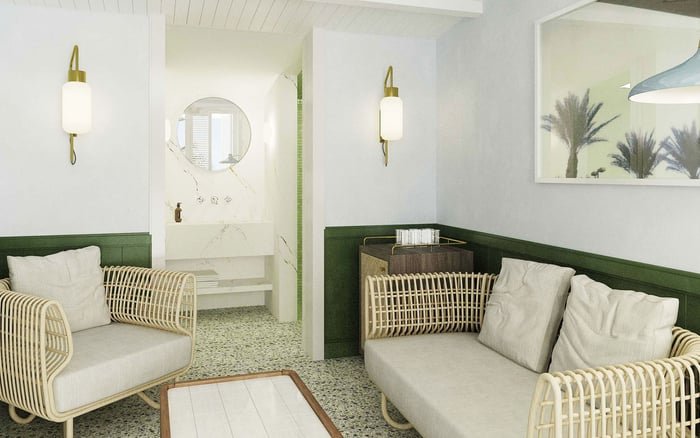
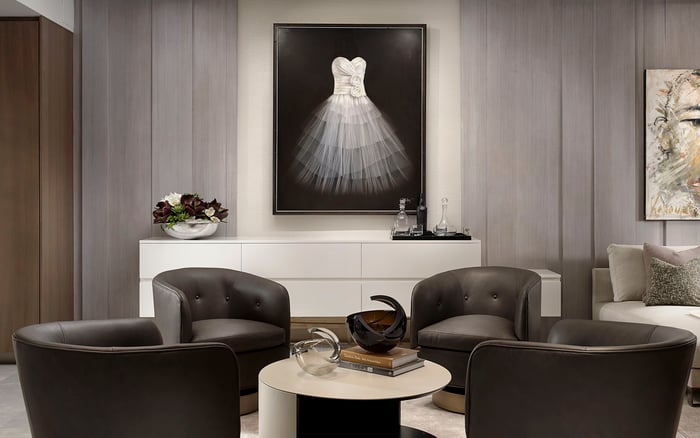
A discreet buyer’s comparison of Setai Residences Miami Beach and Arte Surfside through the lens of household operations, art handling, wine shipments, and high-value deliveries.
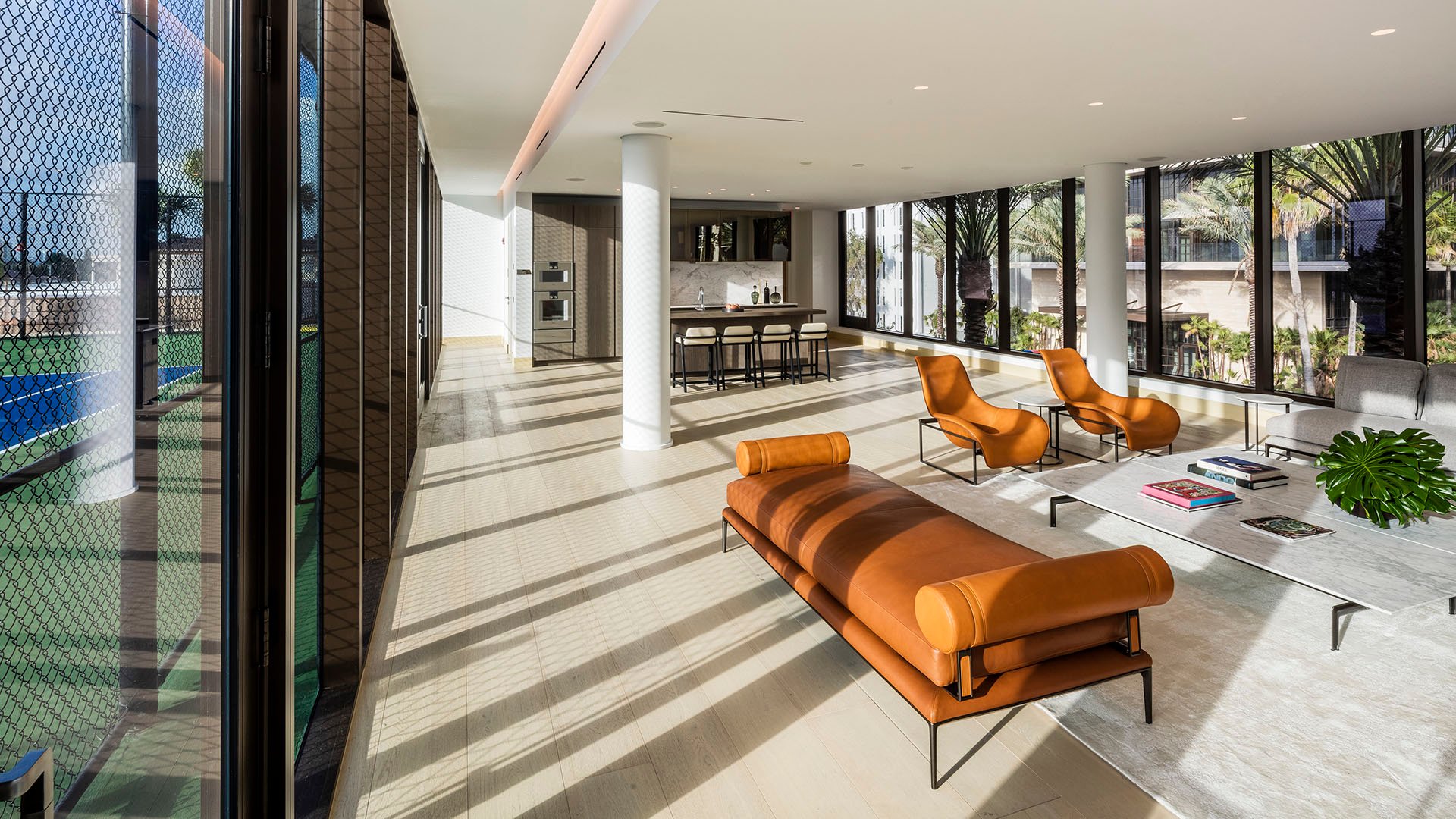
For a certain buyer, the most important residential amenity never appears in a rendering. It is the quiet choreography behind the scenes: how a crate of blue-chip art is received, how a wine shipment is routed, how a watch delivery arrives without attention, and how household staff coordinate with building personnel when the owner is away.
That is the lens through which Setai Residences Miami Beach and Arte Surfside become especially revealing. Both occupy the upper tier of South Florida luxury living, yet they operate with very different cultures. Setai Residences Miami Beach is best understood as a hospitality-driven South Beach condo-hotel environment, with the service depth of a full resort-style platform. Arte Surfside, by contrast, is a boutique, ultra-low-density residential building where privacy, limited circulation, and controlled access define the experience.
For buyers who live with art, wine, couture, collectible objects, and frequent high-value deliveries, this is not a cosmetic distinction. It shapes daily rhythm, vendor exposure, staff coordination, and the level of advance planning required to keep the household functioning invisibly.
Setai’s strongest operational argument is redundancy. A hospitality-driven building environment tends to be more accustomed to recurring requests, changing owner schedules, complex arrivals, and frequent service interactions. For households that need support across many categories, from guest arrivals to luxury deliveries, that depth can be reassuring.
In practical terms, a buyer drawn to Setai is often choosing a system. The building’s service culture is framed around continuity, responsiveness, and the ability to accommodate a wide range of owner needs. For a household with frequent vendor traffic, rotating personal staff, regular deliveries, or changing travel patterns, that kind of platform can reduce friction. The value is less about any single feature than the confidence that the property is accustomed to complex daily logistics.
For art owners, this may matter when rotations are frequent. A residence that receives specialists, installers, handlers, and associated vendors may benefit from a staff model used to high-touch coordination. For wine collectors, the advantage is similar: recurring shipments require communication, timing, and a clear chain of responsibility. For luxury goods, the appeal is the same operational muscle, especially when the household wants convenience and continuity.
The tradeoff is exposure. A larger hospitality ecosystem naturally includes more movement, more service layers, and more people in circulation. That does not mean a lack of discretion, but it does mean total anonymity may be harder to preserve than in a smaller residential setting. The buyer who prioritizes robust support over maximum seclusion will likely recognize this balance immediately.
Arte Surfside approaches household operations from the opposite direction. Its appeal is not broad resort redundancy, but a quieter residential format. The building’s boutique scale, architectural character, and limited circulation make it especially compelling for buyers who prefer fewer touchpoints around sensitive deliveries.
This is a different kind of luxury. Instead of an expansive service ecosystem, Arte suggests a more private, family-office-adjacent mode of living, where procedures can feel more tailored and household-specific. A buyer who wants to know who is arriving, when they are arriving, and how many people are likely to see them may find this low-density setting more aligned with the way they live.
For art, Arte’s advantage is the quieter setting. A carefully scheduled installation or rotation can occur within a more controlled residential atmosphere. For wine, the benefit is similar: a shipment can be planned in advance with fewer ambient distractions. For jewelry, couture, or collectible deliveries, the lower-profile access pattern may be more psychologically comfortable for owners who value discretion above convenience.
The tradeoff is that complex logistics may require more advance planning. Boutique buildings can be excellent for privacy, but buyers should not assume every specialized request will be automatically absorbed by a large service machine. The owner, household manager, advisor, or vendor team may need to coordinate more precisely with building management before major deliveries or installations.
The cleanest way to compare the two properties is by delivery profile.
For blue-chip art rotations, Setai’s model offers more built-in operational capacity. A busier full-service environment can be useful when multiple parties are involved and timing shifts. Arte offers the quieter stage, where the movement itself may attract less incidental attention. The Setai buyer is likely optimizing for support. The Arte buyer is likely optimizing for control.
For regular international wine shipments, Setai’s advantage is staff infrastructure. Repetition matters. If shipments are frequent, a deep service culture can make recurring coordination easier. Arte’s advantage is privacy and planning. The arrival may be more controlled, but the owner should expect to define protocols carefully in advance.
For high-value luxury deliveries, the choice becomes especially personal. Some buyers want a well-staffed environment that can receive, route, and coordinate. Others want a lower-profile building where fewer people are moving through the property at any given time. Neither instinct is wrong. They reflect different views of risk, convenience, and discretion.
For internal buyer shorthand, this is a Miami Beach versus Surfside decision, but it is also a condo-hotel versus boutique decision. The right answer depends on how the household actually functions, not only on architecture, beach access, or social identity.
Before purchase, buyers should verify the details that matter most to their household. This comparison does not establish specific building rules for receiving rooms, freight-elevator scheduling, art storage, wine handling, vendor insurance, or after-hours access. Those items should be confirmed directly with building management and, when appropriate, reviewed by the buyer’s household manager, art advisor, wine consultant, or security team.
The most important questions are practical. How are large deliveries scheduled? What notice is required for vendors? Are certificates of insurance required? How are after-hours arrivals handled? Who signs for high-value packages? How is access managed when the owner is away? Can specialized handlers coordinate discreetly with building personnel? Are there restrictions on freight movement, elevator usage, or staging?
A sophisticated buyer should also separate service perception from documented procedure. A building may feel highly capable, but the buyer still needs written clarity. Conversely, a boutique building may feel deeply private, but complex handling may require precise coordination. The purchase decision should be based on the operating reality the household will live with every week.
Setai Residences Miami Beach is better suited to the buyer who wants a strong service platform, operational redundancy, and the comfort of a hospitality-trained environment. This buyer may travel often, host regularly, depend on staff, and prefer a building culture accustomed to solving logistical issues quickly. The atmosphere is more active, but the service depth is the point.
Arte Surfside is better suited to the buyer who wants seclusion, fewer touchpoints, and a residence that feels closer to a private club than a resort. This buyer may have a household manager, established advisors, and a preference for bespoke protocols over broad service infrastructure. The planning burden may be higher, but the privacy dividend can be meaningful.
The most refined conclusion is not that one property is more luxurious than the other. It is that each protects a different version of luxury. Setai protects momentum. Arte protects quiet. For buyers managing art, wine, and sensitive deliveries, that distinction may matter more than any amenity list.
Is Setai Residences Miami Beach better for frequent deliveries? It may be better for buyers who value service depth and a hospitality-driven support model for recurring logistics.
Is Arte Surfside more private for sensitive deliveries? Arte’s low-density residential character may appeal to buyers who want fewer touchpoints and more controlled circulation.
Which building is better for art rotations? Setai offers more built-in operational capacity, while Arte offers a quieter, more controlled residential setting.
Which building is better for wine shipments? Setai favors staff infrastructure, while Arte favors a private delivery environment that benefits from advance planning.
Does either building guarantee museum-grade art storage? Buyers should not assume dedicated museum-grade storage unless it is confirmed directly with building management.
Does either building guarantee bonded wine-handling facilities? Buyers should verify wine receiving, storage, and handling protocols directly before relying on any assumption.
Who is the ideal Setai buyer in this comparison? The ideal Setai buyer prioritizes resort-grade support, service redundancy, and daily operational convenience.
Who is the ideal Arte buyer in this comparison? The ideal Arte buyer prioritizes seclusion, bespoke protocols, and a lower-density residential atmosphere.
What should buyers verify before closing? They should verify delivery access, freight-elevator use, vendor insurance requirements, security procedures, and after-hours protocols.
Is this comparison more about lifestyle or operations? It is primarily about operations, because art, wine, and high-value deliveries depend on service culture and privacy controls.
For a confidential assessment and a building-by-building shortlist, connect with MILLION.
If branded residences are on your mind — as a home or as an allocation — we would be glad to share what we are seeing, privately.
Begin a quiet conversation