Indoor-outdoor entertaining is not just a design preference in South Florida. It is a practical ownership decision about privacy, climate, maintenance, service, guest flow, and how often the residence will be lived in.
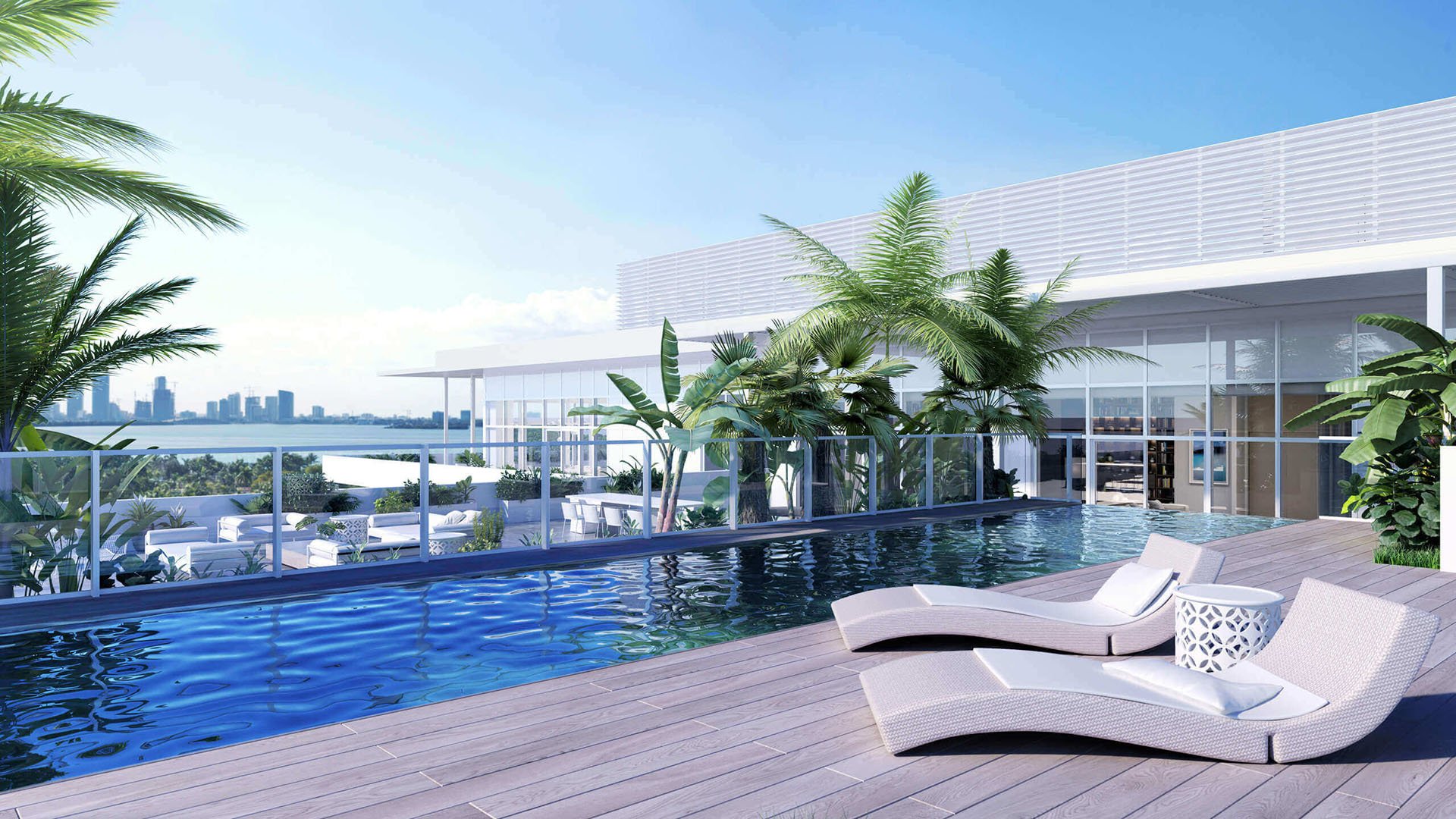
In South Florida, indoor-outdoor entertaining is often framed as a lifestyle feature. For serious buyers, it is better understood as an ownership question. A beautiful room opening to a terrace, a dining table set beside the water, or a pool framed by palms can be seductive during a showing. The more important question is what that setting asks of the owner after the guests leave.
Entertaining here is shaped by climate, exposure, building rules, privacy, service circulation, and cadence of use. A residence that works beautifully for a couple spending quiet winter months may not suit an owner who hosts large family dinners, long weekends with guests, or philanthropic evenings requiring staff, catering, parking, and acoustic discretion.
The best ownership decision begins with honesty. Will the home be used every week, seasonally, or as a second address between cities? Will entertaining be intimate, social, or formal? Is the priority ease, control, or a private resort feeling? Those answers matter more than a dramatic first impression.
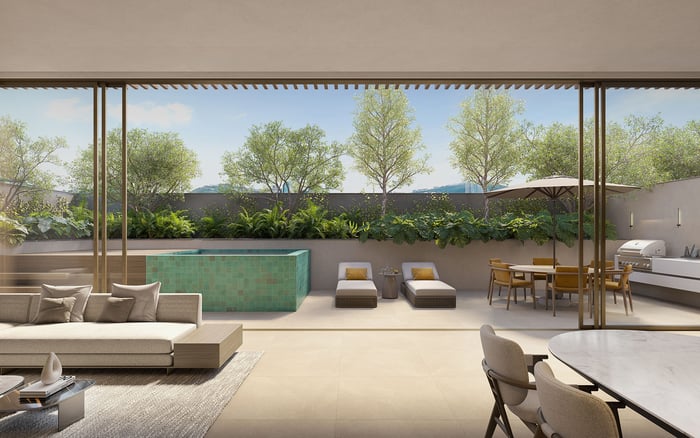
A balcony can be valuable, especially when it extends a primary suite, breakfast area, or study. But buyers should distinguish between a view platform and a true entertaining environment. The difference is not only size. It is depth, proportion, shade, wind behavior, furniture placement, and whether indoor rooms connect naturally to the exterior.
A narrow outdoor edge may photograph well, yet feel impractical once a dining table, lounge chairs, planters, and circulation are introduced. A deeper terrace can create an outdoor room, provided it has a logical relationship to the kitchen, living area, powder room, and service path. For buyers comparing vertical living in Brickell, residences such as Una Residences Brickell invite a broader question: does the home offer a gracious transition from interior life to open air, or simply a place to step outside?
This is where floor-plan reading becomes essential. Look for door spans, ceiling continuity, exterior outlets, storage, and where guests naturally gather. If everyone will cluster near the threshold, the plan may not entertain as generously as the marketing suggests.
Condominium ownership can make indoor-outdoor living easier. Maintenance is shared, exterior systems are managed, and lock-and-leave convenience is often central to the appeal. For owners who divide time among several homes, that simplicity can be decisive. The tradeoff is that the building framework determines what can be changed, how events are handled, and what level of privacy is possible.
Single-family ownership offers more control. The owner can shape landscape, outdoor kitchens, garden lighting, guest arrival, music, and the connection between pool deck and interior rooms. The tradeoff is responsibility. Salt air, sun, rain, planting, irrigation, furnishings, and mechanical systems all demand attention. The more beautiful the outdoor program, the more intentional its stewardship must be.
Neither model is inherently superior. The right answer depends on whether the buyer values simplicity or sovereignty. An owner who wants effortless seasonal arrival may favor a serviced building. An owner who wants a private garden dinner for forty may prefer a house or estate-style setting. The ownership structure should support the way hospitality actually happens.
South Florida buyers often begin with water, skyline, or garden outlooks. Entertainers should also study sightlines. Who can see the dining table? Where does staff enter? Can guests move between living room, powder room, and exterior space without passing private bedrooms? Does the outdoor area feel exposed to neighboring towers or nearby homes?
Oceanfront living is especially nuanced. The view can be extraordinary, yet the best residences balance spectacle with refuge. In Miami Beach, a buyer considering The Perigon Miami Beach might think beyond the postcard appeal of the shoreline and ask how the home manages glare, wind, arrival, and evening privacy. The same discipline applies in quieter coastal settings, where privacy may come through setbacks, orientation, landscaping, or the choreography of interior rooms.
True entertaining luxury is not simply being seen against a beautiful backdrop. It is allowing guests to feel held by the setting while the owner remains in command of the environment.
The most elegant entertaining residences are often defined by what guests do not notice. Catering access, appliance capacity, outdoor storage, ice, refuse handling, staff circulation, sound management, and protected staging areas matter enormously. Without them, even a beautiful home can feel strained during a dinner or weekend gathering.
Buyers should ask where platters are assembled, where cushions are stored, how quickly a storm can be managed, and whether furniture can remain outside year-round. They should also consider the sequence of arrival. A home may have a magnificent living room, but if guests enter through a compressed lobby, exposed elevator vestibule, or awkward corridor, the experience begins with friction.
In Coconut Grove, comparisons might include the intimacy of established greenery and the appeal of residences such as Four Seasons Residences Coconut Grove, where a buyer can evaluate how neighborhood character, building format, and everyday convenience align with a hosting life. The central issue is not brand or address alone. It is whether the residence reduces effort while preserving grace.
Many South Florida owners entertain in concentrated windows: holidays, winter weeks, long weekends, school breaks, or cultural events. A seasonal owner should be especially cautious about homes that require constant personal oversight. Outdoor living areas are exposed living areas. Fabrics, finishes, plants, metalwork, glass, and mechanical systems all need care.
This does not mean seasonal buyers should avoid generous exterior space. It means they should purchase with a maintenance strategy already in mind. Who prepares the home before arrival? Who checks the exterior after weather? How quickly can the residence move from closed and quiet to fully hosted? If the answer depends entirely on the owner’s personal involvement, the property may not match the intended lifestyle.
Bal Harbour and Surfside buyers often understand this balance intuitively: privacy, beach proximity, and lock-and-leave ease must work together. A residence such as Rivage Bal Harbour can be considered within that broader ownership lens, where the buyer is not only choosing a setting, but choosing how much effort the setting will require.
A common mistake is assuming that more exterior space automatically means better entertaining. In practice, composition matters more. A smaller, well-proportioned terrace connected to the principal rooms can outperform a larger space that feels remote, windy, overexposed, or difficult to furnish.
The ideal arrangement has a clear hierarchy: arrival, conversation, dining, quiet retreat, and service. Guests should understand where to go without being directed. The owner should be able to host without feeling that every room has become public. Even in a grand residence, the best entertaining is controlled, layered, and calm.
This is why buyers should visit at different times of day when possible. Morning light, afternoon heat, evening reflection, and nighttime sound can transform the same space. A residence that feels perfect at noon may behave differently at dinner. A terrace that feels quiet on a weekday may change during peak season. Discretion requires anticipation.
The decisive question is not whether a South Florida residence has indoor-outdoor appeal. Many do. The question is whether its ownership model supports the way the buyer wants to live. A frequent host may need depth, service, and storage. A private couple may prioritize view, quiet, and low maintenance. A family may need durable surfaces, shaded areas, and separate zones. A seasonal owner may place the highest value on management and readiness.
In Hillsboro Beach, a buyer looking at Rosewood Residences Hillsboro Beach may be drawn to a more residential coastal rhythm, while another buyer may prefer the urban energy of Brickell or the established social geography of Miami Beach. Each choice carries a different version of indoor-outdoor life.
The most successful purchase is the one where the home does not merely host a party. It hosts the owner’s habits, absences, preferences, and standards. That is the real South Florida ownership question.
Why is indoor-outdoor entertaining an ownership question? Because exterior living affects maintenance, privacy, service, weather readiness, and how the residence functions when guests arrive.
Is a large terrace always better than a smaller balcony? Not necessarily. A well-proportioned balcony or terrace with shade, depth, and easy interior access can be more useful than a larger but awkward space.
Should entertainers prefer condos or single-family homes? Condos may offer ease and lock-and-leave convenience, while single-family homes usually offer more control over landscape, events, and privacy.
What should buyers study before purchasing for entertaining? Study guest flow, service access, storage, outdoor furnishing zones, sightlines, sound, shade, and the distance from kitchen to exterior spaces.
Does oceanfront living automatically mean better entertaining? No. Oceanfront settings can be exceptional, but wind, glare, exposure, and privacy should be evaluated carefully.
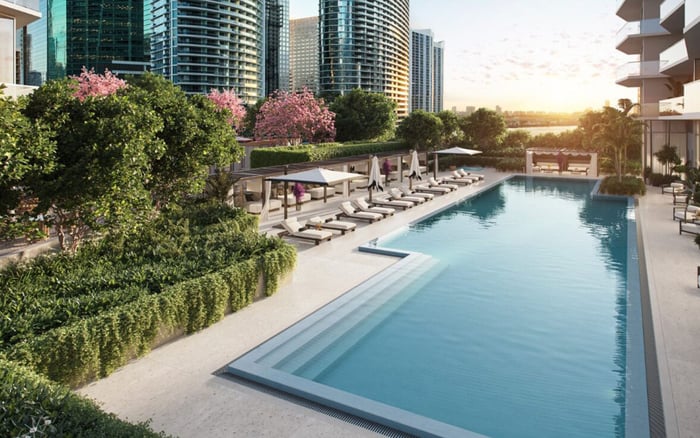
How important is the pool area for hosting? The pool area matters when it connects naturally to dining, lounging, shade, and interior rooms rather than feeling isolated.
What matters most for seasonal owners? Seasonal owners should prioritize management, durability, storm readiness, and how quickly the residence can be prepared for guests.
Can Brickell work for indoor-outdoor entertaining? Yes, if the residence offers usable exterior depth, strong views, and a plan that supports hosting without sacrificing privacy.
What is the most overlooked entertaining feature? Service circulation is often overlooked. The best homes allow catering, cleanup, and staff movement to happen discreetly.
How should buyers compare different South Florida areas? Compare the rhythm of each area, from urban energy to beachfront calm, then match that rhythm to how often and how formally you host.
If you'd like a private walkthrough and a curated shortlist, connect with MILLION.
If branded residences are on your mind — as a home or as an allocation — we would be glad to share what we are seeing, privately.
Begin a quiet conversation