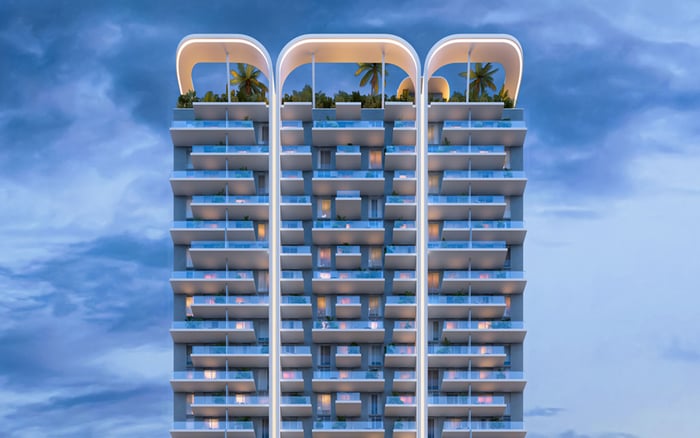
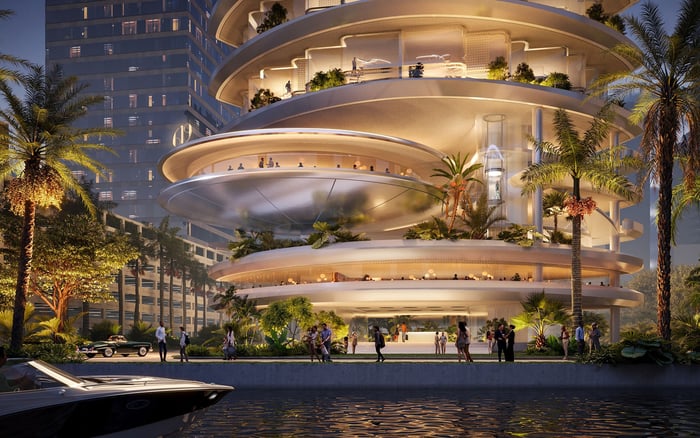
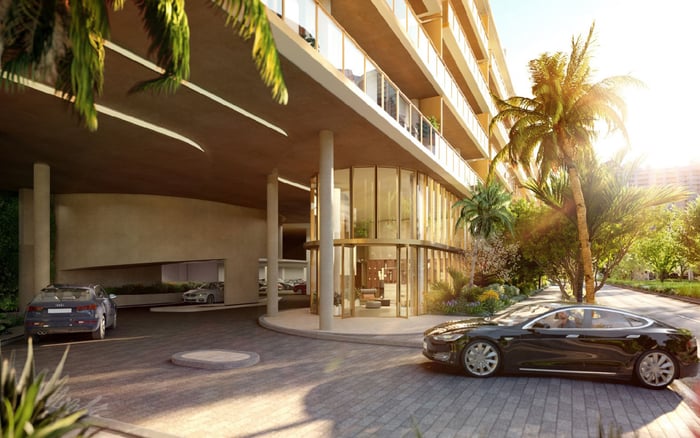
A buyer-focused look at how Colette Residences Brickell reframes luxury ownership around private dining, entertaining flow, acoustic separation, and sanctuary within an urban tower.
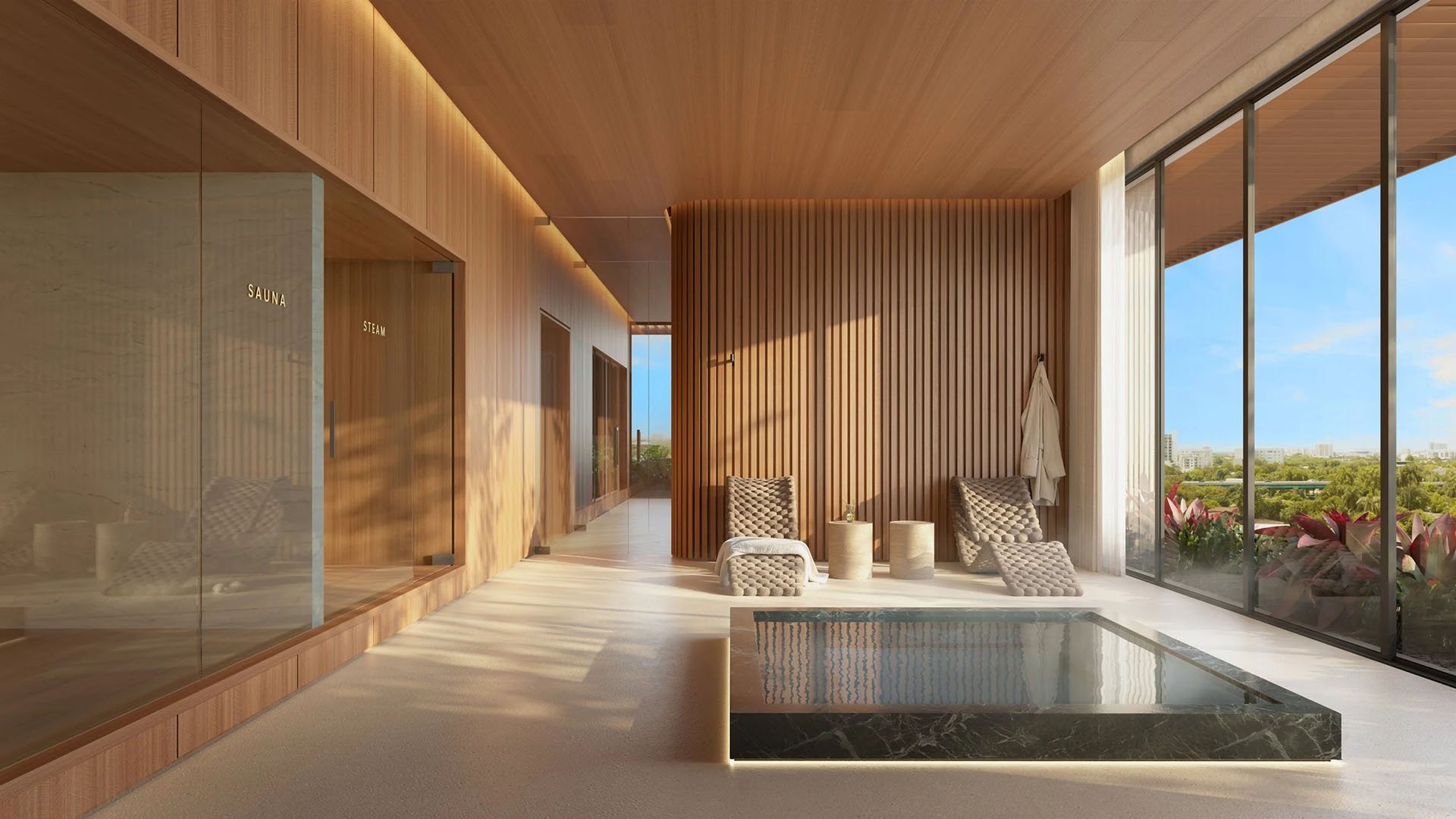
In Brickell, luxury ownership is no longer judged only by dramatic arrival, skyline outlooks, or a catalogue of finishes. For the most discerning buyers, the sharper question is how a residence performs after closing: how it hosts, how it protects privacy, how it quiets the city, and how naturally it shifts from workday retreat to evening salon.
That is where Colette Residences Brickell becomes an instructive case study. Rather than positioning the home as a display object, the conversation around Colette belongs to livability, entertaining, and wellness-adjacent design within a dense urban setting. The phrase House of Wellness Brickell, in this context, is best understood as a buyer lens rather than a verified project claim: a way to ask whether a tower residence can deliver the restorative qualities of a private home while remaining at the center of Miami’s business and social life.
For a Brickell buyer reviewing New-construction or Pre-construction options, the premium conversation increasingly moves from spectacle to use: how a Terrace behaves during dinner, how a Waterview supports daily rituals, and whether a Boutique residential model can preserve calm while the city moves below.
Private dining is often described as an amenity. For ultra-premium owners, it functions more like an extension of the residence. It allows a dinner to feel curated without becoming public, formal without becoming impersonal, and social without forcing the host to surrender control of the atmosphere.
In a Brickell tower, that distinction matters. A restaurant can be excellent, but it remains a public room. A large event space can be useful, but it may lack intimacy. A private dining salon or chef-capable entertaining environment gives owners a middle register: client dinners, milestone birthdays, family celebrations, holiday evenings, and catered gatherings can unfold with the discretion expected in a private residence.
The ownership value lies in reducing friction. Guests can arrive into a considered environment. Food service can operate without overtaking the home. The host can entertain generously while preserving the family areas, bedroom zones, and personal routines that make the residence feel like a sanctuary.
Entertaining flow is one of the least glamorous subjects in luxury real estate, but it is also one of the most consequential. A beautiful room that cannot handle arrival, dining, conversation, and service will reveal its limits quickly. The best residences choreograph movement so guests feel welcomed, staff can work discreetly, and private quarters remain protected.
In an estate, land does much of this work. Distance separates the motor court from the bedrooms, the dining room from the family wing, and the service path from the social rooms. In a vertical residence, those separations must be designed. Circulation, thresholds, kitchen support, dining scale, and acoustic control become the architecture of privacy.
This is especially important in Brickell, where the appeal of urban life comes with density. Owners want the energy of the neighborhood, but they do not want the home to feel like a hotel suite or a pass-through social space. A strong plan lets the public side of the residence feel generous while the private side remains genuinely private.
Sound is one of the clearest tests of residential quality. It determines whether a dinner can extend late without disturbing sleep, whether children or guests can occupy one area while another remains calm, and whether the owner feels insulated from the vertical rhythm of the building.
Acoustic separation is therefore not a technical afterthought. It is a luxury-performance issue. In a high-rise environment, sound control affects rest, confidentiality, hosting comfort, and the emotional difference between occupying a private home and inhabiting a polished hospitality setting.
The value is subtle because it is often noticed only when it fails. Doors that do not contain noise, social rooms placed too close to bedrooms, and open plans without acoustic strategy can make even the most expensive residence feel exposed. By contrast, a home that separates sound gracefully creates ease. Conversations stay where they belong. The evening can be lively in one zone and silent in another.
The most compelling Brickell residences solve a contradiction. Buyers want a vertical address because it offers proximity, views, lock-and-leave convenience, and access to the city’s financial and cultural life. Yet they also want the emotional privacy of an estate, where hosting does not invade the household and retreat is not compromised by activity.
Colette Residences Brickell fits into this broader shift because it can be discussed through lifestyle rather than spectacle alone. The more sophisticated the buyer, the more practical the questions become. Can a private dinner happen without disrupting the residence? Can guests move intuitively? Can service be managed with discretion? Can the owner step away from the social side of the home and find quiet?
These are not secondary concerns. They shape long-term satisfaction. A residence that looks extraordinary but performs poorly may impress on a tour and frustrate in daily life. A residence that supports better hosting, less noise, and stronger separation can become more valuable to its owner over time because it protects the rituals that define living well.
The best way to compare Colette Residences Brickell with any wellness-oriented Brickell concept is not to count amenities. It is to study how the home behaves. Amenity volume can be seductive, but ownership experience depends on the relationship between spaces.
Start with arrival. Does the entry give guests a clear sense of occasion without exposing the most private areas of the residence? Then study the social sequence. Does the living and dining environment allow conversation to move naturally, or does it force guests into a single undifferentiated room? Consider kitchen support. A chef-capable setting is only as effective as its ability to handle service elegantly.
Then listen, at least conceptually. Where are the bedrooms in relation to the entertaining spaces? How might music, conversation, elevator traffic, or service movement affect rest? Finally, ask whether wellness is being treated as a real condition of living or as a branded word. True wellness in a Brickell residence can mean better sleep, calmer transitions, more privacy, and the ability to host without sacrificing peace.
Why does private dining matter in a Brickell residence? It gives owners a controlled, intimate setting for dinners and celebrations without relying on public restaurants or oversized event rooms.
Is Colette Residences Brickell best understood as an amenity story? No. The stronger lens is ownership experience, including livability, privacy, hosting quality, and retreat within an urban tower.
What does House of Wellness Brickell mean in this article? It is used as a conceptual buyer lens for wellness-minded ownership, not as a set of specific project claims.
How does entertaining flow affect luxury living? Good flow separates guest-facing spaces from family, bedroom, and service areas so hosting feels elegant rather than intrusive.
Why is acoustic separation considered a luxury feature? Sound control protects rest, privacy, and comfort, especially when entertaining and daily life happen in the same residence.
Can a high-rise residence feel estate-like? Yes, if the plan uses separation, circulation, and quiet zones to replace the privacy that land provides in a single-family estate.
What should buyers study beyond views and finishes? They should examine arrival sequence, dining scale, kitchen support, service movement, bedroom placement, and sound isolation.
Is wellness only about spa-style amenities? No. In this context, wellness also includes calm, privacy, sleep quality, and a home that supports daily routines gracefully.
Who benefits most from private dining access? Owners who host client dinners, family gatherings, seasonal events, or catered evenings while wanting to preserve residential privacy.
What is the main ownership takeaway? The most satisfying Brickell residences are not only impressive; they are quiet, intuitive, private, and easy to live in.
When you're ready to tour or underwrite the options, connect with MILLION.
If branded residences are on your mind — as a home or as an allocation — we would be glad to share what we are seeing, privately.
Begin a quiet conversation