A practical buyer’s checklist for evaluating wellness concierge services in South Florida luxury buildings, from staffing and privacy to programming, design, maintenance, and long-term value.
In South Florida’s highest tier of residential living, wellness is no longer confined to a gym, a treatment room, or a polished spa menu. For buyers, the more important question is operational: who coordinates the experience, how consistently it is delivered, and whether the building’s wellness promise is felt on an ordinary Tuesday morning.
A true wellness concierge is not simply a front desk that can book a massage. It is a service layer that helps residents navigate fitness, recovery, nutrition, beauty, prevention, privacy, and the routine maintenance of the body with the discretion expected from a private club or five-star residence. For buyers comparing Brickell, Surfside, Sunny Isles, Boca Raton, Fort Lauderdale, and West Palm Beach, the checklist should move beyond amenity photography and into daily usability.
The following buyer’s framework is designed for walkthroughs, sales gallery visits, resale showings, and board-level conversations. It favors precise questions over glossy impressions.
Before evaluating any residence, define what the phrase should mean for your household. For one buyer, wellness concierge may mean personal training, physiotherapy referrals, and priority spa scheduling. For another, it may mean IV therapy coordination, meal planning, meditation sessions, cold plunge access, pet-friendly walking routines, or quiet recovery spaces after travel.
The essential distinction is between an amenity and a service. A treatment room is an amenity. A trained team that can arrange a vetted therapist, manage the appointment, prepare the room, protect your privacy, and document preferences is a service. A fitness center is an amenity. A concierge who understands your trainer access, guest protocol, equipment needs, and preferred time windows is a service.
Ask the sales or management team to describe a typical resident request from start to finish. Listen for specificity. The strongest answers usually include coordination, scheduling, access control, vendor standards, and follow-up. Vague lifestyle language is less useful than a clear explanation of who does what.
The first serious checklist item is staffing. Buyers should ask whether wellness requests are handled by a dedicated wellness manager, a general concierge, a spa operator, a hospitality partner, or an outside vendor network. Each model can work, but each creates different expectations.
If a building positions wellness as a signature feature, the team should be able to explain coverage hours, booking procedures, cancellation policies, resident preference profiles, and escalation protocol when a provider is unavailable. In larger luxury towers, staffing depth can matter as much as design. In boutique buildings, the appeal may be intimacy and personalization, but buyers should still understand who is accountable.
Credentials are equally important. If services involve bodywork, training, nutrition, recovery, or health-adjacent programming, ask how providers are selected and approved. A building does not need to practice medicine to maintain thoughtful standards. It should, however, demonstrate care in vendor screening, insurance requirements, resident safety, and confidentiality.
Wellness is personal. A resident may be booking a trainer before a major event, recovering from a procedure, hosting a visiting practitioner, or arranging services for a family member. The building’s discretion should be visible in its operating procedures.
Ask how appointments are scheduled, where providers enter, whether service elevators are used, how guest practitioners are registered, and who can see booking details. For ultra-private buyers, the best wellness concierge experience feels seamless but not social. It should not turn every appointment into a public event.
Privacy also applies to amenity layout. Consider whether treatment rooms are positioned away from heavy traffic, whether lockers and changing areas feel calm, and whether recovery spaces are designed for lingering without exposure. In South Florida, where buildings often combine resort energy with residential intimacy, this balance is essential.
A strong wellness concierge cannot compensate for poorly planned space. During a tour, spend time in the fitness, spa, recovery, outdoor, and water areas as if you already lived there. Notice acoustics, ceiling heights, air quality, lighting, circulation, storage, and the distance from elevators to changing areas.
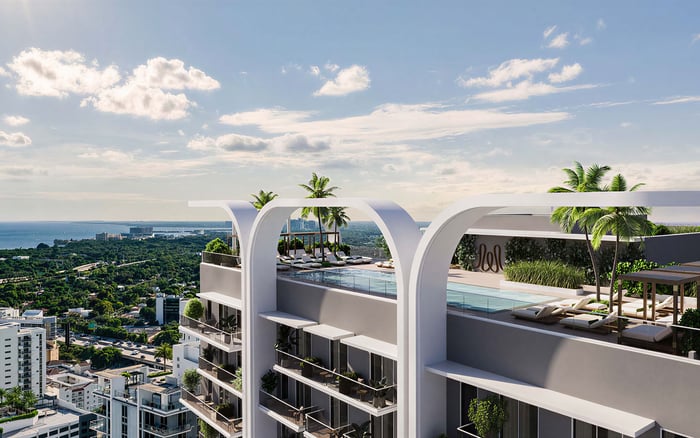
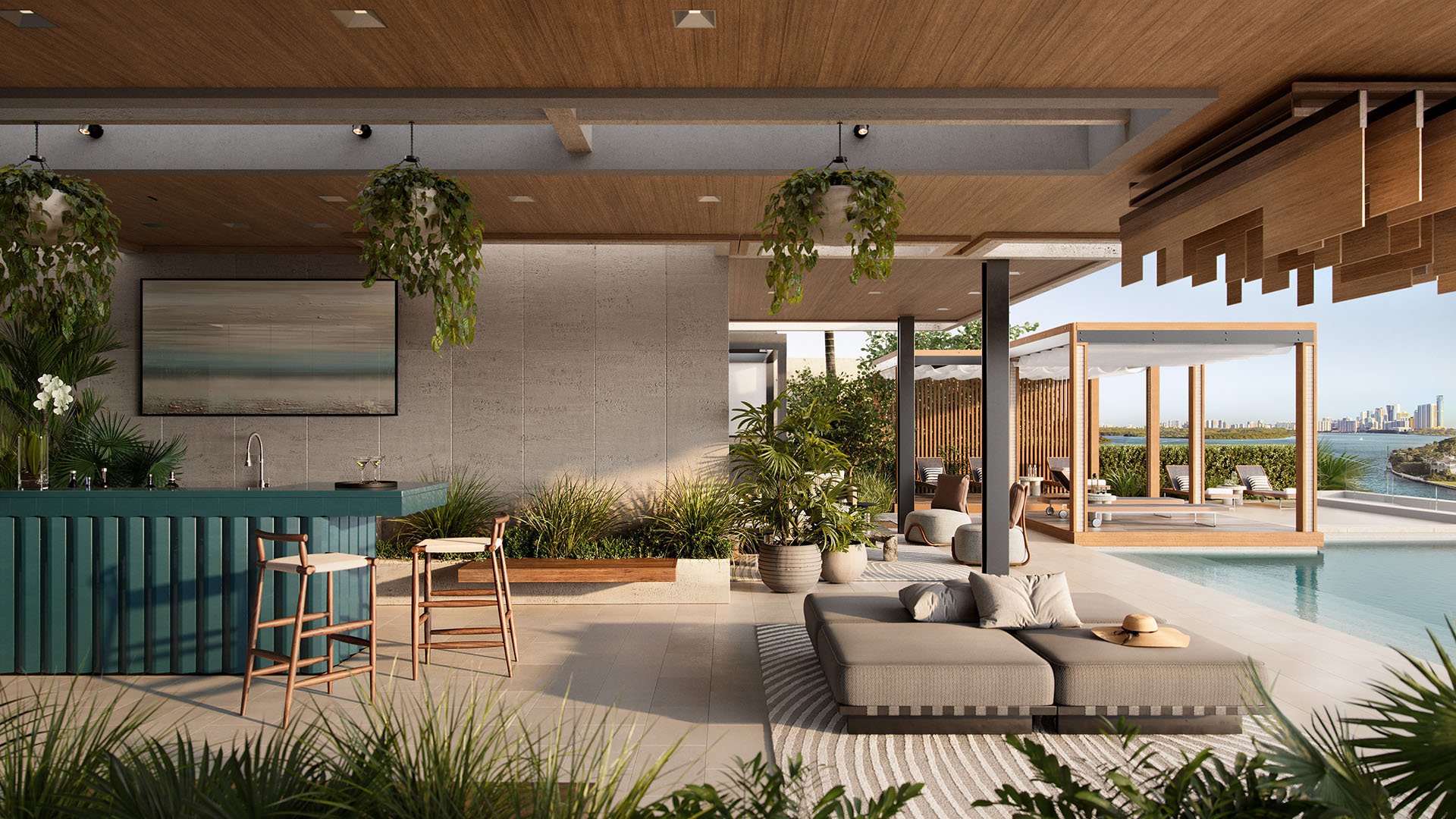
The pool is especially important in South Florida because it often functions as exercise, recovery, social space, and visual theater. Ask whether there are dedicated lap times, quiet zones, towel service, hydration stations, shaded areas, and staff monitoring. If the pool deck is beautiful but overcrowded, the wellness value may be lower than the photography suggests.
For buyers who travel frequently, recovery features can matter as much as fitness equipment. Look for spaces that support stretching, breathwork, sauna or steam routines, cold or contrast therapy where available, and calm transitions between exertion and rest. The most refined buildings do not treat wellness as a spectacle. They make it easy to return to equilibrium.
Wellness in South Florida often extends beyond the spa. Pets, walking routes, water views, terrace rituals, and morning light can shape daily wellbeing more than an occasional treatment. Buyers should evaluate how the building supports these softer routines.
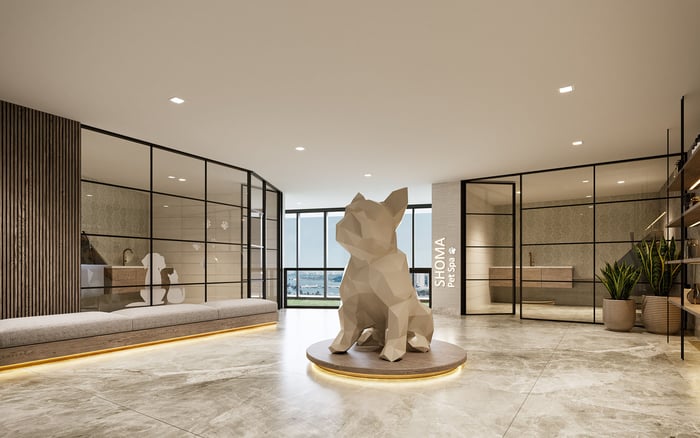
If pets are part of the household, ask how pet access, grooming referrals, walking services, relief areas, and elevator etiquette are handled. A building that understands pets well often understands service choreography more broadly. It anticipates movement, mess, timing, and privacy.
The balcony should also be considered part of the wellness program. Is it deep enough for morning coffee, stretching, reading, or quiet conversation? Does the exposure invite use throughout the day, or only for a few minutes at sunset? A residence with a usable outdoor room can deliver a daily wellness benefit that no brochure can fully express.
Outdoor access should be assessed by lifestyle. Brickell buyers may prioritize efficient access to fitness, dining, work, and waterfront paths. Surfside buyers may value a quieter beach rhythm. Sunny Isles residents may focus on oceanfront routines and expansive views. The right answer is not universal. It is the one that supports your body’s preferred cadence.
Wellness programming can be valuable when it feels curated rather than crowded. Yoga, Pilates, breathwork, nutrition sessions, sound baths, beach walks, and visiting practitioners can enrich a building’s culture. Buyers should ask how many residents typically attend, how reservations are handled, and whether programming is included, à la carte, or limited.
The most desirable programming respects both participation and privacy. It gives residents options without turning the building into a constant event venue. Ask whether classes are resident-only, whether guests may attend, and how the building handles peak seasonal demand.
New-construction residences may promote ambitious wellness concepts before all operating details are fully visible. In that case, buyers should focus on what is contractually described, what is controlled by the association or operator, and how costs may be reflected in dues or user fees. The concept matters, but governance determines durability.
Wellness concierge service has a financial structure. Buyers should ask which services are included in association dues, which are billed separately, and whether preferred providers pay access fees or operate under formal agreements. A beautiful amenity can become frustrating if pricing, access, and staffing are unclear.
Governance is just as important as cost. Who decides whether a wellness program changes? Can the association replace operators? Are residents surveyed? How are service standards monitored? Luxury buyers often focus on finishes and views, but long-term satisfaction is frequently determined by management quality.
From a resale perspective, wellness concierge may be most valuable when it feels embedded in the building’s identity rather than added as a trend. Durable value comes from consistent execution, elegant design, operational funding, and genuine resident usage. If a buyer can imagine using the service every week, not merely showing it to guests, the feature is more likely to matter.
Arrive with practical questions and observe how confidently they are answered. Who leads wellness service? What are the hours? How are providers vetted? Can residents bring their own trainer or therapist? Are treatment rooms bookable privately? How are cancellations handled? What happens during peak season? Which services are included? What is the guest policy? How is resident confidentiality protected?
Then assess the emotional register. The best wellness environments feel calm, not performative. Staff should be polished but not intrusive. Spaces should invite routine use. Movement from residence to amenity should feel effortless. If the program requires too much explanation, it may not be fully mature.
A discerning buyer should also revisit at different times if possible. Morning, late afternoon, weekend, and high-season conditions can reveal how the building truly lives. Wellness concierge is not an object to admire. It is a promise to be delivered repeatedly.
What is a wellness concierge in a luxury building? It is a residential service layer that coordinates wellness-related needs such as fitness, recovery, spa appointments, vendor access, and resident preferences.
Is a wellness concierge different from a regular concierge? Yes. A regular concierge may handle general requests, while a wellness concierge focuses on health, fitness, spa, recovery, and lifestyle routines.
What should buyers ask first? Ask who is responsible for wellness services, what hours are covered, and how outside providers are vetted and scheduled.
Are wellness services usually included in monthly dues? Some services may be included, while others may be billed separately. Buyers should request a clear explanation before purchasing.
Why does privacy matter so much? Wellness appointments can involve personal routines, recovery, or family needs, so discreet scheduling and access procedures are essential.
How important is the pool? In South Florida, the pool can support exercise, recovery, and relaxation, so buyers should evaluate staffing, shade, access, and crowding.
Should pet services be part of a wellness review? Yes. Pets affect daily routines, and thoughtful pet policies often signal a building’s broader service discipline.
Does a balcony add wellness value? A usable balcony can support fresh air, morning rituals, quiet reading, and a stronger connection to light and views.
What should new-construction buyers verify? They should distinguish between the wellness concept, the promised facilities, and the operating details that will govern daily use.
Can wellness concierge influence resale appeal? It can, particularly when the service is well managed, consistently used, and clearly integrated into the building’s identity.
If you'd like a private walkthrough and a curated shortlist, connect with MILLION.
If branded residences are on your mind — as a home or as an allocation — we would be glad to share what we are seeing, privately.
Begin a quiet conversation