A buyer-focused look at how boutique condominium culture and branded-hospitality operations can shape the real lock-and-leave experience for seasonal South Florida owners.
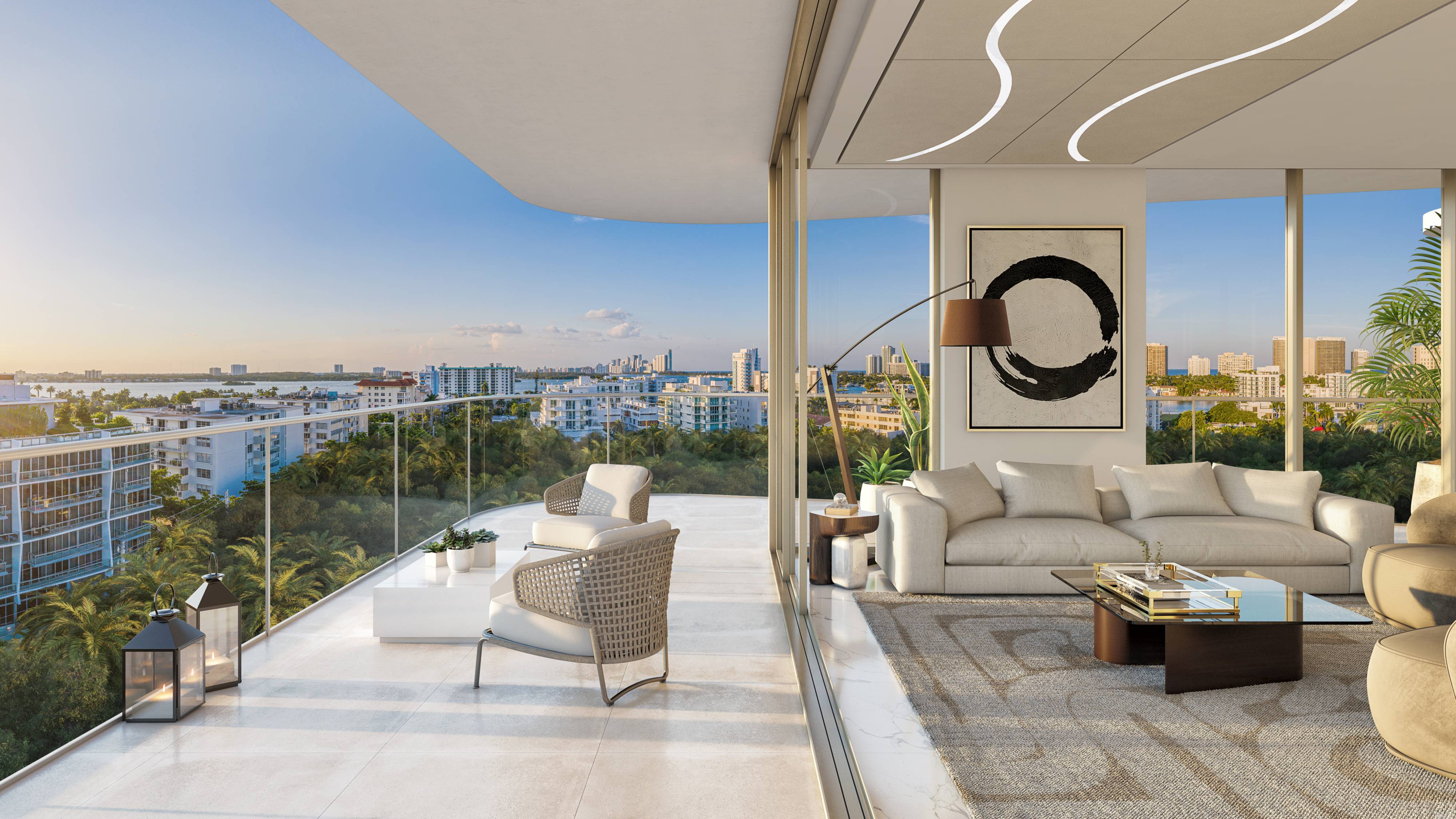
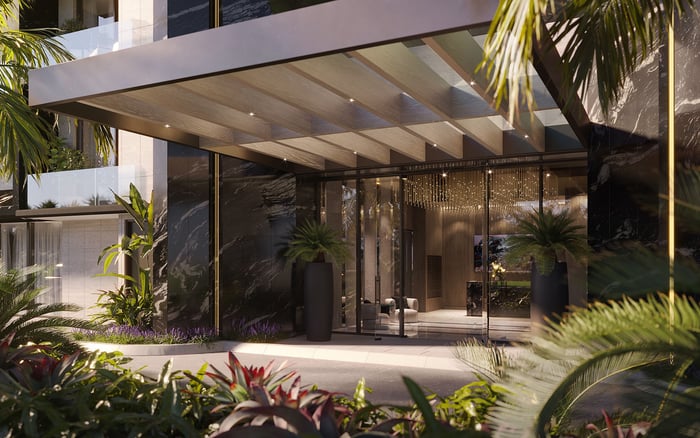
For South Florida buyers, lock-and-leave living is often described through amenities: valet arrival, concierge desks, secure elevators, and attentive building staff. Yet the more consequential variable is less visible: building culture. It determines how people enter, how staff respond, how rules are enforced, how packages are received, and how vendors are allowed into private residences when owners are away.
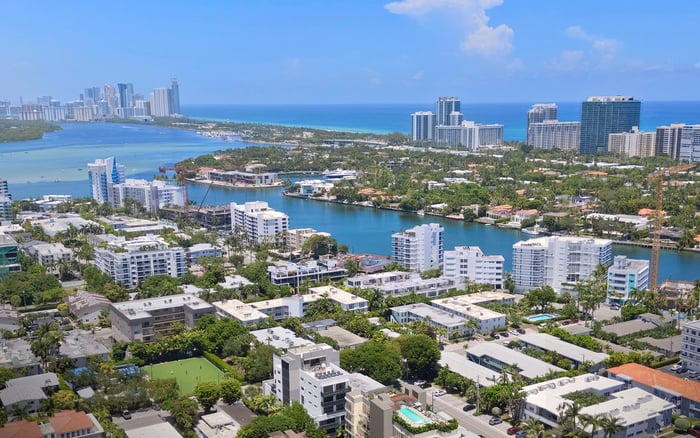
That distinction is especially useful when comparing Alana Bay Harbor Islands with Four Seasons Hotel & Private Residences Fort Lauderdale. One is framed as a boutique luxury condominium in Bay Harbor Islands. The other is a branded hotel-and-private-residence hybrid in Fort Lauderdale. Both may appeal to the seasonal owner, the international buyer, or the family using a residence between trips. But they suggest different operating personalities.
In practical terms, Bay Harbor and Fort Lauderdale represent two different ownership rhythms: boutique discretion in a smaller condominium setting, and branded service architecture in a hospitality-driven environment. The best choice is not simply the building with more services. It is the building whose daily operating habits match the owner’s privacy expectations, security tolerance, and need for support while absent.
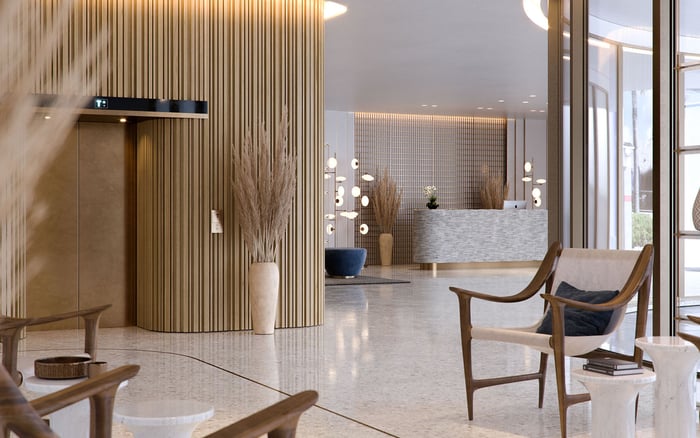
At Alana Bay Harbor Islands, the buyer’s diligence should begin with the condominium association and management structure. In a boutique building, privacy and intimacy can be meaningful advantages. Fewer moving parts may create a calmer lobby, more predictable elevator use, and a more residential feeling for owners who value discretion.
The tradeoff is that a smaller building’s lock-and-leave performance depends heavily on written rules, manager responsiveness, and staffing depth. A buyer should not assume that a boutique environment automatically provides full absentee-owner support. The essential questions are practical: who can accept deliveries, who holds keys or fobs, who authorizes access, and who is responsible for documenting entry into a residence.
For a second-home owner, this can matter as much as finishes. A home used only part of the year needs more than a pleasant arrival experience. It needs a reliable operating system for the weeks when no one is there.
Four Seasons Hotel & Private Residences Fort Lauderdale occupies a different category. As a hotel-and-private-residence hybrid, it points toward a more hospitality-driven model than a conventional condominium. For some buyers, that is the essential attraction: greater service depth, a more formalized standard of staff interaction, and operational habits shaped by branded-residence expectations.
That same structure also deserves careful review. Hotel-style systems may support convenience, but they can also bring more staff interaction, more guest activity, and a more dynamic front-of-house environment than a purely private condominium. Owner privacy, guest traffic, delivery flow, and maintenance access should be evaluated within that mixed-use context.
A buyer considering Four Seasons Hotel & Private Residences Fort Lauderdale should ask how residential privacy is separated from hotel activity. The issue is not whether hospitality is valuable. It often is. The issue is how the building protects the residential experience while still delivering the service culture that makes the address compelling.
A meaningful lock-and-leave setup should include physical security, visitor screening, key or fob control, package procedures, and clear rules for authorizing unit access. These elements sound basic, but the difference between a polished building and a resilient one usually appears in the details.
Ask how visitors are identified, whether access is logged, and what happens when an owner authorizes a guest remotely. Ask whether key storage is centralized, who can retrieve keys, and whether staff require written confirmation before anyone enters a residence. Also ask how the building handles guest turnover and rental pressure, because frequent unknown arrivals can affect lobby traffic, elevator predictability, package volume, and the resident sense of order.
For Alana, the focus is the strength of association rules and management execution. For Four Seasons, the focus is how a hospitality machine balances access, service, and privacy in the same daily environment.
Package handling is often underestimated by affluent seasonal buyers. While an owner is away, the building may be asked to receive mail, luxury goods, service deliveries, refrigerated items, documents, or time-sensitive purchases. A concierge desk is not enough if the building lacks clear standards for intake, storage, notification, release, and liability.
The right questions are direct. Are packages logged upon arrival? Are high-value deliveries stored separately? How are owners notified? Can staff place items inside a residence, or must the owner arrange pickup? If items are perishable or time-sensitive, what is the escalation procedure?
A boutique condominium may provide a more controlled residential setting, but its package capacity may depend on staffing hours and management policy. A branded residence may provide deeper service infrastructure, but the buyer should understand how residential deliveries are distinguished from hotel-related activity. In both cases, the luxury experience is measured by consistency rather than charm.
Maintenance access is one of the most important lock-and-leave variables in coastal South Florida. Owners need to know who can enter the residence, who supervises vendors, and whether every entry is recorded. A building that appears convenient can still expose owners to uncertainty if access protocols are informal.
Vendor policies should be compared line by line. Look for insurance requirements, approved vendor lists, escort procedures, unit-entry logs, and written owner authorization rules. If an air-conditioning issue, leak, alarm, or appliance failure occurs while the owner is away, the building’s response should not depend on improvisation.
Storm preparation belongs in the same conversation. Coastal owners should ask how the building communicates before and after severe weather, what absentee owners are expected to arrange privately, and how management handles urgent access if preparation or repairs are needed. The stronger building culture is the one that turns anxiety into a documented sequence of actions.
The strongest takeaway is that Alana Bay Harbor Islands and Four Seasons Hotel & Private Residences Fort Lauderdale may both suit seasonal owners, but for different reasons. Alana’s appeal is likely to center on boutique privacy, intimacy, and a quieter condominium culture. Four Seasons’ appeal is likely to center on branded service depth, hotel-style systems, and the convenience of a more robust operating platform.
Neither model is automatically superior. The right fit depends on how the owner defines security. For one buyer, security means fewer strangers, a smaller resident community, and highly controlled access. For another, it means professional staffing layers, formal hospitality standards, and a team accustomed to solving problems while the owner is elsewhere.
Before purchasing, ask to review the documents and speak directly about real-life scenarios. Who receives the package? Who opens the door? Who logs the vendor? Who calls during a storm? In luxury real estate, the answers to those questions often reveal more than the amenity deck.
What is the main difference between Alana and Four Seasons for lock-and-leave owners? Alana suggests a boutique condominium culture, while Four Seasons suggests a more hospitality-driven operating model with deeper service infrastructure.
Is a boutique building always more private? It can feel more private, but true privacy depends on access rules, staffing practices, package procedures, and consistent enforcement.
Does branded hospitality automatically mean better security? Not automatically. It may offer stronger service systems, but buyers should study how residential privacy is protected amid hotel activity.
Why does package handling matter so much? Seasonal owners may receive valuable, urgent, or sensitive items while away, so logging, storage, notification, and release procedures matter.
What should buyers ask about maintenance access? Ask who can enter the residence, whether vendors are escorted, whether insurance is required, and how entry is documented.
How does storm readiness affect lock-and-leave ownership? Coastal owners need clear communication, preparation expectations, and emergency access procedures when they are not in residence.
Should rental activity be part of the diligence process? Yes. Guest turnover can influence lobby traffic, elevator use, package flow, and the predictability residents expect from the building.
Which model is better for a highly private owner? A buyer who prioritizes quiet discretion may prefer the boutique-condo feel, provided the building has strong written protocols.
Which model is better for an owner who wants service support? A buyer who values staff depth and hospitality systems may prefer the branded-residence model, after reviewing privacy safeguards.
What is the best way to shortlist comparable options for touring? Start with location fit, delivery status, and daily lifestyle priorities, then compare stacks and elevations to validate views and privacy.
To compare the best-fit options with clarity, connect with MILLION.
If branded residences are on your mind — as a home or as an allocation — we would be glad to share what we are seeing, privately.
Begin a quiet conversation