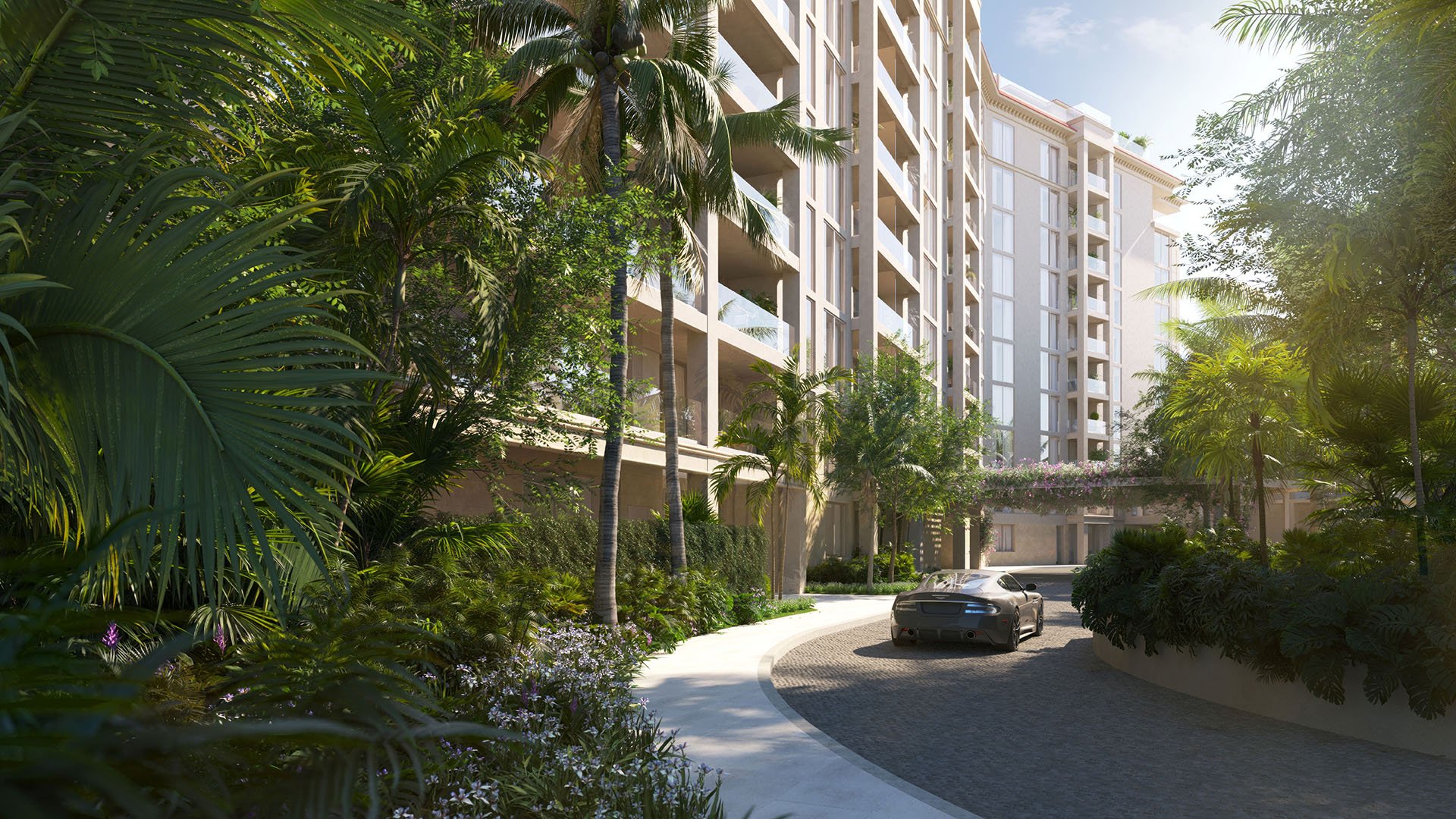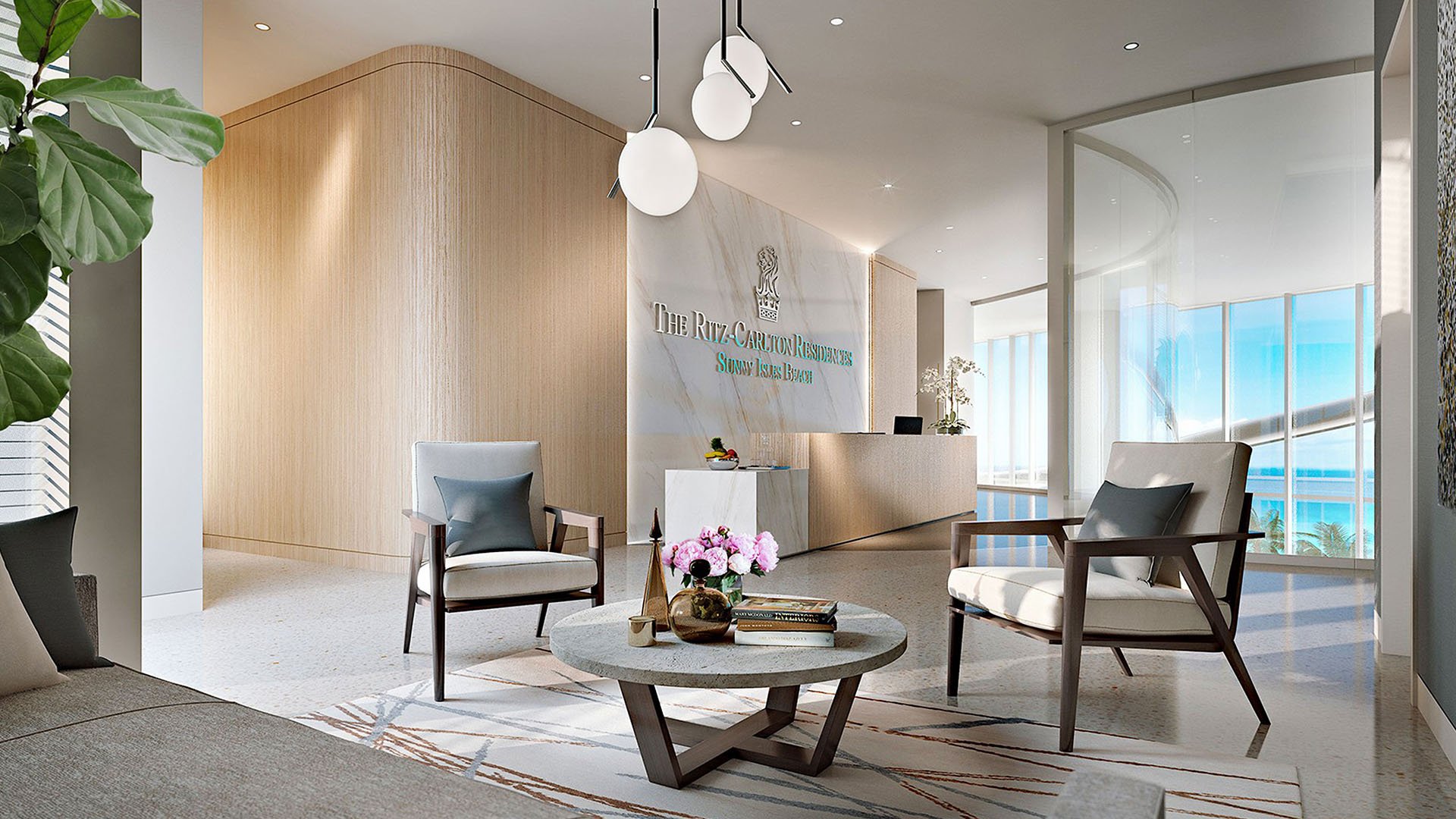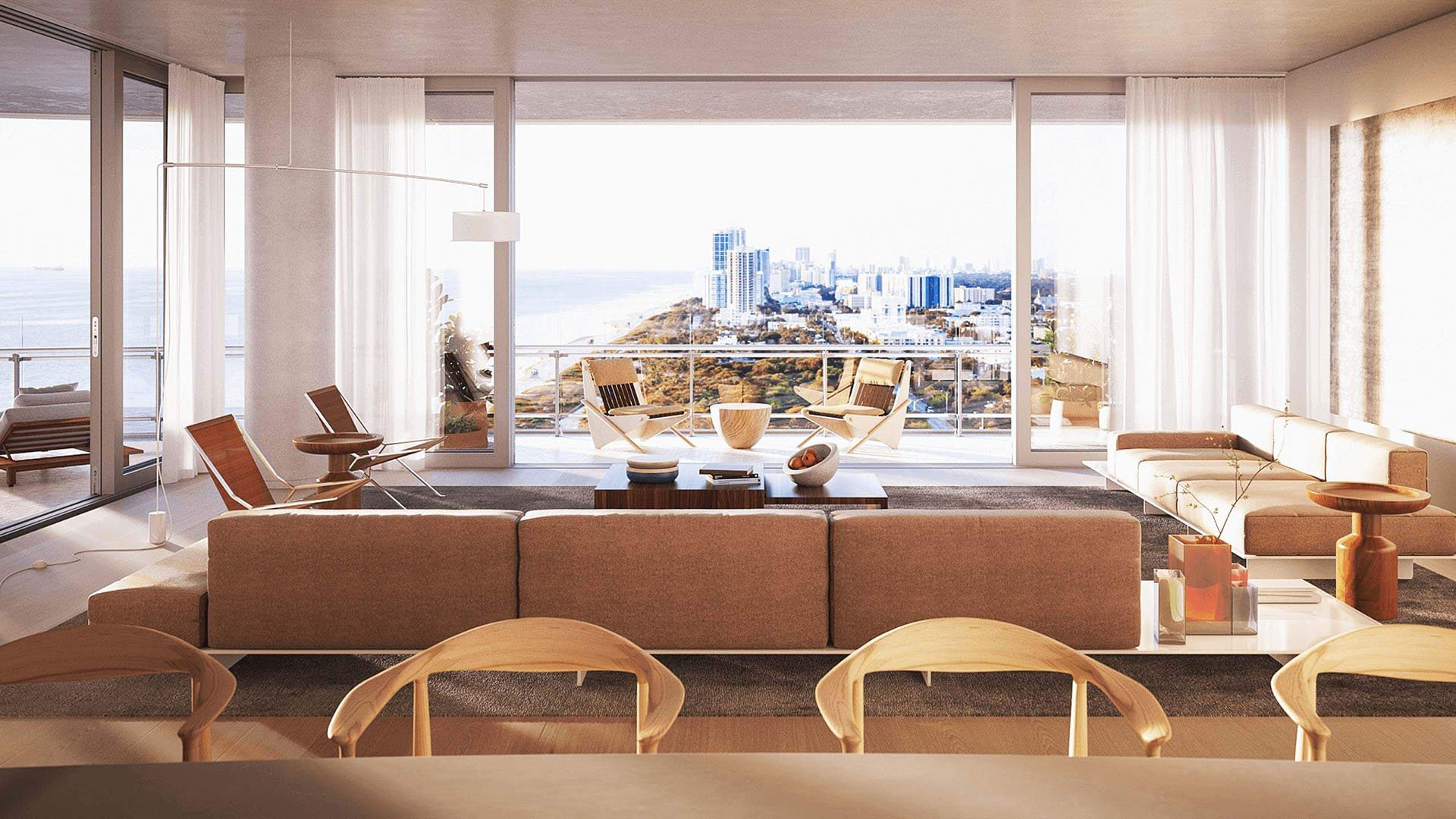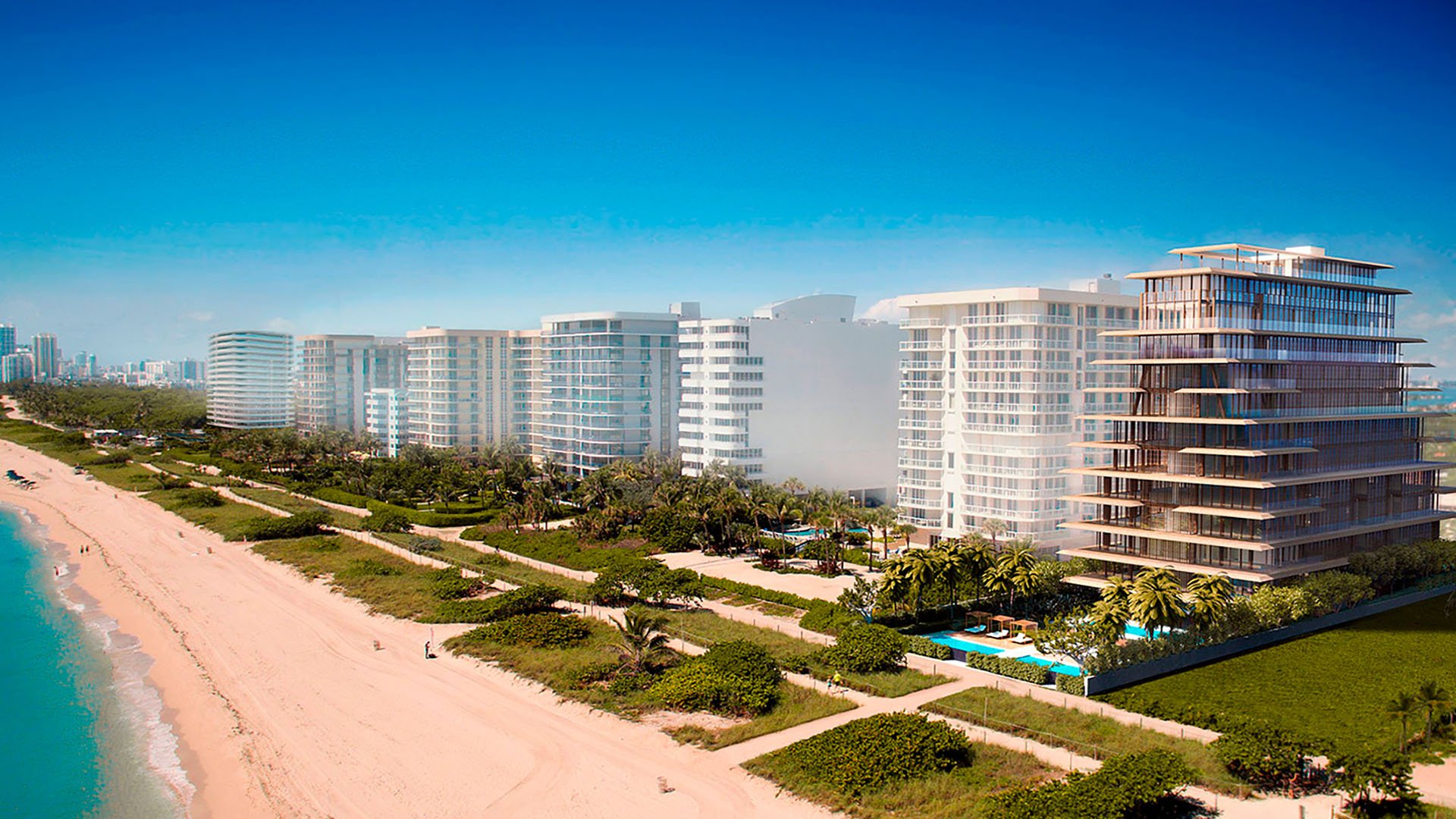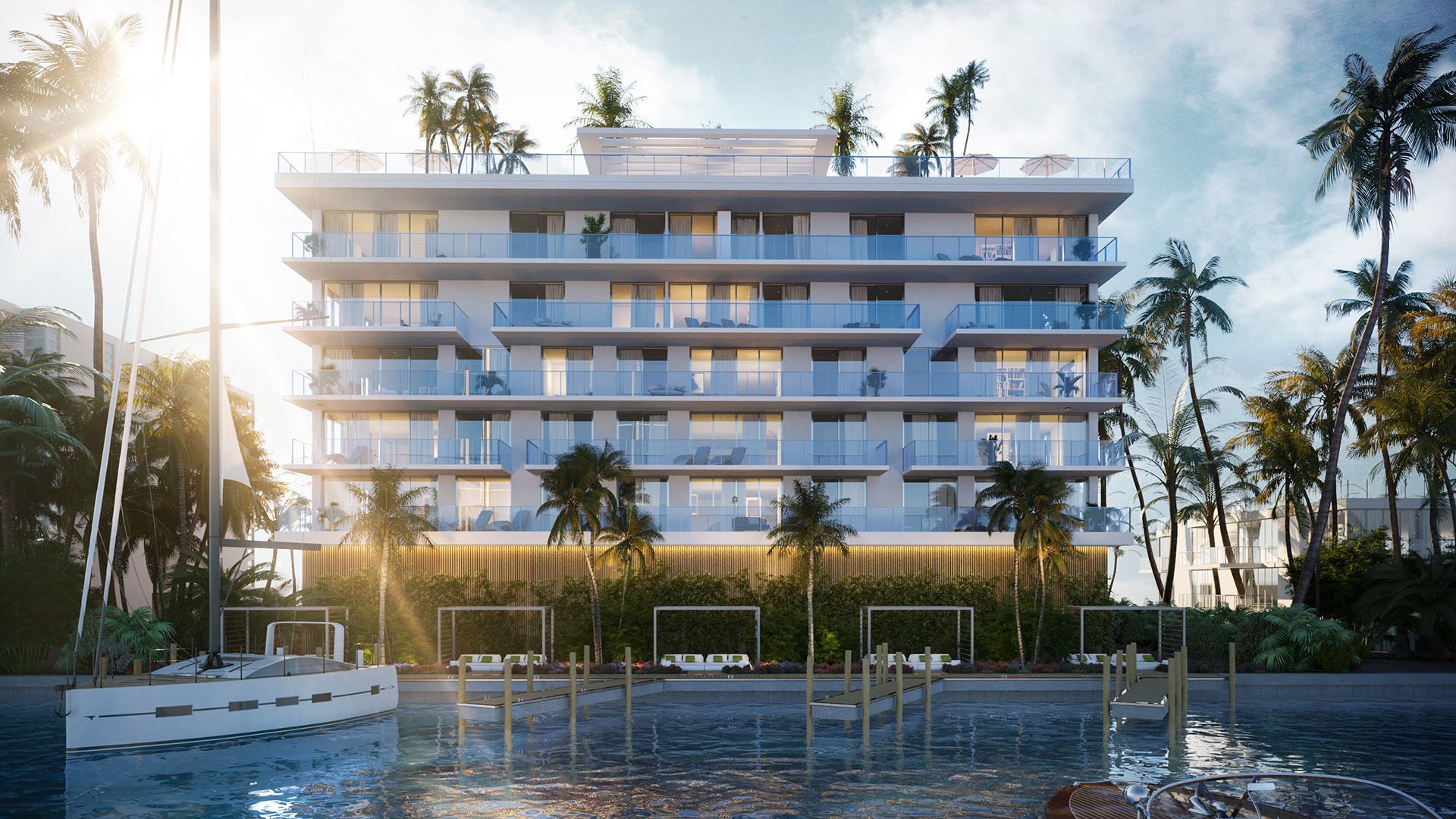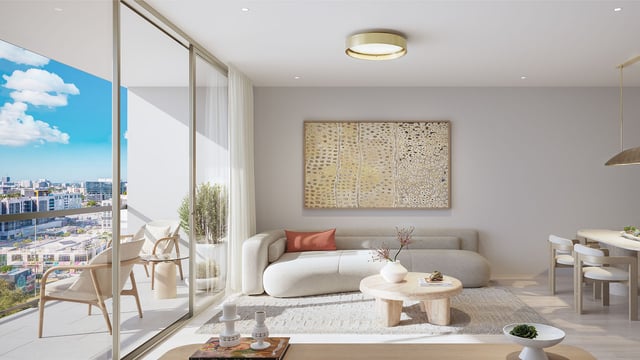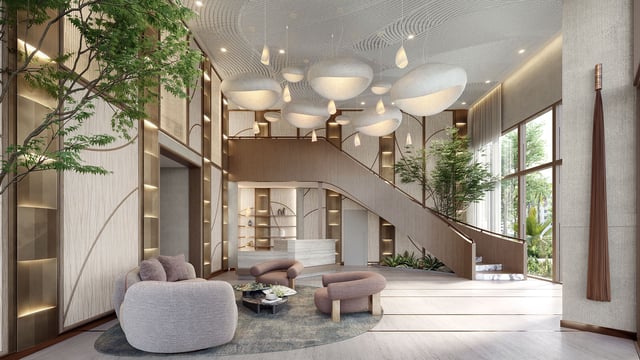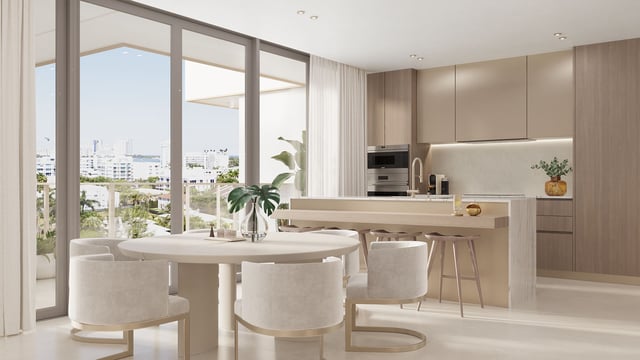
Five Developments in Miami Beach Emphasizing Japanese Minimalist Design
Japanese minimalist design has become a quiet status signal in Miami Beach: a preference for restraint over spectacle, craftsmanship over trend, and daily calm over visual noise. In a market defined by light, water, and high expectations, the most compelling residences are increasingly the ones that edit rather than add. This editorial looks at five development archetypes that express Japanese minimalism in a Miami Beach context, from sanctuary-like arrival sequences to warm natural palettes and spa-grade wellness. Because today’s buyers often split time between cities, the appeal is not only aesthetic. Minimalist planning tends to age well, photograph cleanly, and support an easier rhythm of living. What follows is a buyer-oriented ranking, then a practical guide to how to evaluate minimalism beyond marketing language, including the details that matter once you move in: acoustics, storage, lighting, material integrity, and amenity culture.

Evaluating the Threat of Saltwater Corrosion on Balcony Furniture in Surfside
Salt air is part of Surfside’s appeal, but it is equally persistent as a corrosive force on balcony furnishings. For oceanfront and near-ocean residences, chloride-laden mist, wind-driven spray, and high humidity can quietly degrade metals, finishes, and hardware, turning “outdoor” pieces into short-lived liabilities. This MILLION Luxury guide breaks down what actually fails first, which materials hold their look, and how owners can align furniture choices with building exposure, maintenance expectations, and resale-level presentation.

The Strategic Use of Land Trusts to Maintain Anonymity in Miami Condominium Acquisitions
For privacy-minded buyers, Miami’s condominium market presents a paradox: trophy assets trade in a city that runs on visibility, yet ownership records remain broadly accessible. A land trust can be a sophisticated, lawful way to reduce public-facing exposure while keeping the transaction, financing, and estate planning aligned. This MILLION Luxury editorial outlines how land trusts typically work in Florida, where they deliver meaningful discretion, and where they do not. It also highlights the decision points that matter to ultra-premium purchasers: lender posture, closing logistics, governance documents, and how to avoid privacy strategies that create more risk than quiet.

Comparing the Intimacy of Low Rise Living at Ocean House Surfside Against Fendi Chateau Residences Surfside
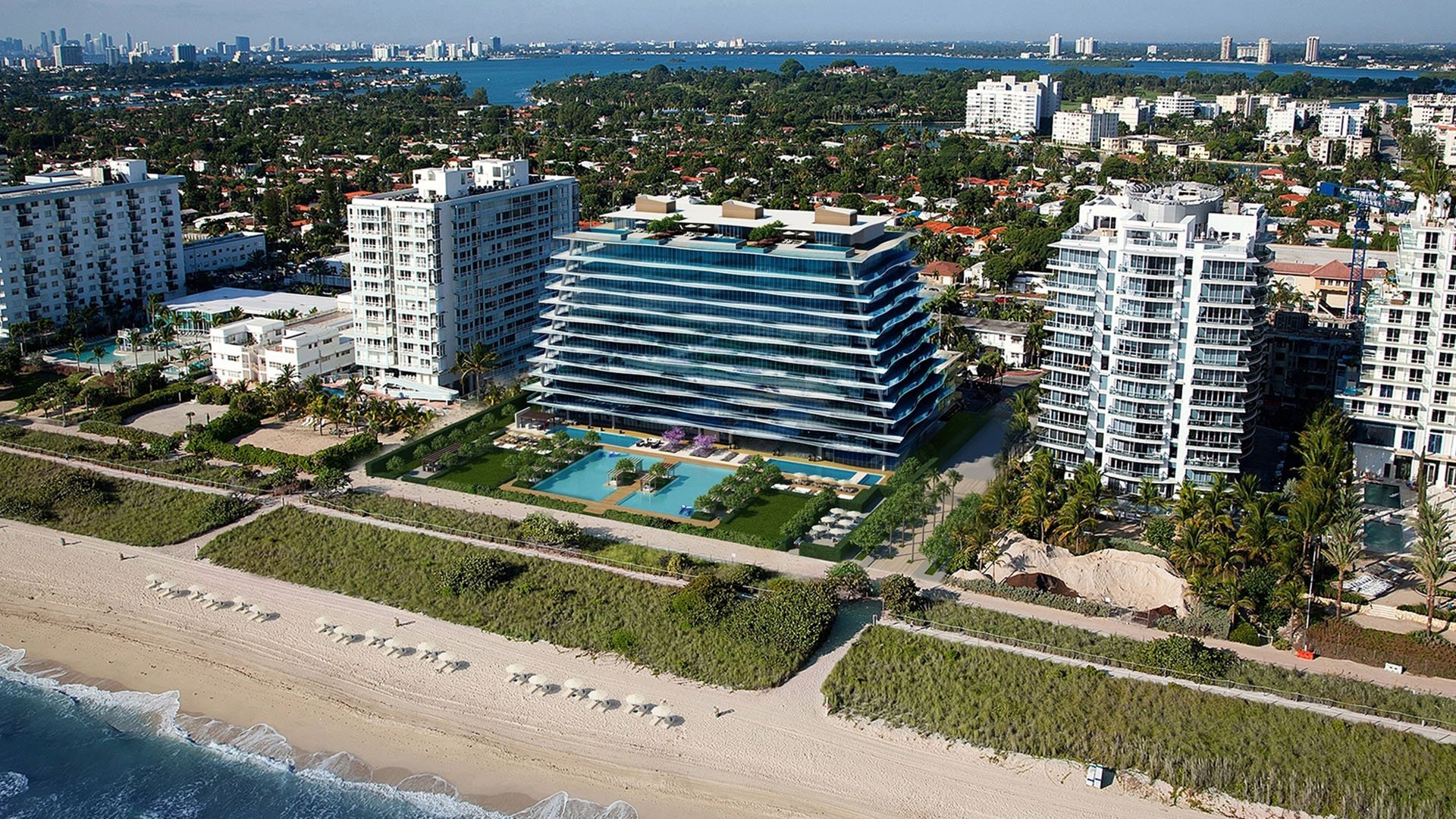
In Surfside, two names define a very specific kind of oceanfront luxury: the low-rise, privacy-forward residential experience. Ocean House Surfside and Fendi Château Residences Surfside both appeal to buyers who want beachfront proximity without the emotional temperature of a mega-tower. Yet their intimacy is expressed differently: one leans toward a quiet, residential cadence; the other pairs boutique scale with branded design identity. With no two households using “privacy” to mean the same thing, this comparison focuses on what you actually feel day to day: arrival, shared spaces, neighbor density, service posture, and how the building’s scale shapes the rhythm of living. The result is less about which is “better” and more about which version of intimacy matches your lifestyle, household size, and expectations of discretion.

Evaluating Sub Zero Appliance Packages at Ocean House Surfside Against Fendi Chateau Residences Surfside
A buyer-oriented comparison of how Sub-Zero and broader luxury appliance packages influence daily living, resale positioning, and design intent at two Surfside addresses: Ocean House and Fendi Château.

Comparing the Walkability to Bal Harbour Shops from Onda Bay Harbor Against The Well Bay Harbor Islands
A buyer-oriented comparison of how walkable daily life feels between Onda Bay Harbor and The Well Bay Harbor Islands when Bal Harbour Shops is the reference point, with practical guidance on routes, comfort, and lifestyle fit.