South Florida’s New Status Symbol: The Outdoor Room That Sells the Home
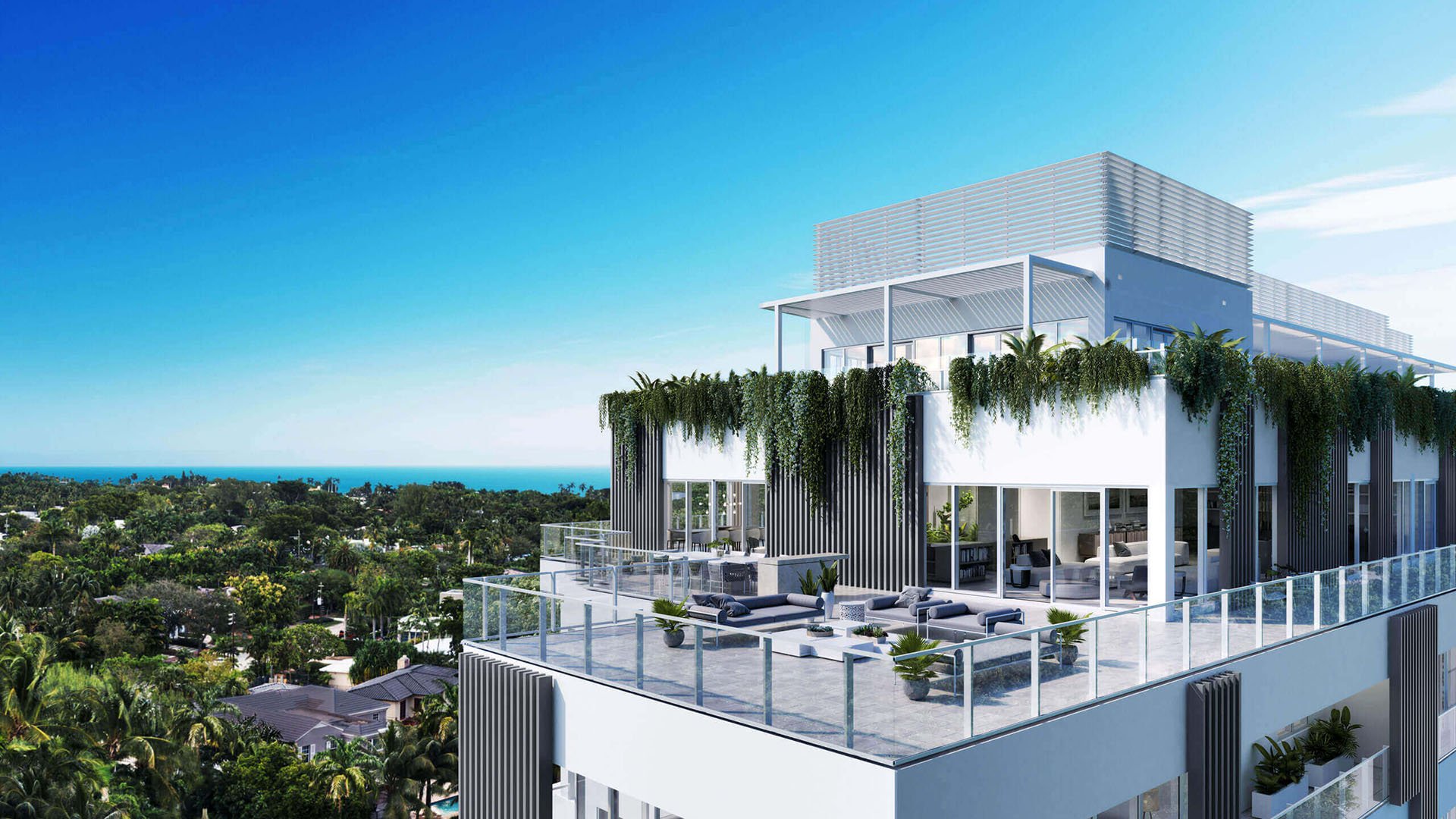
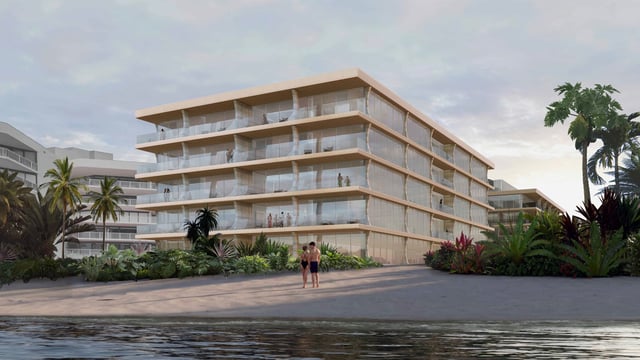
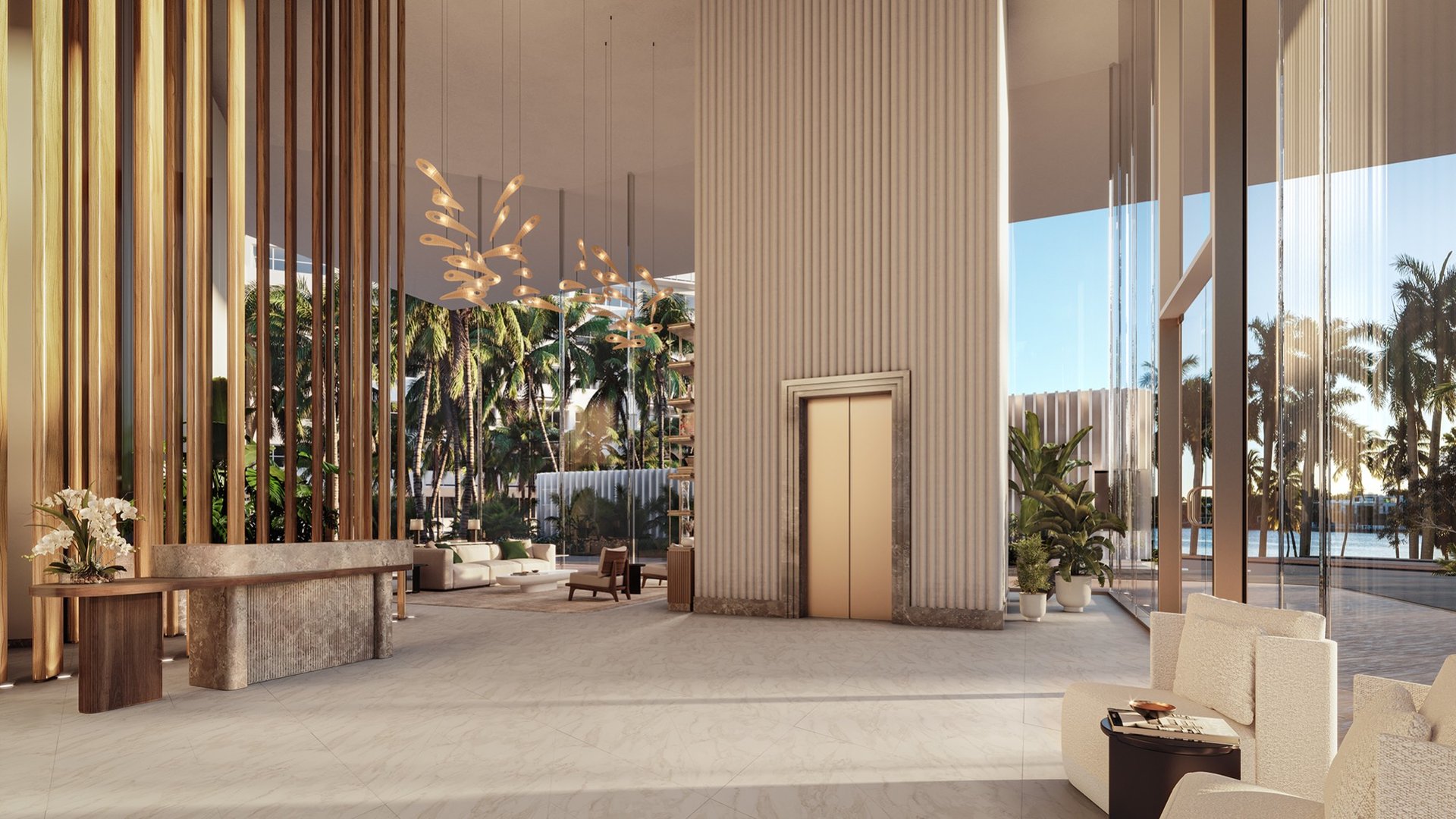
In South Florida, luxury has always been a lifestyle story. Increasingly, that story is written outside. From shaded entertaining lounges to resort-caliber pools and layered, professionally designed landscaping, buyers are treating outdoor environments as a functional extension of the interior, not a decorative afterthought. For sellers, this shift is meaningful. MILLION Luxury has reported that comprehensive outdoor upgrades can lift perceived value and resale appeal by roughly 15% to 20% when executed at a high level, a range that often outperforms many interior refreshes that fail to change how a home lives day to day. For buyers, it changes what “turnkey” means: not just pristine finishes, but comfort, privacy, and atmosphere across the terrace, courtyard, and poolscape. The result is a new hierarchy of features, and it is surprisingly consistent across single-family estates, gated waterfront compounds, and the most design-forward condos in Miami-beach. Here is how to evaluate an outdoor “oasis” like an underwriter: as architecture, infrastructure, and daily ritual, all in one.

Larry Page’s Coconut Grove Purchases and the New Billionaire Playbook in South Florida
Google co-founder Larry Page’s reported ~$173.4 million two-home buying spree in Coconut Grove has become a case study in how ultra-wealthy buyers now approach South Florida: not as a single trophy acquisition, but as a portfolio strategy optimized for privacy, flexibility, and long-term positioning. Framed against parallel moves by other high-profile buyers and a renewed national conversation about wealth taxes, these transactions help explain why Miami’s most guarded enclaves and branded, service-forward residences continue to attract global capital.

Mediterranean Revival vs. Tropical Modern: The Two Design Languages Shaping South Florida Luxury
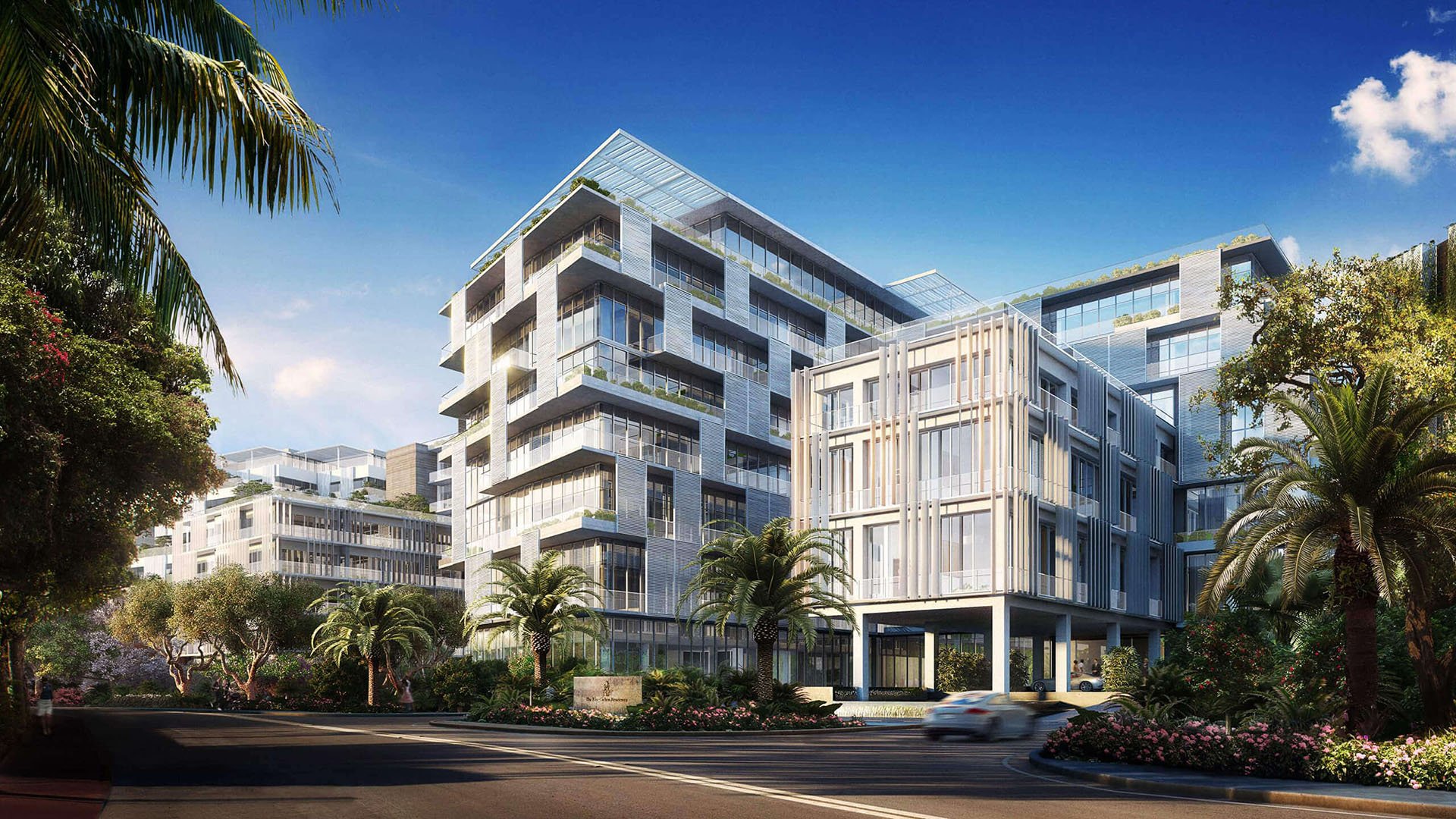
From Coral-gables courtyards to Brickell’s glass-forward skyline, South Florida’s top-tier buyers tend to gravitate toward two architectural dialects. Mediterranean Revival delivers heritage, romance, and a sense of established prestige. Tropical Modern answers the climate with shade, airflow, and indoor–outdoor continuity. This MILLION Luxury editorial lays out what each style signals, how it lives day to day, and how to evaluate them through the lens of neighborhood fit, renovation pathways, and long-term desirability.

Palm and Hibiscus Islands: Miami Beach’s Discreet, Gated Waterfront Enclaves
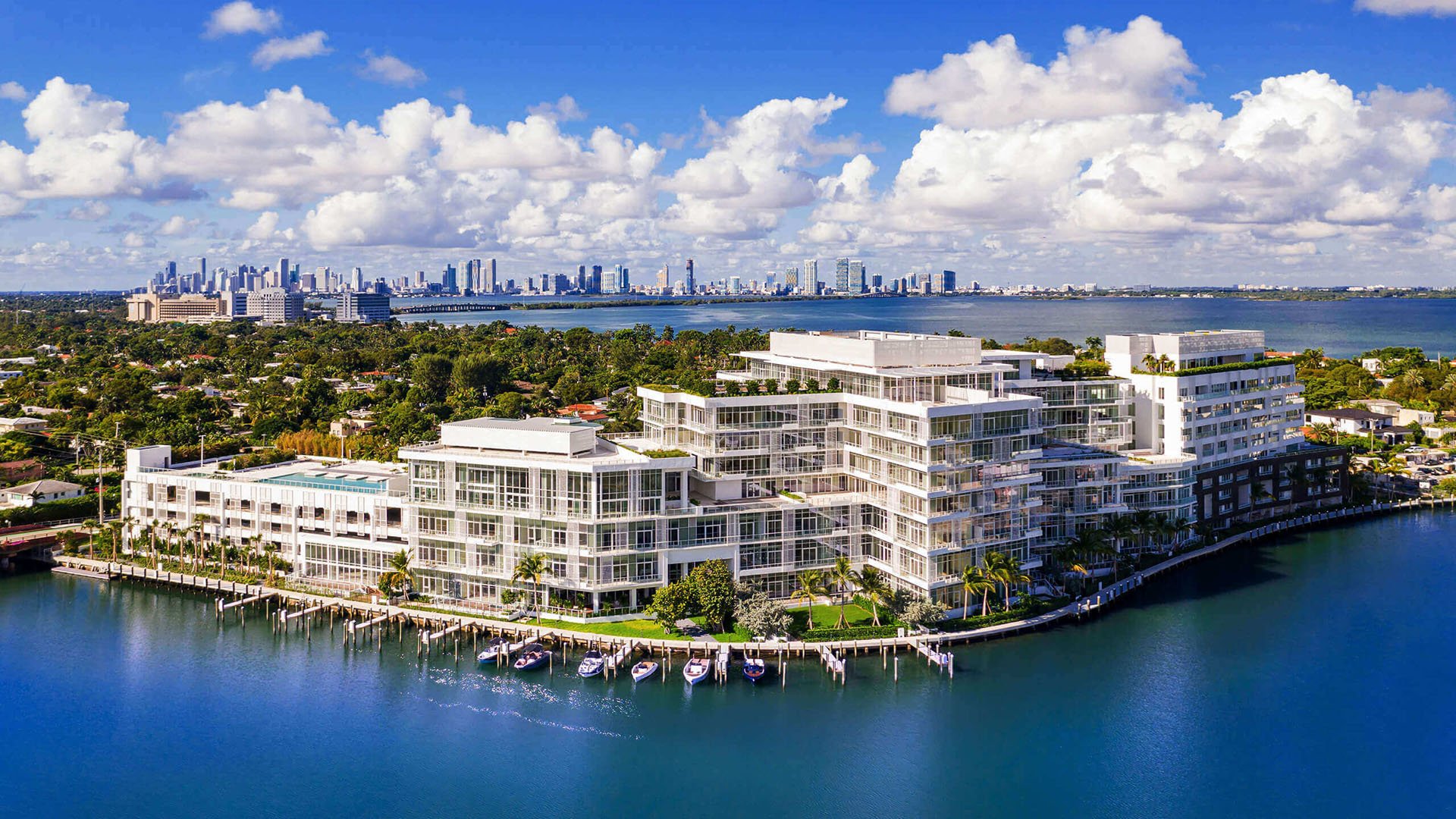
Palm and Hibiscus Islands sit like two quiet commas in Biscayne Bay, minutes from both Downtown Miami and the energy of South Beach. Created in the early 1920s through dredging and fill, these man-made islands have evolved into among Miami Beach’s most private addresses: low inventory, high discretion, and a waterfront lifestyle that remains difficult to replicate. For buyers, the appeal is less about flash and more about geography and scarcity. The islands are gated and guarded, their streets largely residential, and their market is often defined by trophy-level listings that can set national headlines. What follows is a buyer-oriented look at why Palm and Hibiscus Islands endure as long-term luxury holds, and what to watch when you decide to compete for a water-edge parcel in the heart of Miami Beach.

Discreet by Design: NDAs, LLCs, and What’s Changing for Private Luxury Home Buys in South Florida
For ultra-prime buyers in South Florida, privacy is less a single tactic than a coordinated strategy: quiet exposure, contractual confidentiality, and thoughtful ownership structuring. Yet “anonymous” has never meant invisible, and it is becoming meaningfully harder to keep beneficial ownership completely off the regulatory radar. With FinCEN’s finalized Residential Real Estate Reporting Rule set to take effect March 1, 2026, non-financed transfers to entities and trusts will be reported through the closing ecosystem. Here is how discretion works today, where it breaks down, and what a modern privacy-minded buyer should align with their counsel, broker, and settlement team before committing capital.

Yacht-Centric Living in South Florida: Miami, Fort Lauderdale, and the New Rules of Waterfront Luxury
For ultra-high-net-worth buyers, South Florida’s waterfront is no longer a backdrop. It is transportation, privacy, lifestyle, and long-duration value support. Miami’s bayfront favors the cosmopolitan owner who wants a marina-ready address within reach of culture and capital, while Fort Lauderdale’s marina ecosystem speaks to owners who prioritize operational ease and proximity to yachting infrastructure. From branded residences that treat arrival as theater to controlled-access island living and even fly-in communities up the coast, the region’s most coveted homes increasingly trade on access: to water, to runways, and to time itself.