Mandarin Oriental Residences vs Casa Cipriani in Miami: Service model
Quick Summary
- Mandarin Oriental leans into hotel-trained, 24-hour operations and scale
- Casa Cipriani favors low-density privacy with a private members’ club focus
- Amenities can signal culture: expansive resort programming vs curated intimacy
- Best choice depends on how often you travel, host, and value social access
A service question disguised as a real estate decision
In South Florida’s upper tier, “branded residences” are often discussed as if the brand alone guarantees the experience. In practice, the true differentiator is operational philosophy: how the building is staffed, how requests are handled, and whether the social life is designed to be outward-facing or intentionally insular.
The comparison between Mandarin Oriental’s new Brickell Key concept and Casa Cipriani’s Mid-Beach concept crystallizes that divide. One is built around a global, hotel-trained service platform engineered to function 24 hours a day. The other is structured as a club-oriented address, where lifestyle is shaped by access, familiarity, and low-density discretion.
If you are choosing between these worlds, the better question is not “Which is more luxurious?” but “Which lifestyle system fits how I live in Miami?”
The two archetypes: hotel-trained precision vs private-club intimacy
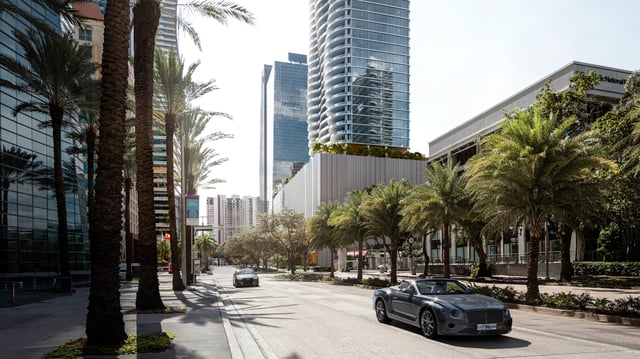
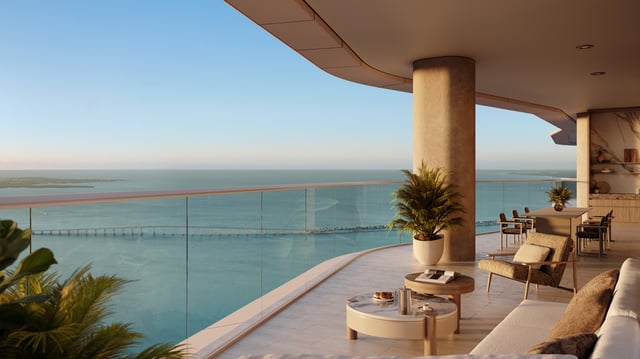
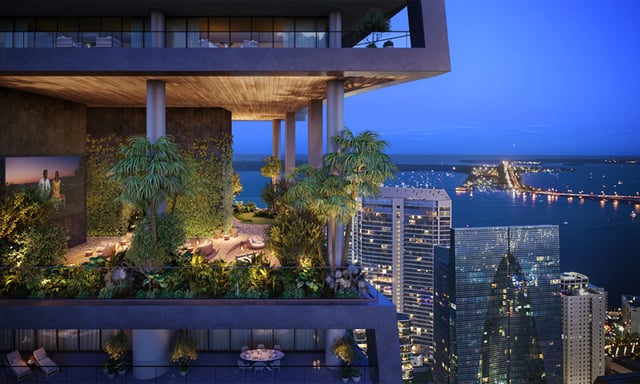
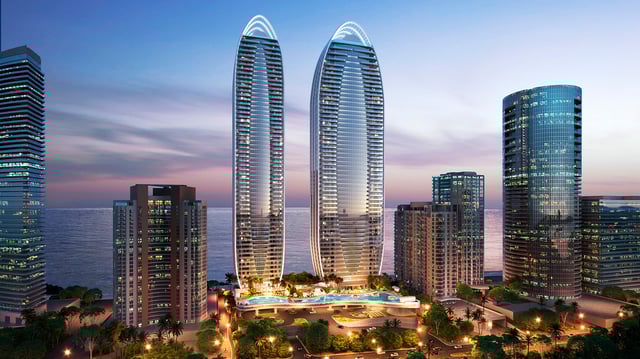
Mandarin Oriental’s residential offering in Miami is positioned on Brickell Key as a major redevelopment, described as a two-tower project with a branded residential component and a hotel-residential component. The underlying promise is consistency: a hotel group’s playbook translated into day-to-day residential life, with core services such as 24-hour concierge, 24-hour valet, and residence-management-style support oriented to second-home ownership.
Casa Cipriani Miami is planned at 3611 Collins Ave in Mid-Beach, envisioned as a branded, club-oriented project combining residences, a boutique hotel, and a private members’ club. The emphasis is not simply “amenities,” but membership culture: curated food and beverage, social spaces, and programming intended to feel private by design. With 23 ultra-luxury residences and a 40-suite boutique hotel, the scale signals intimacy and a more relationship-driven rhythm.
These approaches can both be exceptional, but they deliver luxury in different forms. One optimizes reliability and breadth. The other prioritizes privacy, familiarity, and a carefully edited social scene.
Lifestyle and location: Brickell Key rhythm vs Mid-Beach cadence
Brickell Key’s appeal is a distinct, self-contained residential environment adjacent to Miami’s commercial core. It tends to suit owners who want a clean division between a serene home base and the pace of Brickell, Downtown, and the broader city. In that context, a hotel-trained service system can feel seamless: arrivals are anticipated, departures are frictionless, and the residence can be maintained while you are away.
Mid-Beach, by contrast, speaks to those who treat Miami Beach as a lifestyle headquarters rather than a launchpad. A club-oriented building at 3611 Collins can shift how you use your home: more impromptu dinners, easier hosting, and social access that feels organic instead of scheduled.
For buyers who are cross-shopping Miami Beach alternatives, it helps to triangulate your preference for privacy versus scene. Some pursue the classic, hospitality-driven beachfront model in Setai Residences Miami Beach. Others look to a new generation of curated collections such as Shore Club Private Collections Miami Beach. Both can be useful reference points for deciding whether you want your building to be a sanctuary, a salon, or something in between.
Amenities: the difference between a resort and a club
Amenities are often reduced to checklists, but the meaningful distinction is scale and programming.
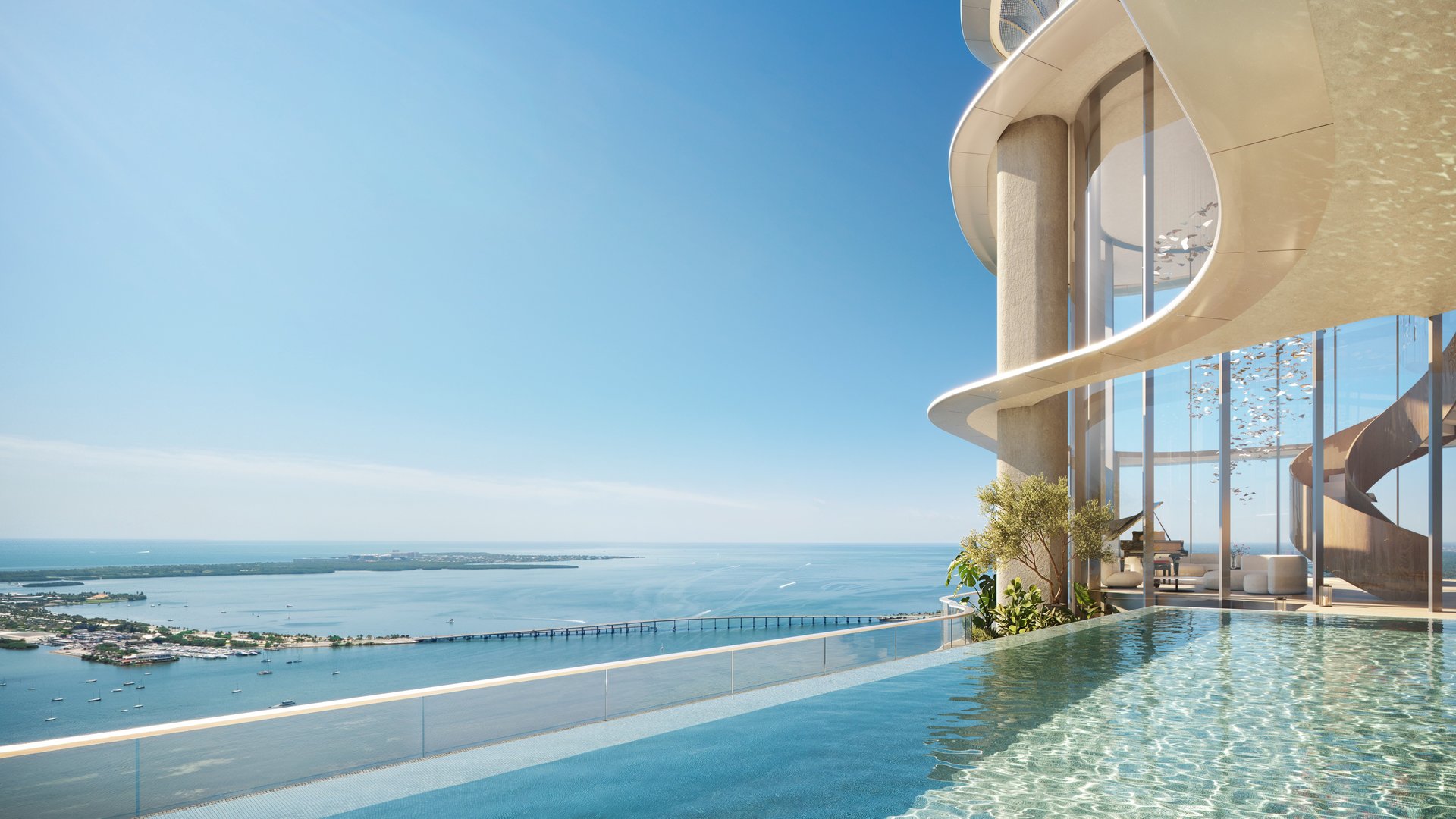
Mandarin Oriental’s Miami concept has been publicly described as planning roughly 100,000 square feet of amenities, including 11 pools. That reads as a private resort layered into a residential tower, where variety is part of the value proposition. For many owners, this scale matters because it makes the building itself a destination. If you spend extended periods in Miami or host multi-generational visits, breadth becomes practical, not just impressive.
Casa Cipriani’s amenity narrative centers on spa and wellness, fitness, and curated leisure spaces, but the headline is the members’ club positioning. In a club framework, amenities are less about quantity and more about calibration: spaces that encourage regularity, familiarity, and a quieter form of prestige.
Neither approach is inherently “better,” but each supports different patterns of use. Resort-style programming tends to reward owners who want a rich internal ecosystem. Club-style programming tends to reward owners who value access to a controlled social environment.
Privacy and density: why unit count changes everything
A building’s service culture is shaped by how many doors it serves.
Casa Cipriani’s 23-residence concept is, by definition, low-density. That can translate into a different kind of attentiveness: fewer competing requests, greater consistency in staffing, and a higher chance the team learns your preferences over time. It also tends to keep common spaces calmer, even at peak season.
Mandarin Oriental’s concept operates at a much larger scale, and that scale is not a drawback - it is the mechanism that supports standardized protocols and always-on coverage. In many global luxury residential offerings tied to major hotel groups, the benefit is predictability: service is designed to perform at a high level even when the building is busy, because the operating model expects it.
Your decision here should be candid. If you crave quiet and recognition, low-density can be decisive. If you value redundancy, systems, and a deep bench of staff, a hotel-trained platform is often the more comfortable fit.
Hosting, social life, and the “third place” factor
For many ultra-premium buyers, the home is not only private space; it is a platform for relationships. The question becomes: where does your social life happen, and who controls the mood?
In a private-club-led environment, the building can function as your third place. You are not just going to a restaurant; you are returning to a setting where the room recognizes you. Casa Cipriani’s heritage story traces back to Harry’s Bar in Venice, founded in 1931, and that legacy is often used to communicate a particular old-world hospitality cadence: personal, discreet, and relationship-forward.
In a hotel-trained environment, hosting can be more operationally frictionless. Always-on concierge and valet are not merely conveniences; they are infrastructure for arrivals, departures, security rhythms, and staff coordination. If your hosting style is larger, more frequent, or more logistically complex, that operational backbone can matter more than “vibe.”
Second-home practicality: arriving, leaving, and staying ready
South Florida has a high concentration of second-home ownership, and branded residences are increasingly designed around that reality.
Mandarin Oriental explicitly promotes residence management and property-care-style services. For owners who split time across multiple cities, this can be a central value proposition: the home is kept in a ready state, and the experience upon arrival is designed to feel effortless.
Casa Cipriani’s club orientation can also work beautifully for second-home owners, but in a different way. It is less about industrial-grade property systems and more about the feeling that, even if you are in town briefly, you immediately have a social and culinary anchor.
How to choose: a buyer’s decision framework
When two addresses both promise “luxury,” the decision usually comes down to which kind of luxury you will actually use.
Choose a hotel-trained model when:
- You prioritize 24-hour staffing and reliable protocol.
- You travel frequently and want property-care support.
- You value breadth of amenities and a resort-like internal life.
Choose a private-club-led model when:
- You prioritize low-density living and quieter common spaces.
- You want social life curated through membership culture.
- You want a building that feels like a private circle, not a destination.
And if you are early in the search, it can be helpful to experience multiple operating styles before committing. For example, spending time in a full-service, hospitality-led beachfront environment can clarify whether you want your building to perform like a luxury hotel or to feel like a private house with a club attached.
A note on expectations: what “brand” does and does not guarantee
A brand is not a substitute for governance, staffing, and operations. In this tier, a brand is best understood as a framework: design intent, service standards, and a certain social code. The lived outcome depends on how that framework is implemented, day to day.
Mandarin Oriental’s global residences concept is structured around branded residential living with hotel-grade services, which tends to appeal to buyers who want structured excellence. Casa Cipriani’s proposition is built around club life, which tends to appeal to buyers who want a more personal atmosphere and a sense of belonging.
If you align expectations with the operating model, both can deliver a version of Miami that feels rare, and uniquely yours.
FAQs
-
Is Mandarin Oriental more “full service” than Casa Cipriani? Mandarin Oriental emphasizes hotel-trained operations with 24-hour concierge and valet. Casa Cipriani emphasizes a private members’ club lifestyle layered into the residential offering.
-
Where are the Mandarin Oriental residences located? The Residences at Mandarin Oriental, Miami are located on Brickell Key.
-
Where is Casa Cipriani Miami planned? Casa Cipriani Miami is planned at 3611 Collins Ave in Mid-Beach.
-
How many residences are planned at Casa Cipriani Miami? It is marketed as having 23 ultra-luxury residences, supporting a low-density feel.
-
Is there a hotel component at Casa Cipriani Miami? Yes, the concept includes a 40-suite boutique hotel alongside the residences and club.
-
What is the scale of amenities at the Mandarin Oriental redevelopment? The amenity plan has been described as roughly 100,000 square feet, including 11 pools.
-
Which option is better for frequent travelers and second-home owners? A hotel-trained model can be compelling due to residence management and property-care services. Club-led living can be ideal if you want instant lifestyle access when you are in town.
-
Which is likely to feel more private day to day? Lower unit count typically supports a more intimate atmosphere. Casa Cipriani’s 23-residence positioning is designed around that kind of privacy.
-
Do both concepts include wellness and fitness? Yes, Casa Cipriani markets spa and wellness and fitness as part of its amenity program. Mandarin Oriental’s broader amenity scale also implies extensive lifestyle facilities.
-
Can I explore other Miami Beach and Brickell branded alternatives while deciding? Yes, comparing service cultures across buildings can clarify what you value most. Consider experiences like Setai Residences Miami Beach or Shore Club Private Collections Miami Beach for additional context.
For a confidential assessment and a building-by-building shortlist, connect with MILLION Luxury.

Million Luxury
Million Luxury
Welcome to MILLION, an exclusive luxury real estate boutique nestled in the heart of South Florida’s most desirable locations. Specializing in high-end properties, we provide a sanctuary for discerning clients including top Fortune 500 executives, affluent families, celebrities, and professional athletes from across the globe. At MILLION, we understand the unique demands of our elite clientele and offer a seamless blend of confidentiality and personalized attention. Our commitment to privacy is unwavering; we ensure that every transaction and interaction is handled with the utmost discretion and according to stringent confidentiality protocols. Our concierge service embodies the pinnacle of white-glove care, offering tailored assistance that transcends traditional real estate support.