Palm and Hibiscus Islands: Miami Beach’s Discreet, Gated Waterfront Enclaves
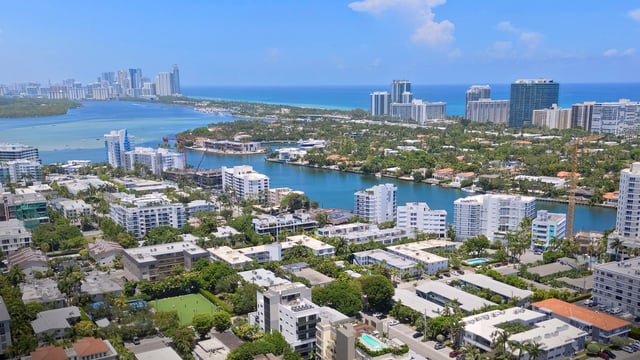
Palm and Hibiscus Islands sit like two quiet commas in Biscayne Bay, minutes from both Downtown Miami and the energy of South Beach. Created in the early 1920s through dredging and fill, these man-made islands have evolved into among Miami Beach’s most private addresses: low inventory, high discretion, and a waterfront lifestyle that remains difficult to replicate. For buyers, the appeal is less about flash and more about geography and scarcity. The islands are gated and guarded, their streets largely residential, and their market is often defined by trophy-level listings that can set national headlines. What follows is a buyer-oriented look at why Palm and Hibiscus Islands endure as long-term luxury holds, and what to watch when you decide to compete for a water-edge parcel in the heart of Miami Beach.

When Luxury Becomes a Lot: The Quiet Logic Behind South Florida Teardowns
In South Florida’s most coveted neighborhoods, the most valuable feature of a property can be the part you cannot renovate: the land itself. From deepwater frontage in Broward to tightly held intracoastal streets, the teardown conversation is less about “waste” and more about precision, compliance, and the economics of irreplaceable location. This MILLION Luxury editorial unpacks why affluent buyers increasingly treat certain single-family-homes as placeholders, what demolition and rebuild really entail, and when a branded Oceanfront residence may be the cleaner alternative to years of construction risk.

South Florida’s Whisper Market: How Ultra-Luxury Homes Trade Off-Market
Discretion has become a feature, not a footnote, in South Florida’s $10M-plus real estate tier. From Miami Beach waterfront trophies that reportedly secure contracts within days to Palm Beach estates that quietly reset expectations after ambitious public pricing, the region’s most meaningful deals increasingly happen through curated access. This editorial lays out what “off-market” actually means, why it can tighten timelines and sharpen pricing dynamics, and how sophisticated buyers position themselves to see the right property at the right moment without compromising privacy.

Wellington vs. Southwest Ranches: Choosing South Florida’s Equestrian Address
Two of South Florida’s most coveted horse-country zip codes offer very different versions of privacy, proximity, and day-to-day logistics. Wellington trades on the density of a true competition ecosystem, anchored by a global winter circuit and a purpose-built trail and preserve network. Southwest Ranches, by contrast, is a Broward stronghold of rural preservation where acreage and discretion are the headline amenities. Here is how to evaluate each through a luxury real estate lens, and how many buyers complement an equestrian estate with a refined in-town residence for dining, culture, and travel days.

Manalapan’s Ocean-to-Intracoastal Estates: South Florida’s Most Concentrated Form of Scarcity
In Manalapan, scarcity is not a slogan. It is geographic math: a tiny barrier-island municipality, a limited number of ocean-to-Intracoastal parcels, and a buyer pool that increasingly treats dual waterfront as a long-term store of lifestyle and leverage. Recent headline transactions and ambitious spec pricing have pushed the town into a rarified conversation alongside Palm Beach, while the broader West Palm Beach luxury condo market offers a lower-maintenance way to stay in the same social and cultural orbit.

Golden Beach, Florida: The Residential-Only Oceanfront Enclave Built on Scarcity
Golden Beach is one of South Florida’s rare municipalities designed to stay quiet: a barrier-island town with a residential-only charter, exceptionally limited single-family inventory, and controlled access that prioritizes privacy. For buyers weighing an oceanfront compound against a branded condo lifestyle nearby, the town’s appeal is less about amenities and more about governance, security, and enduring scarcity.