Wellington and Southwest Ranches both deliver a serious equestrian lifestyle, but they do it through opposite design philosophies: one is planned and event-centric, the other intentionally rural and private. For South Florida buyers weighing acreage, access, and a long-term wealth-preservation profile, the choice often comes down to whether you want your equestrian life to be integrated into a structured village ecosystem or insulated inside a quiet ranch enclave.
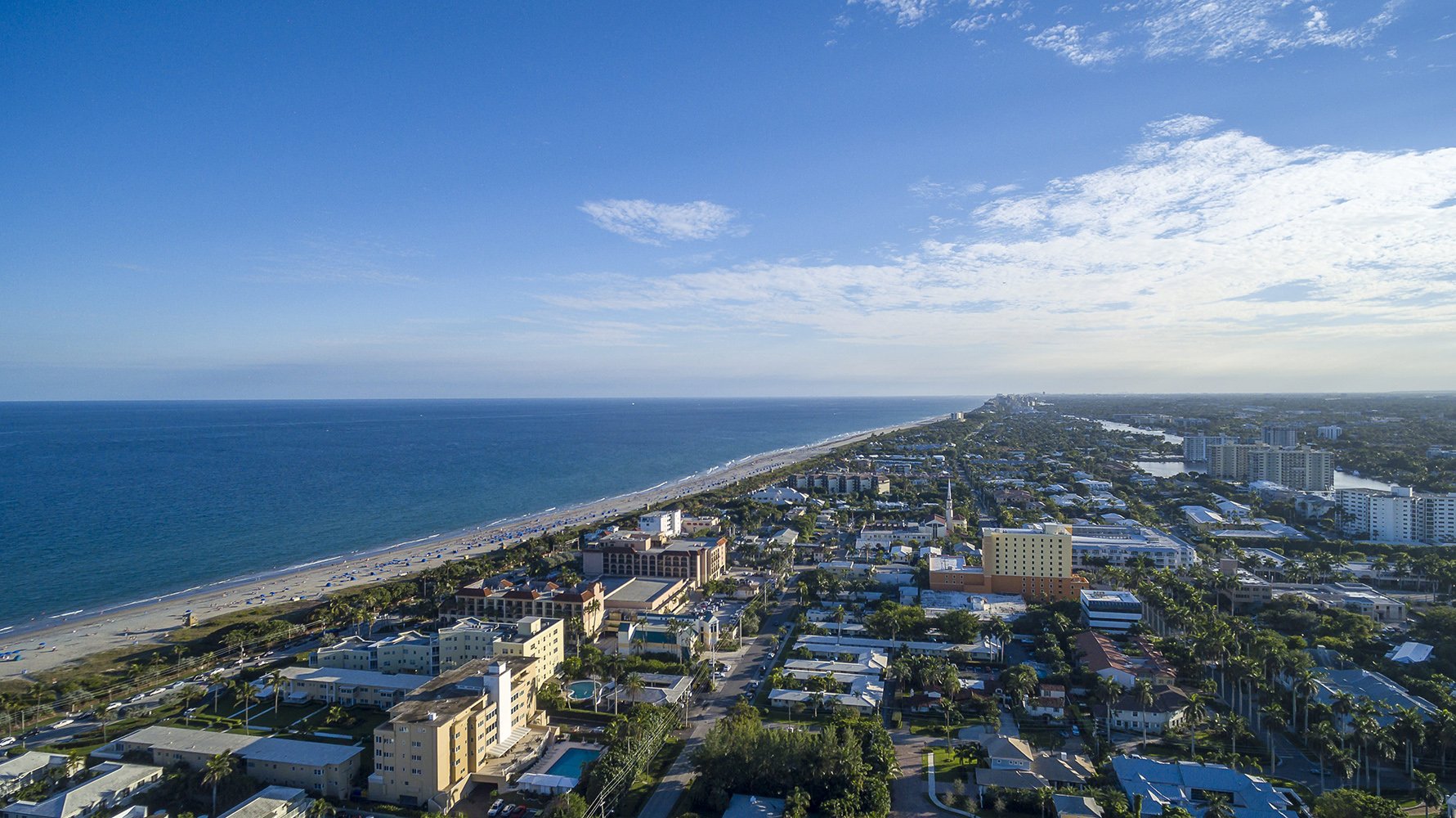
Wellington and Southwest Ranches attract buyers who speak the same language of acreage, turnout, and early-morning rides-but the two communities operate on very different luxury assumptions. Wellington is a purpose-planned equestrian address, built for a season defined by competition calendars, training days, and a social circuit that feels both global and tightly knit. Southwest Ranches, by contrast, is organized around preserving a rural lifestyle-an ethos that shows up in the landscape and in how neighbors expect to live alongside one another.
If your definition of luxury is proximity to the center of the equestrian universe, Wellington reads as an efficient, purpose-designed hub. If luxury is quiet, space, and the right to live with fewer interruptions, Southwest Ranches can feel like one of the last large-lot sanctuaries in a coastal metro.
Wellington’s identity is explicit: it positions itself as an equestrian community, with planning and amenities designed to support horse ownership and riding. That intentionality matters to buyers who want to arrive, plug in, and have infrastructure that matches the life they’re building-from vet and farrier logistics to a calendar that’s always in motion.
Southwest Ranches rewards a different temperament. The town emphasizes preserving a rural lifestyle, which translates in practice to a quieter visual field and a slower, more private daily cadence. For many high-net-worth households, that calm is the point-not a trade-off.
In both locations, the strongest purchases are the ones that match the owner’s operating style. Wellington can feel like a resort town for riders when the season is in full swing. Southwest Ranches can feel like a private property portfolio-horses on-site, with minimal outside noise.
Wellington’s global pull is reinforced by its showgrounds ecosystem. Wellington International operates the primary showgrounds and publishes a seasonal schedule that draws participants to the area. The venue has also disclosed 2026 competition updates, signaling continued investment and evolution around the upcoming season. For buyers, that means the address isn’t simply “near horses”-it’s near an engine that drives repeat visitation, leasing demand, and a steady stream of service professionals.
Polo is part of that same gravity. The USPA National Polo Center anchors another layer of the scene, extending Wellington’s appeal beyond hunter-jumper households to those who want polo as sport, social calendar, and spectacle.
Southwest Ranches’ equestrian feel is more local and day-to-day. Sunshine Ranches Equestrian Park is a key public amenity, giving residents a community-level facility that supports riding culture without the scale of major showgrounds. The experience is less about being at the center of a touring circuit and more about having equestrian life folded into a rural routine.
In equestrian real estate, the land is often the asset and the home is the improvement. Southwest Ranches’ commitment to rural character is reinforced by local rules and its zoning framework, shaping how properties can be developed and used. While every buyer should do property-specific due diligence, the macro takeaway is straightforward: Southwest Ranches is designed to protect the sensation of space.
Wellington’s planning expresses itself differently. The village’s equestrian positioning signals a more structured approach to amenities, networks, and community expectations. For some buyers, that structure is what makes an equestrian lifestyle easy to scale. For others, it can read as closeness.
A practical way to think about it: if your ideal day includes training, watching top competition, and having dinner within a community that expects equestrian life as the norm, Wellington’s planning serves you. If your ideal day is a private ride at home with a quiet perimeter and minimal outside programming, Southwest Ranches tends to align.
Luxury buyers often focus on acquisition price, then get surprised by the ongoing framework. Both communities publish millage decisions through their budget and resolution documents, providing a starting point for understanding local taxation posture. For Wellington, homeowners also track broader property-tax trends and patterns that can shape budgeting expectations over time.
The right comparison isn’t a single number-it’s a household-level model: acreage, improvements (barns, arenas, fencing, drainage), insurance appetite, and the degree of redevelopment you anticipate. The more you plan to build or modernize, the more you should treat the “ongoing” line items as strategic.
Wellington offers a niche advantage for aviation-adjacent households: Wellington Aero Club (FD38), with published runway and airport specifications, supports a lifestyle where flying and riding can live on the same schedule. For select buyers, that proximity can change the calculus of second homes and short stays.
Southwest Ranches competes on access in a different way: it sits within reach of Fort Lauderdale, with commonly cited travel-time estimates that make the town workable for owners who want rural land without losing major city infrastructure.
A modern luxury pattern is to combine these lifestyles rather than force a single address to do everything. A ranch base for horses and privacy can pair elegantly with a coastal lock-and-leave. For example, a Fort Lauderdale pied-à-terre such as Andare Residences Fort Lauderdale can complement a large-lot equestrian property, giving you an event-ready address when you don’t want to manage acreage.
For families, convenience isn’t only commute time. It’s also the predictability of daily logistics and the breadth of options. Wellington is frequently evaluated through school-ranking and school-choice lenses, while Southwest Ranches buyers often review school listings and ratings across nearby areas. The nuance is that Southwest Ranches’ appeal isn’t built around a dense town-center model; families may be comfortable with a wider radius in exchange for land.
In Wellington, the village identity and broader amenities profile can make day-to-day life feel more turnkey-especially for households arriving from out of state and looking for a smooth first season.
At the high end, equestrian search behavior can be blunt: acreage, barn capacity, and ride-out potential. Active listing ecosystems often mirror that reality, with search filters that specifically target equestrian estates or horse facilities in each community. Those snapshots change quickly, but they reinforce a durable truth: both markets are shopped through capability, not only architecture.
What differs is the premium buyers assign to proximity and programming. Wellington’s value proposition is closely tied to a concentration of events and equestrian infrastructure. Southwest Ranches’ value proposition is tied to land, privacy, and a rural lifestyle held in place by community intent.
Even when the primary identity is equestrian, many South Florida luxury households keep a second address for social life, dining, or a simpler maintenance profile. In Miami Beach, an oceanfront residence such as 57 Ocean Miami Beach can function as the polished counterpart to a muddy-boot morning. In Sunny Isles, a high-privacy tower like Bentley Residences Sunny Isles serves a similar purpose for owners who want services, views, and security while keeping the horses elsewhere.
West Palm Beach can also play this role for Wellington-centric households who want a city address without leaving Palm Beach County. A building such as Alba West Palm Beach can make sense as a season-friendly base for evenings and entertaining.
These vertical purchases aren’t a departure from the equestrian story. They’re often the mechanism that makes the equestrian story sustainable-especially for global families that move between properties.
For most ultra-premium buyers, the decision can be resolved with four questions:
Wellington answers with infrastructure, proximity to major competition, and a planned community identity. Southwest Ranches answers with land, quiet, and a rural lifestyle protected by the town’s orientation and governance.
The best purchases in either community are the ones where the property’s operational realities match the owner’s calendar. When that alignment is right, both Wellington and Southwest Ranches can feel like the rarest kind of South Florida luxury: a life that runs exactly on your terms.
Is Wellington considered an equestrian community? Yes. The village positions itself as an equestrian community with planning and amenities built around horse ownership and riding.
What makes Wellington attractive for seasonal competitors? Its major showgrounds and published competition schedule create a predictable season rhythm for riders, trainers, and owners.
Does Wellington have a polo presence? Yes. The area includes a major polo venue, making polo part of the broader equestrian lifestyle.
What is Southwest Ranches known for culturally? It is defined by an emphasis on preserving a rural lifestyle, which shapes the community’s look and feel.
Are there public equestrian amenities in Southwest Ranches? Yes. The town includes a public equestrian park that supports riding and community equestrian use.
How should buyers compare ongoing costs between the two? Start with published millage decisions, then model property-specific costs like insurance and equestrian improvements.
Is there an airpark option in Wellington? Yes. Wellington Aero Club (FD38) supports an aviation-adjacent lifestyle with published airport specifications.
Can Southwest Ranches work for buyers who need Fort Lauderdale access? Yes. It is within practical reach of Fort Lauderdale, making rural acreage compatible with city connectivity.
Do both markets have equestrian-oriented homes available? Yes. Active listings often specifically market equestrian estates or horse facilities in both communities.
Which is better for privacy: Wellington or Southwest Ranches? Southwest Ranches generally prioritizes rural space and quiet, while Wellington prioritizes planned community convenience.
For a confidential assessment and a building-by-building shortlist, connect with MILLION Luxury.
If branded residences are on your mind — as a home or as an allocation — we would be glad to share what we are seeing, privately.
Begin a quiet conversation