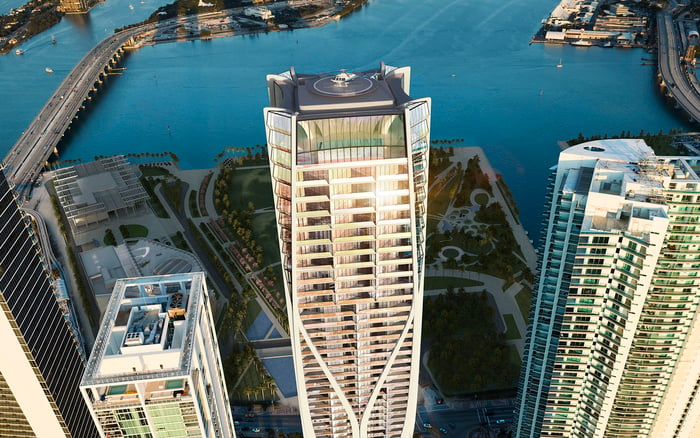
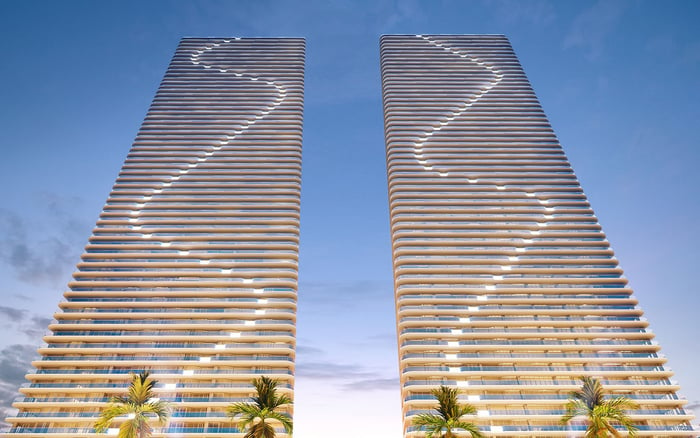
South Florida’s most sophisticated buyers are relearning an old truth: purchase price is only the cover charge. In 2025, operating costs in many high-rise condominiums rose sharply, with association budgets absorbing higher insurance, deeper reserve funding, and the ongoing compliance cadence that followed Surfside. At the same time, single-family ownership continues to shift costs outward to the homeowner: insurance, roof, landscaping, pool care, and security become private line items rather than shared ones. This MILLION Luxury editorial frames the decision the way elite households actually make it, through risk, control, predictability, and liquidity. We break down where monthly outlays tend to land, what is truly inside the “HOA” number, how special assessments and loss-assessment insurance work, and why the right choice often depends on how you use the home. The goal is not to declare a winner, but to help you underwrite lifestyle with the same rigor you apply to architecture.
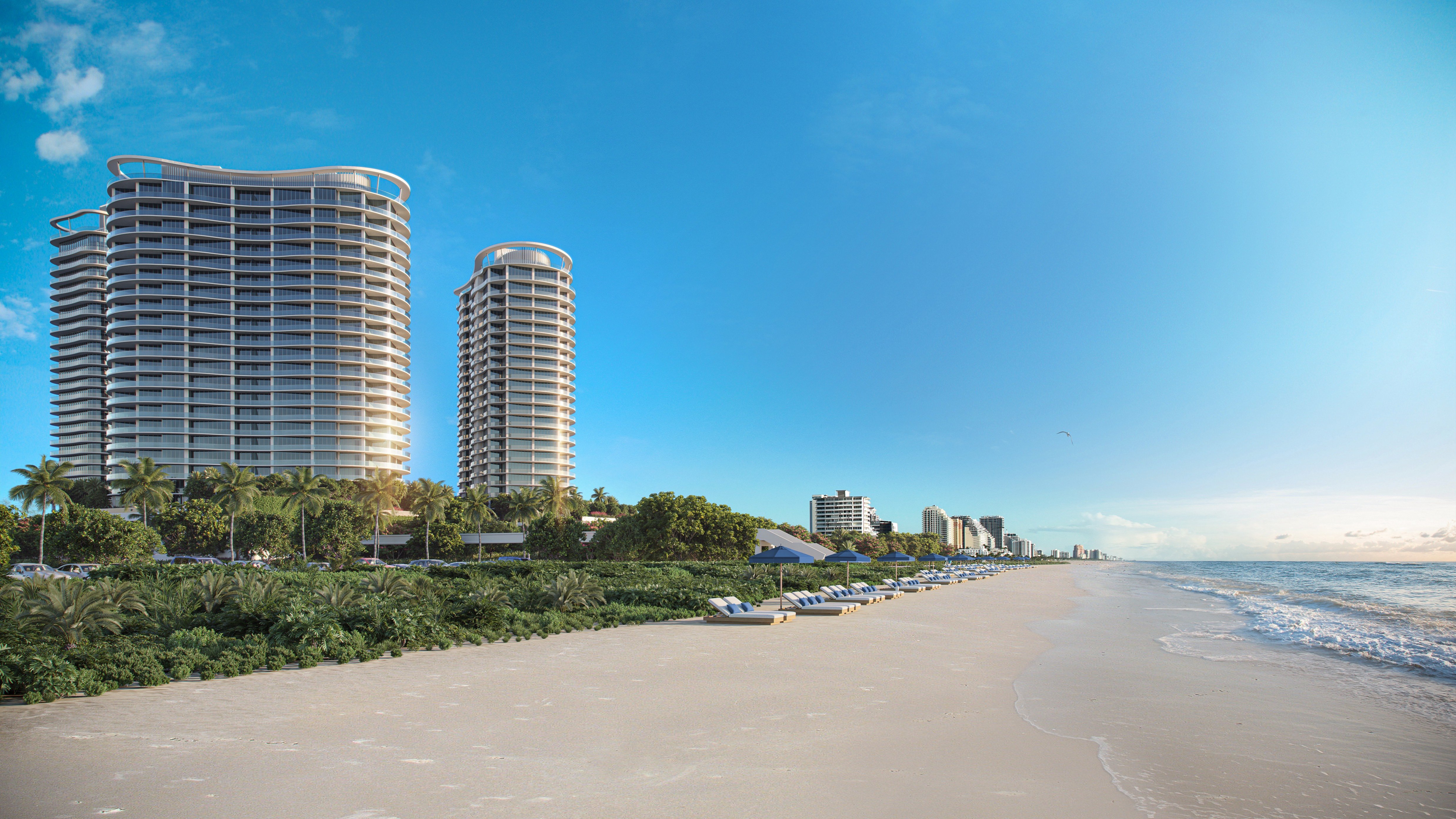
For South Florida’s ultra-premium buyer, the condo-versus-house question is no longer simply about views versus land. It’s about who carries which risks, how quickly costs can reprice, and how much control you want over the levers that shape your annual spend.
In 2025, Miami-Dade high-rise condominium HOA fees rose to a median of more than $1,900 per month-roughly $500 per month higher than the prior year. In many waterfront towers, fees accelerated even faster, with year-over-year jumps of roughly 26% as insurance and compliance pressures flowed straight into operating budgets. That is the environment: even in impeccably run buildings, the price of being “fully serviced” is being reset.
Single-family ownership is not immune to the same macro forces, but the accounting runs differently. A house may show a comparatively modest HOA bill, yet the homeowner still writes the checks for exterior maintenance, roof, pool, and often higher insurance premiums. The real question becomes: shared costs with periodic volatility, or individualized costs with more direct control.
In the luxury high-rise, HOA dues function as an operating platform. They typically cover building staffing, common-area utilities, amenities, routine maintenance, management, and the master insurance policy for the structure and shared areas. The appeal is clear: turnkey living, consistent service, and an institutional level of maintenance.
But the “predictable” part has shifted. In Miami-Dade, association insurance averaged about $377 per month per unit in 2025 (roughly $4,524 per year), about 25% higher than the year prior. In Fort Lauderdale and Palm Beach high-rises, the association insurance burden averaged about $438 per month per unit.
Reserves are the other line item quietly reshaping monthly dues. Miami-Dade condo associations directed roughly 12 cents of every HOA budget dollar into reserves in 2025, up from 9 cents in 2024. That increase matters because reserve funding is no longer a nice-to-have. After Surfside, many buildings face milestone structural inspections and reinforced reserve requirements-raising the immediate cost of compliance and the longer-term savings target.
Buyers who value concierge living can still find it, but the budget should be read the way you would read a balance sheet. In Brickell, for example, a newer luxury product such as 2200 Brickell signals a lifestyle built around services and shared stewardship. The sophistication isn’t just in finishes; it’s in governance and capital planning.
Even in a full-service tower, your insurance responsibilities don’t disappear. Condo owners typically carry an HO-6 “walls-in” policy designed to cover interior finishes, personal property, and liability. The condominium association’s master policy generally covers the building structure and common areas.
In Miami, the average HO-6 condo insurance cost is about $2,280 per year (around $190 per month), far above the national average of roughly $490 per year. For buyers focused on keeping fixed carrying costs tight, that delta is not trivial.
Then there is loss-assessment risk-often only fully understood when an assessment lands. Florida law requires condo unit policies to include loss-assessment coverage of at least $2,000, with a deductible no greater than $250 for that coverage. The key nuance: the statutory minimum is not the same thing as adequate protection for a major event. In a well-heeled building, an assessment can run far beyond that baseline, depending on scope.
In Miami Beach, where the luxury proposition can include direct coastal exposure and resort-grade amenity sets, “walls-in” diligence matters as much as the view. Consider the lifestyle positioning around projects such as Five Park Miami Beach or The Perigon Miami Beach: exceptional living, yes-but still a place where insurance and assessment strategy should be intentional.
Special assessments exist because even disciplined reserves can be outmatched by large repairs, upgrades, or insurance shortfalls. When reserves and annual budgets can’t fund a major scope, boards assess unit owners to close the gap. Depending on the project and the funding plan, assessments can range from hundreds to tens of thousands of dollars.
For an ultra-premium buyer, the move isn’t to panic-it’s to underwrite probability and timing. Three signals deserve scrutiny:
Deferred maintenance or aging systems that have been living on borrowed time.
Rising insurance costs that push the association toward higher deductibles or uncovered exposures.
Compliance-driven scopes tied to structural inspection cycles and recertification demands.
Miami-Dade County also operates a Condominium Special Assessment Program offering up to $50,000 at 0% interest for eligible owner-occupants to help pay qualifying special assessments tied to building recertification. In the luxury market, this is less about need and more about optionality: financing can preserve liquidity when you’d rather keep capital allocated elsewhere.
Single-family homes in HOA communities typically pay lower monthly dues than condos because many costs remain the homeowner’s responsibility: roof, exterior, and much of the grounds. Nationally, single-family HOA dues commonly cluster around $100 to $250 per month, though amenities and staffing can change that.
The trade is control. You choose the roofer, the landscaping standard, the pool vendor, and the timeline. You can invest in resilience proactively rather than waiting for a board vote. But you also inherit operational complexity.
Insurance is the headline variable. Florida’s median single-family homeowners insurance premium is about $3,748 per year as of late 2025, with significant variation across the state. Many households budgeting for a roughly $550,000 home plan for about $3,000 to $4,000 per year, though location and wind exposure can push figures materially.
Maintenance is the other quiet accumulator. Routine lawn care is often cited around $80 to $120 per month, and routine pool service commonly around $80 to $150 per month, depending on features and service level. Roof replacement costs in Florida can span from about $7,000 to $36,000 depending on size, pitch, and materials. None of this is news to experienced homeowners-but it feels different when every line item arrives individually.
In Boca Raton, a residential buyer evaluating a property like 749 Bamboo Dr Boca Raton is often trading vertical convenience for land, privacy, and customization. The cost model is less about the HOA and more about the home as an operating system.
Property taxes are an area-specific variable that can move the annual budget more than a buyer expects, especially if exemptions don’t apply. Statewide, typical effective property tax rates cluster around roughly 1% of value, but county and taxing-district millage, plus exemptions, drive household-level outcomes.
For underwriting, treat taxes as a location-dependent operating cost-not a rounding error. In Miami-Dade, millage varies by district and is published annually; in Palm Beach and Broward, the story is similarly local. When comparing two homes at the same price point, the tax burden can become the deciding factor in monthly cash flow.
A high-rise often bundles a significant portion of security and staffing into the HOA. In a single-family setting-especially for high-profile households-those needs can be bespoke.
Private security guard services are commonly quoted in a broad range of roughly $20 to $50 per hour depending on armed status, location, and contract terms. That range underscores why some buyers accept higher condo dues: a building’s staffing model can cost less than recreating the same experience privately.
In Fort Lauderdale, the appeal of a newer tower with a hospitality-forward service profile, such as Four Seasons Hotel & Private Residences Fort Lauderdale, can be understood as consolidated staffing. You’re not only buying waterfront living-you’re buying operational simplicity.
Rather than asking “Which is cheaper?”, frame the decision through four buyer-oriented lenses.
Predictability: Condos often offer steady monthly payments until insurance, reserves, or compliance reprice the budget. Homes offer more variability, but you can smooth it with proactive maintenance and sinking funds.
Control: Homes give you direct control over vendors, timelines, and standards. Condos require governance comfort and a willingness to live with collective decisions.
Liquidity: High HOA fees can influence buyer psychology on resale, particularly for investor-leaning demand. Conversely, well-capitalized buildings with transparent reserves can command a premium for certainty.
Personal usage: If you travel extensively, a condo can be the cleanest “lock-and-leave” solution. If you entertain at scale or value privacy and customization, a home often wins despite the operational workload.
In 2026, the sophisticated move is to model both scenarios the way you would underwrite a private investment: base case, stress case, and the behavioral value of convenience. The right choice is the one that protects your time and your balance sheet at once.
Why are Miami condo HOA fees rising so quickly? Higher insurance costs, deeper reserve funding, and structural compliance requirements are pushing budgets upward.
What is a typical HOA fee level for Miami-Dade high-rise condos in 2025? The median exceeded $1,900 per month, with many waterfront buildings higher depending on services and reserves.
Does the condo association’s insurance cover my unit interior? Typically no; owners generally need an HO-6 “walls-in” policy for interiors, contents, and liability.
How much does HO-6 condo insurance cost in Miami? Average pricing is about $2,280 per year, though your unit value, coverage, and building profile matter.
What is loss-assessment coverage, and why does it matter? It can help pay your share of certain HOA assessments tied to covered losses, but minimum coverage may be modest.
How large can a special assessment be? Depending on scope and funding, assessments can range from hundreds to tens of thousands of dollars.
Are single-family HOA dues usually lower than condo dues? Often yes, because the homeowner remains responsible for many costs a condo building shares collectively.
What are common recurring costs for a South Florida home? Insurance, landscaping, pool service, and periodic major items like roof replacement are typical line items.
How should I think about property taxes when comparing neighborhoods? Treat taxes as location-specific; effective rates often cluster near 1% but vary by county and district.
Is there any assistance for qualifying condo special assessments in Miami-Dade? Miami-Dade offers a program with up to $50,000 at 0% interest for eligible owner-occupants and qualifying scopes.
If you'd like a private walkthrough and a curated shortlist, connect with MILLION Luxury.
If branded residences are on your mind — as a home or as an allocation — we would be glad to share what we are seeing, privately.
Begin a quiet conversation