In 2025, the luxury conversation in South Florida is less about where prices peaked and more about where terms can be negotiated without compromising lifestyle. Miami Beach is increasingly a two-speed market: trophy assets and best-in-class buildings still command attention, while broader condo inventory and longer selling timelines create real openings for prepared buyers. The Florida Keys, by contrast, remain driven by scarcity and water access, yet even there longer days on market are shifting the tone from urgency to selectivity. For buyers weighing a full-time residence against a second-home retreat, the question is not simply “Beach or Keys?” It is which micro-market matches your preferred rhythm: walkable, amenity-dense city living, or boating-first privacy with a different ownership profile. Below, MILLION Luxury outlines where leverage is showing up, where it is not, and how to underwrite the decision with clear eyes.
Miami Beach and the Florida Keys both read as “luxury coastal Florida,” but they negotiate differently in practice. In Miami Beach, leverage is increasingly about choice: elevated inventory and longer selling timelines give qualified buyers room to push for stronger terms, cleaner disclosures, and a sharper view of total cost of ownership. At the same time, the market is clearly bifurcated, with true ultra-luxury assets often trading on a different logic - one that prioritizes provenance, view corridors, and building pedigree.
In the Keys, leverage is more about pace than abundance. Days on market have generally stretched in 2025, easing the emotional pressure to “win” a property in a single weekend. Yet the top end still runs on scarcity - especially for waterfront homes, which dominate luxury activity. The result is a more selective buyer who can take time, without assuming every seller will concede.
Miami Beach’s luxury condo environment has turned more buyer-favorable in 2025, particularly outside the rarest trophy product. The practical impact goes well beyond price discovery: buyers are negotiating structure - inspection windows, repair credits, contingencies tied to building financials, and the time needed to assess reserve posture.
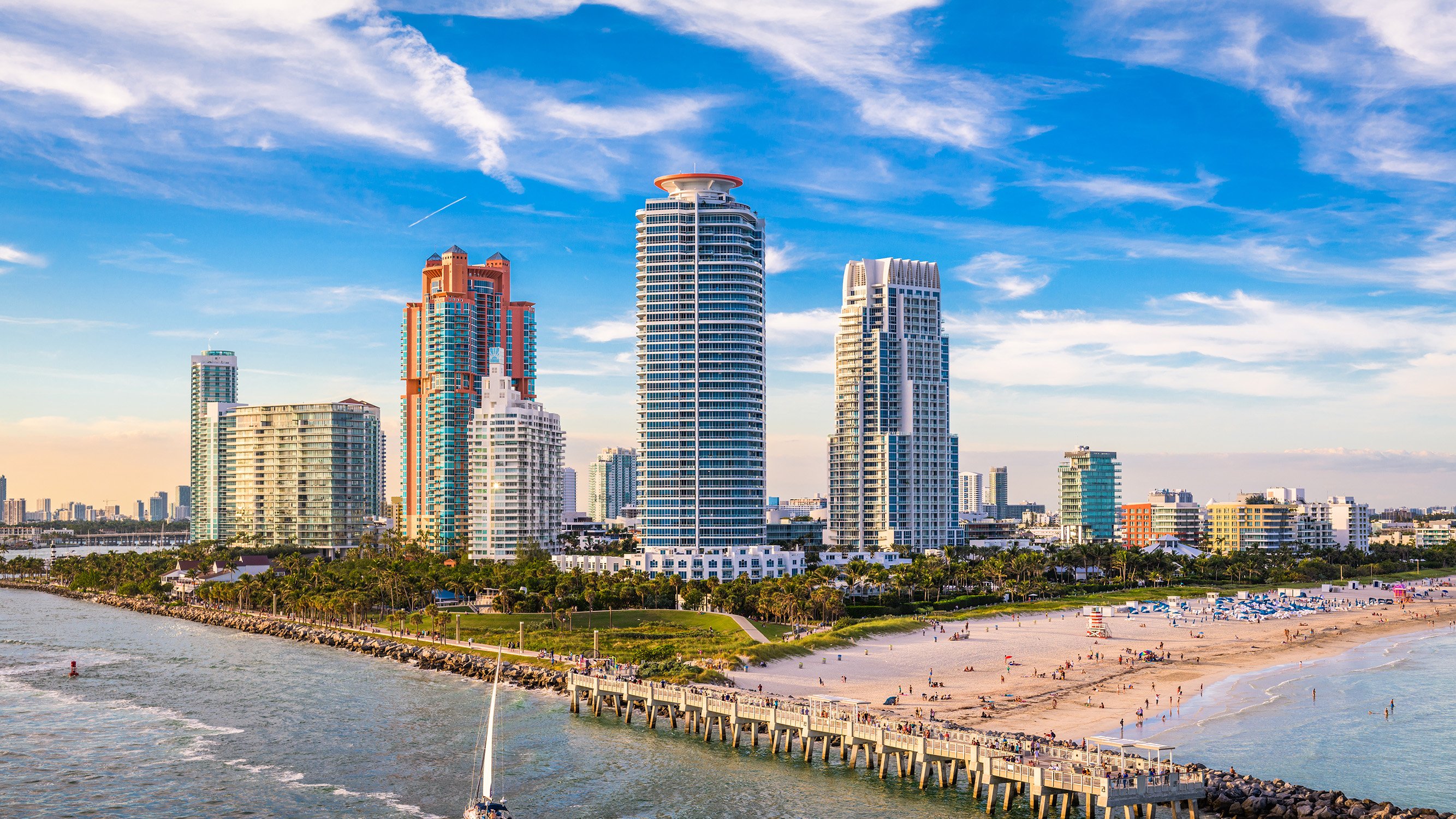
This is where discerning buyers separate “discount” from “value.” A premium still attaches to buildings and locations that reduce friction: a clean ownership experience, a coherent amenity program, and an address that performs for daily living as well as guest impressions. In neighborhoods where walkability and amenities are central to the purchase thesis, South of Fifth continues to draw high-net-worth condo buyers seeking a tight radius of dining, beach, and marina access. The corridor remains lifestyle-first, which can steady demand even when the broader market cools.
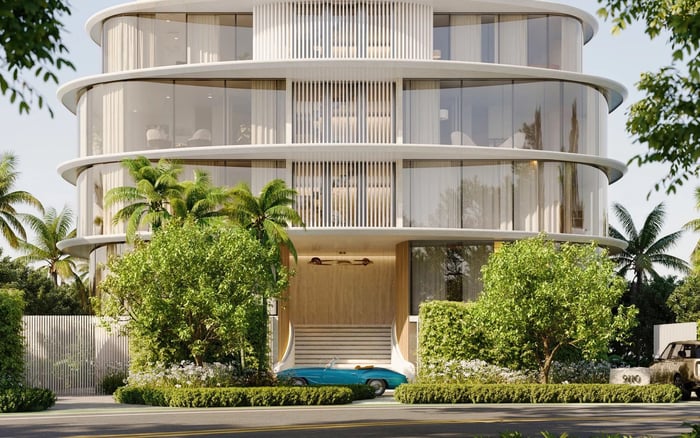
Buyers who want a modern, design-forward oceanfront profile are also tracking new and next-generation inventory closely. A boutique option such as 57 Ocean Miami Beach speaks to a narrower buyer who prioritizes privacy and beach adjacency - and who may be willing to pay for a quieter building experience.
Even in a more buyer-friendly environment, Miami Beach’s best assets can remain surprisingly inelastic. When a property delivers an irreplaceable mix of orientation, service, and brand gravitas, leverage often shifts away from price and toward certainty and execution: a buyer’s ability to perform, preserve privacy, and close on a clean timeline.
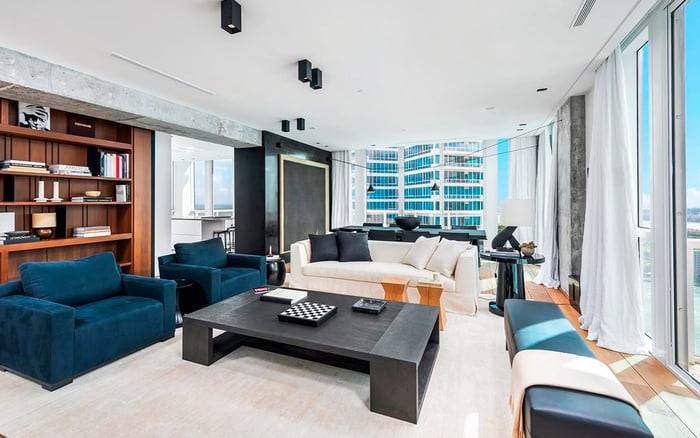
At this level, the conversation turns to frictionless living and reputational comfort. For buyers who use Miami Beach as a primary home base, a fully serviced residence can justify a tighter negotiation band if it reduces complexity in day-to-day operations. That dynamic helps explain why branded and hospitality-adjacent offerings continue to resonate with international and multi-city households. Consider the service-first positioning of The Ritz-Carlton Residences® Miami Beach, which aligns with buyers who want a residential feel supported by a hospitality-grade backbone.
The ultra-prime map is also broader than condos. North Bay Road remains a marquee single-family waterfront corridor associated with trophy estates and very high price points. Here, leverage is rarely about landing a bargain; it is about alignment - privacy, dockage parameters, and whether the home is built for Miami’s indoor-outdoor cadence.
Fisher Island is a clear reminder that South Florida still has an unmistakable pinnacle. ZIP code 33109 has been identified as America’s most expensive, with a median listing price around $11.9M. That figure matters less as a headline and more as a market signal: there is a segment where lifestyle exclusivity and controlled access set the baseline.
For buyers weighing Miami Beach against the Keys, Fisher Island clarifies an important distinction. Miami Beach can deliver privacy, but it is still a city. Its ultra-prime enclaves are defined by access management and curated density - not by distance from civilization.
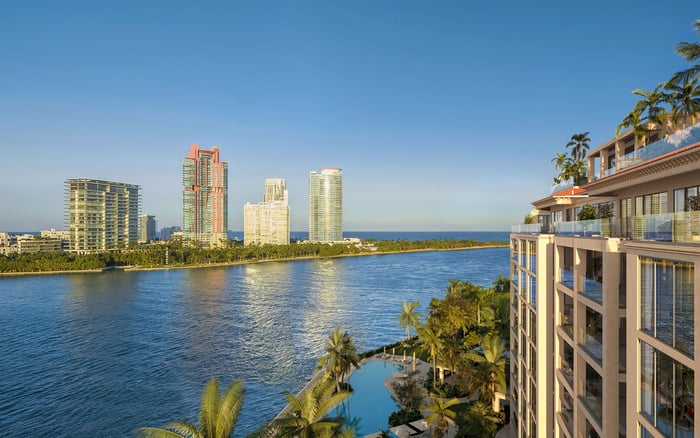
When the objective is a guard-gated, ultra-exclusive island narrative, Fisher Island remains in a category of its own. Buyers who want that level of separation often evaluate offerings such as The Residences at Six Fisher Island for the combination of address, amenity ecosystem, and the kind of scarcity that is less dependent on broader market mood.
The Florida Keys luxury market is frequently tracked around $1.5M+ (and in some recent tracking, approximately $1.8M+). The defining driver is waterfront: waterfront homes dominate luxury activity, representing roughly three-quarters of luxury sales in the relevant tracking period. That reality shapes Keys pricing psychology - water access isn’t a bonus feature; it is the thesis.
In 2025, longer days on market across the Keys are changing buyer posture. The market is less about chasing and more about choosing. For a second-home buyer, that shift is tangible leverage: time to validate seawall condition, evaluate elevation and storm-approach considerations, and model the true cost of ownership once insurance and maintenance are accounted for.
Geographically, luxury dollar volume has been concentrated in places like Key West and the Upper Keys. In the Upper Keys, oceanfront and bayfront closings posted higher average pricing year-over-year even as transaction counts fell - a classic scarcity signal. Meanwhile, canalfront homes saw softer average pricing year-over-year, reinforcing that buyers tend to be more price-sensitive when the water experience is indirect.
Miami Beach and the Keys deliver different versions of luxury time.
Miami Beach is built for a walkable week. Residents can move from home to wellness, dining, and culture with minimal planning, and the city’s early-year calendar of food, music, wellness, and arts programming supports a lived-in - not just visited - lifestyle. That “city living on the sand” dynamic is a key reason South of Fifth remains compelling for buyers who want a full schedule without car dependency.
The Keys are built for the water. Islamorada is commonly marketed with a sportfishing and boating-first identity, and that positioning matches what luxury buyers actually purchase there: waterfront utility. At the very top end, trophy offerings can read like private resort compounds, sometimes featuring estate-scale amenities such as docks and expansive outdoor programming.
For ultra-exclusive, club-driven privacy in the Upper Keys, Ocean Reef Club in Key Largo is positioned as a private club community with extensive amenities, including a marina and golf. That ecosystem appeals to buyers who want a fully realized lifestyle inside the gates, with less reliance on broader Keys infrastructure.
In 2025, leverage is often won - or lost - in the carrying-cost conversation. Across coastal Florida, home insurance costs are projected to remain elevated into 2025 to 2026, with higher pressure in coastal exposure areas. That reality affects both Miami Beach condos and Keys single-family homes, but in different ways.
Condo buyers in Miami Beach need to underwrite building-specific ownership costs with uncommon rigor. HOA budgets, insurance, reserves, and post-2022 inspection and reserve dynamics can materially reshape the all-in monthly number. In buyer-favorable condo segments, the most valuable leverage may be the ability to insist on clarity: complete documentation, transparent building planning, and terms that allow a full review.
Keys buyers face a different profile - more direct responsibility for exterior maintenance, storm hardening, and waterfront infrastructure. Longer days on market can create room to negotiate credits tied to visible capital items, but buyers should still assume that best-in-class waterfront property will not trade like a commodity.
Miami’s short-term rental performance is widely benchmarked through market analytics, and it can be tempting to frame a Miami Beach purchase as a hybrid lifestyle-and-revenue play. For many luxury buyers, however, the more durable rationale is optionality: the ability to use the home often while keeping the asset liquid enough to exit when life changes.
In the Keys, short-term rental dynamics can matter, but they are not uniform by island, neighborhood, or property type. The cleanest approach is to decide first whether the home is a personal sanctuary or an operating business. Once that is defined, underwriting becomes simpler and negotiations become more grounded.
One more macro point matters for both markets: Miami has been ranked among the least affordable metros for homebuyers, underscoring that South Florida’s desirability continues to collide with systemic affordability pressure. In luxury, that pressure can show up as a widening gap between A+ assets and everything else.
Miami Beach leverage rewards process and precision. The buyer who wins is the one who can move quickly once documentation is clean, while still requiring full visibility into a building’s financial health. In this environment, a service-led product such as Casa Cipriani Miami Beach can appeal to buyers who prioritize privacy, hospitality, and a curated social atmosphere - even as they remain disciplined about total cost.
In the Keys, leverage rewards patience and local realism. Buyers should translate the romance of “waterfront” into clear categories: true oceanfront or bayfront, canalfront, and non-waterfront with access. The 2025 pattern - stronger oceanfront and bayfront pricing alongside softer canalfront pricing - suggests the market is drawing sharper lines around the quality of the water experience.
In both places, negotiation is increasingly multidimensional: price, terms, timing, and total cost. The winners in 2025 are not the loudest bidders. They are the best-prepared.
Is Miami Beach a buyer’s market in 2025? Many luxury condo segments are more buyer-favorable due to higher inventory and longer selling timelines.
Does the ultra-luxury tier in Miami Beach still hold up? Often yes, because the rarest assets compete on scarcity, views, and building pedigree rather than broad market conditions.
Why is Fisher Island considered a top-tier benchmark? It has been identified as America’s most expensive ZIP code, signaling a ceiling for exclusivity and pricing.
Where does South of Fifth fit in the Miami Beach luxury map? It is a coveted enclave known for walkability, ocean proximity, and amenity-rich condo living.
What defines “luxury” pricing in the Florida Keys? Luxury is commonly tracked at roughly $1.5M+ (and in some tracking, around $1.8M+).
What type of Keys property dominates luxury activity? Waterfront homes lead luxury sales, representing roughly three-quarters of luxury activity in the tracked period.
Is the Florida Keys market slowing in 2025? Days on market have generally increased, giving buyers more time and leverage than peak-pandemic conditions.
Are canalfront homes valued the same as oceanfront or bayfront? Not always; recent patterns show more price sensitivity in canalfront segments versus premium waterfront.
How important is insurance in 2025 purchase decisions? It is central, as coastal home insurance costs are projected to remain elevated into 2025 to 2026.
What is the cleanest way to choose between Miami Beach and the Keys? Decide whether you want walkable, amenity-dense city living or boating-first privacy, then underwrite total ownership costs.
For a confidential assessment and a building-by-building shortlist, connect with MILLION Luxury.
If branded residences are on your mind — as a home or as an allocation — we would be glad to share what we are seeing, privately.
Begin a quiet conversation