Fisher Island vs. Ocean Reef Club: Two Florida Enclaves Where Ownership Is the Invitation
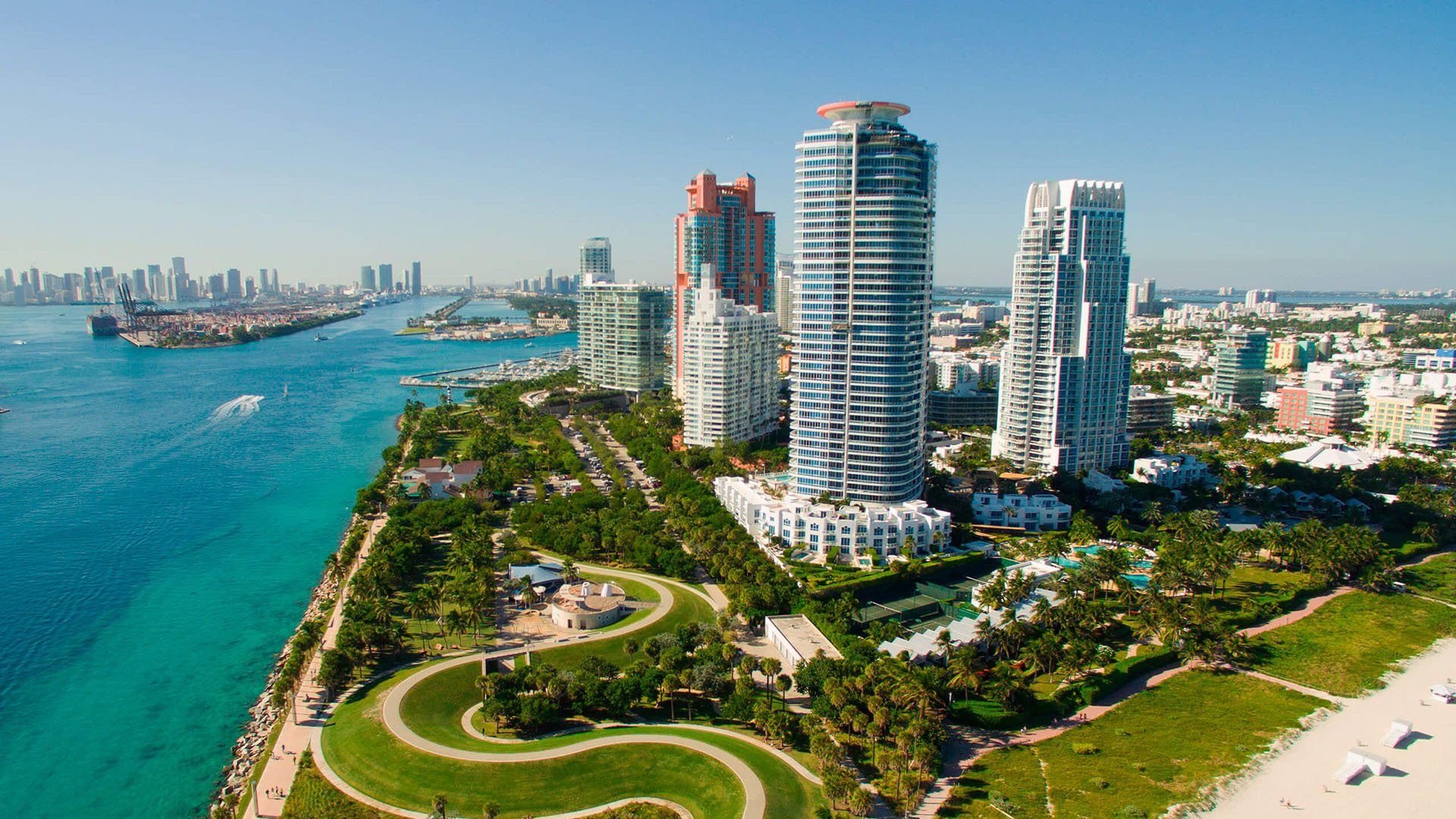
Fisher Island and Ocean Reef Club represent two of Florida’s most tightly held private club lifestyles, each built around controlled access, equity-style membership, and a daily rhythm designed for members first. One is a 216-acre island just offshore from Miami Beach, reached primarily by ferry and private boats. The other is a sprawling, member-owned Key Largo community with an on-site private airport, marina life, and multi-generational continuity baked into its membership framework. For buyers weighing privacy, convenience, and legacy, the distinction is less about amenities and more about how you want to arrive, live, and belong.

Monad Terrace Miami Beach: Jean Nouvel’s “Reflection Machine” on Biscayne Bay
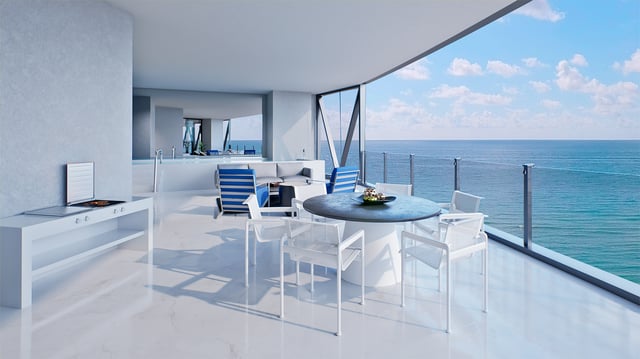
A 59-residence waterfront address at 1300 Monad Terrace, Monad Terrace translates Jean Nouvel’s signature play of light, privacy, and reflection into a climate-aware Miami Beach statement.

Ocean Reef Club, Key Largo: A Discreet Buyer’s Guide to the Florida Keys’ Most Private Club Address
Set on roughly 2,500 acres at the northern tip of Key Largo, Ocean Reef Club pairs a controlled membership model with deep amenities: two 18-hole golf courses, a 175-slip marina, tennis, dining, and even private aviation access. For South Florida buyers who already know the coastal condo-and-club circuit, Ocean Reef reads less like a resort and more like a self-contained, member-governed neighborhood where privacy is the product and convenience is the architecture.

The Great Wealth Transfer Meets South Florida: Why Ultra-Luxury Real Estate Is Becoming the New Family Balance Sheet
As trillions in inherited capital move into the hands of millennials and Gen X, the most coveted addresses are being treated less like purchases and more like intergenerational strategies. For South Florida buyers, the next decade will reward clarity: how cash reshapes negotiations, why supply stays tight, and what ownership structures can preserve optionality across generations.

Miami Ultra-Luxury Real Estate in 2026: Where the Market Draws the Line
In South Florida’s top zip codes, “luxury” has become a broad label, while “ultra-luxury” is increasingly treated as its own tier with different price logic, buyer behavior, and product expectations. This editorial clarifies the working price bands, why branded residences and service platforms command a premium, and how micro-markets like Miami Beach and the private-island enclaves separate ordinary high-end from true trophy real estate.

Miami vs. the Caribbean: The New Second-Home Equation for Ultra-Wealthy Buyers
Miami’s second-home story has shifted from lifestyle upgrade to strategic positioning. In recent residential real estate analysis, Miami was ranked as the global epicenter for ultra-wealthy second homes, with roughly 13,200 ultra-high-net-worth individuals reported to own second homes here. At the same time, tax policy headlines, including a proposed California “Billionaire Tax Act” framework described as a one-time 5% excise tax on worldwide net worth above $1 billion, have sharpened the contrast between U.S. metros and offshore alternatives. For South Florida buyers, the real comparison is not “Miami or an island.” It is “Miami plus an island,” or “Miami as the operational base with optionality elsewhere.” The Caribbean remains compelling for privacy, seclusion, and residency pathways in certain jurisdictions. Yet Miami’s advantage is institutional: depth of healthcare, market liquidity and transparency, aviation and marine services, and a year-round social and cultural calendar. This is why the conversation has become less about pure escape and more about building a second-home portfolio that performs under scrutiny, whether that scrutiny is financial, familial, or geopolitical.