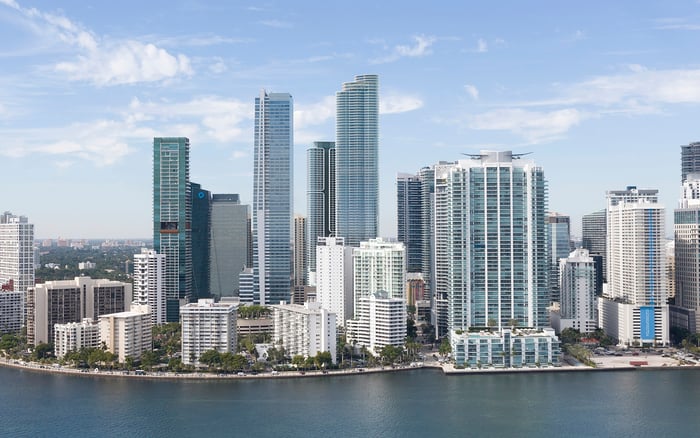
A discreet, buyer-first guide for seasonal owners weighing Florida residency, tax and homestead strategy, carrying costs, rental rules, and risk management for 2026 in South Florida.
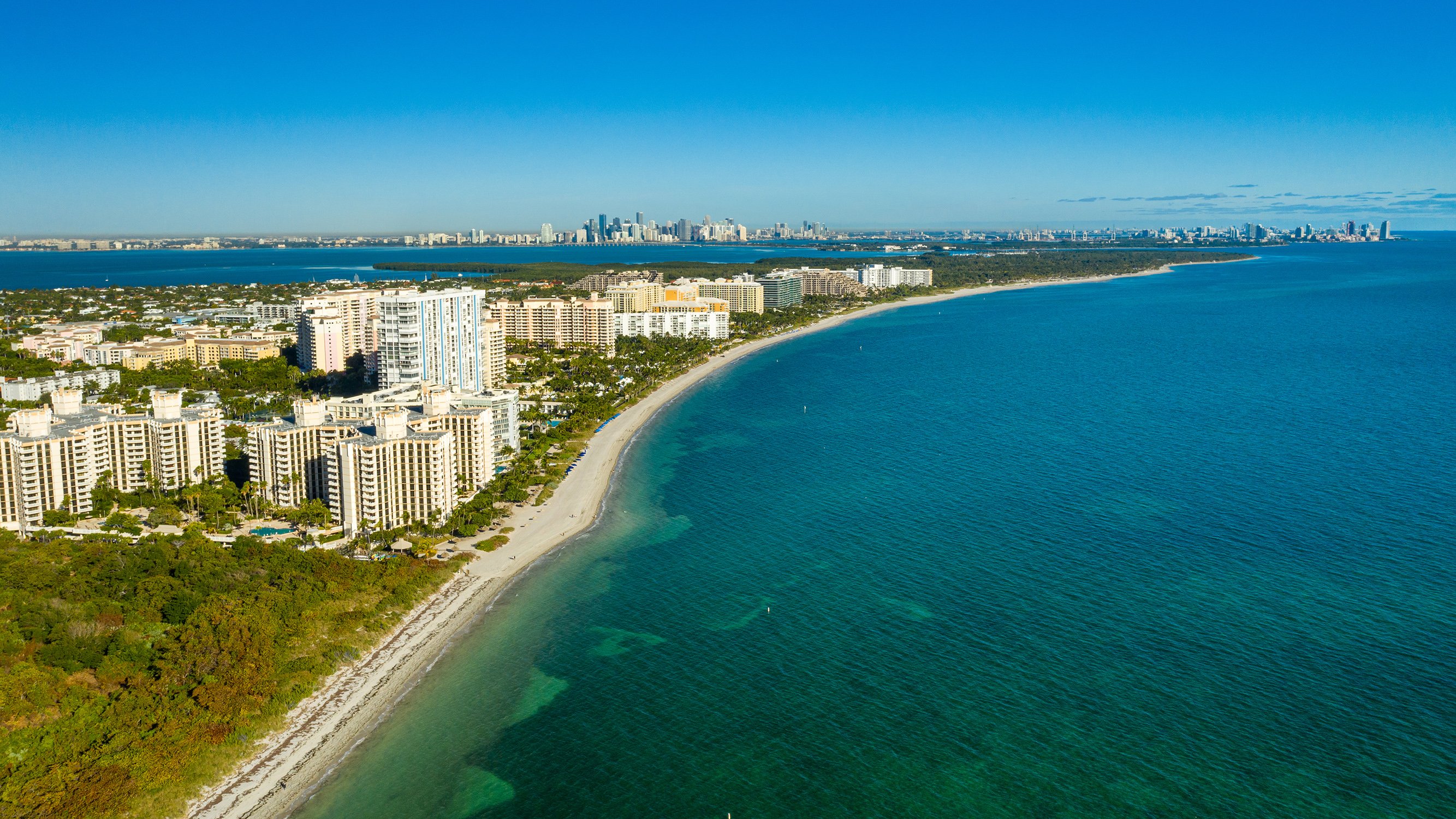
South Florida has always understood the seasonal resident. What feels different in 2026 is the level of intentionality required. A second home can still be a pure lifestyle purchase, but more buyers now want an option set: a winter base today, potential full-time domicile tomorrow, and a property positioned to stay resilient amid shifting insurance, building-compliance, and climate-risk conversations.
That distinction matters because the legal and financial outcomes are not driven by zip code alone. They are driven by behavior. Owning a beautiful apartment in Brickell or an oceanfront pied-à-terre in Miami-beach does not automatically make Florida your domicile. If your goal is to realign tax exposure, simplify estate planning, or reduce multi-state friction, the plan should be built like a portfolio decision, not a seasonal habit.
A true shift to Florida residency is typically demonstrated through consistent ties that show intent-not just time spent. In practice, that often includes filing a Declaration of Domicile and then aligning the obvious indicators: a Florida driver’s license, Florida voter registration, Florida vehicle registration, and the day-to-day footprint that signals where life is centered.
For many snowbirds, the risk is not Florida. The risk is the state you are leaving. High-tax states may scrutinize residency claims, and disputes tend to turn on documentation and day-count tracking. If you maintain multiple homes, calendar discipline becomes part of the cost of ownership.
New York is the classic example of why precision matters. Even when someone claims Florida domicile, New York’s statutory resident rule can still treat them as a resident for tax purposes if they maintain a permanent place of abode in New York and spend 184 days or more there. The takeaway for South Florida buyers is straightforward: relocating is an operational decision. Your travel patterns must match your narrative.
Florida’s lack of state personal income tax is widely known. Less discussed-but often just as meaningful over time-is the homestead framework. Florida’s homestead exemption can reduce property taxes on a primary residence, and it comes with assessment-growth limits through Save Our Homes, a benefit second homes do not receive.
If you are moving from one Florida primary residence to another, portability can allow a homeowner to transfer some accumulated tax savings from one Florida homestead to another, subject to rules and timing. This is where a second-home purchase can function as a staging move: buy now as a seasonal property, then later decide whether to convert it to a primary residence-or trade into a different asset while preserving part of the homestead benefit.
In a market often described as more balanced than the pandemic-era peak, these structural advantages become easier to see. When bidding wars cool, the conversation shifts to long-run carrying costs and controllable outcomes. Homestead is one of the few tools that can change the annual math without changing the home.
Snowbird success starts with matching the asset to the way you actually live.
If you want turnkey, lock-and-leave simplicity, a full-service building in the urban core can operate like a private club with an address. In Brickell, residences such as 2200 Brickell or Una Residences Brickell speak to buyers who value proximity to dining, culture, and airports-plus the ability to arrive and depart without staffing a house.
If your season revolves around sand, sunrise, and a quieter tempo, a beach-forward footprint often wins. In Miami-beach, a project like 57 Ocean Miami Beach can suit the buyer who wants the ocean as a daily ritual rather than a weekend excursion.
If you want a more residential rhythm and a drive-to lifestyle, Boca-ratón and other Palm Beach County options tend to read less like a “scene” and more like a home base. A property such as Alina Residences Boca Raton can make sense for seasonal owners who care about walkability, privacy, and a community cadence that stays coherent beyond the winter months.
These are lifestyle cues, not rules. The best second home is the one whose operations match your calendar.
The most important underwriting change for seasonal condo buyers is that a building’s cost structure has become more dynamic. 2026 budgeting discussions in many associations have centered on higher insurance and the ongoing wave of safety and compliance expenses that emerged after Surfside.
For the buyer, this shifts diligence from a simple review of the unit to a broader review of the ecosystem. The questions are not only aesthetic. They are operational: How is the association planning for insurance renewals? How is it approaching reserve funding? What is the cadence of inspections and repairs? A second home should feel effortless, but the building behind it should be engineered for predictable stewardship.
This is where ultra-luxury can be paradoxically pragmatic. Higher-quality construction, newer systems, and more robust management can reduce surprises, even if the sticker price is higher. In 2026, predictability is a luxury feature.
Many seasonal buyers like the idea of offsetting carrying costs with rental income. The reality is that your plan is governed by two separate rulebooks.
First is the IRS framework. Whether a second home is treated as a personal-use vacation home versus a rental or investment hinges on rental days and personal-use days, including the common 14-day or 10% thresholds. These rules influence deductibility, reporting, and how you should think about the home in your broader tax posture.
Second is local legality plus private governance. Short-term rentals can be restricted or tightly enforced at the city level, and many condos and HOAs impose their own limitations. This is particularly relevant in Miami-beach, where buyers who want rental flexibility should verify local rules and building bylaws before assuming short-term rental income is possible.
There are also strategies some investors explore around short-term rentals, material participation, and depreciation timing. These can be powerful in the right fact pattern, but they are not a substitute for the fundamental question: can you legally rent the way you want, in the building you want, for the duration you want? If the answer is unclear, the underwriting should assume lifestyle first and income second.
A seasonal home is only “easy” if it is managed like a vessel. South Florida’s heat, humidity, and storm season are not forgiving to vacant interiors. Seasonal owners commonly use property watch or maintenance services to check for leaks, storm damage, mold, pests, and other issues while the home is unoccupied.
If you are evaluating single-family homes, the checklist expands: landscaping, irrigation, pool systems, roof and drainage monitoring, and generator readiness. For condos, the focus is often HVAC, humidity control, shutoff valves, and periodic walkthroughs. The cost is real, but so is the alternative. Preventive care is typically cheaper than remediation, and it protects resale value in ways that do not show up on a pro forma.
Hurricane preparation for properties-especially when owners are away-often includes securing openings, addressing roof and drainage issues, and using a pre-storm checklist that reduces damage risk.
A refined snowbird strategy plans for absence as the default. That means having a documented plan with your building management or property manager, knowing exactly who is authorized to access the home, confirming what is covered and what is not, and keeping a simple inventory of critical shutoffs and systems. The goal is not drama-free weather. The goal is drama-free ownership.
Coastal real estate is increasingly evaluated through a risk lens that goes beyond views and walkability. Sea-level-rise and flood-risk discussions can affect long-term perceptions of value, along with insurability in certain areas.
For a luxury buyer, the right response is not to avoid the coast. It is to become more discriminating. Look for buildings and sites that demonstrate thoughtful engineering, clear maintenance practices, and a governance structure capable of funding long-term resilience. Ask hard questions, and treat the answers as part of the property’s design.
When property and ties span multiple states, estate planning becomes more than document signing. Snowbirds with assets and family in more than one jurisdiction often need multi-state planning to avoid conflicts and ensure documents work where assets are located.
For high-net-worth families, the second home can unintentionally create complexity: differing state rules, multiple probate venues, or mismatched titling decisions. The cleanest approach is to treat the second home as part of a broader structure from day one, with consistent beneficiary planning, clear authority for management during absence, and an ownership model that matches your intent.
A more balanced housing outlook changes the psychology of the deal. When urgency declines, diligence improves. That favors the buyer who arrives with financing clarity, a defined use case, and a short list of non-negotiables.
It also favors the buyer who can distinguish between cosmetic perfection and operational excellence. In 2026, the best second-home purchases are the ones that feel effortless to live in, straightforward to maintain, and unambiguous in their rules-whether those rules are tax, rental, or association governance.
What is the first concrete step to support Florida domicile? File a Declaration of Domicile and align key ties like driver’s license and voter registration.
Does buying a Florida second home eliminate state income tax elsewhere? No. Tax outcomes depend on your true domicile and how other states view your residency.
Why do snowbirds track days in each state? Day-count records help defend residency intent and can reduce audit risk in high-tax states.
How can New York still tax someone claiming Florida residency? If you keep a NY abode and spend 184+ days there, you may be treated as a statutory resident.
What is Florida’s homestead exemption in practical terms? It can reduce property taxes on a primary residence and includes Save Our Homes assessment limits.
Can homestead benefits transfer to a new Florida home? Often yes. Portability may let you transfer some accumulated tax savings, subject to timing rules.
Are condo fees likely to stay stable in 2026? Not always. Many buildings are budgeting for higher insurance and ongoing safety compliance costs.
Can I count on short-term rental income in Miami Beach? Only if local rules and your condo or HOA bylaws allow it; enforcement can be strict.
How does the IRS decide if a second home is personal-use or a rental? It depends on rental versus personal-use days, including common 14-day and 10% thresholds.
What is the simplest way to protect a vacant home during hurricane season? Use a pre-storm plan and regular property checks focused on openings, drainage, and leak detection.
For a discreet conversation and a curated building-by-building shortlist, connect with MILLION Luxury.
If branded residences are on your mind — as a home or as an allocation — we would be glad to share what we are seeing, privately.
Begin a quiet conversation