A discreet, buyer-grade playbook for keeping a South Florida residence pristine while you are away, covering humidity control, inspections, security, storm readiness, and insurance alignment.
South Florida luxury real estate is designed for an extraordinary lifestyle, but it sits in a climate that does not reward neglect. When a residence stays quiet, minor issues can escalate quickly: a slow leak becomes a ceiling repair, a single HVAC fault becomes a humidity event, and a small roof defect turns into water intrusion.
At the ultra-premium level, “home watch” is not a quick check to confirm the doors are locked. It is a disciplined operating standard-keeping the property within safe tolerances for moisture, temperature, security, and storm readiness-with documentation and decision-making authority clear enough that action happens fast.
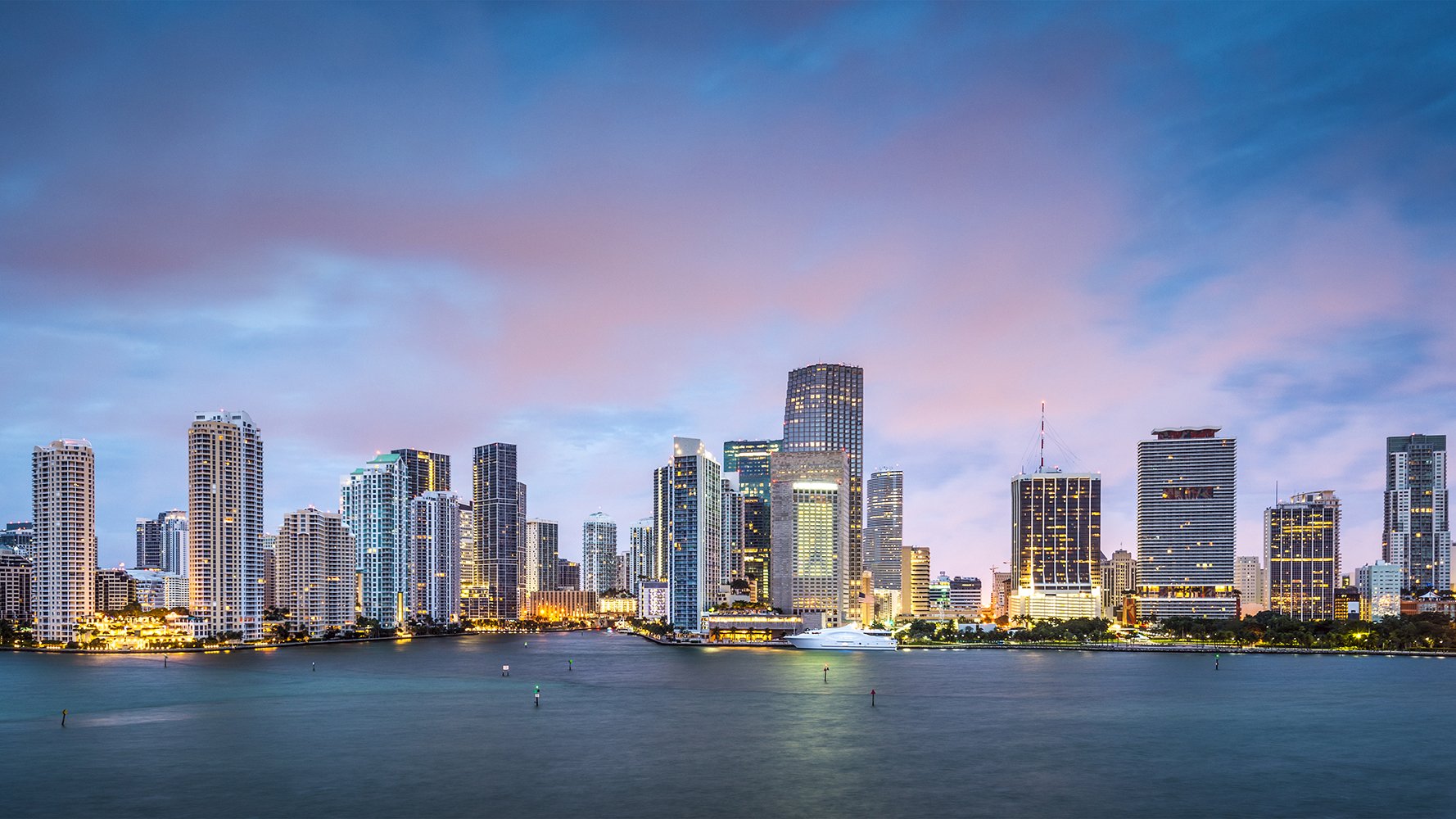
Whether your base is a high-rise in Brickell, a beachfront condo, or a gated single-family estate, the discipline is the same: protect systems first, then finishes.
Before you leave, treat departure like a formal “closing” of the home. A written checklist prevents the two most common failure modes in absentee ownership: assumptions and delays.
At minimum, your plan should define:
Who is responsible for inspections, and how often they occur.
Who can approve vendors, with pre-authorized spending limits.
What qualifies as an emergency decision that can be made without waiting.
How updates are delivered, and what “normal” looks like (photos, notes, readings).
This is where a full-service luxury property manager can be most valuable. Beyond scheduling and vendor coordination, the strongest operators keep a consistent inspection rhythm, oversee maintenance, and deliver owner reporting that you can absorb in minutes while traveling. Just as important is emergency response that does not depend on you being awake, reachable, or troubleshooting from an airport.
If your residence is in a service-rich condominium environment such as Una Residences Brickell or The Ritz-Carlton Residences® Miami Beach, confirm exactly what the building provides versus what remains the owner’s responsibility inside the unit. “Concierge” is not the same as “home watch.”
In Florida’s humid climate, moisture control is a foundational risk decision. A common mold-prevention target is keeping indoor relative humidity below roughly 60%. When a home is vacant, it is tempting to shut everything down. In practice, that can backfire.
A more practical approach is to keep HVAC and/or dehumidification running in a controlled, conservative mode so the interior does not drift into high-humidity conditions. Prioritize consistency over extremity: stable interior conditions are easier on wood, paper-backed wall coverings, fabrics, and high-end millwork.
Build your home watch routine around measurable indicators:
Thermostat setpoints and “away” programming.
Humidity readings in at-risk areas (closets, laundry rooms, near exterior walls).
Condensate line condition and drain pan integrity.
Visual checks in corners, under sinks, around baseboards, and behind toilet tanks.
Seasonal HVAC maintenance supports all of this. Replace or clean filters on a recurring schedule, and confirm performance before the highest-demand months. The goal is to prevent the failure that triggers the cascade: once cooling stops, humidity rises, and finishes suffer.
A luxury home’s maintenance surface area is substantial. When no one is living in the property, inspections must be intentional.
Roof and exterior envelope.
Routine roof inspections and timely minor repairs help keep small defects from becoming major water-intrusion events. Even with a newer roof, the discipline holds: check for flashing issues, debris accumulation, and any sign of prior seepage.
Plumbing and fixtures.
Seasonal “closing” checklists emphasize plumbing shutoffs and fixture checks for a reason: a leak in an empty home can run longer and cause more damage. Include visual inspections under sinks, around refrigerators with water lines, at water heaters, and in laundry rooms.
Interior drains and traps.
Bathrooms and guest showers may sit unused; odors can develop and traps can dry. A home watch professional should know the property well enough to keep it fresh without introducing new variables.
Termite pressure.
Florida’s termite environment is persistent, so prevention often relies on construction-stage protections plus ongoing treatment or monitoring. For absentee owners, the priority is continuity-do not allow renewals to lapse while you are away.
In boutique buildings with extensive amenities such as Oceana Bal Harbour, verify how common-area maintenance intersects with your unit’s exterior exposures, terraces, and balcony drainage. Even when the association handles major elements, your interior remains your responsibility.
Vacancy changes the security profile. A lived-in home broadcasts cues: lights cycle, cars come and go, deliveries are managed. A vacant home can signal opportunity.
For vacant properties, the standard is deterrence paired with rapid detection and a defined response. In practice, that looks like:
Consistent lighting schedules.
Visible monitoring where appropriate.
A system that triggers a response protocol, not just a notification.
Access control is now central to modern luxury home watch. Instead of physical key handoffs, contemporary systems manage and audit permissions, enabling time-limited access for housekeepers, contractors, and AV teams. Apply a visitor-management mindset: entry logging and accountability become invaluable when multiple service providers touch a property during your absence.
If your home is a vertical residence with frequent vendor flow, such as Aston Martin Residences Downtown Miami, align your unit access rules with building procedures. The objective is straightforward: no ad hoc access, no ambiguous key custody, and a clean record of who entered and when.
Luxury property care is not defined by how often someone visits. It is defined by consistent outcomes-quietly achieved.
A well-run program typically includes recurring inspections, coordination with vetted vendors, maintenance oversight, and concise owner reporting. For absentee ownership, two operational details matter more than most owners expect:
1) Pre-authorization and spending limits.
If your home watch provider must request permission for every small decision, response time suffers. Set clear thresholds: what can be approved automatically, what requires confirmation, and what qualifies as a true emergency.
2) Documentation as a habit.
Photos, notes, and dates should be routine. This is not bureaucracy; it protects your position when a vendor claims something was “already like that,” or when an issue becomes part of an insurance conversation.
The same discipline applies to landscaping. Maintenance contracts preserve curb appeal and reduce “neglect signals,” influencing both security and neighbor perception. For single-family homes, consistent landscaping is one of the simplest ways to make a property look occupied and well cared for.
Many luxury owners assume a standard homeowners policy functions as a universal shield. Extended vacancy, however, can introduce coverage nuance. Vacant home insurance exists specifically for properties left unoccupied, addressing vacancy-related risks that may not be handled the same way under typical homeowners terms.
Separately, high-value home insurance is positioned for luxury properties that require higher limits and broader protection than standard coverage. For the absentee owner, the aim is alignment: confirm your occupancy pattern, staffing, and usage match the policy’s expectations.
Treat insurance as part of the home watch infrastructure-not a binder that lives in a drawer. Your property manager or family office should have carrier requirements clear for inspections, maintenance documentation, and emergency mitigation.
Hurricane preparedness is not a mood; it is logistics. A dedicated supply kit allows a property to be stabilized quickly after a storm. Think water, food, lights and batteries, first-aid, tarps, and other essentials that support immediate action.
Your storm plan should also define who:
Performs pre-storm securement (where permitted).
Checks the property as soon as conditions allow.
Arranges emergency drying, tarping, or board-up.
After a storm, damage documentation becomes urgent. Photograph and video conditions, note dates, and itemize visible impacts while details are fresh and before temporary repairs obscure the original state. This documentation can matter later, even when the immediate objective is simply to stabilize the home.
If your home is in a coastal tower such as Turnberry Ocean Club Sunny Isles, coordinate your plan with building protocols. Some actions are controlled by the condominium, while others fall within the unit. Knowing the boundary in advance is the difference between a clean response and a flurry of unanswered calls.
Use this as a final pass. It is intentionally practical.
Confirm HVAC is in an “away” mode that supports stable humidity control.
Replace or clean HVAC filters and verify the system is performing normally.
Review shutoffs and leak-risk zones: under sinks, laundry, water heater area.
Verify roof and exterior checks are scheduled on a recurring cadence.
Confirm smart monitoring is active: security, climate, water detection if installed.
Ensure access control is set for time-limited vendor entry and tracked logging.
Set communication rules: update frequency, emergency contacts, spending limits.
Refresh storm kit supplies and confirm who will deploy them if needed.
Align insurance with vacancy realities and keep policy contacts accessible.
Schedule landscaping and exterior presentation so the home looks cared for.
What is the ideal indoor humidity target for a vacant South Florida home? Many mold-prevention guidelines aim to keep indoor relative humidity below about 60%.
How often should a home watch professional inspect an unoccupied property? It depends on systems and risk, but inspections should be recurring and documented with photos and notes.
Is turning off the HVAC when I leave a good idea? Not usually in humid conditions; stable temperature and humidity control helps protect finishes and deter mold.
What should I put in writing with my property manager before travel? Communication cadence, emergency decision rules, and pre-authorized spending limits to prevent delays.
Why does vacancy increase security risk? A vacant home can signal opportunity, so deterrence plus rapid detection and response become essential.
Are smart locks enough for vendor access? Smart access is stronger when paired with permission management and entry logging for accountability.
What maintenance items matter most while I am away? HVAC performance, plumbing leak checks, roof condition, and consistent landscaping are high-impact basics.
Do I need special insurance if my home is vacant for long periods? Possibly; vacancy can change coverage terms, and vacant-home policies exist for unoccupied properties.
What should I do immediately after a hurricane affects my property? Stabilize the home safely and document damage thoroughly with photos or video, dates, and itemized notes.
How can I make a vacant home look cared for without being there? Maintain lighting patterns, keep landscaping pristine, and ensure regular inspections with prompt repairs.
If you'd like a private walkthrough and a curated shortlist, connect with MILLION Luxury.
If branded residences are on your mind — as a home or as an allocation — we would be glad to share what we are seeing, privately.
Begin a quiet conversation