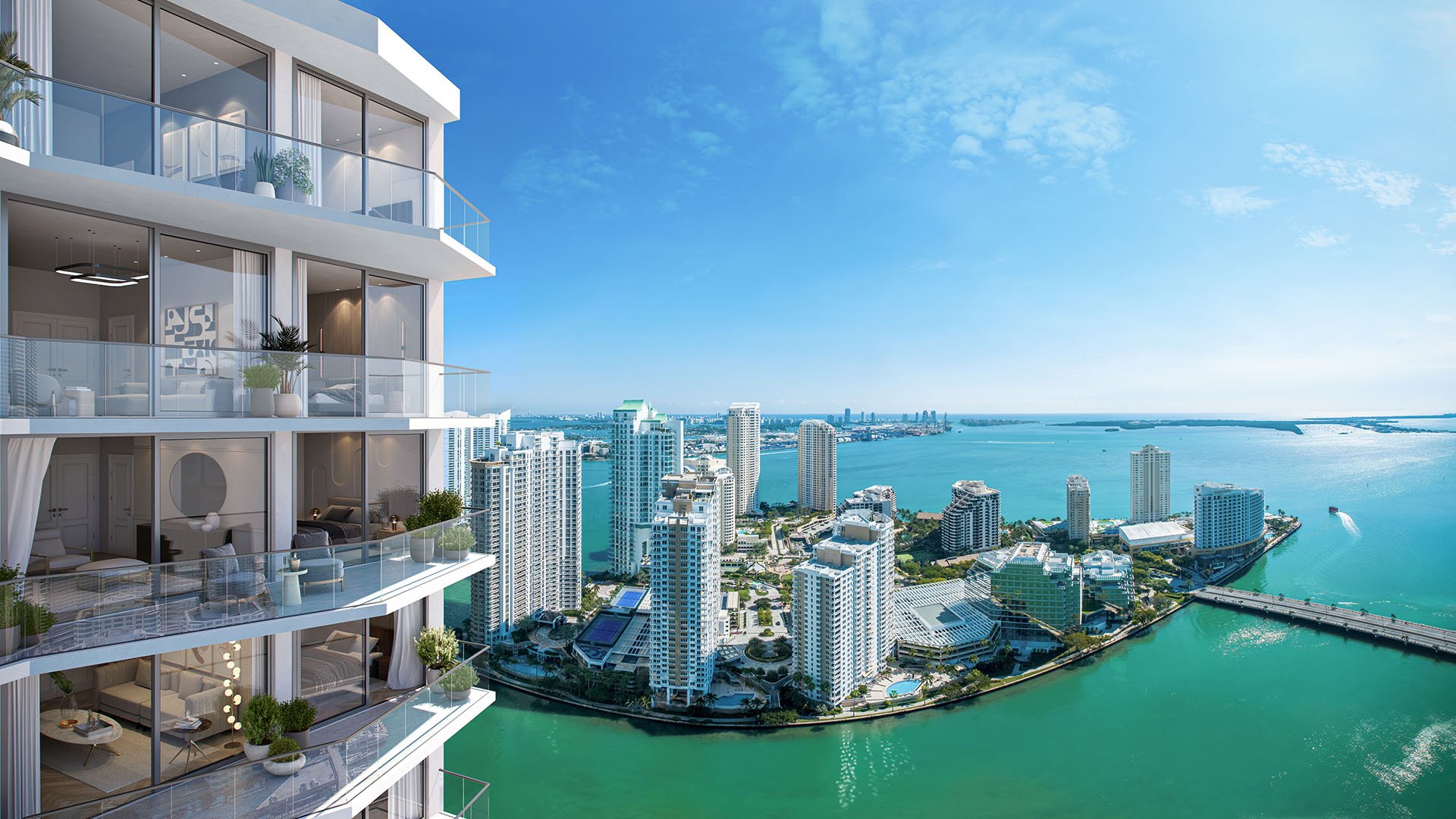
Is South Florida’s Luxury Condo Market Overbuilt? How to Spot an Oversaturated Neighborhood
South Florida’s condo market has shifted into buyer-market territory, but the experience is highly uneven by neighborhood, building age, and fee structure. With inventory elevated and pricing expectations still adjusting, sophisticated buyers can negotiate meaningfully, especially in oversupplied urban cores and older towers facing inspection and reserve realities. At the same time, ultra-luxury continues to transact with a heavy cash profile, underscoring that scarcity, location, and product quality still command attention. This MILLION Luxury playbook outlines where leverage is strongest, what to underwrite before you write an offer, and how to distinguish lasting value from temporary noise.

Real Estate vs. Stocks: Why Billionaires See South Florida Property as a Safe Haven
Policy uncertainty on the West Coast, paired with Florida’s tax profile and lifestyle fundamentals, is accelerating a familiar pattern: ultra-wealthy buyers treating South Florida as a primary base, not a seasonal outpost. Recent nine-figure moves, record-setting condo trades, and resilient $10M-plus activity point to a market that is increasingly defined by scarcity, discretion, and a preference for controllable, low-friction assets.

Renting Out Your Luxury Home When You're Away: Tips for Seasonal Residents
A buyer-caliber guide to operating a high-end South Florida short-term rental with the right licensing, local compliance, insurance, tax posture, and hospitality standards.

Reading the Fine Print: Why You Must Review Condo Bylaws and Financials Before Closing on a Unit
A discreet, buyer-forward guide to the condominium documents that matter most in South Florida, from governing rules and financials to estoppels, insurance, and the post-Surfside structural disclosure landscape.

Global Wealth Influx: How New Foreign Buyers Are Shaping Miami’s Luxury Market
Foreign capital accelerated across South Florida in 2025, pushing international demand deeper into the region’s condo, new-construction, and $1M-plus segments. With a meaningful all-cash component and a preference for turnkey, lock-and-leave residences, global buyers are influencing everything from inventory mix to developer strategy. For local and relocating luxury purchasers, the opportunity is less about chasing headlines and more about understanding where liquidity concentrates, how buildings underwrite long-term ownership costs, and why certain neighborhoods consistently win the “second-home or rental” mandate.

Co-Owning a Luxury Vacation Home: Smart Strategy to Share Costs or Recipe for Conflict?
Fractional co-ownership is moving from a niche idea to a pragmatic strategy for buyers who want South Florida access without carrying 100% of a trophy home’s costs. The appeal is simple: deeded equity, predictable scheduling, and a structure that can be far cleaner than informal family or friend arrangements. The risk is equally clear: without meticulous agreements on usage, expenses, governance, and exits, even sophisticated owners can end up in a dispute that feels more like litigation than leisure. This MILLION Luxury playbook outlines how fractional ownership typically works, where friction tends to surface, and what high-net-worth buyers should insist on before wiring funds. It is written for clients who value discretion, clarity, and long-term optionality, whether the home is meant to be a personal retreat, a legacy asset, or a mixed-use property with selective rental income.