A discreet, buyer-forward guide to the condominium documents that matter most in South Florida, from governing rules and financials to estoppels, insurance, and the post-Surfside structural disclosure landscape.
In South Florida, a condominium can feel like a private club with ocean frontage. You may be purchasing a beautifully finished residence, but you’re also buying into a shared corporation-its rules, its balance sheet, its maintenance philosophy, and its tolerance for risk. Condo ownership typically means you own the interior of your unit while the association controls and maintains the common elements, funded by assessments shared among owners.
That’s why sophisticated purchasers treat the condo document package as non-negotiable due diligence. The declaration, bylaws, rules, budget, insurance information, and meeting minutes can surface constraints and exposures that never show up in staging or photography. If you’re shopping in Miami Beach or Surfside, that diligence carries even more weight as buildings navigate structural inspection and reserve funding requirements that have reshaped Florida’s condominium landscape.
The condo declaration is the foundational document that defines what you own, what the association owns, and how the entire property is governed. In practical terms, it operates as a binding contract between the association and each owner. Before you close, read it with the same rigor you’d bring to a purchase agreement.
Key items to confirm:
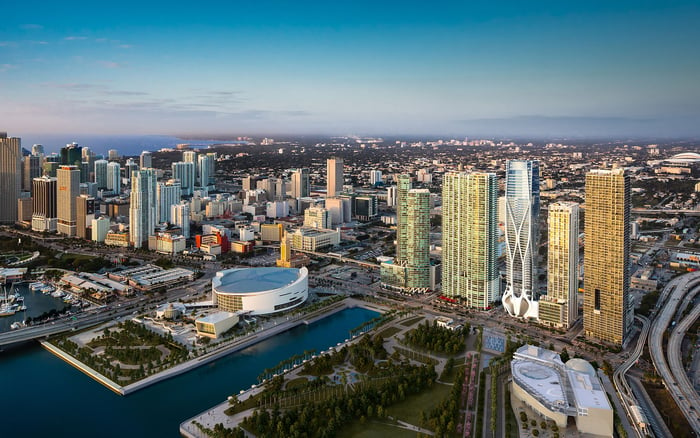
Buyers weighing urban convenience in Brickell often prioritize flexible use and clean governance structures. If your lifestyle points you toward a newer, design-forward building such as 2200 Brickell, the declaration and rules still warrant the same scrutiny as a legacy oceanfront tower.
Governing documents commonly regulate pets, rentals and leasing, parking, noise, and renovations. These can sound routine-until they collide with how you actually live.
Consider the questions that matter in ultra-premium ownership:
Rental restrictions deserve special attention. Many associations impose minimum lease terms, cap the number of leases per year, or restrict short-term rentals. If your strategy includes occasional leasing, confirm the rules align with your intentions before you’re committed. This is particularly relevant for purchasers comparing a purely residential experience versus a more transient environment associated with AirBnb style demand. In many communities, the prohibition isn’t just cultural; it’s contractual.
For those drawn to the boutique calm of Surfside-where privacy and a more residential cadence often matter-buildings like Arte Surfside reflect a lifestyle that can be reinforced or undermined by the fine print.
Florida law requires sellers to provide specific condominium disclosure documents to buyers, including a non-developer disclosure with core association documents and financial information. The practical consequence is timing: Florida buyers generally have a 15-day right to cancel after receiving the required disclosure documents, with a longer window if documents arrive later.
Treat this period as a structured diligence sprint. Request the full package early, calendar the deadline, and delegate sections to knowledgeable professionals when appropriate. The goal isn’t perfection; it’s clarity on non-negotiables before your leverage disappears.
A well-managed building can feel effortless. A poorly funded building can turn even a trophy address into a series of unplanned capital calls. Reviewing association financials is essential because posted dues don’t always reflect true ownership cost.
Focus on:
Underfunded reserves are a common driver of special assessments because reserves are intended to pay for major repairs and replacements rather than sudden owner charges. Conversely, unusually low HOA fees can be a red flag if they reflect deferred maintenance or insufficient reserve contributions.
In Miami Beach-where salt air and wind-driven weather accelerate lifecycle wear on building systems-the difference between a properly funded reserve schedule and a “keep it low” budget can show up in both day-to-day comfort and resale confidence. Buyers considering an ultra-luxury beachfront setting such as 57 Ocean Miami Beach should treat financial transparency as part of the amenity package.
Budgets can be curated; minutes are harder to stage. Association meeting minutes can surface disputes, deferred maintenance, planned projects, resident complaints, and early discussions of special assessments. They also reveal tone-whether the building operates with consensus, faction, or chronic litigation.
Read several months, ideally a year or more, and look for patterns:
Minutes are especially useful when you’re weighing two otherwise similar options. They show how the building responds when the weather turns-or when a major system reaches end of life.
In Florida, reforms after the Surfside tragedy increased the importance of structural and reserve disclosures for many condominium buildings. Two concepts now shape due diligence conversations:
For buyers, the takeaway is straightforward: confirm whether the building is subject to these requirements, and request any inspection summaries, reserve studies, and board communications that have been provided to owners. Even when the technical reports are complex, they can influence assessments, lending comfort, insurance pricing, and the building’s future disruption schedule.
In communities with many mid-century towers-such as Bal-harbour adjacent neighborhoods and established waterfront corridors-these disclosures can help distinguish proactive stewardship from reactive management.
Near closing, the association’s estoppel certificate becomes the definitive statement of what is owed to the association for that unit: regular assessments, delinquent amounts, and other balances. Florida law governs what an estoppel must state and the effect of relying on it.
Don’t treat the estoppel as a formality. Reconcile it against the contract terms, confirm any pending assessment schedules referenced by the association, and verify whether there are approval fees, move-in deposits, or required elevator reservations that could matter on day one.
Condo insurance responsibility is split between the association’s master policy and the unit owner’s HO-6 policy. The division is not uniform from building to building, so you must confirm what the master policy covers versus what you’re expected to insure.
A second layer is loss assessment coverage on an HO-6 policy. This can help protect owners if the association levies an assessment tied to an insured loss, such as deductibles or uninsured portions. In today’s South Florida environment-where deductibles can be meaningful-that coverage isn’t an afterthought; it’s a line item to model.
Finally, remember that standard homeowners and condo policies generally exclude flooding. In flood-prone areas, owners may need separate flood insurance, and it’s worth confirming whether any flood coverage exists at the association level and how it interacts with your personal policy.
The most polished closings are the ones where the documents have already been understood. Before you sign, review and understand your closing documents, because they create binding obligations that are difficult to unwind afterward.
A concise diligence framework:
When these pieces align, the purchase becomes what it should be: a confident acquisition of both a residence and a well-run shared asset.
What is the single most important condo document to read? The declaration, because it defines ownership boundaries, common elements, and core rights and obligations.
How long do I have to review condo disclosure documents in Florida? Buyers generally have a 15-day right to cancel after receiving required condo disclosure documents.
What is typically included in a condo document package? It commonly includes the declaration, bylaws, rules, budget and financials, insurance information, and meeting minutes.
Why do rental restrictions matter if I plan to live there? They still affect resale demand and can limit future flexibility if your plans change.
Are low HOA fees always a good sign? Not necessarily; low fees can signal underfunded reserves or deferred maintenance that later becomes an assessment.
What should I look for in association meeting minutes? Patterns of deferred maintenance, disputes, planned projects, and any discussion of special assessments.
What is a Milestone Inspection and why does it matter to buyers? It is a structural inspection framework for many Florida condo buildings that can influence repairs, funding, and disruption.
What is a Structural Integrity Reserve Study (SIRS)? A SIRS evaluates and helps fund major structural components, limiting the ability to waive certain reserve contributions.
What does an estoppel certificate confirm? It confirms what is owed to the association for the unit, including regular assessments and any delinquent sums.
Do I need flood insurance for a condo in South Florida? Flood damage is generally excluded from standard policies, so separate flood coverage may be needed in flood-prone areas.
For a discreet conversation and a curated building-by-building shortlist, connect with MILLION Luxury.
If branded residences are on your mind — as a home or as an allocation — we would be glad to share what we are seeing, privately.
Begin a quiet conversation