
Beyond No State Income Tax: The Real Luxury Appeal of Florida Real Estate
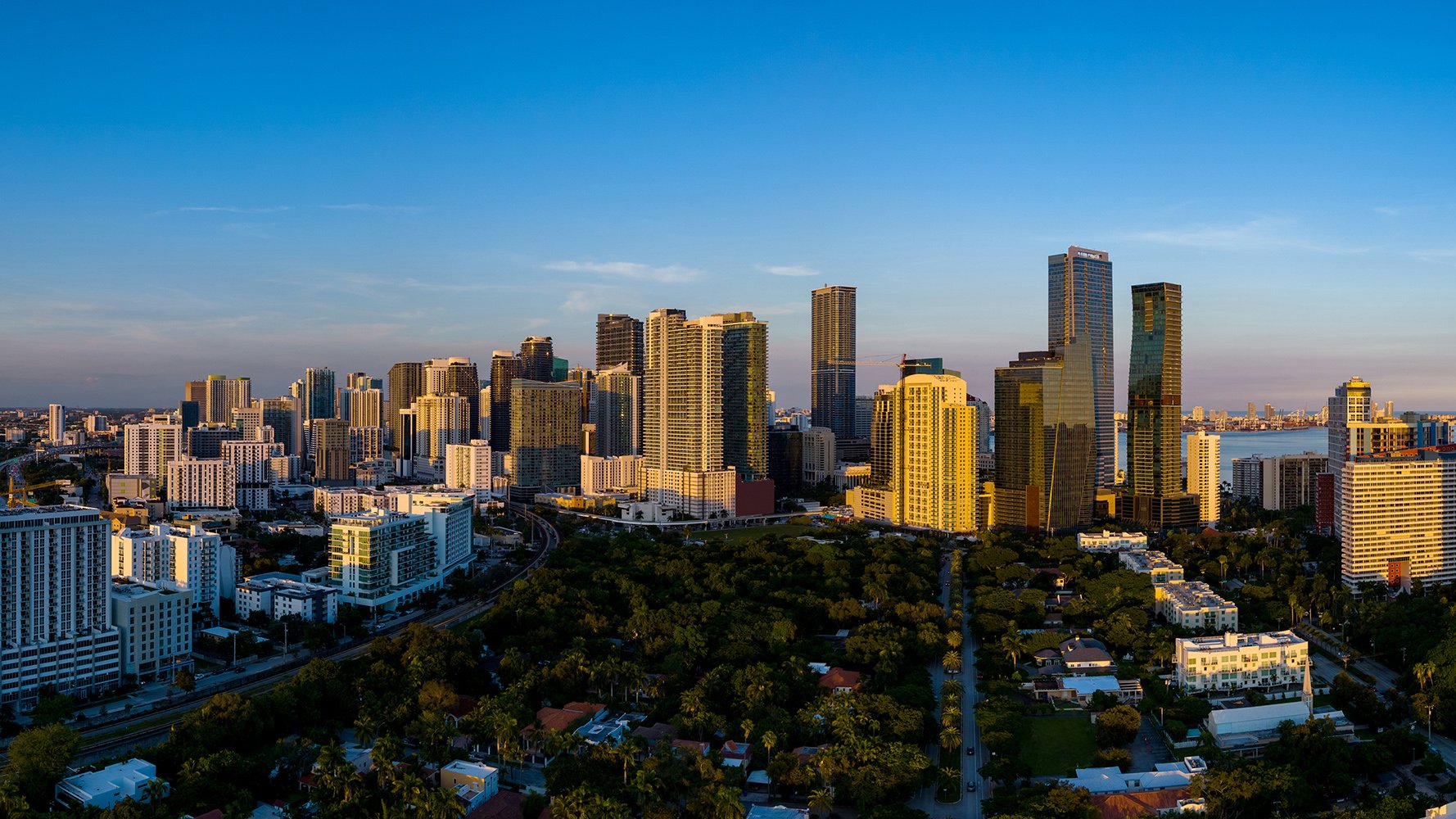
Florida luxury real estate appeals to sophisticated buyers for far more than the absence of state income tax. In South Florida, ownership blends tax efficiency with homestead benefits, estate-planning considerations, global connectivity, waterfront access, and a lifestyle built around climate, culture, and service. From Brickell and Miami Beach to Fisher Island and Palm Beach, the state’s premium residential market offers a rare mix of privacy, convenience, and long-term wealth utility.
A Private-Client Guide to U.S. Luxury Real Estate Investing
A buyer-oriented guide to luxury real estate investing in the United States, with a sharp focus on South Florida’s tax advantages, micro-markets, financing realities, resilience considerations, and the difference between prestige ownership and durable investment performance.

Florida Trophy Assets: Where Prestige Meets Long-Term Value
A MILLION editorial on why South Florida’s most coveted residences continue to command attention as both lifestyle statements and long-duration stores of wealth.

How Family Offices Evaluate Long-Term Asset Stability at The Links Estates Fisher Island
A family office lens on long-term stability at The Links Estates at Fisher Island: governance, carrying costs, liquidity, insurability, and legacy planning, with South Florida comparables.
Miami vs. Ibiza: Beach Party Capitals Compete for the Jet Set’s Real Estate Dollars
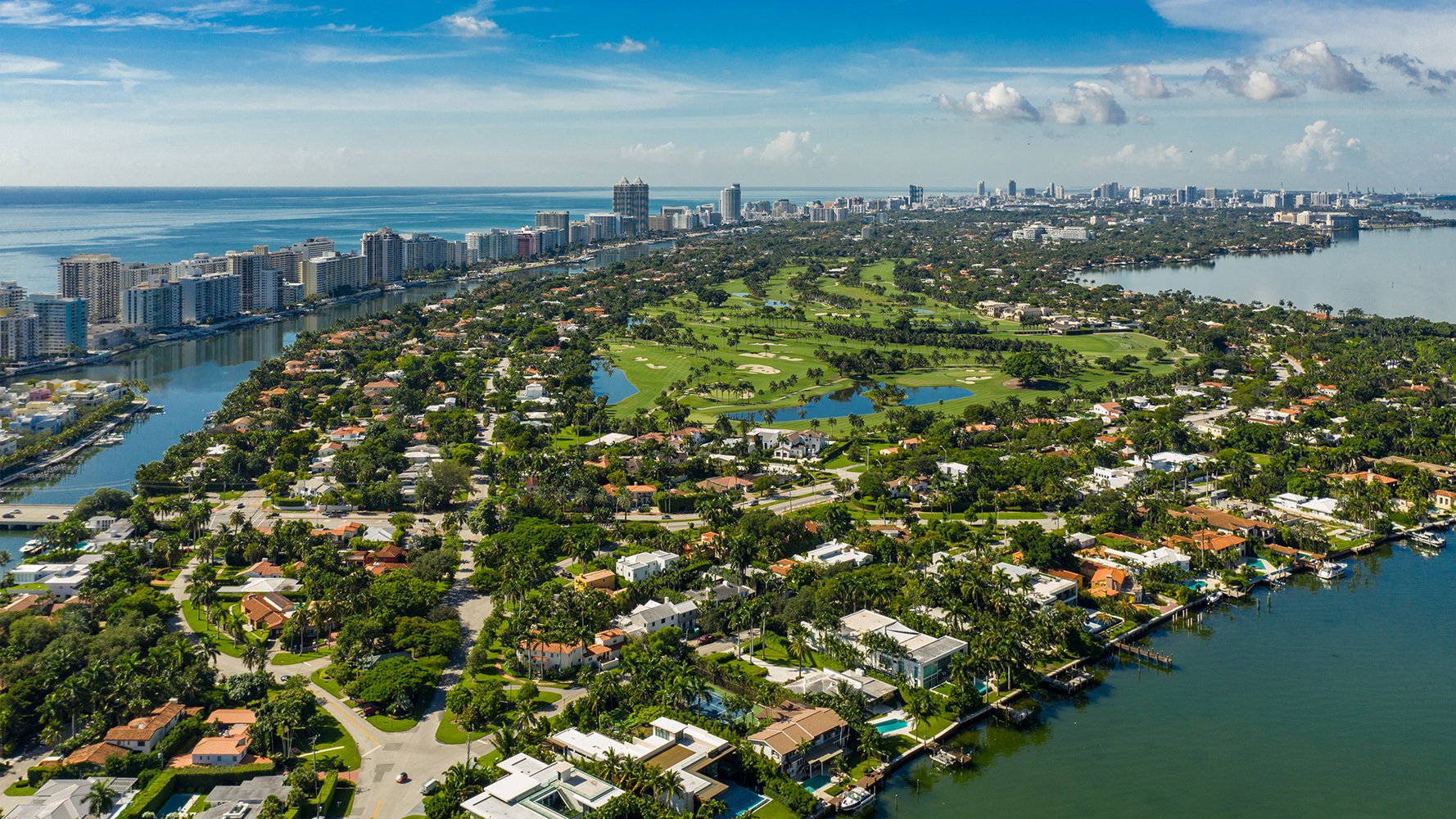
In 2026, ultra-luxury buyers are weighing two very different kinds of certainty: Miami’s liquidity and scale versus Ibiza’s scarcity and lifestyle premium. Miami’s $1M+ inventory has pushed past New York City’s, while South Florida continues to post one of its strongest years ever for $10M+ closings, many of them cash. Ibiza, meanwhile, remains a supply-constrained Mediterranean market where price per square meter commands a steep premium and where short-term rental compliance is becoming more formalized. This guide frames the decision the way principals, family offices, and globally mobile owners actually make it: not as a simple “which is cheaper,” but which market better fits your use case, risk tolerance, and time horizon.
Miami vs. Singapore: Competing Tropical Hubs for Ultra-Luxury Real Estate
In 2026, ultra-luxury buyers are comparing global safe-harbor markets through a sharper lens: liquidity, taxes, inventory depth, and the friction embedded in each transaction. South Florida and Singapore sit at the center of that conversation, but they reward different strategies. Miami offers a uniquely cash-heavy closing environment and a tax structure that many high earners find efficient. Singapore offers institutional-grade governance and a tightly controlled prime landed segment, but foreign buyers face meaningful stamp-duty headwinds. For South Florida’s luxury real estate audience, the takeaway is not that one market “wins.” It is that each city has become a different kind of wealth instrument: Miami as a lifestyle-forward, inventory-rich coastal platform with powerful cash velocity; Singapore as a scarcity-driven, policy-shaped store of value where access is often the primary differentiator. Understanding how these characteristics translate into negotiation, timing, and portfolio construction is the edge in 2026.