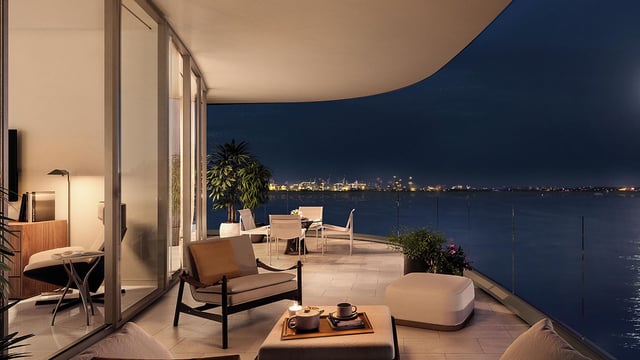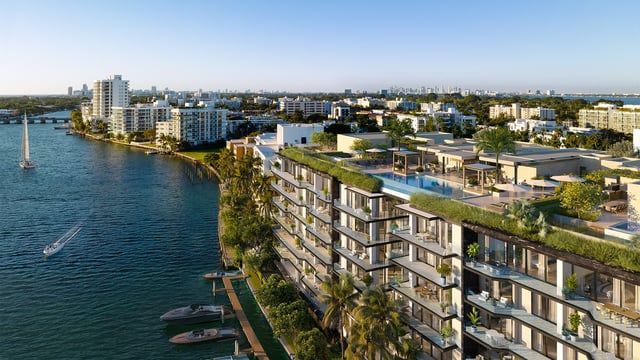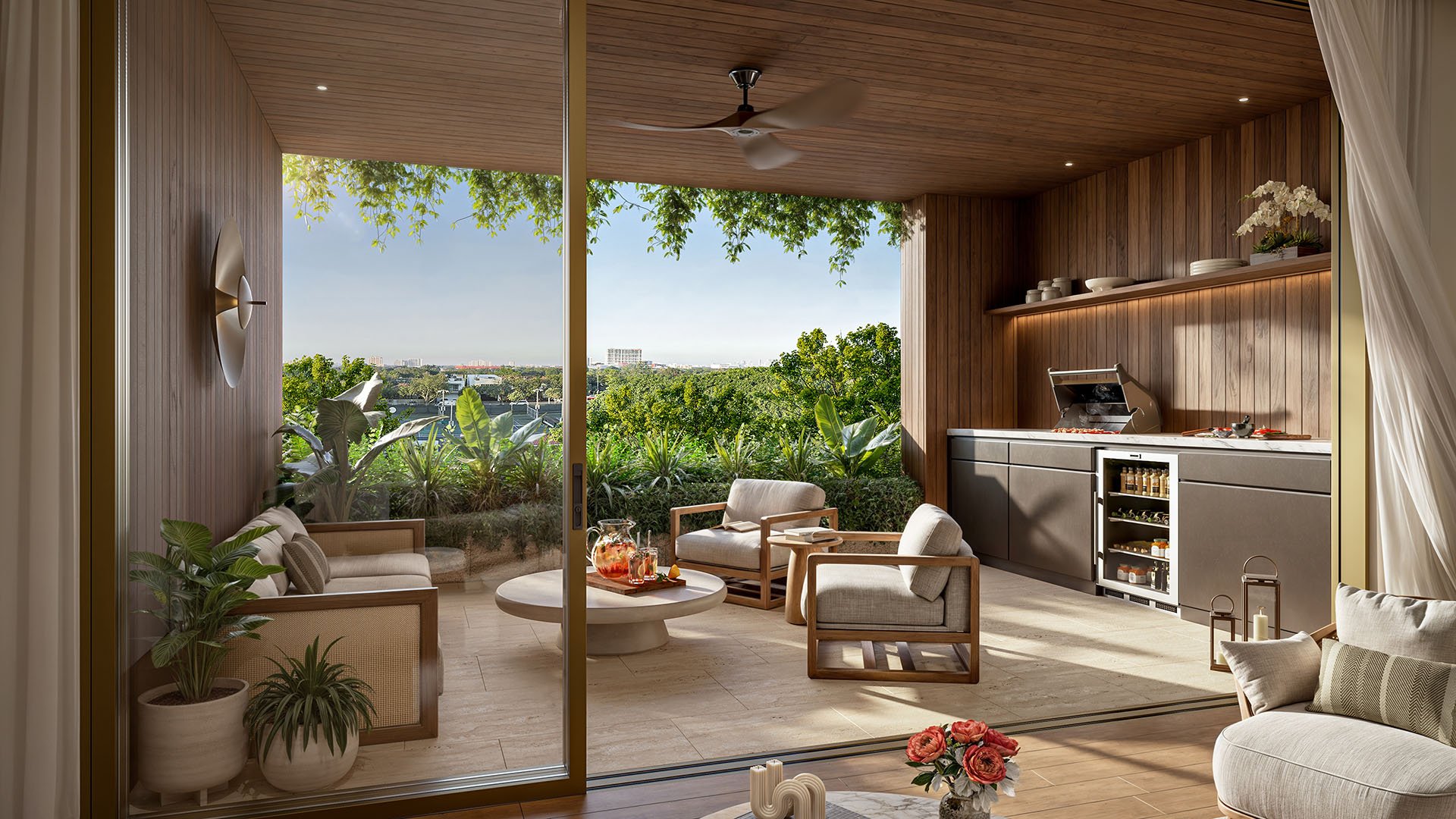
Assessing the Footprint of Outdoor Summer Kitchens with Gas Grills at Ziggurat Coconut Grove
In Coconut Grove, the outdoor kitchen is no longer a luxury add-on. It is a planning problem, an architectural opportunity, and, for buyers, a litmus test for how a residence actually lives in summer. This editorial looks at the spatial footprint of a terrace-based summer kitchen with a gas grill through the lens of Ziggurat Coconut Grove, focusing on clearances, heat and smoke behavior, wind, materials, and the less-discussed realities of storage, noise, and service access. The goal is not to prescribe a single layout, but to help purchasers and designers evaluate whether a terrace can support a true cooking program without compromising comfort, finish durability, or neighborly discretion.
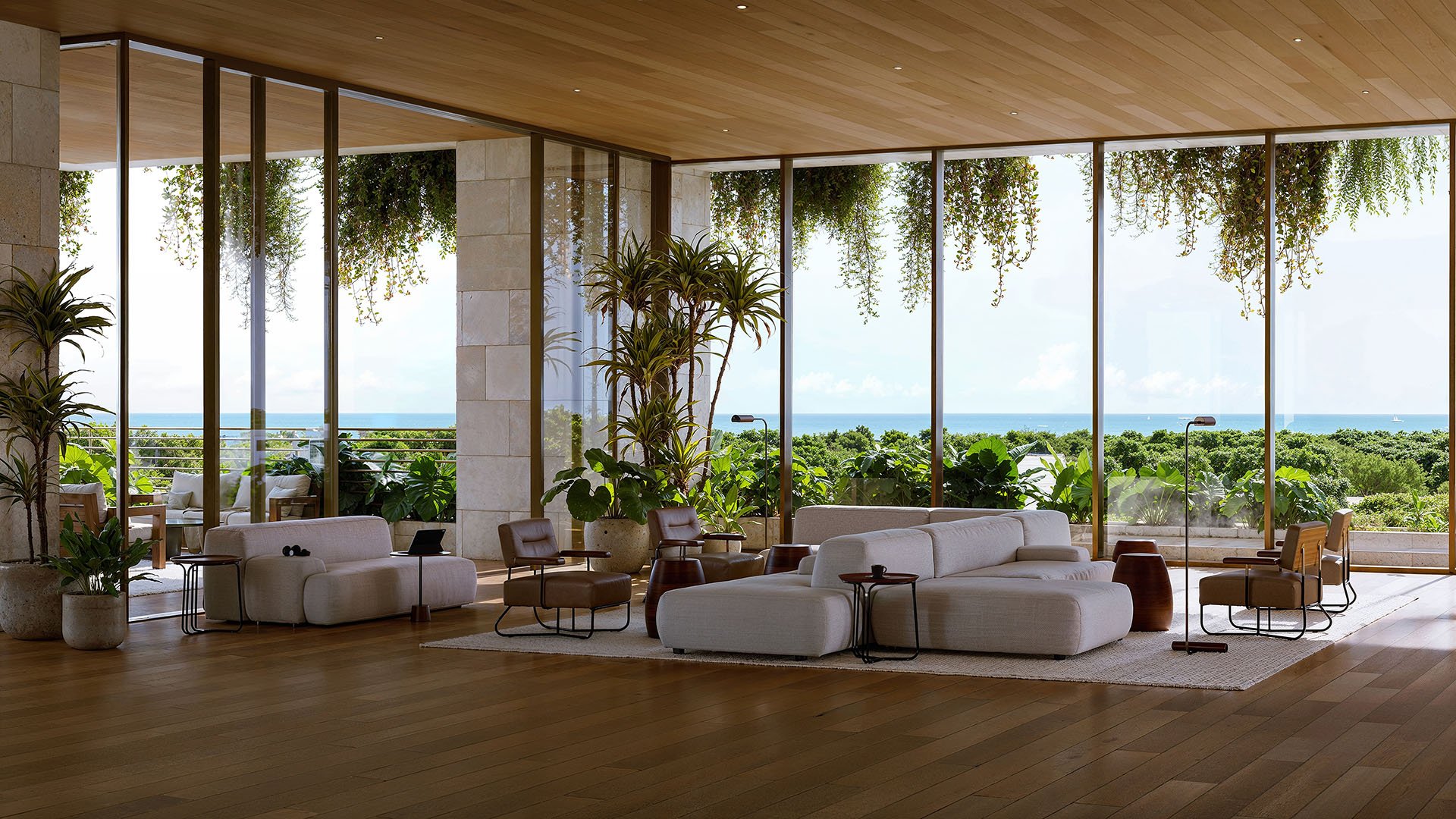
Comparing the Aesthetics of Wood-Clad Ceilings vs. Plaster: Ziggurat Coconut Grove vs. The Lincoln
A buyer-oriented aesthetic comparison of wood-clad ceilings and plaster ceilings, framed through Coconut Grove’s Ziggurat and The Lincoln, with practical guidance on light, acoustics, maintenance, and resale positioning.

The Logistics of Arranging Private Chef Catering for Holidays at The Surf Club Four Seasons
A buyer-oriented, discreet field guide to planning private chef catering for holiday hosting at The Surf Club Four Seasons in Surfside, with practical timing, access, service flow, and contingency considerations.
The Importance of Soundproofing in High-Traffic Corridors at Mercedes-Benz Places Miami
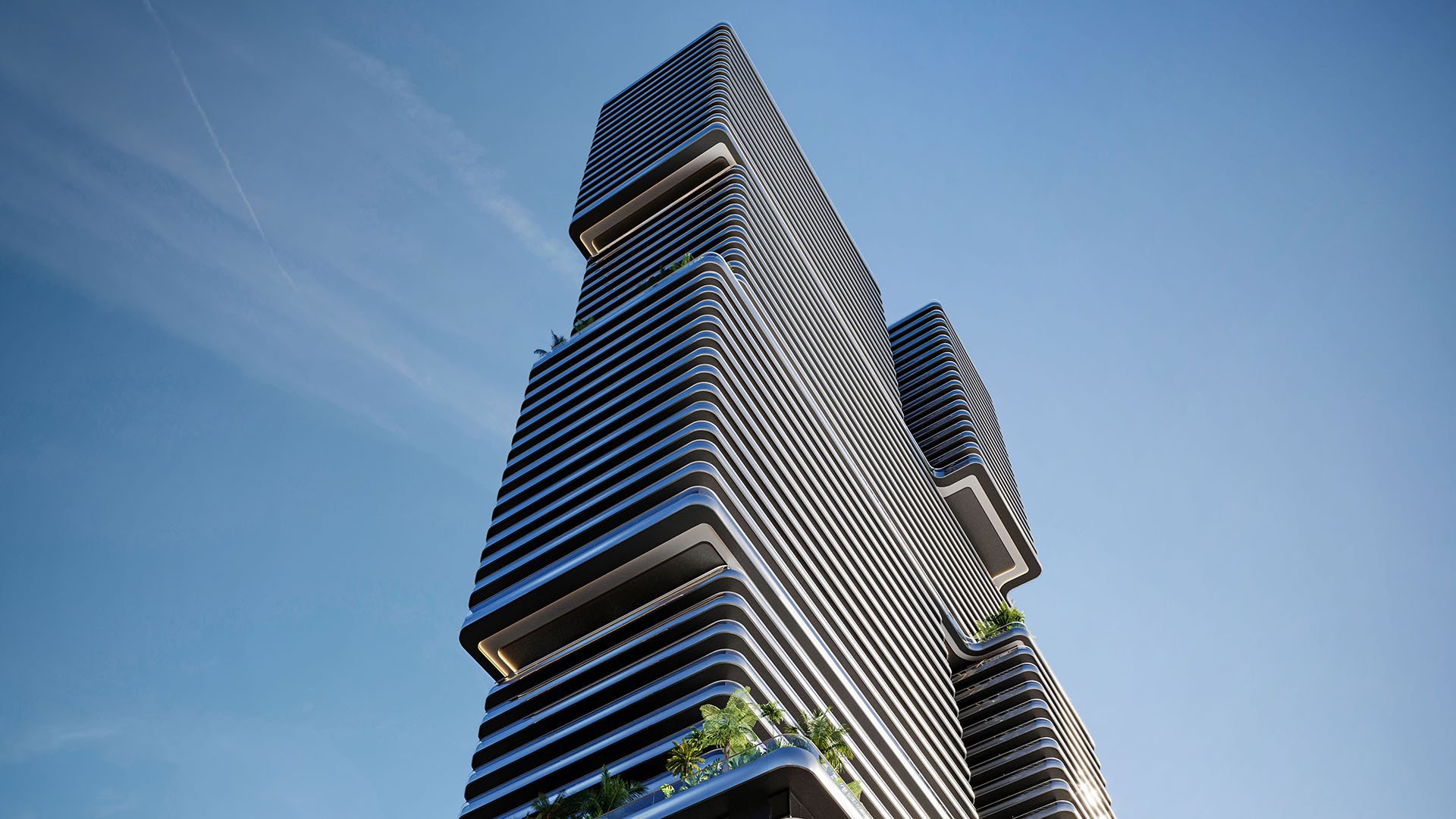
In a luxury high-rise, privacy is not only visual. It is acoustic. In high-traffic corridors, the difference between an ordinary residence and a truly serene one is often decided by what you do not hear: footsteps, doors, voices, elevators, service carts, and the subtle building hum that accumulates at peak hours. For discerning buyers considering Mercedes-Benz Places Miami, corridor sound control matters because it influences day-to-day comfort, perceived quality, and long-term value in a competitive Brickell market. This MILLION Luxury editorial explains what creates corridor noise, what soundproofing strategies sophisticated towers typically employ, and what residents can look for during the purchase process and pre-delivery walkthroughs. It also places acoustic expectations in context alongside other premium South Florida residential benchmarks.
Assessing the Availability of Climate-Controlled Storage for Art Collectors at Glass House Boca Raton
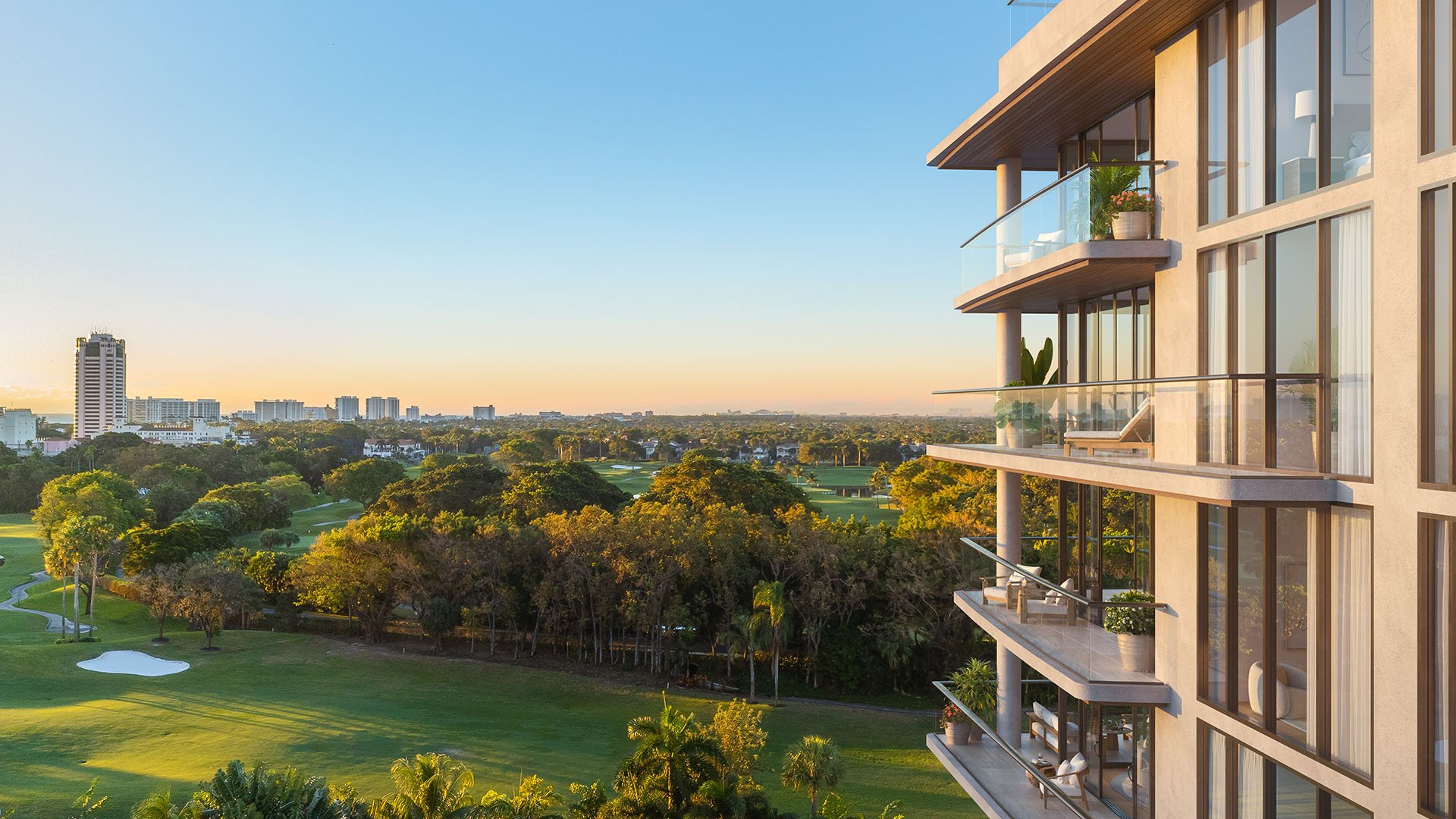
For serious collectors, the question is rarely whether to store, but where: on-site, off-site, or in a purpose-built program that protects materials, provenance, and privacy. This editorial looks at what “climate-controlled storage” should mean in a luxury residential context, what to verify when evaluating Glass House Boca Raton, and how Boca Raton’s broader lifestyle infrastructure influences day-to-day stewardship of a collection.

Fractional Ownership and Multi-Generational Structuring at The Residences at Mandarin Oriental Boca Raton
For South Florida families, second-home buyers, and cross-border households, the next frontier in luxury is not simply what you buy, but how you hold it. Fractional ownership and multi-generational structuring have become increasingly common conversation points whenever a branded residence enters the shortlist, particularly in Boca-ratón where privacy, service, and long-term lifestyle continuity carry real value. This editorial outlines the practical considerations sophisticated buyers weigh when evaluating fractional models, co-ownership arrangements, and family-office style structures in and around **[The Residences at Mandarin Oriental Boca Raton](https://www.millionluxury.com/boca-raton/the-residences-at-mandarin-oriental-boca-raton)**, while keeping an eye on comparable dynamics across South Florida’s ultra-premium market.