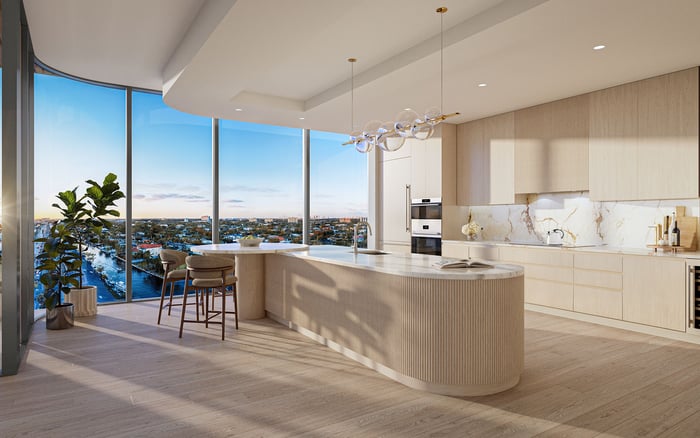
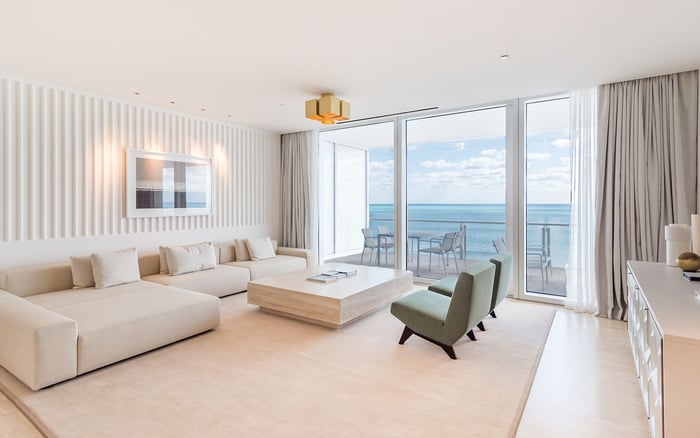
A buyer-oriented, discreet field guide to planning private chef catering for holiday hosting at The Surf Club Four Seasons in Surfside, with practical timing, access, service flow, and contingency considerations.
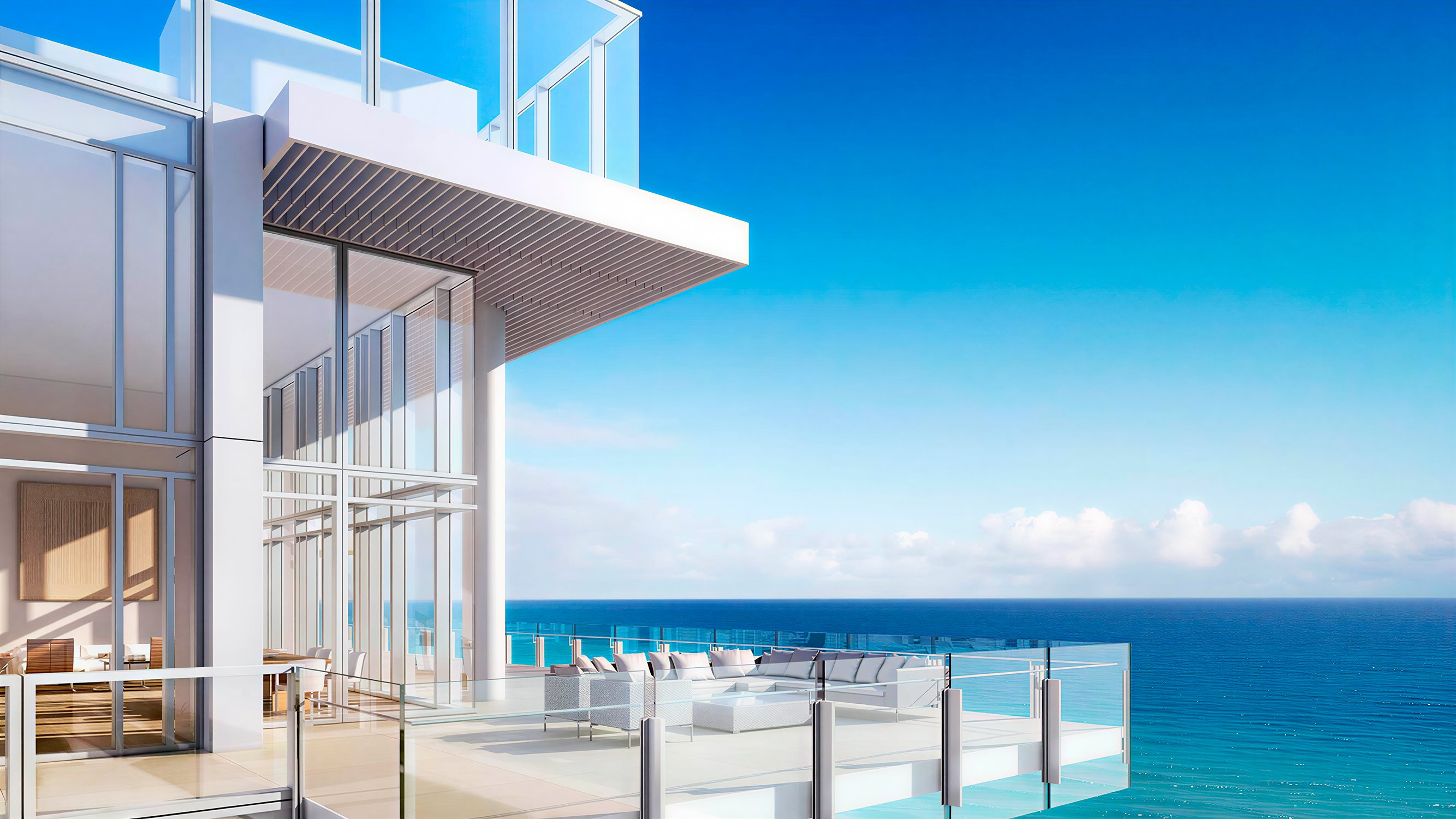
Holiday entertaining at The Surf Club Four Seasons Surfside can look effortless from the dining table. In practice, the most memorable private chef experiences are built, not improvised: a quiet arrival, a clean prep path, a measured service rhythm, and a final course that lands on time-even with late guests or shifting weather.
For residents and seasonal owners in Surfside, logistics carry the same weight as the menu. Private chef catering isn’t only culinary talent; it’s a coordinated sequence of deliveries, security protocols, equipment decisions, and staffing choreography that must work inside a residential environment. The objective is to protect three things: privacy, the condition of the residence, and the guest experience.
What follows is a discreet, buyer-oriented playbook for arranging private chef catering during the holidays-built for the realities of luxury towers and oceanfront living.
Before you speak to any chef, decide what “exceptional” means in your home, for your guests. The sharper the brief, the leaner-and smoother-the operation.
Key choices to lock early:
Service format: plated coursed dinner, family-style, chef’s table, buffet stations, or cocktail reception with pass-around.
Heat and timing sensitivity: holiday proteins and sauces are unforgiving when service drifts.
Guest profile: children, dietary restrictions, cultural preferences, and the tolerance for spice, raw preparations, and heavier courses.
The room plan: where guests will actually gather, and where staff can work without crossing the social space.
A useful rule: if you want the experience to read like a five-star dining room, keep the menu disciplined and the service team slightly more robust. Complexity belongs behind a restaurant door-not in a residential corridor.
Holiday weeks compress availability. To preserve choice and reduce friction, treat the timeline like an event, not a dinner.
A practical cadence:
3-6 Weeks out: select chef/team, confirm date and service window, align on rough menu direction.
10-14 Days out: finalize menu, dietary needs, and preliminary headcount range.
5-7 Days out: lock rentals and staffing, confirm access instructions, confirm staging areas.
48-72 Hours out: final headcount, final shopping list, and arrival schedule.
Day-of: a single point of contact, a single parking/loading plan, and minimal last-minute changes.
The holiday host’s secret is “decision hygiene.” If you keep revising the menu inside 72 hours, you’re trading elegance for operational risk.
In a luxury residential building, access is the first make-or-break moment. The right plan keeps movement discreet and prevents a bottleneck at the lobby.
Plan for:
Named list: every chef, server, bartender, and runner should be expected.
Staggered arrivals: avoid sending the entire team at once if security and elevators are busy.
Delivery windows: groceries, ice, rentals, florals, and beverages are different shipments with different footprints.
Packaging discipline: labeled containers, minimal loose items, and a clear path to the kitchen.
Even among seasoned teams, residential access rules vary. The smoothest events happen when you provide, in advance: building address conventions, the preferred entry point, elevator etiquette, and a designated “handoff” location for supplies.
For owners who split time across South Florida, it helps to compare how staffing and deliveries feel in different submarkets. A holiday chef experience in Arte Surfside will tend to prioritize privacy and quiet circulation, while a larger-scale entertaining rhythm in Brickell can be more accustomed to frequent vendor movement near amenity decks, as many residents discover at 2200 Brickell.
A private chef can cook almost anywhere, but not every residence can support every menu. The most refined hosting is often the most realistic hosting.
Before menu approval, walk the kitchen with these questions:
Refrigeration and freezer space: where will food rest safely before service?
Counter and prep area: can two people prep without crowding?
Ventilation and smoke control: holiday sears and high-heat finishing can overwhelm a residential hood.
Oven capacity: multiple courses, warming, and bread service compete for space.
Plating area: where do plates land for garnish, wipe, and pass?
If the residence can’t support the menu as written, solve it with technique-not strain. Examples: sous-vide finishing, low-smoke methods, batch plating strategies, or a menu that leans into pristine cold starts and controlled hot finishes.
Also decide early what the team supplies:
Knives, smallwares, portable induction, cambros, coolers.
Specialized glassware or bar tools.
Serving pieces if you do not want rentals.
Holiday catering becomes “luxury” when the physical experience is cohesive. Flatware weight, glass clarity, plate size, and linen drape should all align with the mood.
Think in layers:
Dining: plates, chargers, flatware, wine and water glasses, napkins, linens.
Service: trays, wine buckets, decanters, coffee service, discreet water pitchers.
Kitchen support: sheet pans, hotel pans, racks, speed racks, insulated carriers.
The operational detail that protects your residence: confirm where rentals will be staged, unboxed, and broken down. You want a plan that avoids stacking in hallways, scratching counters, or leaving damp linens near wood surfaces.
If you host in multiple homes, note how oceanfront environments change the equation. Salt air and breeze can influence candle choices, outdoor linens, and paper goods. Residents who also entertain along Miami Beach’s oceanfront, including at 57 Ocean Miami Beach, often build in heavier glassware and wind-stable florals for terraces.
A chef can execute the menu, but beverages determine the tempo of the night. The logistical goal is simple: keep guests refreshed without turning the kitchen into a bottle depot.
Consider:
Bar footprint: choose one bar station that does not block service paths.
Ice plan: it is always more than you think, and it melts faster in humid coastal air.
Pre-batched cocktails: elegant, consistent, and less noisy than constant shaking.
Wine service: assign one person to manage opening, decanting, and topping.
Storage is the hidden constraint. If refrigerator space is tight, use dedicated coolers and a clear labeling system. The best teams treat beverage as its own department-not an afterthought.
Staffing is where hosts overpay or under-deliver. The right headcount feels invisible because it’s deliberate.
A balanced approach:
Chef plus at least one capable culinary assistant for multi-course dinners.
A service lead who controls pacing, clears quietly, and coordinates with the kitchen.
One bartender for cocktail-forward events, plus a barback runner when the guest count climbs.
If you’re aiming for a polished holiday cadence, prioritize a service lead over “extra hands.” A strong lead reduces noise, prevents kitchen crowding, and keeps the room composed when guests linger between courses.
The most sophisticated dinners have a storyboard. You want the kitchen to operate like a suite, not a stage.
Define:
Guest arrival moment: a passed bite and a signature drink buys time for finishing.
Seating cue: how you transition from mingling to the table without announcements.
Course spacing: a consistent rhythm with short, intentional pauses.
Clear and reset: quiet, continuous clearing beats periodic clatter.
For residences with terraces, build a “weather pivot.” If the plan is sunset cocktails outside, decide in advance what happens if wind rises or humidity changes the comfort level. The pivot should feel intentional-not improvised.
Luxury catering should leave no trace. That requires standards set before the team arrives.
Include in the agreement:
Surface protection: cutting boards, heat mats, and countertop covers where needed.
Odor control: avoid open-fry programs; schedule fish courses thoughtfully.
Trash and recycling: where it goes, how it is bagged, and when it exits.
Final condition: kitchen, floors, and high-touch areas returned to baseline.
One detail affluent hosts appreciate: a post-event “last look.” It’s a 10-minute walkthrough with the lead to confirm everything is reset, leftovers are labeled, and nothing is left in common areas.
Even when you prefer discretion, the agreement should be crisp. You’re purchasing time, talent, and execution under constraints.
Clarify:
What is included: menu development, shopping, prep time, staffing, service hours, cleanup.
Overtime rates: holidays run long, and you want transparent thresholds.
Rentals and flowers: who orders, who receives, who is responsible for damage.
Cancellation and reschedule terms: weather, travel delays, and guest changes happen.
Allergy protocol: how substitutions are handled and how dishes are marked.
If you’re hosting at a second home in Broward or Palm Beach County later in the season, you may find vendors operate with different minimums and travel policies. Some owners keep one consistent playbook across properties, whether they are hosting in Surfside or planning a larger gathering in Hallandale at 2000 Ocean Hallandale Beach.
Two days before the event, tighten the plan so you can stop thinking about it.
Confirm:
Final guest count and seating plan.
Arrival times for each staff member and each delivery.
Menu printout with timing, allergens, and plating notes.
Where to park, where to load, where to stage.
Music volume and lighting cues for dining.
Leftovers plan: containers, labeling, fridge space, and what gets discarded.
Then designate a single point of contact for day-of decisions. If the host is also the decision-maker, the room feels managed. If the host is free to be a host, the room feels luxurious.
How far in advance should I book a private chef for holiday week at The Surf Club Four Seasons? Reserve as early as you can-ideally several weeks ahead-then finalize details 10-14 days out.
Do private chefs typically provide servers and bartenders, or do I hire separately? Many teams can staff service, but confirm roles in writing so timing and cleanup are covered.
What information should I give the chef about the residence before menu planning? Share kitchen capacity, equipment limitations, staging areas, and any building access protocols.
Can a private chef accommodate allergies and dietary restrictions for a mixed group? Yes-if you provide restrictions early and agree on clear labeling and substitution standards.
Should I plan rentals even if I have luxury dinnerware at home? Rentals are optional, but they help when you want matching inventory, backups, or larger place settings.
How do I keep the event feeling private with multiple vendors arriving? Use staggered arrival windows, a pre-approved name list, and one discreet staging location.
What’s the best service style for a holiday gathering that starts as cocktails? A cocktail reception with passed bites followed by a plated dinner maintains flow and pacing.
How do I handle leftovers and food safety after a catered dinner? Ask for labeled containers, rapid cooling where needed, and a clear discard plan for perishables.
What contingency plans matter most for oceanfront entertaining in Surfside? Build a weather pivot for terraces and a timing buffer for deliveries and late guests.
How do I ensure the residence is returned to pristine condition after service? Specify cleanup expectations, trash removal steps, and do a brief post-event walkthrough.
For a tailored shortlist and next-step guidance, connect with MILLION Luxury.
If branded residences are on your mind — as a home or as an allocation — we would be glad to share what we are seeing, privately.
Begin a quiet conversation