For serious collectors, the question is rarely whether to store, but where: on-site, off-site, or in a purpose-built program that protects materials, provenance, and privacy. This editorial looks at what “climate-controlled storage” should mean in a luxury residential context, what to verify when evaluating Glass House Boca Raton, and how Boca Raton’s broader lifestyle infrastructure influences day-to-day stewardship of a collection.
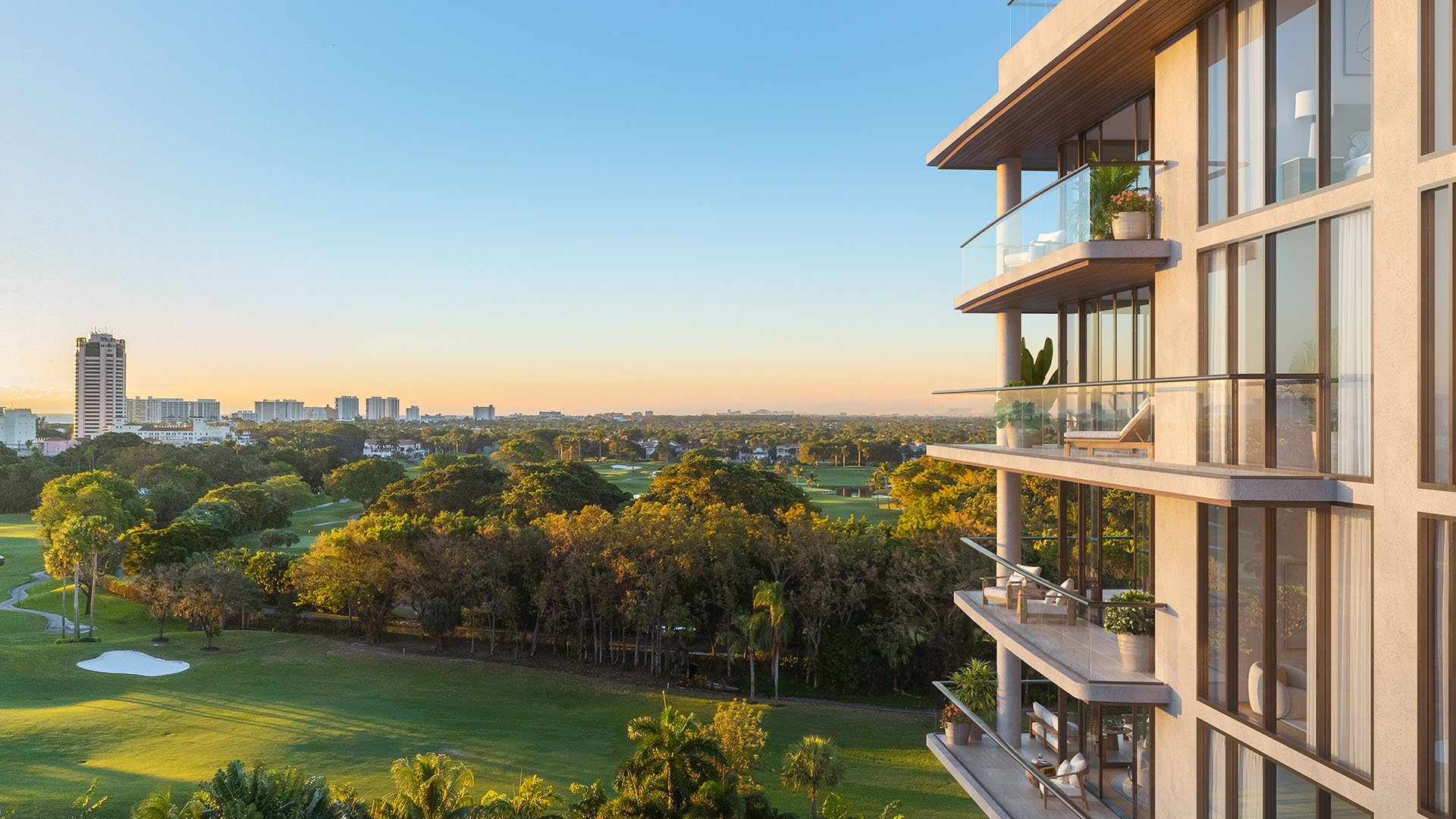
Luxury living in South Florida has long been defined by light, ocean air, and effortless entertaining. For art collectors, those same attributes introduce a year-round conservation challenge. Climate-controlled storage is no longer a niche amenity; it’s a risk-management choice that can influence condition, insurability, and how efficiently a collection rotates between display, loan, and secure holding.
In a residential setting, “storage” typically falls into three categories: in-residence storage (closets, built-ins, private rooms), building-level storage (assigned rooms, lockers, cages, or dedicated storage suites), and professional off-site storage (specialized facilities with art-handling services). The sophistication of the collection usually determines how much of that ecosystem must be deliberately managed rather than improvised.
At Glass House Boca Raton, the conversation starts with a straightforward question: is climate-controlled storage merely referenced, or is it clearly defined, allocated, and operationally supported in a way that aligns with museum-grade expectations? In ultra-premium real estate, the distinction isn’t academic-it’s the difference between a pleasant convenience and a true collecting infrastructure.
For art, the most damaging variable is often not a hot day, but volatility. Collectors should prioritize stability, not just a thermostat setting.
A meaningful climate-control specification generally includes:
Temperature stability appropriate for mixed-media holdings (paintings, works on paper, textiles, photography, and select design objects).
Relative humidity control that is actively managed, not incidental. Humidity swings can warp panels, ripple paper, promote mold, and stress adhesives.
Air quality considerations, including filtration and dust control-especially important in coastal environments.
Light protection, because storage that is bright, sun-adjacent, or frequently exposed to fluorescents can degrade sensitive works over time.
In residential buildings, a common gap is that a “storage room” may be indoors yet still vulnerable to dampness, airflow issues, or intermittent conditioning. Your job as a collector is to confirm that any offered storage is conditioned as a system-not simply located near conditioned corridors.
Because amenity descriptions can stay intentionally high-level, the most effective approach is to press for operational clarity. A buyer evaluating Glass House Boca Raton should request the details that turn an amenity into a workable, insurable routine.
Start with allocation and access:
Is storage deeded, assigned, or first-come? Deeded or contractually assigned storage is easier to plan around than a revocable arrangement.
Where is it located relative to loading and service access? Art moves should be short, discreet, and kept away from high-traffic resident areas.
What are the access hours and protocols? 24/7 access can be valuable, but only when security procedures match the level of the items.
Then focus on building systems and risk control:
Is the space climate-controlled independently or as part of a common HVAC zone? Independence can improve stability, but only if properly engineered.
Is there moisture monitoring or leak detection? In Florida, water is often the existential threat-even in interior spaces.
What is the security model? Cameras, controlled entry, and auditability matter when items are both high-value and portable.
Finally, ask the questions that insurers and conservators will want answered:
Are there restrictions on what can be stored? Some buildings prohibit certain materials, packing types, or crating.
Is there a handling policy for oversized works? If the building isn’t prepared for large-format pieces, “storage” becomes more theoretical than practical.
Can your insurer underwrite the arrangement comfortably? The outcome often hinges on documentation and controls rather than labels.
None of this is confrontational. It simply separates storage as a convenience from storage as a stewardship tool.
Collectors rarely rely on a single solution. The right mix depends on the collection’s scale, how frequently it rotates, and how much the owner values immediate access.
On-site building storage
Is best suited to rotational pieces: works you might swap seasonally, keep nearby for a dinner installation, or hold temporarily during interior updates. The value is immediacy paired with discretion.
Off-site specialized storage
Typically prevails for deep archives, high-sensitivity works, and items that are rarely displayed. The advantages are professional handling, purpose-built environments, and integrated services such as condition reporting, photography, packing, and coordination for loans.
In Boca-ratón, the calculus can tilt toward convenience-particularly for second-home owners who want a secure local “bridge” between arrival and installation. If you split time between markets, a reliable on-site option at a residence like Glass House Boca Raton can reduce the temptation to keep works in suboptimal spaces simply because they’re close.
Storage strategy should shape how you evaluate a home-not trail behind the purchase. Even when a building offers conditioned storage, collectors benefit from mapping the full journey of a piece: arrival, unpacking, acclimation, staging, hanging, and eventual re-crating.
Practical design considerations include:
A staging area inside the residence where pieces can acclimate before installation. Sudden environmental change can stress materials.
Wall construction and hanging planning, including where heavier works will live and whether your installer can operate cleanly.
Traffic patterns that keep art away from kitchens, high-humidity bathrooms, and areas with frequent door openings.
This is one reason some collectors favor newer, amenity-forward living: it can reduce operational friction. Buyers cross-shopping other South Florida new-construction lifestyles sometimes compare needs across markets, from wellness-centric programming at The Well Coconut Grove to high-rise service cultures in Brickell such as 2200 Brickell. The point isn’t that one building is “more artistic” than another; it’s that service infrastructure and building operations determine whether stewardship feels effortless-or constantly negotiated.
If climate-controlled storage is a decision driver, treat it like any other material feature: verify it, document it, and align it with your advisors.
Key diligence steps:
Request written confirmation of storage availability and terms, including whether it is included, optional, or limited.
Ask for the governing rules that apply to storage: hours, permitted items, packaging rules, and any limitations on crates.
Tour the actual space you would receive-not a general area. Look for signs of humidity, odors, staining, or improvised ventilation.
Clarify the path of travel from delivery to storage. Tight turns, low ceilings, and public corridors complicate safe handling.
Confirm security controls in plain language: who has keys, who can access, and how entry is monitored.
Align with your insurance early. A short conversation can surface documentation needs or exclusions.
When technical specifications aren’t publicly disclosed, a buyer’s leverage is specificity. Precise questions tend to elicit precise answers-and precision is what art collections demand.
Art in South Florida isn’t confined to the walls of a residence; it’s also a social and logistical ecosystem. Many collectors split time between Boca Raton and other hubs where galleries, fairs, and institutional programming increase the pace of acquisition and rotation. That cadence shapes what you need from storage: the ability to receive discreetly, hold securely, and install quickly.
For those who keep a Miami foothold, the lifestyle contrasts can be useful. A Miami Beach base like 57 Ocean Miami Beach often emphasizes beachfront living and hospitality-adjacent services, while Boca can feel more private and residential in tone. Neither is inherently better for a collection-but the operational details differ, and storage becomes the connective tissue between locations.
Within Boca-ratón, a collector may also compare the broader residential landscape, including options such as Alina Residences Boca Raton, to understand how each building approaches back-of-house logistics, security culture, and everyday discretion. The most sophisticated buyers select the property that matches their habits: how often they rotate, how much they host, and how personally involved they want to be in handling decisions.
The core question is availability-but availability has levels.
Level 1: nominal availability. The building has storage, and it is indoors. This may satisfy general household needs, but it can be inadequate for fine art.
Level 2: functional availability. Storage is assigned, secure, and conditioned in a way that supports rotational collecting. For many buyers, this is the practical sweet spot.
Level 3: collector-grade availability. Storage is conditioned with stable parameters, supported by protocols, and designed for art logistics. This is where you want to be if you hold sensitive works on paper, photography, or high-value pieces that must remain insurable without caveats.
Your objective at Glass House Boca Raton is to identify which level is actually being offered-and to ensure the answer is consistent across sales materials, building rules, and what you can verify in person.
Does Glass House Boca Raton offer climate-controlled storage for art collectors? Availability can vary by unit and building policy; confirm the specific storage terms tied to your residence in writing.
What temperature should art storage be kept at? Prioritize stable, moderate conditions; your conservator and insurer can recommend targets based on your collection.
Is humidity control more important than temperature in Florida? Often, yes; humidity swings can cause warping, mold risk, and adhesive failure even when temperature feels comfortable.
Can I store artwork in standard condo storage lockers? Only if the space is truly conditioned, dry, and secure; many general lockers are not suitable for fine art.
What security features should I look for in building storage? Controlled access, monitored entry, and clear key management are foundational for high-value, portable items.
Should art be acclimated before hanging after storage? Yes; allowing works time to adjust can reduce stress on materials, especially for paper and mixed media.
Do I need special packaging if the space is climate-controlled? Usually, yes; proper wrapping and rigid protection help prevent abrasion and impact during handling.
Can I insure art kept in residential building storage? Often, but coverage depends on the space’s controls and documentation; confirm requirements before moving pieces.
Is on-site storage enough for a large collection? Many collectors use a hybrid approach: on-site for rotation and off-site specialized storage for archives.
What is the first step when evaluating storage at a new building? Tour the exact space you would receive and request the written rules, access terms, and security overview.
If you'd like a private walkthrough and a curated shortlist, connect with MILLION Luxury.
If branded residences are on your mind — as a home or as an allocation — we would be glad to share what we are seeing, privately.
Begin a quiet conversation