A buyer-focused guide to roof-rights clarity at Bay Harbor Towers, explaining why seasonal owners should verify rooftop language through condominium documents, association approvals, maintenance obligations, and resale implications before treating views or terrace potential as private value.
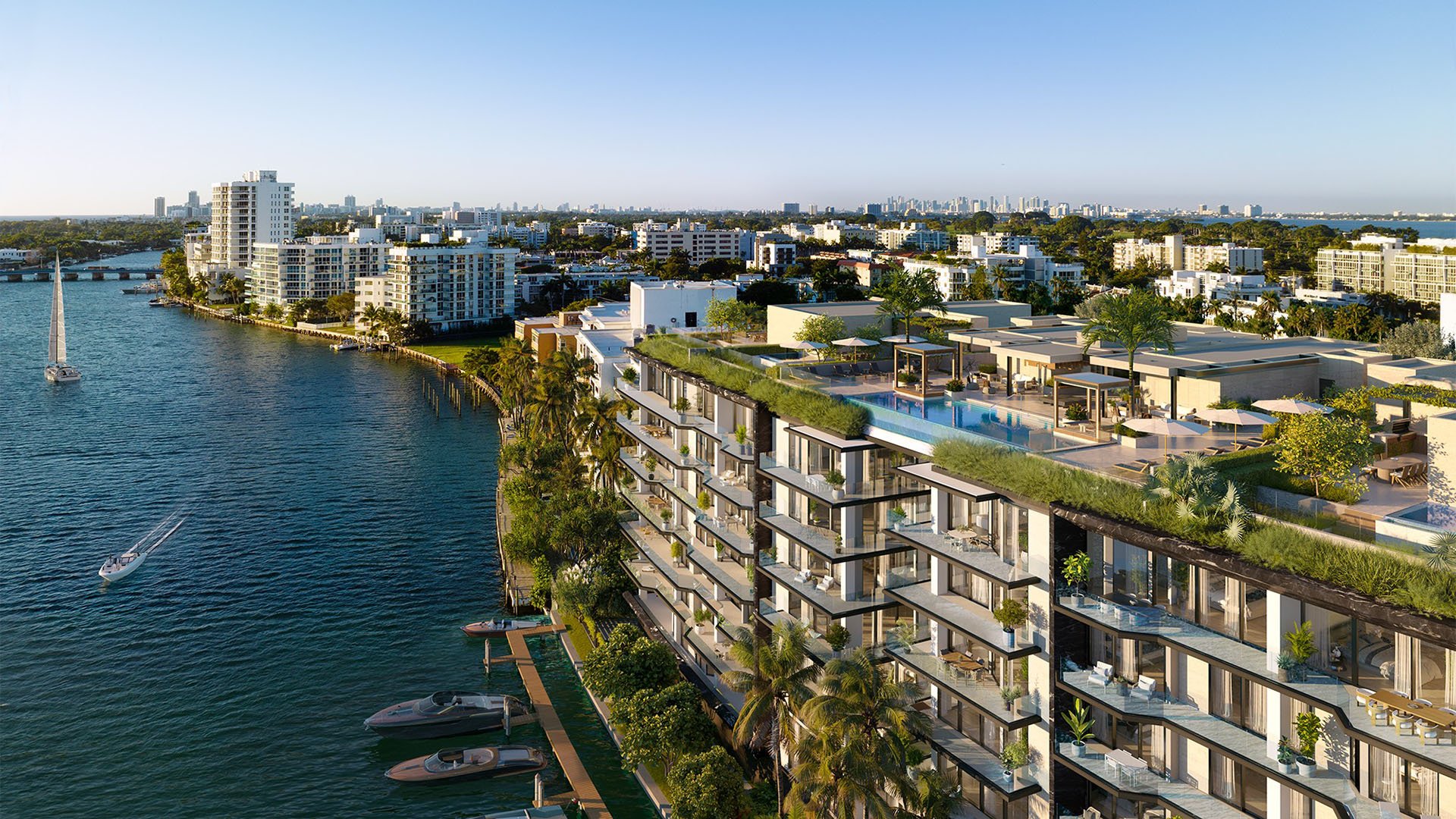
For seasonal buyers evaluating Bay Harbor Towers, roof-rights clarity is not a decorative detail. It is a threshold diligence issue that can shape privacy, noise exposure, future construction risk, maintenance responsibility, special assessments, resale liquidity, and long-term value.
The appeal is clear. In Bay Harbor Islands, elevated bay and skyline views can carry genuine lifestyle and market weight. Phrases such as “roof rights,” “rooftop terrace potential,” or “penthouse expansion opportunity” may imply an elegant layer of private outdoor living above the residence. For a buyer who will occupy the home only part of the year, however, that language requires discipline.
At Bay Harbor Towers, the central question is not whether a rooftop concept sounds plausible. The question is whether the right is legally documented, transferable, enforceable, and practical within the building’s condominium structure. In a luxury market where terrace expectations, penthouse positioning, second-home use, and resale strategy often overlap, precision matters more than romance.
In an established condominium, the roof is usually part of the building envelope and infrastructure. It protects the structure, houses or interfaces with building systems, and can be central to maintenance planning. Any private-use claim is therefore inherently different from a typical interior finish or balcony preference.
This is where roof-rights conversations become complex. They sit at the intersection of condominium governance, building systems, association approvals, and municipal review. A rooftop area may feel physically adjacent to a top-floor residence, but physical proximity does not automatically create private ownership, exclusive use, or expansion authority.
Seasonal buyers should be especially careful because rooftop activity can unfold while they are away. Repairs, disputes over use, temporary access needs, or discussions about improvements may arise during months when the owner is not in residence. If rights and responsibilities are unclear, absence can magnify uncertainty.
The first category is exclusive roof-use rights. This may refer to a specific owner having documented use of a defined rooftop area. For a buyer, the key questions are whether that right appears in the condominium declaration, amendments, recorded instruments, or valid association approvals, and whether it transfers automatically with the unit.
The second category is rooftop amenity rights. A building may allow residents to use a rooftop area as a shared amenity, subject to rules, hours, access procedures, and association control. That is materially different from a private terrace right. Shared use may enhance lifestyle, but it typically does not carry the same exclusivity or valuation logic as a private rooftop area.
The third category is structural expansion rights. This is the most consequential and should never be inferred from marketing language. Expansion may implicate structure, waterproofing, mechanical systems, setbacks, association approvals, municipal review, insurance questions, and future maintenance burdens. A phrase suggesting “potential” is not the same as a documented right to build.
For Bay Harbor buyers, the distinction is essential: use, amenity access, and expansion are not interchangeable.
The starting point is the condominium declaration. Buyers should look for language that identifies ownership boundaries, common elements, limited common elements, exclusive-use areas, and any roof-related rights. If the claim does not appear in governing documents or properly approved amendments, it should not be treated as settled value.
Next, review recorded instruments and association approvals. A prior owner may have received permission for a specific improvement, but that permission may be limited, conditional, revocable, nontransferable, or tied to compliance obligations. The existence of a terrace or access point does not, by itself, answer the legal question.
Maintenance obligations also deserve attention. If a unit owner has use of a rooftop area, who maintains the membrane beneath it? Who pays if furniture, pavers, planters, or alterations complicate repairs? Who controls access if the association needs to inspect or service the roof? These are not minor questions. If ignored, they can become expensive and disruptive.
Finally, examine future approvals. Even if a rooftop concept is permitted in some form, additional work may require association consent, engineering review, permits, or other approvals. Seasonal owners should understand not only what exists today, but what can be changed tomorrow.
Roof rights are not only legal abstractions. They affect the lived experience of a luxury residence. A private rooftop claim above or near another unit can influence noise, lighting, foot traffic, views, and perceived privacy. Conversely, a buyer expecting a serene private terrace may be surprised if the area is shared, restricted, or periodically accessed for maintenance.
This is particularly relevant for owners who arrive for defined seasons and expect the home to function immediately. A rooftop dispute during the winter high season can feel more intrusive than the same issue might feel in a primary residence with year-round oversight. The value of quiet enjoyment is partly emotional, but in luxury real estate it can also influence market perception.
For Bay Harbor Towers, the roof should be understood as both a critical maintenance asset and a potential premium-view amenity. That dual role creates natural tension between building-wide interests and private-use claims.
A future buyer will ask many of the same questions. If roof rights are cleanly documented, transferable, and understood by the association, they may be easier to evaluate. If they depend on ambiguous listing language or informal history, they may create friction during resale.
That friction can affect timing, negotiation leverage, and buyer confidence. A purchaser may discount uncertain value or require more extensive review before proceeding. In the upper end of the South Florida condominium market, clarity can be as important as the view itself.
Bay Harbor Towers is a useful lens for a broader South Florida pattern: older waterfront condominium buildings can attract interest in rooftop adaptation precisely because views are scarce and valuable. Yet adaptation cannot be separated from the original condominium framework, the building’s systems, and the association’s obligations to all owners.
Before assigning value to any rooftop feature, seasonal buyers should confirm whether the right is documented in the declaration, amendments, recorded instruments, or written association approvals. They should ask whether the right is exclusive or shared, whether it is transferable with the unit, and whether the association can revoke or modify it.
They should also identify maintenance duties. A rooftop area may look like lifestyle space, but it sits above building systems and waterproofing. Any private use should be reviewed for responsibility, access, insurance expectations, and repair procedures.
Finally, buyers should distinguish between existing use and future ambition. A current access right does not necessarily mean the right to expand. A terrace concept does not necessarily mean buildable space. The strongest purchase position is one in which the buyer understands exactly what is owned, what is usable, what is conditional, and what remains merely aspirational.
What does “roof rights” usually mean at a condominium? It can mean different things, including exclusive use, shared amenity access, or possible expansion authority. Buyers should define the term through documents, not assumptions.
Why is Bay Harbor Towers relevant for this issue? Bay Harbor Towers is a Bay Harbor Islands condominium where elevated bay and skyline views can make rooftop language especially meaningful to buyers.
Should listing language be enough to rely on rooftop rights? No. Phrases such as rooftop terrace potential or penthouse expansion opportunity should be verified in governing documents or approvals.
What documents should a buyer review first? Start with the condominium declaration, amendments, recorded instruments, and written association approvals related to roof access or use.
Are rooftop amenity rights the same as private roof rights? No. Shared rooftop access is different from exclusive use of a defined area connected to a specific residence.
Can a rooftop right automatically transfer with the unit? It may or may not. Buyers should confirm whether the right is transferable, conditional, revocable, or personal to a prior owner.
Why does this matter more for seasonal buyers? Seasonal owners may be away when maintenance, construction, access issues, or association disputes arise, which can increase practical risk.
Can roof rights affect resale? Yes. Clear documentation can support buyer confidence, while ambiguity can slow diligence or weaken negotiating leverage.
Does rooftop access mean a buyer can build on the roof? Not necessarily. Structural expansion is a separate issue that may require association approval, technical review, and municipal approval.
What is the safest way to evaluate rooftop value? Treat rooftop value as document-based. Confirm the right, its transferability, maintenance duties, and any future approval requirements.
If you'd like a private walkthrough and a curated shortlist, connect with MILLION.
If branded residences are on your mind — as a home or as an allocation — we would be glad to share what we are seeing, privately.
Begin a quiet conversation