A contract-stage guide for Miami penthouse buyers evaluating lighting scenes, smart controls, shade integration, glare, keypad placement, and future serviceability before signing.
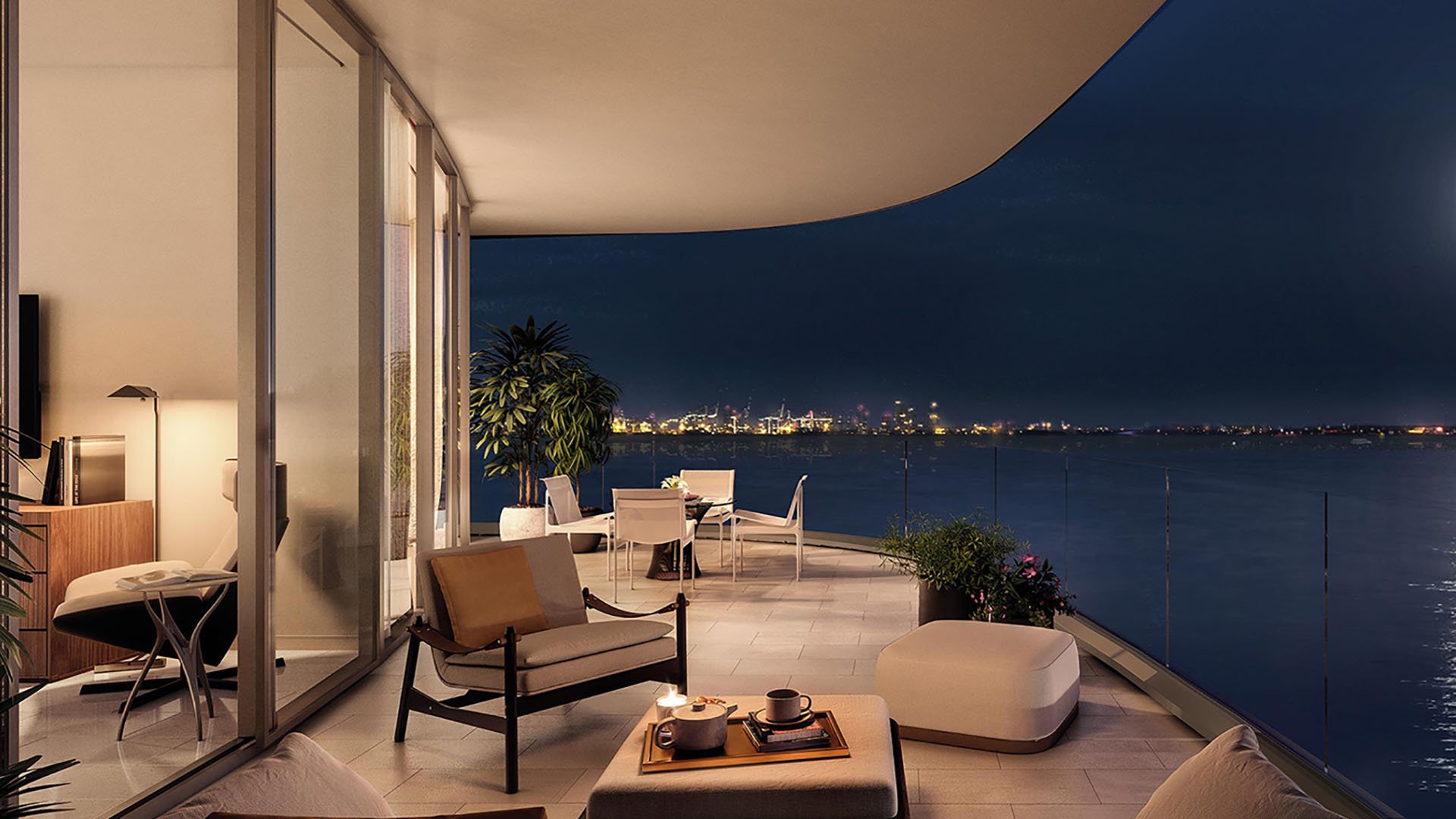
A Miami penthouse is rarely experienced under one kind of light. Morning over the water, late-afternoon glare across glass, dinner on the terrace, a quiet evening with art illuminated, and the first minutes after returning from travel all ask different things from the same residence. That is why lighting scenes should be discussed before contract, not after closing.
For a penthouse buyer, the question is not simply whether the residence has smart lighting. The sharper question is what the system will actually do, who is responsible for programming it, what is included in the purchase, and how much flexibility remains after delivery. In the ultra-premium tier, lighting is not a decorative add-on. It shapes privacy, architecture, art, entertaining, sleep, security, and the emotional pace of the home.
The contract stage is the moment to slow down. Renderings can suggest ambience, but they do not define scene logic. A sales conversation can sound sophisticated, but it may not specify dimming ranges, keypad locations, motorized shade integration, or post-delivery adjustments. Buyers should ask direct, technical questions in elegant language and ensure the answers are reflected in writing.
The word scene can mean many things. It may refer to a preset lighting mood, a combination of dimmed circuits, a shade position, an audio cue, or an all-off command at the elevator foyer. Before contract, ask the developer or design representative to explain the planned scenes in plain terms.
A useful starting question is: which scenes are included at delivery? Common lifestyle categories might include arrival, morning, daytime, evening, entertaining, dining, movie, terrace, night path, and away. The names matter less than the performance. A buyer should understand whether scenes control only ceiling fixtures or whether they also coordinate cove lighting, decorative fixtures, art lighting, under-cabinet lighting, exterior-facing areas, balcony lighting, and shades.
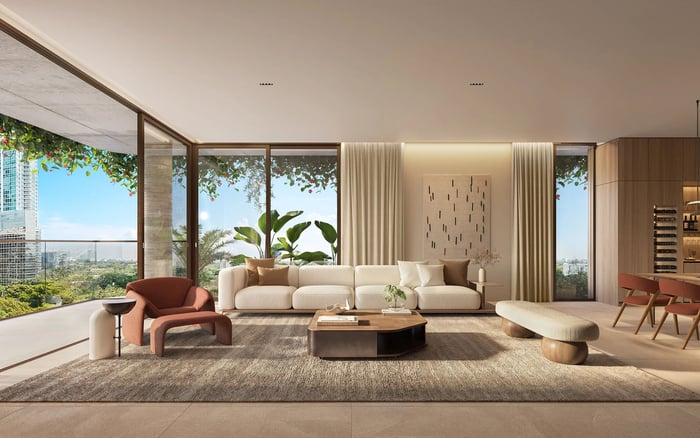
This is especially important in open-plan penthouses, where one continuous living environment may need several atmospheres at once. A dining table may require warmth and focus, while the seating area needs softness and the skyline should remain visible without mirror-like reflections on the glass. Ask whether the system is designed for room-by-room control, whole-residence control, or both.
Luxury buyers often assume that a sophisticated lighting control platform automatically includes bespoke scene programming. That assumption can create frustration. The contract should clarify whether the residence includes base programming, owner-specific programming, a limited number of adjustment visits, or only infrastructure that a buyer must later personalize with a separate consultant.
For new construction, the safest assumption is that the standard specification and the buyer’s desired lifestyle may not be identical. Ask which fixtures are included, which are allowances, which are decorative selections, and which lighting features are outside the base scope. If a buyer plans to install significant art, collectible design, or custom millwork, lighting should be coordinated before walls, ceilings, and low-voltage pathways are finalized.
A refined contract review should also address substitutions. If a particular control system, driver, fixture type, keypad finish, or dimming module is represented during sales, ask how substitutions are handled. The goal is not to make the transaction adversarial. It is to avoid ambiguity before the most important design decisions become expensive to revisit.
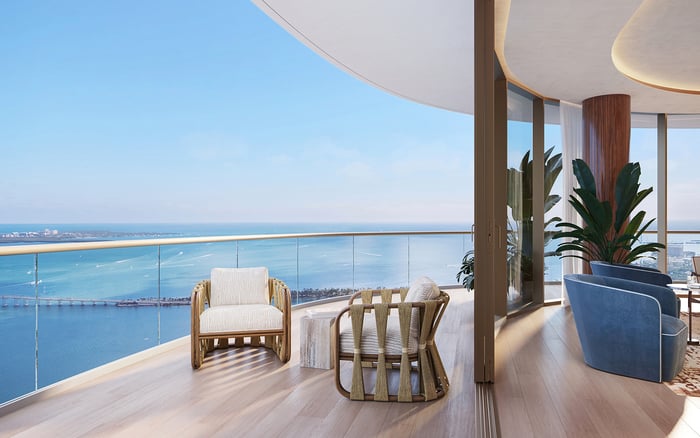
Miami penthouses often place architecture in conversation with light, water, sky, and glass. That beauty introduces a practical issue: glare. During the day, the question is how light is moderated. At night, the question is how interior lighting behaves against glass. If interior fixtures are too bright or poorly aimed, the view can become a reflection of the room instead of the city or ocean beyond it.
Buyers should ask how scenes are intended to preserve the nighttime view. This includes dimming levels, fixture placement, shade positions, and the relationship between decorative lighting and architectural lighting. In Brickell, for example, where skyline views are a central part of the penthouse experience, evening scenes should be tested for reflection control as carefully as they are tested for mood.
High floors can also intensify the contrast between bright daylight and darker interior zones. Ask whether the design anticipates transitions throughout the day, especially in deep floor plans where the perimeter receives strong light and interior corridors need support. A beautiful lighting plan should feel effortless at noon and at midnight.
Lighting scenes become powerful when they are paired with the way a household actually lives. Ask where keypads, touchscreens, and app controls will be located. A keypad in the wrong place can make a scene feel theoretical. A well-placed keypad can make arrival, departure, entertaining, and bedtime feel seamless.
Important locations include the private elevator entry, primary suite entry, bedside areas, kitchen, service zones, powder room access points, and transitions to the terrace. If there is a balcony or outdoor entertaining area, ask how those zones are controlled and whether exterior-facing lighting is coordinated with interior scenes.
Shade integration deserves equal attention. Ask whether shades respond independently or as part of scenes. A morning setting may raise selected shades while preserving privacy in bedrooms. An evening entertaining scene may lower shades partially while dimming interior fixtures. A travel scene may follow different logic altogether. These details should not be left to guesswork.
Many penthouse owners finalize furniture, art, and decorative lighting after contract. That is normal, but the infrastructure should anticipate it. Ask whether the ceiling plan allows for art lighting, whether circuits are zoned flexibly, and whether there is capacity for specialty fixtures. A buyer who expects museum-like art presentation should say so early.
Serviceability is just as important as aesthetics. Ask who maintains the system after delivery, how warranty issues are handled, and whether the owner will have access to programming support. A lighting system should not require a scavenger hunt years later when a keypad needs replacement or a scene needs adjustment.
For buyers comparing Miami Beach, Sunny Isles, and urban-core options, the right questions remain consistent even when the architecture changes. The residence should feel intuitive, discreet, and adaptable. Lighting scenes should make the home easier to inhabit, not more complicated to manage.
Before contract, request a clear explanation of the lighting control scope, including included scenes, controllable zones, shade coordination, keypad locations, fixture assumptions, and post-delivery programming. Ask whether the buyer can review or influence scene names and logic before handover. Ask whether the final walkthrough includes scene testing during both daylight and evening conditions.
Most importantly, translate elegant expectations into precise contract language. If the promise is mood, the document should define the mechanism. If the promise is customization, the document should state the process. If the promise is integration, the buyer should know what is integrated, when, and by whom.
A penthouse lighting plan succeeds when the technology disappears and the residence simply feels right. That kind of ease is designed, specified, programmed, tested, and maintained. It is worth asking about before the contract is signed.
What is a lighting scene in a penthouse? A lighting scene is a preset combination of lighting levels, and sometimes shade positions, designed for a specific moment such as dining, arrival, or evening entertaining.
Should lighting scenes be discussed before contract? Yes. Contract-stage review helps clarify what is included, what is customizable, and who is responsible for final programming.
Is smart lighting the same as custom scene programming? Not always. A residence may have smart controls without including owner-specific scene design or post-delivery adjustment visits.
What should buyers ask about keypad locations? Buyers should ask where controls will be placed and whether those locations match real daily movement through the residence.
Why do shades matter in lighting scenes? Shades affect glare, privacy, heat perception, and evening ambience, so they should be considered part of the overall scene strategy.
How can lighting affect nighttime views? Interior lights can reflect against glass at night, so dimming levels and fixture placement should be planned to preserve the view.
Should art lighting be addressed before closing? Yes. Significant art or collectible design may require dedicated circuits, fixture locations, or future flexibility.
What is the risk of waiting until after closing? Waiting can limit infrastructure options and may turn a simple programming issue into a more expensive design revision.
Can scenes be changed after delivery? Often they can, but buyers should confirm who can make changes, what support is included, and whether additional fees apply.
What is the most important contract question? Ask exactly what lighting scenes, controls, shade integrations, and programming services are included in the purchase.
To compare the best-fit options with clarity, connect with MILLION.
If branded residences are on your mind — as a home or as an allocation — we would be glad to share what we are seeing, privately.
Begin a quiet conversation