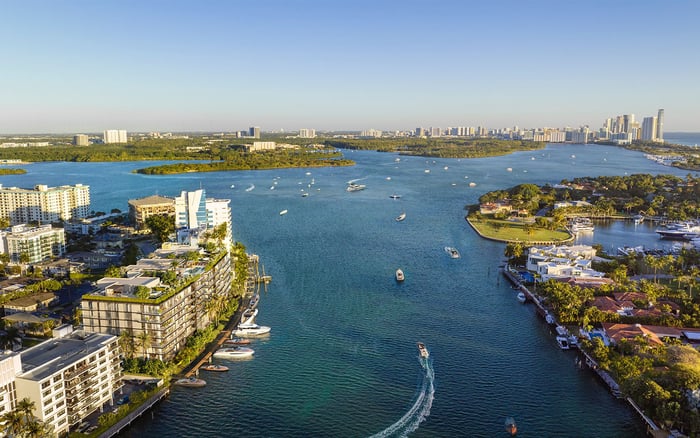
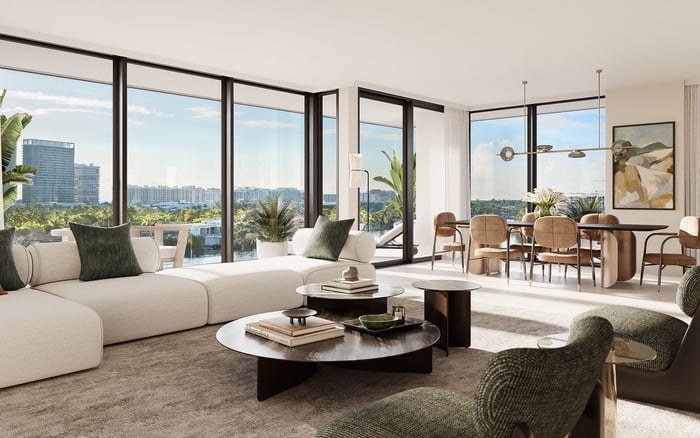
A discreet buyer’s guide to evaluating Mila Bay Harbor Islands through the lens of school-morning egress, privacy exposure, service choreography, and long-term resale perception.
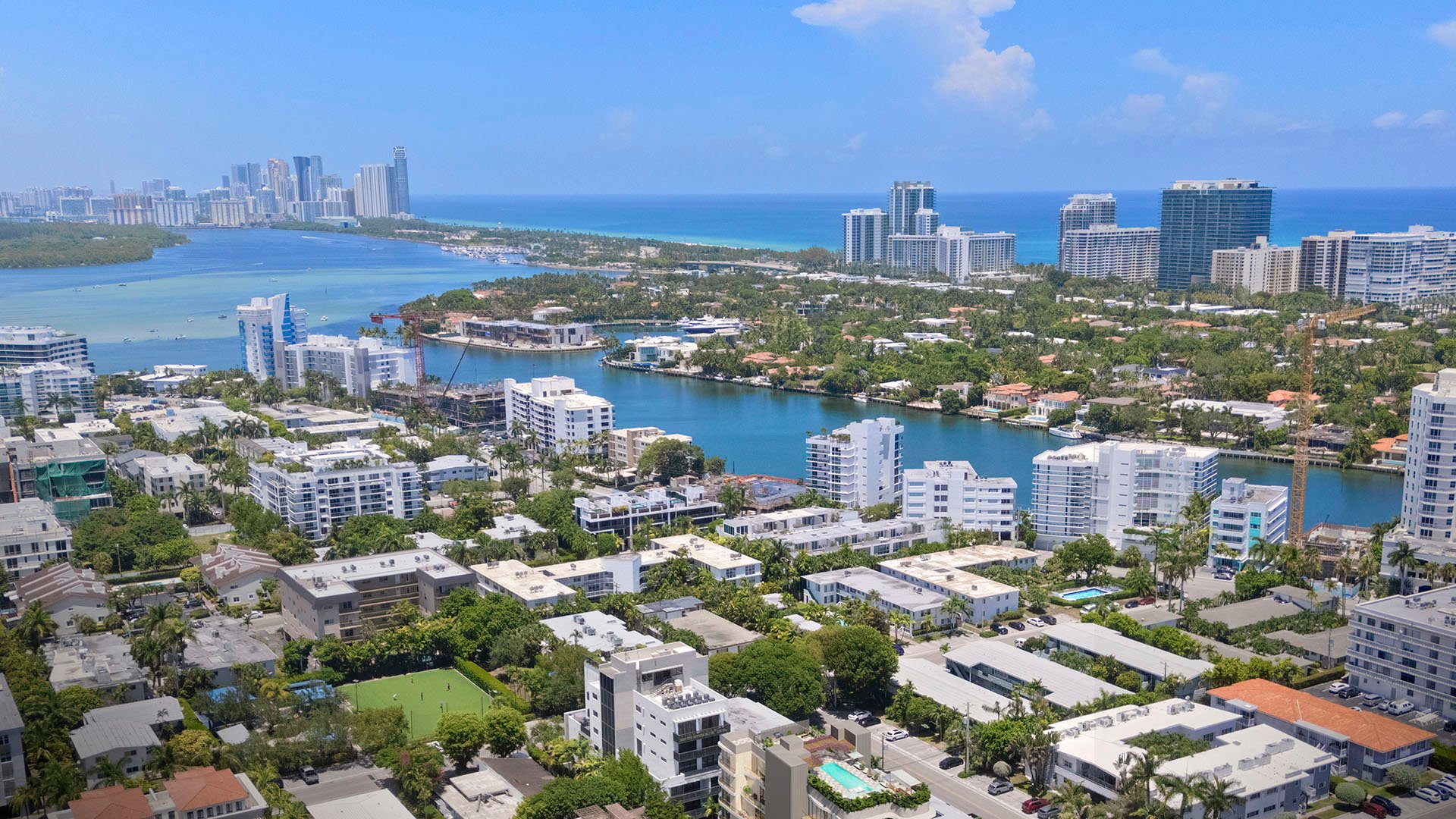
Mila Bay Harbor Islands calls for a more precise form of luxury due diligence. The question is not only whether the residence is beautiful, private, and properly serviced. The sharper test is how it feels to leave during the school-morning arrival window, when a compact island setting can concentrate vehicles, pedestrians, curbside pauses, and service movement into a narrow band of time.
For a buyer accustomed to calm arrivals and discreet departures, that window matters. A residence can show beautifully in the afternoon and perform very differently at 7:45 or 8:10 on an active school weekday. Morning egress is where privacy, service flow, and resale perception converge. It reveals whether the building experience remains composed under pressure, or whether resident departures become part of a larger public rhythm.
That distinction is especially important for owners who value predictability. The most refined buildings do not merely impress in still photography. They manage transitions. They keep residents moving without making them visible, delayed, or dependent on a sequence of small accommodations from staff, drivers, or passersby.
A weekend showing is useful for evaluating finishes, light, proportions, and general atmosphere. It is not the right test for school-morning exit. Buyers should schedule a separate visit on an active school weekday during the actual morning arrival period, rather than relying on a quiet-hour impression.
The visit should be observational, not rushed. Arrive before the peak builds, remain through the busiest portion, then watch how the area releases afterward. The goal is to understand pattern, not anecdote. Does vehicle movement stack predictably? Do waiting vehicles occupy curb or driveway space? Are pedestrians crossing in ways that interrupt resident exits? Does a driver leaving the garage or arrival court need to yield repeatedly before joining the street?
The best due diligence feels almost cinematic. Stand where a resident would emerge. Sit in a car where a resident would wait. Observe what a guest would see from the curb. Then ask whether the experience aligns with the privacy and ease expected from a high-end Bay Harbor address.
Privacy at Mila is not simply a question of interior exposure. During the school-morning window, privacy becomes a matter of sightlines and proximity. Buyers should observe whether school-hour traffic, pedestrians, or stopped vehicles create visibility into the arrival court, garage exit, lobby frontage, or valet zone.
This is not about eliminating all public life around a property. In a desirable island environment, movement is part of the setting. The issue is whether that movement feels adjacent or intrusive. If waiting cars face the building’s active frontage, if pedestrians pause near the lobby, or if departing residents become visible at predictable moments, the morning experience may feel less discreet than the architecture suggests.
The strongest privacy mitigation is physical separation between resident circulation and public or school-related traffic patterns. Separation can be spatial, operational, or both. A well-considered arrival sequence gives residents a sense of removal from the public edge, even when the surrounding area is active. Without that separation, luxury can feel performative rather than private.
For taxonomy-minded buyers, this is where Bay Harbor, boutique, and private-school considerations overlap. The small-scale character that makes the island appealing also makes circulation quality more consequential.
Service quality is often judged by demeanor, staffing, and amenity programming. On a school morning, it should also be judged by choreography. The critical question is whether valet, concierge, package handling, ride-share pickup, guest arrivals, staff movement, loading activity, and resident departures compete for the same curb or driveway space.
If all functions converge at one pressure point, even excellent staff can be forced into reactive service. A resident may wait while a ride-share stops, while a delivery is handled, or while another car is staged. None of these moments is dramatic in isolation. Repeated daily, however, they change the feeling of ownership.
The strongest service mitigation is an operating plan that keeps those functions from bottlenecking resident exits. Buyers should ask how peak-hour valet staging will be handled, where guests are expected to pause, how loading and service access are separated, and whether ride-share pickups are directed in a way that protects resident movement.
The elegance of a building is partly operational. A polished lobby matters, but so does the unseen plan that prevents friction at the curb. In ultra-premium real estate, service is not only what staff can do for an owner. It is what the building prevents the owner from having to experience.
Resale risk is not created by the mere existence of nearby school traffic. Many buyers accept active neighborhood conditions when the tradeoff is convenience, location, scale, or access. The more relevant question is whether a future buyer will perceive the school-morning condition as convenient, manageable, or inconsistent with luxury expectations.
This distinction should shape how buyers evaluate Mila. A morning condition that is predictable, well-managed, and physically separated from resident circulation may become a neutral or even practical part of ownership. A condition that feels intrusive, unpredictable, or visible may become a negotiation point later.
Resale perception often forms quickly. A buyer returning for a second visit may ask to see the building at a busier hour. If that moment feels composed, confidence rises. If the exit feels improvised, the conversation shifts from design to compromise. That is why current buyers should test the issue before contract conviction hardens.
For owners thinking in resale and investment terms, the point is not to avoid every friction. It is to understand whether the friction is controlled. In a new-construction context, early clarity around circulation and operating protocol can become just as important as finishes, views, and amenity design.
During the visit, focus on five observable conditions. First, watch vehicle queue length. A short queue may be manageable if it moves consistently, while a shorter but unpredictable blockage can be more disruptive. Second, note intersection delay and whether drivers leaving the building can enter the street without repeated yielding.
Third, study curbside stopping behavior. Are vehicles pausing briefly, standing longer than expected, or informally creating their own staging patterns? Fourth, watch pedestrian crossings, especially when families, staff, or residents move through the same visual field. Fifth, observe whether building operations stay calm when multiple demands arrive at once.
Buyers should repeat the mental exercise from several positions: from inside a departing vehicle, from the garage or exit path, from the lobby frontage, and from the curb. Each vantage point answers a different question. The driver asks, “Can I leave smoothly?” The resident asks, “Am I visible?” The guest asks, “Does this feel managed?” The future buyer asks, “Would I accept this every weekday?”
The sales team or building management should be able to discuss peak-hour planning in practical terms. Ask how valet staging will work during the busiest morning period. Ask whether deliveries, staff access, guest arrivals, and ride-share pickups share resident circulation. Ask where vehicles are expected to wait if several arrivals occur at once.
Also ask what the building prioritizes during morning congestion: keeping the curb clear, protecting garage exit movement, preserving lobby privacy, or managing guest flow. The best answer is not vague reassurance. It is a clear explanation of how different users are separated and sequenced.
A luxury purchase in Bay Harbor Islands should include this kind of operational inquiry. The building may still be the right choice. In fact, the right answer may strengthen conviction. But the buyer should reach that conviction after experiencing the morning condition firsthand, not after assuming that a quiet showing represents daily life.
Why does school-morning exit matter at Mila Bay Harbor Islands? It reveals how privacy, service flow, and resident convenience perform when nearby circulation is most active.
Should buyers visit only during a normal showing appointment? No. A separate weekday morning visit is important because quiet-hour showings may not reveal peak egress conditions.
What should I watch from the garage or exit path? Observe whether residents can leave without repeated yielding, blocked sightlines, or prolonged waiting.
How does morning traffic affect privacy? It can create visibility into the arrival court, garage exit, lobby frontage, or valet zone if circulation is not separated.
What is the key service-flow risk? The risk is that valet, deliveries, ride-share pickups, guests, staff, and residents compete for the same limited space.
What is the strongest privacy mitigation? Physical separation between resident circulation and public or school-related movement is the strongest protection.
What is the strongest service mitigation? A clear operating plan that prevents peak-hour bottlenecks is the most important service safeguard.
Is nearby school traffic automatically a resale problem? No. The resale issue is whether the condition feels intrusive, unpredictable, or inconsistent with luxury expectations.
What questions should buyers ask management or sales teams? Ask how valet staging, guest arrivals, loading, service access, and ride-share pickups are handled during peak mornings.
How should a buyer interpret a manageable morning exit? If the condition feels predictable, discreet, and well-operated, it may be a manageable tradeoff rather than a concern.
For a tailored shortlist and next-step guidance, connect with MILLION.
If branded residences are on your mind — as a home or as an allocation — we would be glad to share what we are seeing, privately.
Begin a quiet conversation